
Thuma Review: Minimalist Furniture Designed for Modern Living
Thuma has built its reputation around a clear idea: furniture should look calm, feel substantial, and be easier to live with. The brand first became known for its low-profile platform bed, which uses solid wood and Japanese-inspired joinery instead of a complicated collection of screws, brackets, and tools. It has since expanded into mattresses, nightstands, dressers, shelving, modular seating, tables, rugs, lighting, bedding, and bath textiles.
The overall aesthetic is restrained and modern. Thuma favors natural wood grain, softened corners, neutral fabrics, balanced proportions, and forms without unnecessary decoration. This makes the collection suitable for contemporary, Scandinavian-inspired, Japanese-influenced, and warm minimalist interiors. The pieces are quiet rather than dramatic, allowing them to support a room without dominating it.
Convenience is also treated as part of good design. Many products are modular, simple to assemble, or made with removable components that help with maintenance and moving. That practical intelligence separates Thuma from furniture companies focused mainly on appearance.
The main challenge is price. Thuma operates in the premium direct-to-consumer category, and its pricing reflects solid materials, refined finishes, careful engineering, and visual consistency. It is best suited to buyers who value longevity, simplicity, and a polished ownership experience rather than shoppers searching for the cheapest available furniture.
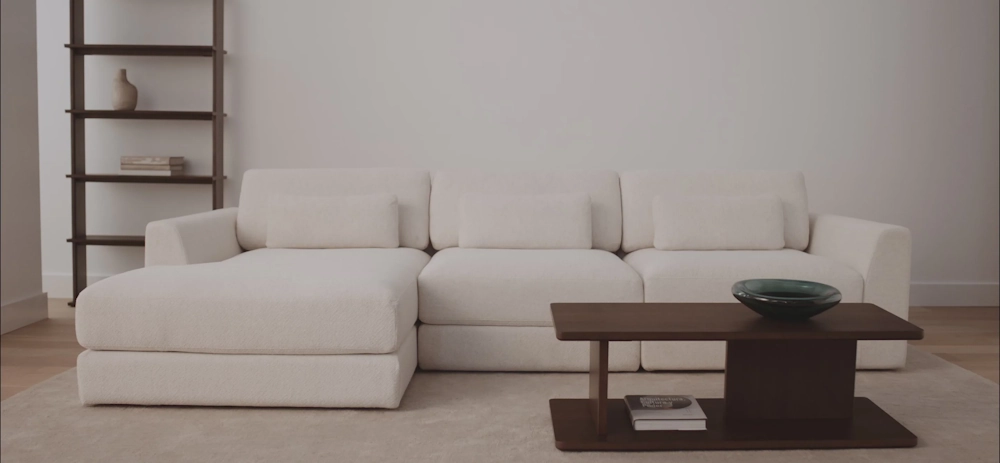


Design and Materials: Minimalism With More Substance
Thuma’s minimalist style does not feel cold or clinical. Natural wood, rounded edges, soft upholstery, and warm neutral colors give the collection a comfortable presence. Beds sit relatively low, storage pieces maintain clean horizontal lines, and seating avoids bulky silhouettes. This creates visual order in bedrooms and living areas designed to feel restful.
Material quality is central to the brand’s appeal. Many core furniture pieces use upcycled rubberwood, a solid hardwood obtained from rubber trees that have completed their latex-producing life. The wood is dense, stable, and capable of holding a smooth finish. Its grain remains visible, giving each piece natural variation rather than the uniform appearance of printed veneer.
Thuma also uses upholstery, wool felt, recycled PET, linen, cotton, foam, and metal according to each product’s function.
The combination of restrained design and substantial construction gives Thuma greater long-term potential than many inexpensive flat-pack alternatives. Solid wood still requires care because it can scratch, dent, or react to moisture, but the underlying structure feels more durable than furniture made mainly from particleboard.
Buyers who prefer ornate carving, glossy finishes, or bold color may find the collection too plain. Those who value calm, consistency, and natural texture will likely appreciate its disciplined approach. The designs are intentionally simple, but they do not feel unfinished or generic. Each element serves a practical or visual purpose.
Bed Frames: The Strongest Part of the Collection
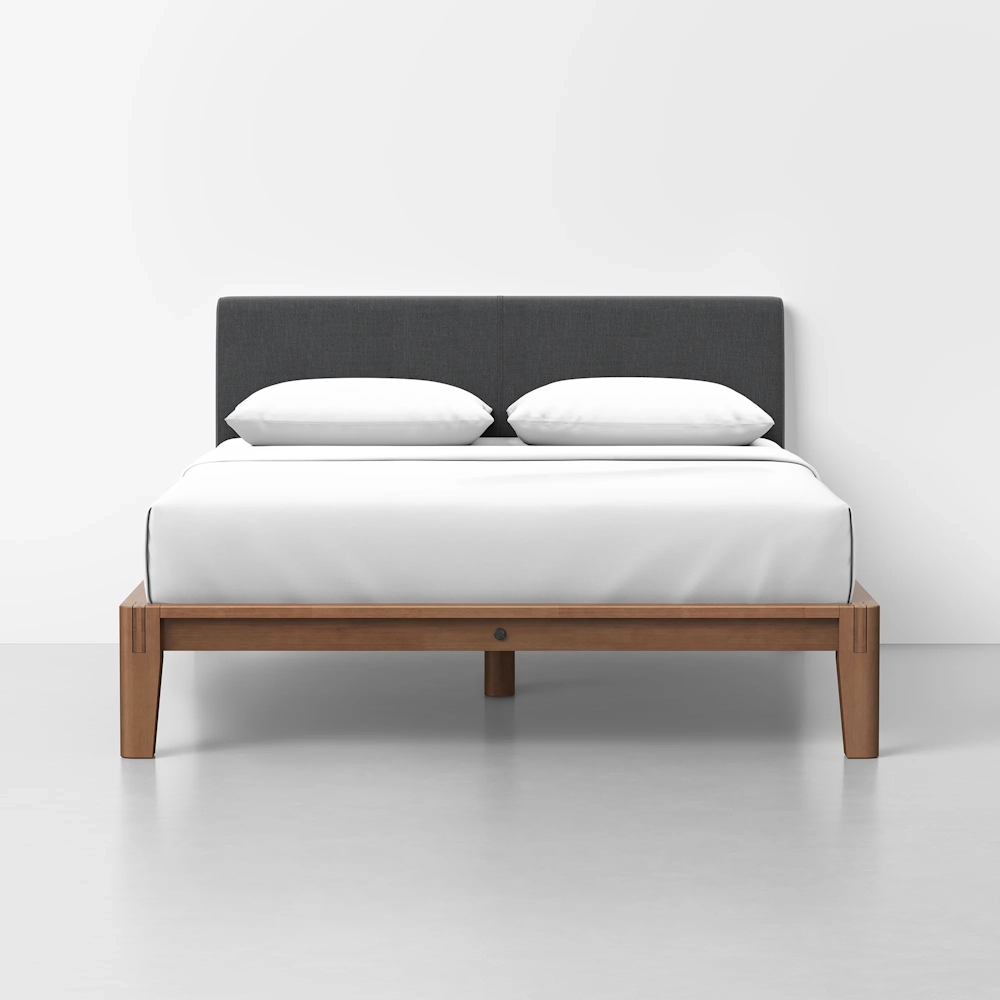
Thuma’s bed frames remain the clearest expression of the brand’s strengths. The Classic Bed is the most recognizable design, combining a low solid wood platform with visible joinery and a clean architectural profile. It can be paired with a cushioned PillowBoard for softness or a wood headboard for a more structured appearance. This flexibility helps the frame work in relaxed or more formal bedrooms.
The Essential Bed takes an even simpler approach. Its exterior appears smoother, with fewer visible interruptions. The low stance can make a room feel more open, although it may not suit people with limited mobility or buyers who want generous underbed clearance.
The Signature Bed adds upholstery and a stronger sense of enclosure while maintaining Thuma’s restrained proportions. It is better suited to customers who like the brand’s style but want a more cushioned focal point.
Across the range, platform construction removes the need for a box spring when paired with a compatible mattress. Slats provide support, while careful engineering helps reduce squeaking and movement. This benefits light sleepers and couples bothered by unstable frames.
The beds cost more than mass-market alternatives, but the value is easier to understand here than in some smaller accessories. Buyers receive solid wood, refined finishing, straightforward assembly, quiet performance, and a design that can remain visually relevant for years. For many customers, a bed frame will be the most logical and worthwhile entry point into the Thuma collection.
Mattresses and Bedding: A Coordinated Sleep System
Thuma’s mattress and bedding collections turn the company into a more complete sleep-focused brand. The Hybrid Mattress uses organic wool, memory foam, organic latex, and recycled steel coils. This layered construction aims to provide pressure relief without the excessively deep sink associated with some all-foam mattresses. The coils add responsiveness and structure, while foam and latex cushion the shoulders, hips, and lower back.
Multiple firmness choices are useful because mattress comfort is personal. Side sleepers often prefer more pressure relief, while back and stomach sleepers may need a firmer surface. Body weight and temperature sensitivity also influence comfort. Buyers should review the trial, return, and warranty terms rather than assuming that coordinated branding guarantees perfect comfort.
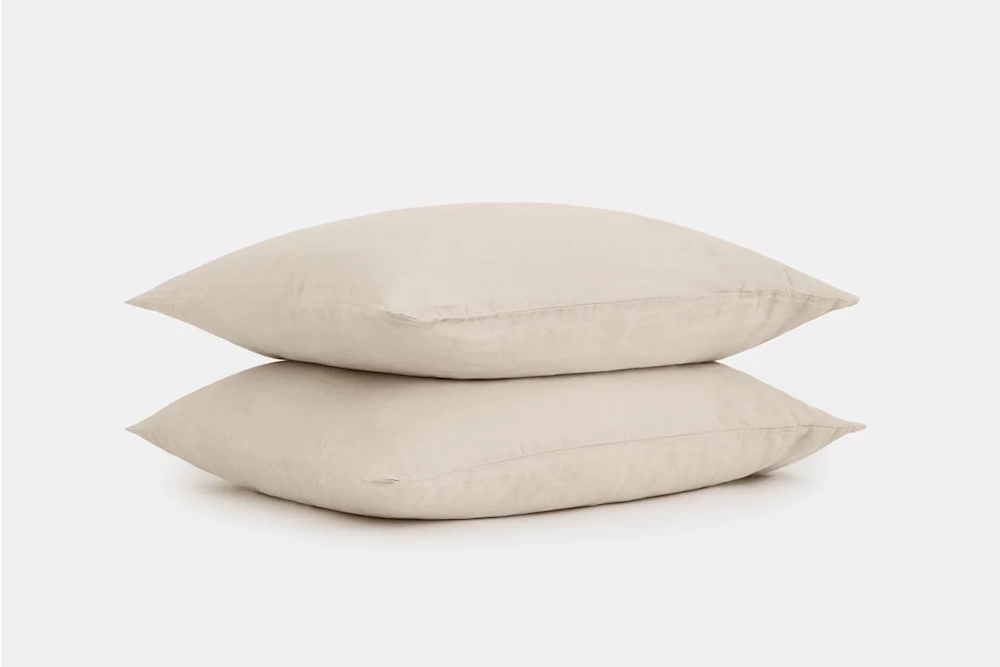
The bedding range includes European linen, cotton percale, quilts, duvet covers, pillowcases, and coordinated sets. Linen brings a relaxed texture and strong breathability, while percale offers a crisp, cool, matte feel. Both materials complement Thuma’s natural wood furniture and calm visual identity.
The main reason to buy Thuma bedding is coordination. Colors, textures, and proportions are designed to work with the beds and storage pieces. However, premium bedding is highly competitive, and specialist textile brands may offer similar materials at different prices.
The complete sleep system suits customers who want a unified look without matching every item themselves. Buyers who prefer to compare fabrics, construction methods, and prices across multiple brands may choose to purchase only the bed frame and source the remaining sleep products elsewhere.
Storage and Living Room Furniture: Beyond the Bedroom
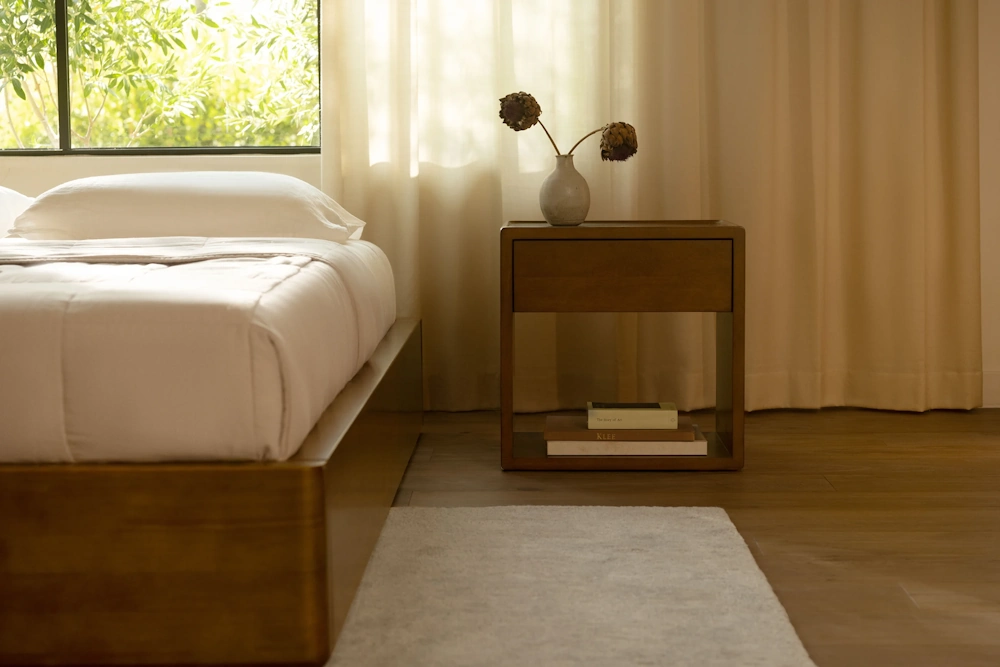
Thuma’s storage collection carries the same clean design language into nightstands, dressers, shelving, benches, and underbed organizers. The Classic Nightstand works naturally beside the brand’s low platform beds, providing a compact surface and enclosed storage without appearing heavy. Buyers who keep many items near the bed, however, may need something larger.
The Nest storage family introduces modularity. Drawers, shelves, and cubbies can be arranged in different configurations, making the system useful for changing needs and smaller homes. Modular furniture is also easier to move. Underbed drawers and felt bins use overlooked space, although compatibility and clearance should be checked before ordering.
Thuma’s living room collection includes sofas, sectionals, lounge chairs, ottomans, coffee tables, side tables, media storage, and shelving. Seating follows the same preference for broad forms, neutral upholstery, and restrained proportions. Modular sections can adapt to apartments, family rooms, or future homes, while removable or replaceable covers improve practicality in households with children or pets.
These pieces create continuity without making a home feel overly matched. They are simple enough to mix with vintage furniture, colorful art, sculptural lighting, or patterned textiles.
The limitation is capacity and drama. Thuma prioritizes visual balance over maximum storage, and its living room furniture may feel too reserved for buyers seeking bold statement pieces. The collection works best in spaces where calm proportions and material consistency are more important than decorative impact.
Assembly and Everyday Use: Convenience Built In
Assembly is one of Thuma’s most convincing advantages. Many furniture brands treat setup as an inconvenience buyers must tolerate. Thuma makes it part of the design. Bed components fit together through precise joinery, slats rest securely across the frame, and many connections require little or no specialized hardware. This reduces frustration and makes future disassembly easier.
The approach is especially useful for renters and frequent movers. A bed or modular sofa that separates into manageable sections is easier to transport through hallways, staircases, elevators, and narrow doors.
Easy assembly does not mean effortless delivery. Solid wood components can be heavy, and larger products may arrive in several boxes. Carrying them upstairs may still require two people. Buyers should measure entrances, review package dimensions, and understand delivery options before ordering.
Daily use also benefits from thoughtful details. Cushion-coated slats help limit noise and movement. Removable upholstery covers simplify cleaning. Modular storage adapts as needs change. Low profiles make rooms feel visually open, and matching accessories help control clutter.
The trade-offs depend on the household. Low beds may be uncomfortable for people with mobility concerns, compact nightstands may not hold enough, and light upholstery may require frequent care. Thuma performs best when buyers consider dimensions, height, storage, and maintenance alongside appearance.
The brand simplifies furniture ownership in meaningful ways, but customers still need to choose products that fit their physical needs, available space, and daily habits.
Sustainability: Specific Choices With Long-Term Value
Thuma’s sustainability efforts are most credible when connected directly to materials, packaging, and longevity. The use of upcycled rubberwood gives rubber trees a second purpose after they stop producing latex. This uses an existing agricultural resource and reduces demand for newly harvested wood. Selected products also use recycled PET, wool felt, responsibly sourced cardboard, and packaging without polystyrene foam.
Low-emission certification for rubberwood products adds value by addressing indoor air quality. This is especially relevant in bedrooms and other enclosed spaces. Certifications do not make a product impact-free, but they offer a clearer standard than broad environmental language.
Thuma also supports tree planting through One Tree Planted. Such partnerships should still be considered alongside the impact of manufacturing and shipping furniture.
The most meaningful sustainability benefit may be durability. A well-built bed or dresser that remains useful for many years can be more responsible than a cheaper item that loosens, breaks, or becomes undesirable quickly. Modular construction, replaceable covers, and designs that avoid short-lived trends can extend useful life.
Customers still play an important role. Its environmental value depends on long-term use and proper maintenance. Thuma provides a credible foundation through specific material and construction choices, but responsible consumption ultimately requires buying carefully and using the products for a long time.
Sustainability should not be judged by one material or partnership alone. Thuma’s broader combination of durability, thoughtful sourcing, lower-emission construction, and reduced packaging waste creates a more convincing environmental approach.
Pricing and Value: Premium but Understandable
Thuma’s prices place it well above mass-market furniture. A complete bedroom can require a substantial budget. The value question depends on whether the buyer prioritizes solid materials, quiet performance, easy assembly, and visual consistency.
The bed frames make the strongest case. They address problems common in cheaper furniture, including squeaking, unstable joints, difficult setup, and weak composite panels. Buyers tired of replacing inexpensive beds may prefer one substantial frame. Solid wood, refined finishing, supportive slats, and easy disassembly create clear functional value.
The calculation becomes less obvious with bedding, rugs, lighting, and small accessories. These products coordinate well, but specialist brands offer strong alternatives. In these categories, convenience and aesthetic consistency account for a larger share of the price.
Return policies, warranties, delivery fees, and trial periods should be checked before purchasing. Large-item returns can be difficult even when accepted, particularly after the original packaging has been discarded.
Thuma offers the best value to customers who plan to keep their furniture, prefer understated design, and dislike complicated assembly. It offers less value to frequent redecorators or shoppers seeking maximum storage at the lowest price.
The cost is high, but it reflects a coherent premium experience rather than branding alone. For buyers who prioritize durability and setup convenience, that premium may become easier to justify over a longer ownership period. The strongest products provide meaningful functional benefits instead of relying only on attractive photography or minimalist styling.
Pros and Cons
Pros
Cons
Final Verdict: Is Thuma Worth It?
Thuma succeeds by combining appearance, construction, and convenience. The furniture is more refined than typical flat-pack products, easier to assemble than many traditional solid wood pieces, and broad enough to support a complete bedroom or living space. Its strength comes from proportion, material quality, careful engineering, and everyday usability rather than dramatic styling.
The bed frames remain the standout products. They offer the clearest balance of solid construction, quiet performance, simple setup, and lasting design. Storage and living room pieces are convincing extensions for customers who value modularity and consistency. Mattresses and bedding make the shopping experience more complete, although these categories deserve comparison with specialist brands.
Thuma is best for buyers who appreciate natural materials, understated interiors, and furniture intended for long-term use. It also suits people who move and want furniture that disassembles easily. The brand is less suitable for budget-first shoppers, maximalist decorators, or households needing the greatest possible storage capacity.
The premium price requires careful consideration, but the strongest products provide clear benefits beyond appearance. Thuma furniture supports daily routines, reduces clutter, and remains useful after redecorating excitement fades.
For customers seeking modern furniture with solid construction, a calm identity, and practical ownership benefits, Thuma is a strong and credible choice for a thoughtfully furnished home.