
Biba Review: Professional Skincare Built Around Acne, Barrier Repair, and Real Skin Health

Biba Los Angeles is a professional-grade skincare brand built for people who want results without treating the skin like an enemy. The line focuses on acne care, hydration, anti-aging support, barrier repair, and sensitive skin maintenance, but its deeper strength is how these categories work together. Instead of separating breakouts from dehydration, or anti-aging from irritation, Biba treats the skin as a connected system. That matters because many people with acne-prone or reactive skin do not simply need stronger products. They need smarter routines.
The brand was founded by Biba de Sousa, a celebrity esthetician known for working with complex skin concerns through a treatment-room lens. Her approach favors skin analysis, controlled exfoliation, barrier awareness, and consistent maintenance. This makes the brand especially relevant for customers who have tried harsh acne kits, overused acids, or cycled through trendy products that leave the skin tight, shiny, inflamed, or unpredictable.
Biba’s products have a clinical feel, but not a cold one. The collection is premium, practical, and highly routine-focused. Cleansers, toners, masks, serums, moisturizers, and acne treatments are designed to fit into structured regimens rather than random one-product experiments. The overall philosophy is simple: clearer, smoother, calmer skin comes from balance, not punishment. For acne-prone, dehydrated, sensitive, or aging skin, that distinction is important. Biba is best understood as a professional skincare line for people who want treatment-level thinking at home, especially when the skin needs correction and restraint at the same time.

Brand Background and Founder Expertise
Biba Los Angeles carries the imprint of its founder very clearly. Biba de Sousa is not simply a name attached to a beauty label. The brand reflects the kind of thinking that comes from working directly with real clients, unpredictable skin behavior, and long-term treatment plans. That gives the line a more disciplined identity than many skincare brands that chase single ingredients or viral product categories. Biba’s formulations are shaped around what happens when skin is congested, inflamed, stripped, dehydrated, or over-treated.
The brand’s strongest authority comes from this professional background. A treatment room does not allow for fantasy skincare. If a product is too aggressive, the skin reacts. If a cleanser strips too much, the barrier weakens. If a moisturizer is too rich for acne-prone skin, congestion can worsen. If an anti-aging serum is too active for sensitive skin, irritation may cancel out the benefit. Biba’s product direction understands those tradeoffs. It speaks to customers who want visible improvement, but not at the cost of long-term skin stability.
The Meta Facial philosophy also gives the brand a more complete framework. Biba’s approach considers acne, dehydration, inflammation, congestion, sensitivity, and aging as overlapping concerns. This is why the collection includes acne-targeted products alongside barrier-supporting toners, peptide serums, gentle retinoids, and moisturizers for different skin needs. The result is not a random assortment of formulas. It is a system. That system will appeal most to customers who want a routine that feels guided, professional, and corrective without becoming extreme.
Product Range and Core Skin Concerns
Biba Los Angeles covers the major categories expected from a complete skincare routine: cleansers, toners, serums, moisturizers, masks, acne treatments, bundles, and select tools or lifestyle products. The line is not enormous, which works in its favor. Rather than overwhelming customers with countless versions of the same product, Biba keeps the range focused on skin concerns that often overlap in real life. Acne, dehydration, sensitivity, oiliness, dullness, uneven texture, fine lines, and barrier weakness all receive attention.
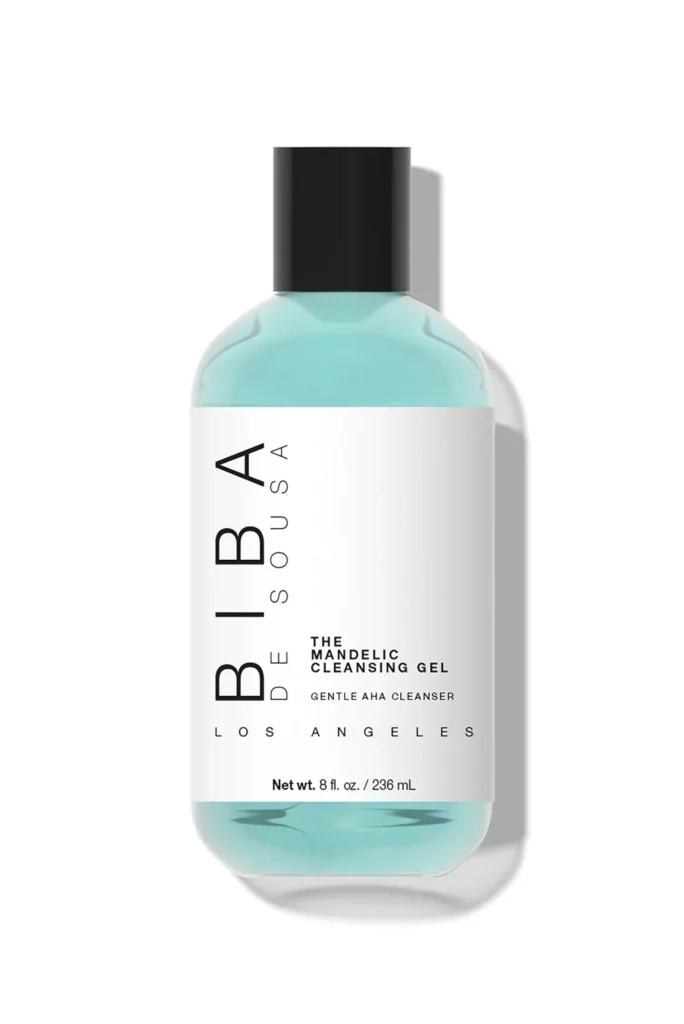
The cleanser category is especially important because Biba’s approach does not rely on harsh cleansing to create a temporary feeling of clarity. Products such as The Mandelic Cleansing Gel are built around controlled exfoliation, making them useful for skin that needs help with congestion and texture but cannot tolerate aggressive resurfacing. The toner category supports hydration and comfort, especially for skin that feels tight, reactive, or imbalanced after cleansing. This step is not treated as decorative. It is treated as part of skin stability.
The serum range brings in more advanced concerns. The Plant Stem Cell Serum with Peptides supports hydration, resilience, texture, and elasticity. The Meta C Serum targets brightness and antioxidant support. The Retinol Meta Concentrate addresses tone, texture, and fine lines with a more tolerable retinoid approach. Moisturizers are also separated by skin need. The Daily Moisturizer serves acne-prone, combination, normal, and oily skin that needs hydration without heaviness, while The Onerta Cream Barrier gives richer support to dry, depleted, sensitized, or compromised skin.
This product architecture is one of the brand’s strengths. It recognizes that oily skin can still be dehydrated, acne-prone skin can still need moisture, and aging skin can still be sensitive. That makes Biba particularly strong for customers who do not fit neatly into one skincare label.
Acne Care and Breakout Support
Acne care is one of Biba’s clearest strengths. The brand understands that acne-prone skin is often pushed too hard. Many acne routines still depend on stripping cleansers, strong actives, drying masks, and repeated spot treatments that leave the skin inflamed. That can create a frustrating cycle: the skin looks oily, feels dry, breaks out again, and becomes harder to calm. Biba’s acne philosophy is more controlled. It focuses on reducing congestion and active breakouts while protecting the skin’s ability to recover.
The Mandelic Cleansing Gel is a good example of this approach. Mandelic acid is an AHA known for gentler exfoliation compared with stronger, faster-penetrating acids. In cleanser form, it can support smoother texture and clearer-looking pores without the same harshness associated with aggressive exfoliating routines. This makes it especially useful for sensitive or reactive acne-prone skin that needs clarity but cannot tolerate constant irritation.
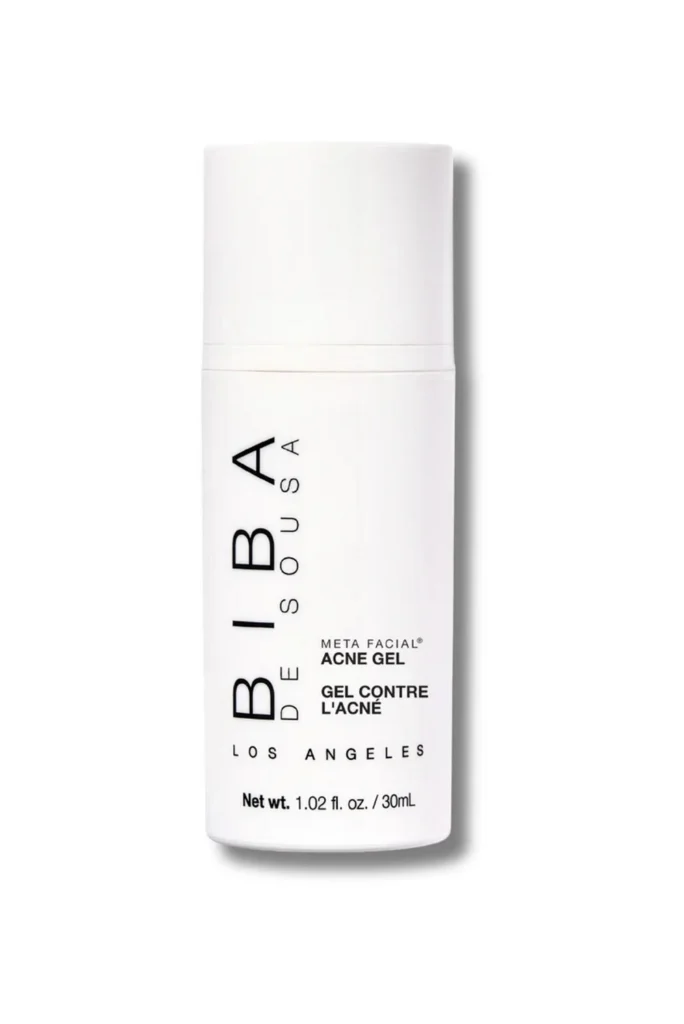
The Acne Gel adds more targeted breakout control through benzoyl peroxide. This ingredient is widely used in acne care because it helps reduce acne-causing bacteria and active blemishes. Biba’s version uses a controlled treatment format rather than encouraging excessive application. That matters because benzoyl peroxide can be effective, but overuse may lead to dryness, peeling, and barrier stress.
The Zinc Mask with Goji Berry Prebiotic supports another side of acne care: purification without over-drying. Zinc and mineral clays help absorb excess oil and refine the look of congestion, while the formula avoids the overly tight finish that many clay masks leave behind. Together, these acne-focused products make Biba a strong option for people who need breakout control but are tired of routines that punish the skin.
Barrier Repair, Hydration, and Sensitive Skin Support
Barrier care is central to Biba Los Angeles. This is one of the main reasons the brand feels more sophisticated than basic acne or anti-aging lines. A healthy skin barrier helps the skin hold moisture, tolerate active ingredients, recover from stress, and remain less reactive. When the barrier is compromised, almost everything becomes harder. Acne treatments sting. Retinoids cause flaking. Vitamin C feels irritating. Moisturizer sits on top instead of helping. Skin can look oily and dehydrated at the same time.
The Hydrating Toner is one of the most useful products in this barrier-conscious system. It is designed for dehydrated, sensitive, or imbalanced skin, using humectants and conditioning ingredients to replenish water content and improve comfort. This kind of toner is different from older astringent-style formulas that remove oil until the skin feels squeaky. Biba’s toner supports hydration retention, improves the feel of tight skin, and prepares the face for serums and moisturizers.
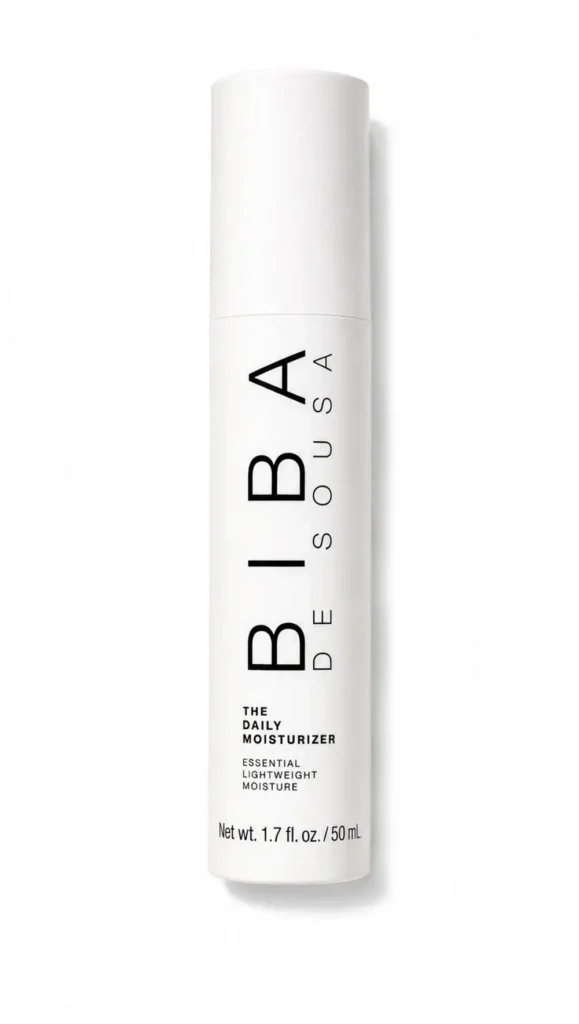
The Daily Moisturizer fills another important role. Acne-prone customers often avoid moisturizers because they fear clogged pores, but dehydration can make acne routines less tolerable. A lightweight, non-comedogenic moisturizer allows the skin to stay comfortable while using exfoliants, benzoyl peroxide, vitamin C, or retinoids. It also works better for oily and combination skin than a heavy cream would.
For skin that needs more repair, The Onerta Cream Barrier offers a richer option. It is best suited for dry, sensitized, depleted, or over-treated skin that needs lipid support and moisture retention. The distinction between these two moisturizers is smart. Biba does not assume every barrier concern requires the same texture. Some skin needs breathable hydration. Some skin needs richer repair. That practical separation makes routine building easier and more precise.
Anti-Aging, Texture, Tone, and Long-Term Skin Resilience
Biba’s anti-aging approach is not built around harsh correction. It is built around resilience. This is important because many anti-aging routines rely on strong retinoids, acidic exfoliation, and brightening products that can create visible improvement while also increasing dryness, sensitivity, and inflammation. Biba takes a more measured route, making the anti-aging category feel accessible to people whose skin cannot tolerate aggressive formulas.
The Retinol Meta Concentrate reflects this philosophy well. Rather than pushing the skin with a highly irritating retinoid routine, it uses a controlled renewal approach designed to refine texture, improve uneven tone, and soften the look of fine lines over time. The inclusion of supportive ingredients such as niacinamide, peptides, and hydration-focused components helps make the product more suitable for skin that needs renewal without constant discomfort. It is not the type of retinoid product that encourages users to peel their way into results. It favors consistency.
The Meta C Serum addresses brightness, tone, and antioxidant support. Vitamin C can be difficult for sensitive or acne-prone skin, especially when formulas are unstable or overly intense. Biba’s version uses a multi-form vitamin C approach to support radiance and skin tone while remaining compatible with a structured routine. This makes it attractive for customers who want a brighter complexion but dislike the stinging, stickiness, or instability of some vitamin C products.
The Plant Stem Cell Serum with Peptides supports the anti-aging category from another angle. It focuses on hydration, elasticity, texture, and overall skin stability. This is not a dramatic resurfacing product. It is a support serum, and that is its value. When skin is hydrated and more resilient, fine lines can look softer, texture can appear smoother, and active treatments are often easier to tolerate. Biba’s anti-aging strength lies in this balance between visible refinement and skin preservation.
Ingredients, Formulation Style, and Routine Philosophy
Biba Los Angeles uses ingredients in a way that feels deliberate rather than trend-driven. The brand includes familiar clinical and cosmetic skincare ingredients such as mandelic acid, benzoyl peroxide, zinc, peptides, hyaluronic acid, niacinamide, vitamin C, retinoid derivatives, humectants, botanical extracts, and lipid-supporting moisturizers. The point is not novelty for its own sake. The point is compatibility, tolerance, and intelligent routine design.
This is where Biba separates itself from many premium skincare brands. Some luxury lines rely heavily on texture, scent, packaging, or vague claims about glow. Biba’s appeal is more functional. The products are made to solve common routine problems: how to exfoliate without stripping, how to treat acne without wrecking the barrier, how to hydrate oily skin, how to use vitamin C without irritation, how to approach retinoids when the skin is reactive, and how to repair dryness caused by over-treatment.
The brand’s routine philosophy also rewards restraint. It does not encourage customers to layer every active every night. Instead, the line supports a more thoughtful structure: cleanse, hydrate, treat, moisturize, and protect during the day with sunscreen. That type of routine may sound simple, but simplicity is often what damaged or breakout-prone skin needs most. The difference lies in choosing the right formulas for each step.
Biba is especially strong for customers who need their products to work together. A hydrating toner can support retinoid use. A lightweight moisturizer can make acne treatments more tolerable. A peptide serum can stabilize a routine that includes vitamin C or exfoliation. A zinc mask can clarify without forcing the skin into dryness. This interconnected design gives the brand a professional feel and makes it easier to build a routine that improves skin behavior over time.
Customer Experience, Pricing, and Overall Value
Biba Los Angeles sits firmly in the premium skincare category. The prices are higher than drugstore acne products and many mid-range skincare lines, but the value comes from formulation purpose, founder expertise, and routine logic. This is not the cheapest route to cleanser, moisturizer, or serum. It is better suited for customers who are willing to invest in a more professional, treatment-informed routine, especially if they have spent money on products that failed because they were too harsh, too rich, too fragranced, or poorly matched to their skin.
The customer experience is built around guidance. The brand organizes products by category and concern, which helps shoppers choose based on acne, oily skin, dry skin, redness, sensitivity, dehydration, hyperpigmentation, fine lines, or barrier support. This is useful because many Biba customers are likely dealing with more than one concern at once. A person may have adult acne, dehydration, and sensitivity. Another may have fine lines, congestion, and barrier damage from overusing actives. Concern-based navigation makes the line easier to understand.
Bundles also strengthen the value proposition. For customers who do not want to assemble a routine one product at a time, kits and duos can offer a more complete path. Acne starter routines, hydration bundles, and clarifying systems help reduce guesswork. This is particularly helpful for customers who have become overwhelmed by skincare advice.
The main limitation is accessibility. Premium pricing can be a barrier, especially for customers who need multiple products to build a complete routine. Some products are also highly specific, which means users need to understand their skin type and tolerance level. Still, for the right customer, Biba offers value through precision. It is most worthwhile for people who want professional skincare thinking, not just attractive packaging or isolated hero ingredients.
Pros and Cons
Pros
Cons
Final Verdict: Is Biba Worth It?
Biba Los Angeles is worth considering for customers who want professional skincare that respects the skin barrier while still addressing visible concerns. Its strongest audience includes people with acne-prone, sensitive, reactive, dehydrated, congested, or over-treated skin. It is also a strong fit for customers who want anti-aging support but cannot tolerate harsh retinoids, aggressive acids, or overly active routines.
The brand’s greatest strength is its balance. Biba does not treat acne care as drying the skin into submission. It does not treat anti-aging as forcing constant turnover. It does not treat hydration as simply adding a heavy cream. Instead, the line approaches skin as a responsive organ that needs structure, support, and correction in the right measure. That makes the products especially useful for people whose skin has become unpredictable from years of trial-and-error routines.
The Mandelic Cleansing Gel, Hydrating Toner, Daily Moisturizer, Zinc Mask with Goji Berry Prebiotic, Plant Stem Cell Serum with Peptides, Meta C Serum, Acne Gel, Retinol Meta Concentrate, and Onerta Cream Barrier all reflect a consistent philosophy. Each product solves a specific problem while fitting into a larger routine. That cohesion gives the brand a level of authority many skincare lines lack.
Biba is not the best choice for shoppers who want the lowest possible price or a highly fragranced spa-like experience. It is better for customers who value professional-grade formulas, acne-conscious product design, and barrier-aware routines. For skin that needs both results and restraint, Biba Los Angeles offers a polished, intelligent, and highly credible approach to modern skincare.