
Dutch Review: A Modern Pet Telehealth Brand Bringing Veterinary Care and Prescriptions Home

Dutch is a veterinary telehealth brand built around one clear idea: many everyday pet health concerns do not need the friction, delay, and stress of a traditional in-person clinic visit. Instead of asking pet owners to call around for openings, drive across town, sit in a waiting room, and then make a second stop for medication, Dutch combines online vet access with a pharmacy and home delivery model for dogs and cats. The result is a service that feels designed for real household routines, not just ideal circumstances.
At its core, Dutch connects pet owners with licensed veterinarians through video chat and messaging. The service focuses on common physical and behavioral concerns, and the company says its vets can help with more than 150 issues while treating over 90 percent of cases virtually. That is a meaningful claim because it defines the brand’s lane very clearly. Dutch is not trying to replace emergency medicine or every kind of hands-on veterinary care. It is building around the large middle ground where convenience, speed, and continuity matter most.
The product side of the brand is also broader than a casual first glance might suggest. Dutch does not only offer appointments. It also runs an online pet pharmacy with medications and care products for dogs and cats, covering areas such as flea and tick, allergy, anxiety, urinary health, ear health, digestive health, skin care, dental health, and more. The dog section also includes categories such as food and supplements, joint treatments, preventive medicine, and test kits. That range makes the brand feel less like a single-service telemedicine startup and more like a connected pet care platform.
Another important part of the Dutch model is accessibility. The site promotes 24/7 care, unlimited vet calls and messaging on plans, free shipping, and coverage for up to five pets on membership plans. Those are practical selling points, not just marketing flourishes. They speak to the kinds of issues that shape real purchase decisions, including household budgets, multi-pet needs, recurring questions, and the desire to avoid surprise charges for every follow-up.
What makes Dutch notable is not simply that it sells pet medications online. Many brands do that. What makes it distinctive is that the veterinary consultation, prescription pathway, and fulfillment process are integrated into one experience. For pet owners who want faster help for routine concerns and a more streamlined care journey, Dutch stands out as a strong digital-first option in the pet health space.

How the Dutch Care Model Works and Why It Feels Different
Dutch has built its brand around a care flow that is simple enough to understand quickly and practical enough to fit into ordinary life. The process begins with membership, then moves into scheduling or accessing a virtual veterinary consultation, and finally into treatment planning and medication delivery if appropriate. This matters because convenience in telehealth is not just about putting a video call online. It is about reducing the number of disconnected steps between concern, consultation, prescription, and treatment. Dutch handles that sequence cleanly.
During a visit, Dutch says one of its vets will discuss the symptoms a pet is experiencing, ask questions, review medical history if provided, look at the pet on camera, and may request simple checks or ask for uploaded photos and videos when needed. That gives the service a more clinical feel than a casual advice chat. It suggests a process built to gather enough relevant information to make remote care useful, not just reassuring. For non-emergency issues, that structure is important because it helps establish confidence that the consultation is doing real work.
The site also emphasizes short video visits, including ten-minute calls for certain treatment paths, plus scheduling options that include nights and weekends. For many pet owners, that alone will be one of the strongest points in Dutch’s favor. Traditional veterinary access can be difficult even in well-served areas. Add work schedules, transportation issues, anxious pets, or multi-pet households, and routine care suddenly becomes a logistical problem. Dutch is clearly built to remove that burden.
After the consultation, the treatment path continues inside the same ecosystem. If a prescription is appropriate and allowed in the customer’s state, the vet can prescribe through the platform, the medication is routed through Dutch’s pharmacy, and the order is delivered to the customer with free shipping. That continuity is one of Dutch’s biggest strengths. The appointment is not separated from the transaction. The advice is not separated from access. The service moves directly from care decision to fulfillment.
There is also a continuity layer built into the membership itself. Dutch includes unlimited follow-up access through messaging and video calls on membership plans. That makes the brand especially appealing for issues that require observation over time, minor treatment adjustments, or reassurance during recovery. In practical terms, it lowers the barrier to asking another question. That often improves adherence because pet owners are more likely to stay engaged when follow-up feels easy rather than expensive or inconvenient.
The result is a care model that feels more like an ongoing service relationship than a one-time purchase. That is a strong fit for pet healthcare, where small concerns, recurring symptoms, and maintenance questions rarely happen on a perfectly convenient schedule.
Product Range and Service Categories for Dogs and Cats
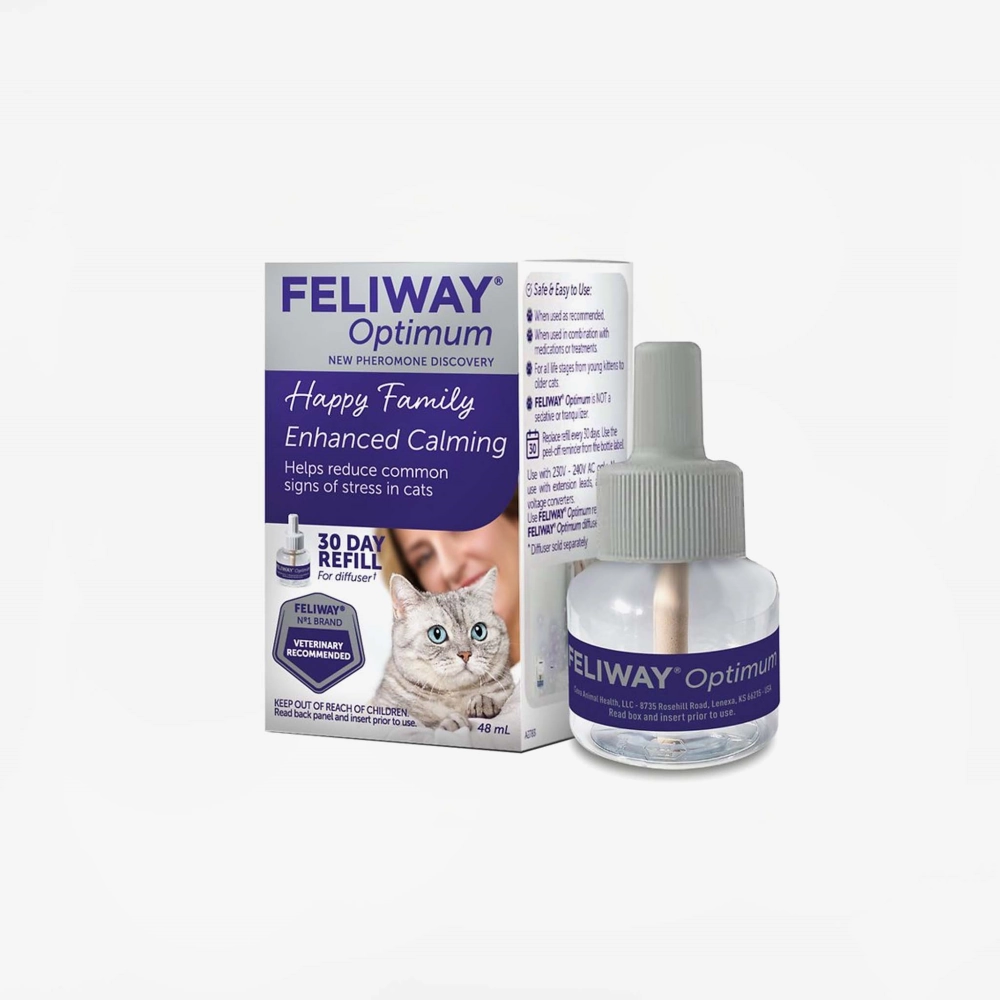
Dutch is strongest when viewed not as a single telehealth appointment brand, but as a broad pet wellness platform with a well-defined range of common treatment categories. The catalog reflects that. For both dogs and cats, Dutch offers pharmacy access across categories such as flea and tick, allergy, anxiety, urinary health, ear health, digestive health, skin care, and dental health. These are not fringe concerns. They are some of the most common reasons pet owners look for veterinary help in the first place. By centering the brand on these frequent issues, Dutch stays aligned with the needs that drive repeat use.
The dog assortment appears broader still. In addition to the main condition-based categories, Dutch’s dog pharmacy includes food and supplements, joint treatments, preventive medicine, and test kits. That extra depth makes the dog side of the site feel especially comprehensive. It also suggests that Dutch understands a core reality of pet care: owners often do not want only a medication. They want a system. They want prevention, maintenance, symptom management, and convenience in one place. Dutch comes closer to that than a narrow online prescription service would.
For cats, the categories remain highly relevant and practical. Anxiety, urinary health, flea and tick, allergy, ear health, digestive health, skin care, and dental health cover many of the issues that cat owners struggle to address efficiently, especially when clinic trips are stressful for both pet and owner. The inclusion of grooming supplies and a fuller pharmacy framework for feline care strengthens Dutch’s usefulness for cat households, which often need solutions that minimize disruption.
Flea and tick care illustrates the Dutch approach well. The brand combines telemedicine, prescribing capability where allowed, and direct-to-door fulfillment. That is a strong operational model for a category where speed and consistency matter. Allergy treatment is another area where Dutch appears especially compelling. The company highlights online care for itching and allergy support, and one of its dedicated pages says its vets can treat 93 percent of allergy issues. Even aside from the percentage, the broader point is persuasive: allergy concerns are frequent, frustrating, and often require both assessment and follow-through. Dutch is built for exactly that type of problem.
Anxiety is another notable category because it shows Dutch is not limited to obvious physical complaints. The company addresses behavioral health as part of its care model, which adds meaningful breadth to the brand. Many pet owners are not only dealing with skin irritation, parasites, or digestive issues. They are dealing with stress behaviors, situational anxiety, and quality-of-life concerns that still need veterinary guidance. Dutch’s science-backed language around everyday physical and behavioral issues gives the brand added credibility here.
Overall, the product range feels intentionally selected rather than random. It covers the categories most likely to benefit from a remote-first, prescription-enabled, follow-up-friendly model. That makes Dutch’s catalog coherent, not cluttered.
Membership, Pricing Structure, and Overall Value
Dutch’s value story depends heavily on its membership model, and that model is central to how the brand should be evaluated. According to the company’s plan information, memberships start at $11 per month, with options to pay upfront or in four installments. All plans include access for up to five pets, unlimited video calls and messaging with vets, and free standard shipping. Medication costs are separate from membership. This is an important distinction because it keeps expectations realistic. The membership buys access and continuity, while prescriptions and products remain additional purchases when needed.
From a value perspective, Dutch makes the most sense for households that are likely to use the service more than once. A single-pet owner with very occasional needs may still appreciate the convenience, but multi-pet families, owners of pets with recurring issues, and those who prefer easy follow-up communication are likely to see the strongest return. Covering up to five pets under one plan is not a minor feature. It changes the economic logic of the service and makes Dutch far more attractive for busy homes where health questions tend to come in clusters rather than one isolated event at a time.
Unlimited calls and messaging are also significant because they reduce the hesitation that often comes with traditional fee-for-visit structures. When every question can trigger another office charge, pet owners may delay follow-up or try to manage uncertainty on their own. Dutch’s model encourages continued engagement instead. That can improve customer satisfaction, but it can also improve practical care. A service becomes more useful when it is easy to return to it.
The free shipping component adds another layer of value because it keeps the pharmacy side of the experience consistent with the convenience promise of the care side. There is little point in making the consultation easy if the fulfillment process feels costly or cumbersome. Dutch seems to understand that the experience has to work end to end. Shipping may sound like a small operational detail, but in subscription-style pet care, small frictions accumulate quickly. Removing them matters.
One additional point worth noting is that Dutch offers an Annual + Insurance plan that includes $10,000 of emergency insurance. That does not turn Dutch into a full insurance-first pet health brand, but it shows the company is thinking more broadly about how pet owners evaluate risk and cost. It widens the brand’s appeal beyond routine care and gives some customers another reason to see Dutch as part of a long-term pet wellness strategy rather than a one-off convenience tool.
Taken together, Dutch’s pricing structure feels smart rather than flashy. It is built around predictable access, recurring usefulness, and a practical definition of value. The membership is not merely a pass to book an appointment. It is the foundation of the brand’s relationship with the customer.
Where Dutch Excels Most in Everyday Pet Care
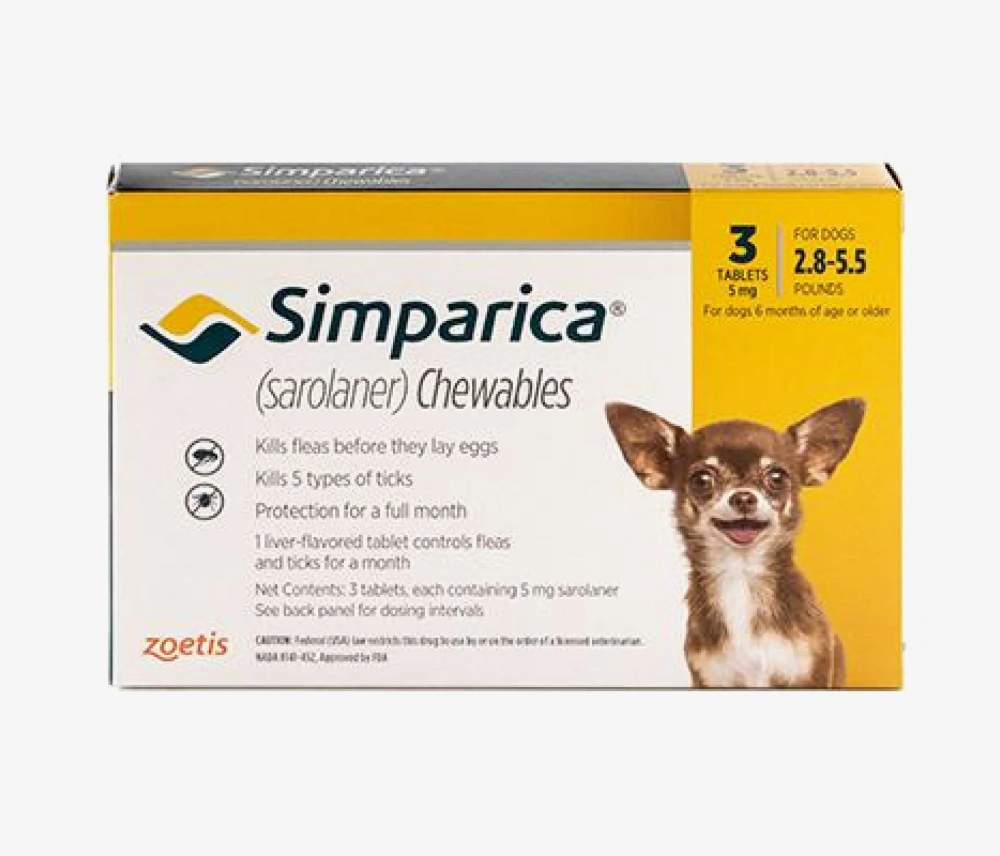
Dutch is at its best when it is solving the ordinary but urgent realities of pet ownership. This includes the dog that develops a skin flare-up on a weekend, the cat with a recurring urinary concern, the pet with a behavioral issue that needs veterinary input, or the household that simply cannot spend half a day navigating a clinic appointment for a manageable condition. Dutch’s promise is strongest in these moments because it combines speed, accessibility, and a clearly organized treatment pathway.
The platform’s 24/7 care positioning is one of its biggest practical advantages. Health concerns do not arrive on a convenient weekday schedule. The same goes for owner anxiety. When a service offers around-the-clock access and emphasizes nights and weekends, it becomes much more useful than a standard business-hours support option. Dutch is not selling convenience in the abstract. It is addressing time pressure, uncertainty, and the emotional stress that comes with trying to decide what a symptom means.
Another major strength is the focus on common conditions that lend themselves well to telemedicine. Allergy issues, itching, flea and tick care, anxiety, ear health, digestive complaints, and other everyday concerns are areas where pet owners often want help quickly and clearly. Dutch does not need to win every category in veterinary medicine to be compelling. It only needs to be excellent at the categories people deal with often. Based on the way the site is structured, that appears to be exactly the strategy.
The integrated prescription and pharmacy experience is another standout advantage. Traditional pet care often involves multiple handoffs. First the appointment, then the prescription, then a pharmacy search, then fulfillment. Dutch reduces that chain dramatically. This is especially important for treatment adherence. When the path from diagnosis to medication is smooth, people are more likely to follow through quickly. That is good for the customer experience, but it is also good for pet health outcomes in everyday cases.
The service also works well for owners who want an ongoing relationship rather than isolated transactions. Unlimited follow-ups through messaging and video calls encourage continuity. That matters because pet health rarely unfolds in neat, single-visit stories. Symptoms change. Reactions vary. Questions appear after the first treatment step. Dutch’s structure is well suited to that reality.
Finally, Dutch stands out because it treats convenience as part of quality, not as a separate bonus. That is a smart philosophy. In pet care, a good solution that is difficult to access is often functionally less useful than a very good solution that is easy to act on. Dutch understands that, and it shapes nearly every part of the brand.

Limitations and What Shoppers Should Understand Before Joining
Dutch has clear strengths, but it also has equally clear boundaries, and those boundaries matter. The first and most obvious limitation is that virtual care is not appropriate for every problem. Dutch itself frames the service around cases that can be handled remotely, which means pet owners still need to understand when an in-person veterinarian or emergency clinic is the right choice. That does not weaken the brand. It simply places it in the correct part of the care landscape. Dutch works best as a strong solution for everyday and many recurring issues, not as a universal replacement for all veterinary medicine.
A second limitation is prescription availability by state. Dutch’s help materials note that virtual prescribing depends on state rules. If a customer lives in a state that permits virtual prescribing, the platform can connect them with a veterinarian licensed in that state who may prescribe medication if needed. That means the experience can vary depending on geography. For shoppers, this is a practical detail worth checking early. A telehealth brand can only feel seamless when its regulatory environment supports the full model.
The membership model also requires the right expectations. While the starting monthly price is accessible, the cost of medication is separate. That is reasonable and transparent, but customers should still understand that the membership is the access layer, not an all-inclusive treatment bundle. The service is likely to feel like a stronger value for customers who anticipate real use across multiple questions, follow-ups, or multiple pets than for those seeking a single isolated interaction with no future need.
Another consideration is species focus. Dutch specializes in dogs and cats only. That specialization is actually a strength in terms of service clarity, but it does mean households with birds, rabbits, reptiles, or other pets will need another solution. Consumers who prefer one platform for every animal in the household may find that limiting. Customers focused specifically on canine and feline care, however, are likely to see this specialization as a benefit rather than a drawback.
It is also worth recognizing that some pet owners simply want the reassurance of hands-on physical examination from the beginning. For them, even a strong remote platform may feel like a second choice rather than a first one. Dutch is best understood as a highly useful format for the right cases, not a one-size-fits-all emotional answer to how every owner feels about care delivery. That is normal for telehealth in any category.
In short, Dutch is impressive when used as intended. The potential disappointment comes not from the model itself, but from expecting it to do things it is not built to do. Customers who understand the scope are much more likely to see the brand’s strengths clearly.
Pros and Cons
Pros
Cons
Final Thoughts on Dutch as a Pet Telehealth and Pharmacy Brand
Dutch is a strong example of what modern pet care can look like when digital access, veterinary consultation, and home delivery are combined into one system. The brand’s biggest achievement is not merely that it brings vet care online. It is that it organizes the entire customer experience around simplicity and usefulness. From the first question about symptoms to the follow-up conversation after treatment begins, Dutch is built to keep the process moving. That matters more than ever in a category where time, stress, and uncertainty often make even routine care feel difficult.
The service is especially compelling for dog and cat owners dealing with common conditions, recurring concerns, or a need for convenient follow-up access. The company’s range across allergy, anxiety, flea and tick, urinary health, digestive health, ear health, skin care, and dental care gives the platform broad relevance. Add unlimited vet calls and messaging, free shipping, and coverage for up to five pets, and Dutch becomes more than an online appointment option. It starts to look like a practical care membership for the realities of everyday pet ownership.
The brand also benefits from having a focused identity. Dutch is not trying to be everything to every pet owner. It is focused on dogs and cats. It is focused on the kinds of issues that frequently fit a telemedicine model. It is focused on access, continuity, and fulfillment. That focus gives the brand coherence. The site categories, plan structure, and service promises all reinforce the same message: fast, repeatable, convenient veterinary support for everyday care.
Of course, no responsible review would suggest that telehealth erases the need for physical veterinary care. It does not. Emergencies, certain diagnostics, and hands-on examinations remain essential parts of pet medicine. But that is not the standard Dutch should be judged against. The right question is whether Dutch offers meaningful value in the large category of issues that can be handled remotely and benefit from a connected pharmacy experience. On that measure, the brand makes a very strong case for itself.
For pet owners who want less friction, quicker access, better continuity, and a more modern route to common treatments for dogs and cats, Dutch is a brand worth serious consideration. It reflects a broader shift in consumer expectations, but it also earns attention on its own terms. It is useful, well organized, and highly relevant to the way many people actually manage pet care today.