
Forkful Review: Fresh, Fully Cooked Meals Built for Busy People Who Still Want Better Food

Forkful is a prepared meal delivery brand made for people who want the convenience of ready-to-eat food without relying on takeout, frozen dinners, or last-minute grocery runs. Its core appeal is simple. The meals arrive fully cooked, fresh, and portioned for easy reheating. Instead of sending raw ingredients and recipe cards, Forkful handles the planning, cooking, shopping, and cleanup before the box reaches the customer’s door. That makes it a strong fit for professionals, parents, students, fitness-focused eaters, and anyone who wants to eat more intentionally but does not always have the time or energy to cook from scratch.
The brand stands out in the prepared meal category because it leans into a health-conscious identity. Forkful focuses on chef-cooked meals made with all-natural ingredients, seed oil-free recipes, and dietary filters that help customers choose meals based on their goals. The service is not trying to recreate the experience of a restaurant tasting menu. It is built around practical everyday eating. Meals are meant to be fast, filling, and easier to fit into a routine than cooking every lunch and dinner at home.
That practicality is what gives Forkful its strongest value. The brand understands that many people do not need a complicated culinary experience every night. They need a balanced meal that is ready quickly, tastes satisfying, and keeps them from ordering something less nutritious out of convenience. Forkful succeeds when judged through that lens. It is a service for real life, not just special occasions.

How Forkful Works
Forkful follows a straightforward prepared meal delivery model. Customers choose meals from a rotating menu, select the quantity that matches their weekly needs, and receive fresh meals delivered in insulated packaging. Once the meals arrive, they can be stored in the refrigerator and reheated when needed. The process removes the steps that often make healthy eating difficult, including planning recipes, buying ingredients, preparing protein, cleaning pans, and managing leftovers.
This approach makes Forkful different from traditional meal kits. A meal kit still requires chopping, cooking, timing, and cleanup. Forkful is closer to a personal meal prep service because the cooking is already finished. That difference matters for customers who already know they will not consistently cook after work, after school, or between responsibilities. The meals are designed to move from fridge to table in minutes, which makes them especially useful for weekday lunches, post-workout dinners, late work nights, and busy mornings when the rest of the day needs to be planned quickly.
The ordering structure also supports different levels of commitment. Customers can choose a smaller number of meals for light support during the week or a larger plan for a more complete meal prep replacement. This flexibility is one of Forkful’s best strengths. A customer does not need to replace every meal to get value from the service. Even a few prepared meals per week can reduce decision fatigue and prevent expensive impulse orders.
Forkful works best when used intentionally. It is most useful when customers already know which meals are hardest to manage. For some, that means lunch. For others, dinner is the problem. A well-chosen Forkful plan can fill those gaps without turning eating into another task.
Menu Variety and Dietary Options
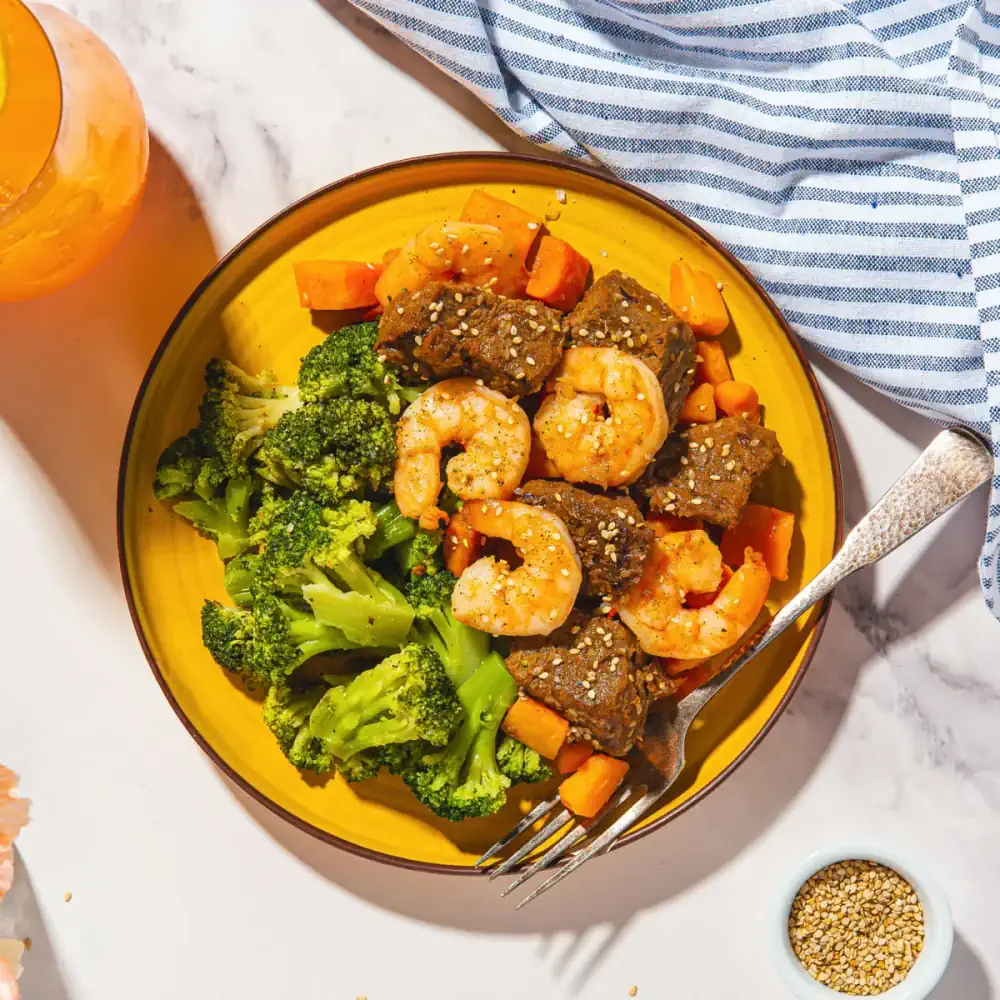
Forkful’s menu is one of the brand’s most important selling points because it covers several common eating styles. The brand includes categories such as traditional, plant-based, paleo, keto, GLP-1, low carb, high protein, and gluten-free. This range makes the service more useful than a one-style meal plan because customers can filter meals based on preferences, fitness goals, or dietary needs. Someone looking for higher protein can shop differently from someone avoiding gluten or reducing carbohydrates.
The menu includes familiar meals rather than overly experimental dishes. Examples from Forkful’s current meal lineup include bowls, chicken dishes, shrimp meals, meatball plates, pork entrees, vegetable blends, rice-based meals, sweet potato sides, spaghetti squash dishes, and comfort-food-inspired recipes adapted for specific diets. This kind of menu works well because it stays recognizable. Many people using prepared meal delivery want meals that feel easy to understand and easy to enjoy, not unfamiliar dishes that require a leap of faith.
The dietary tagging also improves the browsing experience. Instead of forcing customers to read every ingredient list one by one, Forkful gives clear category labels that help narrow choices quickly. That matters for customers managing macros, avoiding certain ingredients, or building a week of meals around a goal. The menu structure is practical and efficient.
The main limitation is that customers who want highly adventurous, chef-driven, restaurant-style meals may find the selection more functional than luxurious. Forkful’s strength is not theatrical cooking. Its strength is dependable variety. The menu gives enough choice to prevent boredom while staying focused on meals people can eat regularly.
Ingredients, Seed Oil-Free Focus, and Nutrition Philosophy
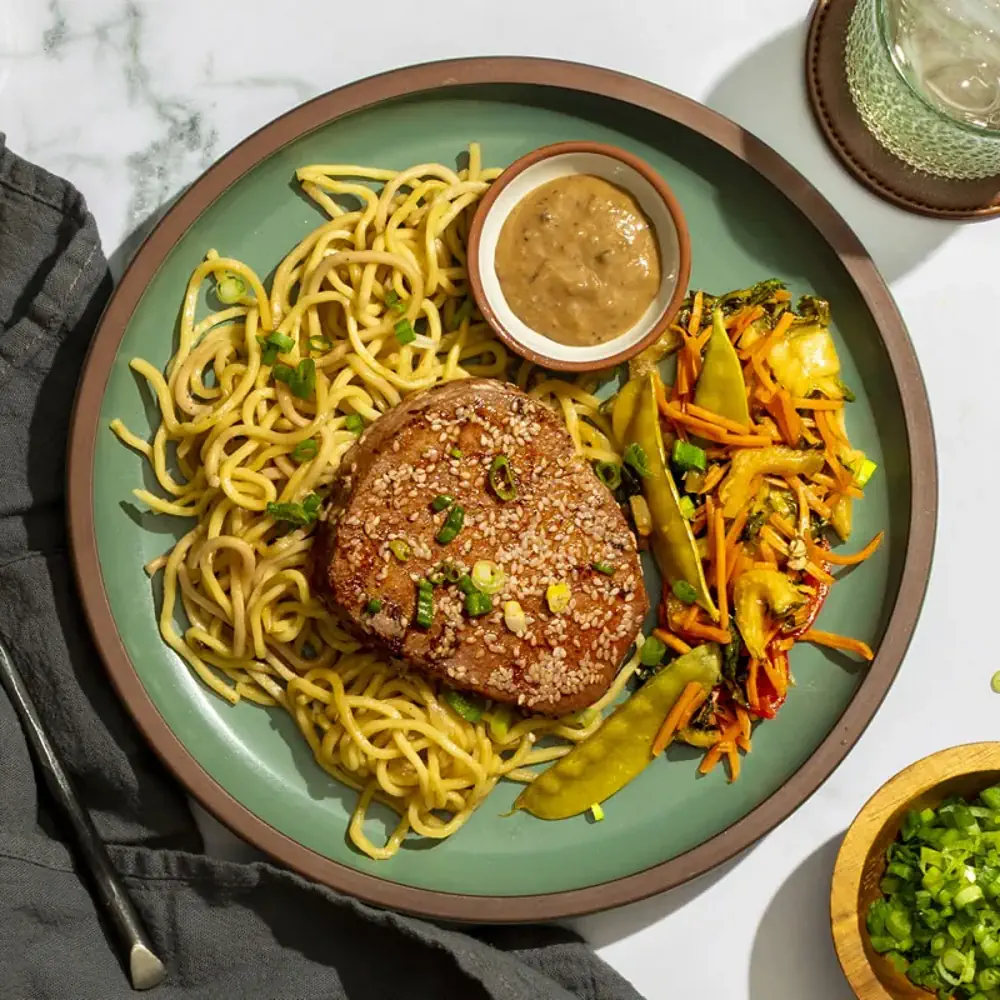
Forkful builds much of its identity around better ingredients and seed oil-free cooking. That matters because many prepared foods rely heavily on cheap oils, heavy sauces, excess fillers, and overly processed components to create flavor and shelf stability. Forkful takes a cleaner approach. The brand emphasizes chef-cooked meals, all-natural ingredients, organic language, and recipes designed for customers who want convenience without feeling like they are compromising their food standards.
The seed oil-free focus is especially relevant for wellness-minded customers. Whether someone avoids seed oils for personal preference, digestion, inflammation concerns, or a broader clean-eating routine, Forkful makes that choice easier. Instead of asking customers to inspect every bottle of sauce or ingredient panel in the grocery store, the brand gives them prepared meals aligned with that preference from the start. That can save time and make consistency easier.
Forkful’s nutritional philosophy is also practical rather than extreme. It does not only serve one kind of eater. The menu includes high-protein meals for active customers, low carb and keto meals for customers managing carbohydrate intake, plant-based options for customers avoiding animal products, and gluten-free meals for those who need or prefer to avoid gluten. The GLP-1 category is also timely, since many people using appetite-management medications need meals that are portioned, nutrient-conscious, and easy to eat in smaller amounts.
Still, Forkful should not be treated as a medical nutrition program. It is a prepared meal service, not a substitute for individualized advice from a physician or registered dietitian. Its value is in making better daily meals easier, not in solving every nutrition concern on its own.
Taste, Texture, and Meal Experience
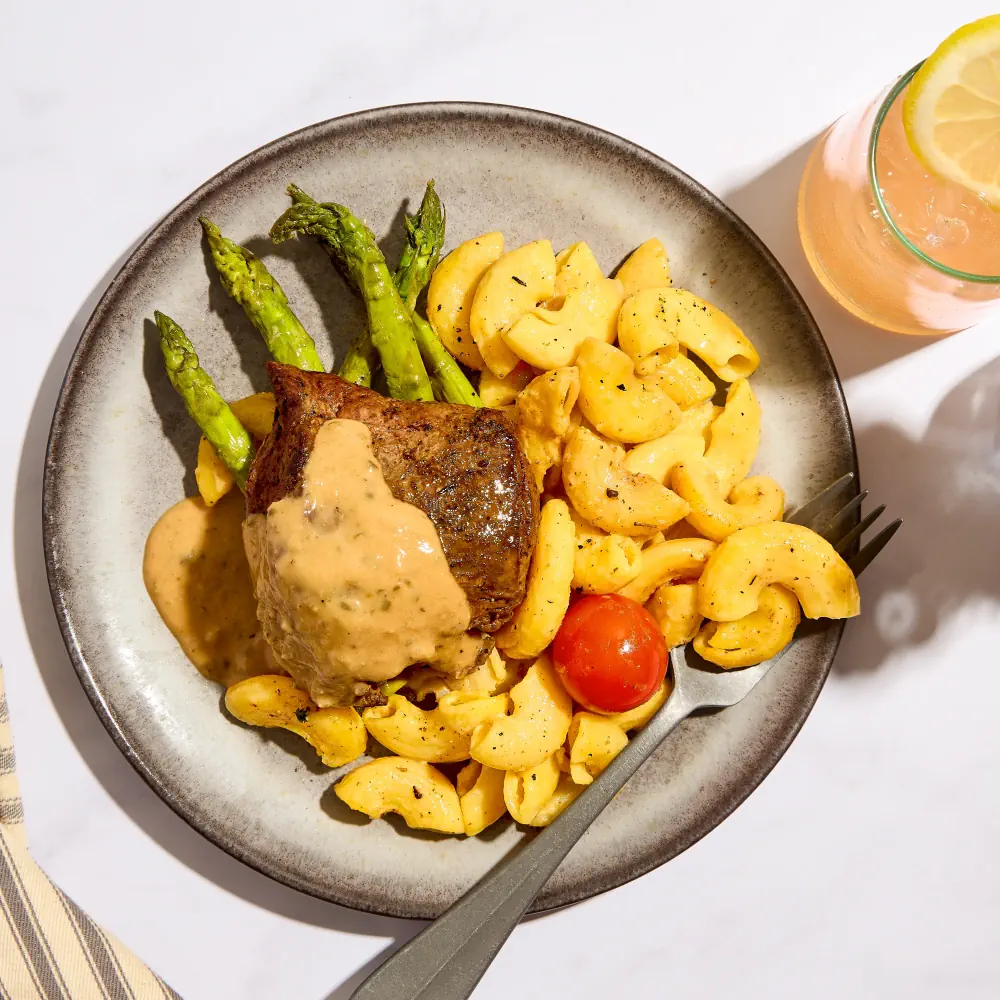
The best prepared meal services understand that nutrition alone is not enough. A meal can have strong macros and clean ingredients, but if it tastes flat or reheats poorly, customers will not keep eating it. Forkful performs best when it delivers familiar meals with enough flavor, moisture, and balance to feel satisfying after reheating. Bowls, chicken plates, rice-based entrees, meatballs, vegetable sides, and sauced proteins are naturally suited to this format because they tend to hold up better than delicate fried foods or crisp textures.
Forkful’s meal experience should be judged realistically. These are fresh prepared meals designed for fast reheating, not plates cooked to order in a restaurant kitchen. The best meals will likely be those with sauces, grains, roasted vegetables, tender proteins, and components that maintain texture in the refrigerator. Meals built around rice, sweet potatoes, spaghetti squash, vegetable blends, and slow-cooked or seasoned proteins make sense for this model. They can reheat evenly and still feel complete.
Customers who expect restaurant-level plating or highly layered flavors may want more complexity. Forkful’s style is more direct. It prioritizes usefulness, nutrition, and convenience. The meals are designed to be eaten during a busy day, at a desk, after a workout, or at home when cooking is not realistic. That purpose matters because it shapes the standard for the review. Forkful is not competing with a chef’s tasting counter. It is competing with skipped meals, fast food, frozen entrees, and expensive delivery orders.
When Forkful works well, it gives customers a meal that feels like a smarter default. That is the brand’s real taste advantage. The meals do not need to be extravagant to be valuable. They need to be dependable, flavorful enough, and easy to repeat.
Convenience and Freshness
Convenience is Forkful’s strongest category. The meals arrive cooked, fresh, and ready to reheat, which makes the service significantly easier than cooking from scratch or using a meal kit. For customers with packed schedules, that convenience can change the entire rhythm of the week. Instead of deciding what to eat, checking the fridge, cooking, cleaning, and managing leftovers, customers can open the refrigerator and choose a finished meal.
The fresh delivery model also gives Forkful an advantage over frozen meals. Frozen meals can be useful, but they often suffer from texture problems, especially with vegetables, rice, and proteins. Fresh prepared meals usually feel closer to homemade leftovers, which is a better fit for customers who want convenience but dislike the taste or texture of freezer-style entrees. Forkful’s insulated packaging also helps preserve the meals during transit, which is essential for a product that depends on freshness.
The reheating process is simple enough for nearly any routine. Customers can use the microwave for speed or the oven for a more even and carefully warmed result. This flexibility matters because different meal types benefit from different reheating styles. A rice bowl may be fine in the microwave, while certain proteins and vegetables may taste better when heated more gently.
The main tradeoff is storage planning. Fresh meals require fridge space and should be eaten within their recommended freshness window. This is not a major problem for most customers, but it does mean Forkful works best when customers order realistically. A plan with too many meals can create pressure to finish everything on time. A plan with the right number of meals makes the week easier.
Pricing and Overall Value
Forkful’s pricing becomes more attractive as customers choose larger weekly plans. The service offers multiple meal quantities, which allows customers to balance budget, appetite, and convenience. Prepared meal delivery will almost always cost more than cooking basic meals from scratch, but that comparison does not tell the full story. Forkful is not only selling food. It is selling time, reduced effort, fewer grocery decisions, less cleanup, and a more reliable alternative to takeout.
That value becomes clearer when compared with restaurant delivery. A single delivery order can become expensive once service fees, delivery charges, taxes, and tips are added. It can also be inconsistent nutritionally. Forkful gives customers more control. Meals are already portioned, diet filters are built into the menu, and the customer can plan several days of eating at once. For people who regularly spend money on takeout because they are too busy to cook, Forkful can become a smarter and more predictable expense.
The service is also valuable for reducing food waste. Many people buy groceries with good intentions, then throw away unused vegetables, forgotten proteins, or ingredients purchased for one recipe. Forkful avoids that problem because meals arrive finished and portioned. There is no need to buy a full bottle of sauce, a bag of produce, or a large pack of meat just to make one meal.
The value is strongest for busy individuals, couples with different schedules, students, remote workers, and customers who want consistent weekday meals. Families may need to calculate carefully, especially if they need multiple servings per meal. Forkful is most efficient for individual portioning and personal meal planning.
Who Forkful Is Best For
Forkful is best for customers who want healthy convenience without the work of cooking. It fits people who care about what they eat but struggle with consistency. A busy professional who finishes work late can use Forkful to avoid another takeout order. A student can use it to keep balanced meals on hand during exams. A parent can use it for personal lunches while handling family meals separately. A fitness-focused customer can use the high-protein category to support training without cooking large batches every week.
The service is also a strong match for people who dislike meal prep. Traditional meal prep sounds simple, but it requires planning, shopping, cooking, dividing portions, storing containers, and repeating the process every few days. Many people start with discipline and quickly burn out. Forkful offers the benefits of meal prep without the personal labor. That makes it appealing for customers who want structure but not another weekend chore.
Customers using GLP-1 medications may also find Forkful useful because the meals are already portioned and easy to select based on dietary goals. When appetite is reduced, the quality of each meal matters. Having prepared meals available can help customers avoid skipping nutrition entirely or relying on snacks that do not provide enough protein or balanced ingredients.
Forkful is less ideal for customers who love cooking every night, want family-style portions, or expect gourmet restaurant creativity from every meal. It is also not the best fit for people who prefer spontaneous daily eating. The service rewards planning. Customers who know their weekly routine will get the most value.
Pros and Cons
Forkful has several clear strengths. The meals are fully cooked, which makes the service more convenient than a meal kit. The fresh delivery model gives it a better everyday feel than many frozen alternatives. The seed oil-free approach gives the brand a sharper identity in a crowded prepared meal market. The dietary filters are practical and useful, especially for customers looking for high protein, keto, low carb, plant-based, gluten-free, paleo, or GLP-1-friendly meals. The larger plan sizes can also improve value for customers who want to replace several meals per week.
Another major advantage is reduced decision fatigue. Food planning takes mental energy. Forkful removes many of those small decisions and gives customers a refrigerator stocked with ready meals. That can make healthier choices easier because the better option is already available.
There are also limitations. Forkful may not satisfy customers who want highly creative chef meals or restaurant-style plating. Some meals will naturally reheat better than others, so customers may need to learn which dishes suit their preferences. Fresh meals also require refrigerator space and timely eating. Customers should avoid over-ordering until they understand their weekly rhythm.
Pros
Cons
Final Verdict
Forkful is a practical, health-conscious prepared meal delivery service with a clear purpose. It helps customers eat better during busy weeks by removing the most time-consuming parts of home cooking. The meals are already cooked, delivered fresh, and built around dietary filters that make the ordering process easier. That combination gives Forkful real appeal for people who want structure, convenience, and cleaner meal options without spending hours in the kitchen.
The brand’s best quality is its usefulness. Forkful does not need to be the most luxurious prepared meal service to be valuable. Its strength is in solving a common problem. Many people want to eat balanced meals, but their schedules make cooking inconsistent. Forkful fills that gap with meals that are fast, portioned, and easier to keep on hand than a full week of groceries. For the right customer, that can mean fewer skipped meals, fewer impulse delivery orders, less food waste, and a more predictable eating routine.
The service is especially compelling for customers who care about seed oil-free meals, high-protein options, gluten-free choices, low carb eating, keto meals, paleo meals, or plant-based selections. The menu gives enough variety to support different lifestyles while staying grounded in familiar, everyday food.
Forkful is not perfect for everyone. Customers seeking elaborate culinary experiences may want more creativity. Larger households may need to compare costs carefully. But for individuals who want fresh, fully cooked meals that make healthy eating easier, Forkful offers a strong and sensible option. It is convenient without feeling careless, health-focused without being overly complicated, and structured enough to make busy weeks easier to manage.