
John Boos Review: Premium Butcher Blocks and Cutting Boards for Serious Kitchen Prep

John Boos is one of those kitchen brands that carries a very specific reputation. It is closely associated with butcher blocks, hefty cutting boards, and work surfaces that feel made for real use rather than light display. On its website, the brand centers its identity around kitchen and food-prep essentials, especially wooden cutting boards and butcher blocks, while also offering kitchen furniture such as islands, carts, and tables, along with care products that help preserve wood surfaces over time. That combination gives John Boos a focused but still wide-reaching presence. It is not trying to be everything in the kitchen. It is trying to do a few things extremely well.
That matters because shoppers in this category are often looking for more than style. They want durability, stability, and materials that can handle constant use. A cutting board is not just a decorative slab of wood. It is a daily work surface. A butcher block is not just a statement piece. It is where chopping, slicing, portioning, and prep actually happen. A kitchen cart or island is not just furniture. It is part of how a kitchen functions. John Boos speaks directly to that kind of buyer, the person who cares about thickness, wood type, construction, maintenance, and long-term performance.
The brand’s catalog reinforces that practical image. The site includes maple, walnut, and cherry options, thick end-grain blocks, reversible boards, carving boards, prep surfaces, and large kitchen furniture pieces that extend usable workspace. There is also an ongoing emphasis on care, which says a great deal about the philosophy behind the brand. John Boos products are not treated like disposable accessories. They are treated like foundational kitchen tools that reward proper ownership.
That is a major part of the brand’s appeal. John Boos sells products that feel permanent. They suit home cooks who want a more substantial kitchen setup, but they also clearly appeal to serious enthusiasts and professionals who value reliable work surfaces. This is a category where cheap alternatives exist everywhere, yet John Boos continues to stand out because its products are built around material quality, thickness, and classic kitchen function. The result is a brand that feels grounded, specialized, and very confident in what it brings to the table.
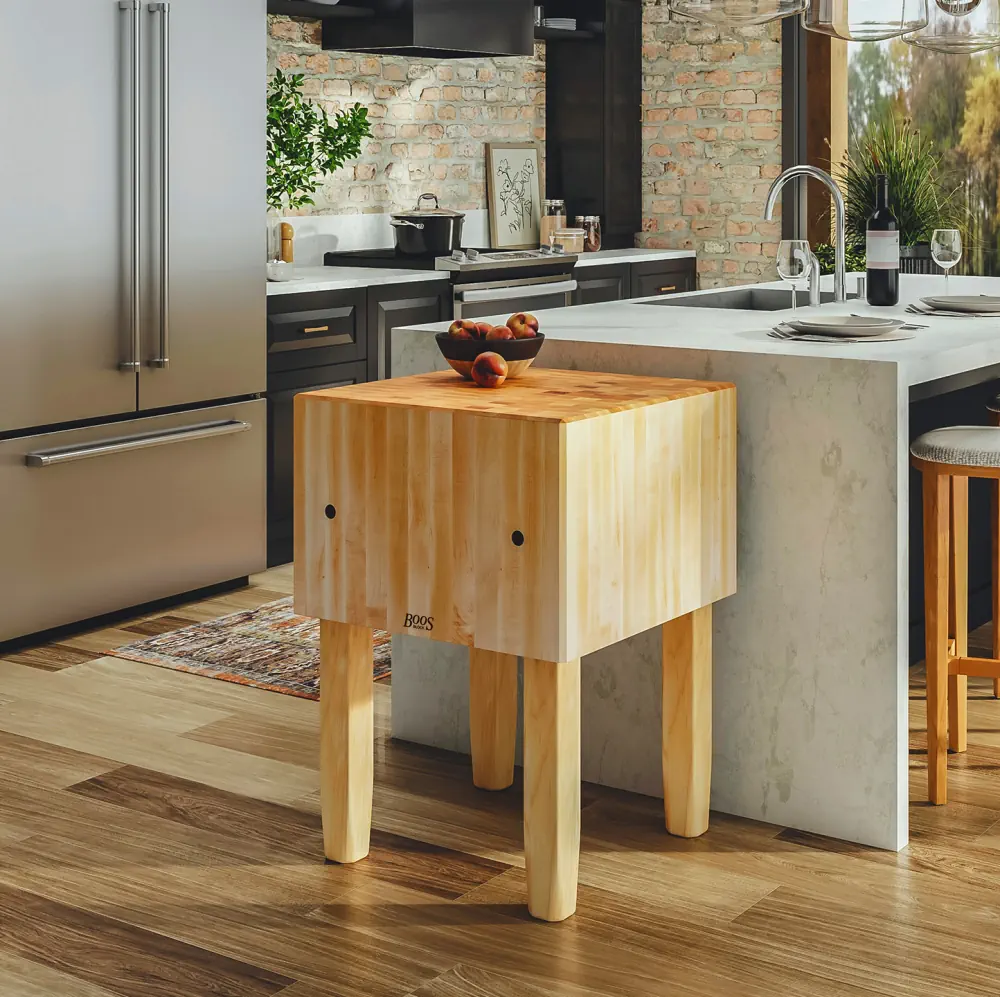
Product Range: What John Boos Sells and How the Catalog Comes Together
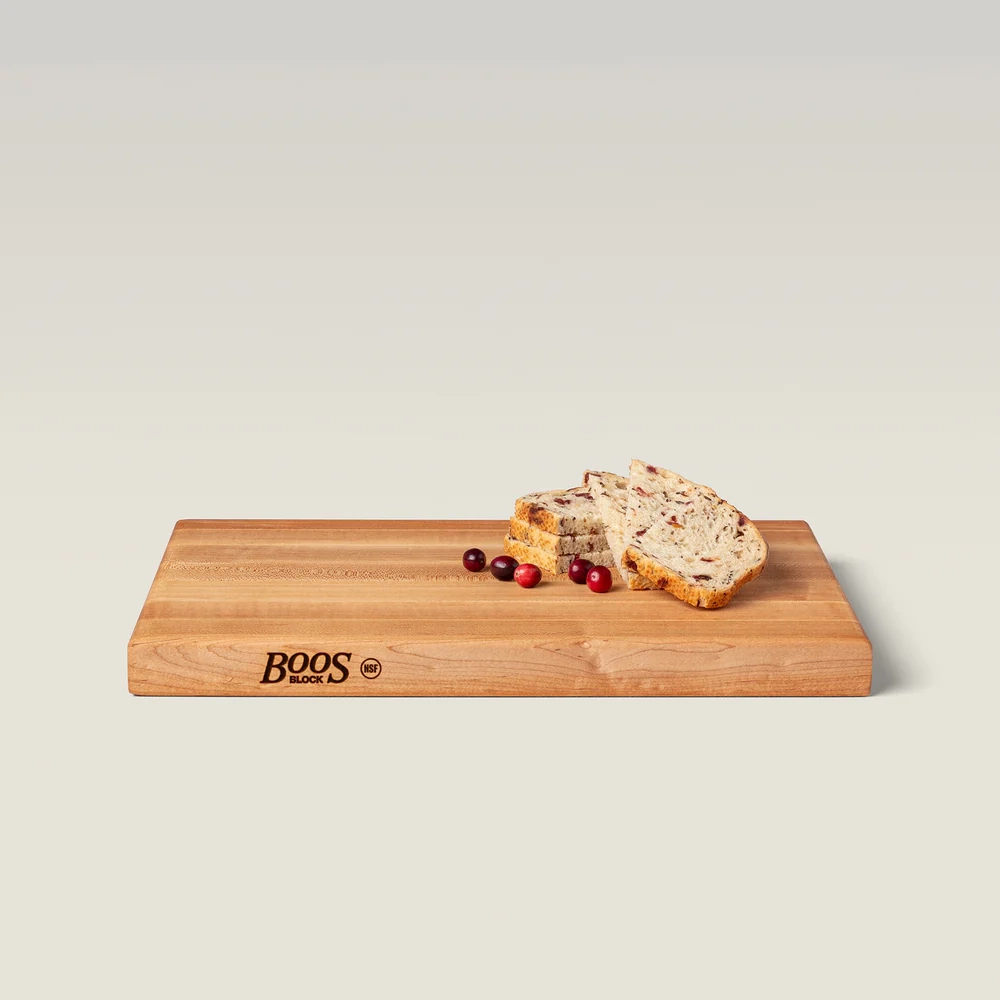
The John Boos catalog is broad enough to outfit a kitchen in meaningful ways, yet focused enough that the brand identity never gets diluted. At the heart of the site are cutting boards and butcher blocks. These are the core products, and the range within that category is much deeper than a quick glance might suggest. There are edge-grain and end-grain boards, reversible styles, round chopping blocks, carving boards, thick statement pieces, and more compact surfaces designed for everyday prep. Some are clearly meant for heavy-duty chopping, while others are better suited to serving, slicing, or adding a premium prep zone to a home kitchen.
Wood choice is another major part of the lineup. Maple, walnut, and cherry all appear prominently, and each gives the catalog a different look and feel. Maple tends to read as classic and workmanlike. Walnut brings a darker, richer visual tone. Cherry adds warmth and a more distinctive decorative character. This makes the shopping experience more interesting because buyers are not simply choosing a board size. They are also choosing how that board fits into the visual language of their kitchen.
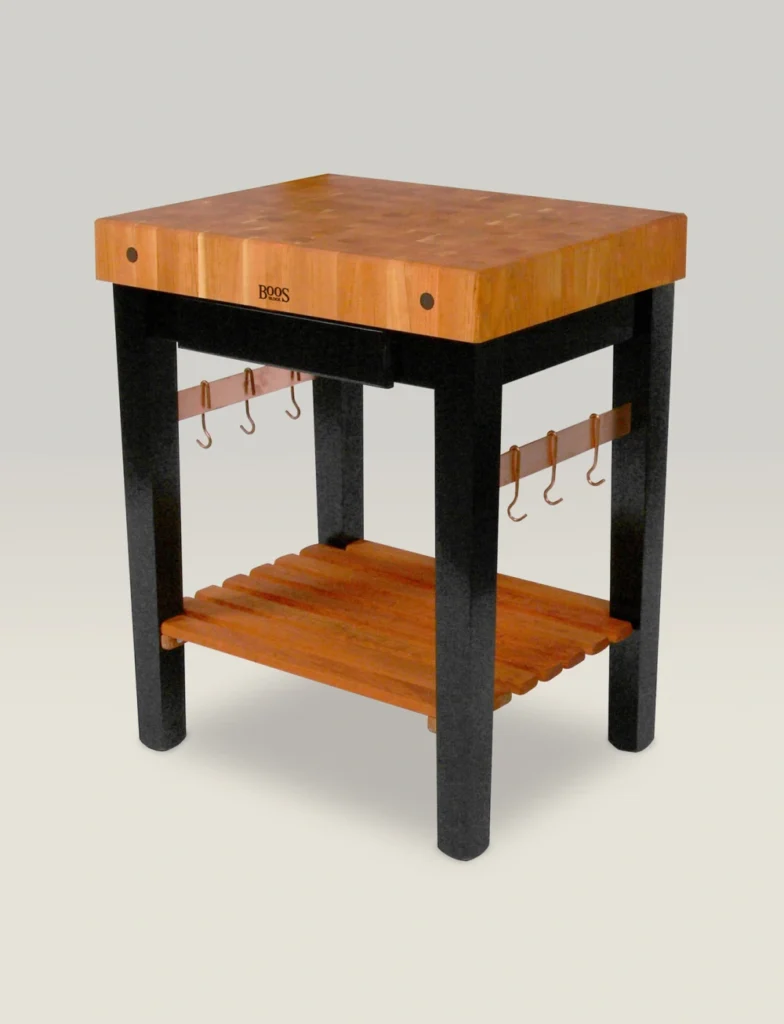
Beyond boards and blocks, the furniture collection adds another layer of usefulness. John Boos sells kitchen islands, butcher block tables, and carts that turn the brand’s signature materials into larger kitchen fixtures. These are not side products tucked away in a corner. They are a meaningful extension of what the brand already does well. If a customer trusts John Boos to make a durable cutting surface, it makes sense to consider the same brand for a mobile cart, an island with a thick block top, or a table that adds extra prep space. The furniture feels like a natural continuation of the cutting board and butcher block story.
The care and maintenance section rounds out the catalog in a smart way. Oils, creams, and applicators are not exciting in the way a beautiful walnut block is exciting, but they are highly relevant. The brand is effectively acknowledging that premium wood products require upkeep. That honesty adds credibility. It also gives customers a clear path for maintaining what they buy, instead of leaving them to guess how to protect the surface.
Altogether, the John Boos range feels cohesive. Every category relates back to prep, workspace, and long-term kitchen use. There are no random add-ons that make the site feel scattered. The whole catalog is connected by the same idea: a well-made surface can improve the way a kitchen works. That is why the lineup feels strong. It is not only about quantity. It is about how well the pieces fit together under one clear kitchen-first vision.
Craftsmanship, Materials, and Why John Boos Products Stand Out
John Boos stands out because it takes materials seriously. In the world of kitchen prep surfaces, that is everything. A board may look attractive online, but if it lacks thickness, uses weak construction, or feels unstable in daily use, it quickly becomes disappointing. John Boos avoids that problem by making craftsmanship a central part of the brand’s value. The products are not marketed as trendy kitchen accessories. They feel built around substance.
The brand’s use of hardwoods is a major reason for that impression. Maple, walnut, and cherry are not interchangeable from a visual or functional point of view, and John Boos gives each of them room to shine. Maple has the classic butcher block look many people expect. It feels timeless, bright, and practical. Walnut adds depth, mood, and a more elevated designer feel. Cherry carries warmth and richness that can make a kitchen feel more traditional or more refined depending on the surrounding space. This range gives customers some control over both function and appearance without moving away from the brand’s core identity.
Construction style matters just as much as wood selection. John Boos offers end-grain and edge-grain surfaces, and that distinction is important for informed shoppers. End-grain boards are often favored for heavy chopping because the wood fibers can better absorb impact and help reduce visible wear from knives over time. They also carry that classic checkerboard look that many people associate with premium butcher blocks. Edge-grain boards can still be very durable, but they often offer a somewhat different balance of appearance, weight, and use case. A brand that gives buyers these options is clearly speaking to people who care about how a board performs, not just how it looks in a product photo.
Thickness is another area where John Boos makes a strong impression. Many items on the site are notably thick, substantial, and heavy-looking. That kind of build gives a cutting surface authority. It is the difference between a board that slides around and one that feels anchored. It is also part of what makes the brand appealing to more serious cooks. Thin boards can work for casual use, but a thick butcher block or chopping block offers a different level of confidence.
The craftsmanship extends into the furniture as well. Islands, carts, and prep tables feature the same emphasis on durable wood tops and utility-driven design. Some include shelves, drawers, towel bars, or mobile functionality, which makes them useful beyond their visual impact. They do not feel like decorative props. They feel like pieces meant to earn their place in a working kitchen.
This is ultimately where John Boos builds trust. The products suggest longevity. They are made to be used repeatedly, maintained properly, and kept for years. That is not the cheapest way to shop, but it is often the most satisfying when the goal is real quality.
Performance in a Real Kitchen: Everyday Use, Practical Benefits, and Long-Term Value
A premium kitchen brand has to do more than look impressive. It has to perform. John Boos products make a strong case in that regard because their core purpose is so clear. These are work surfaces. They are meant to take chopping, slicing, carving, prep, and repeated handling without feeling flimsy or temporary. That practicality is one of the biggest strengths of the brand.
A thick cutting board or butcher block changes the cooking experience in noticeable ways. Stability improves. Prep feels more controlled. Large ingredients can be broken down without the awkward movement that often comes from thinner boards. A more spacious surface also helps with rhythm in the kitchen. There is room to chop, move ingredients aside, and continue working without constantly needing to reset. John Boos excels in this kind of functional comfort. Its products seem designed for kitchens where preparation is frequent, not occasional.
Another benefit is the way these surfaces support knife work. A well-made wood board can be gentler on knives than many harder synthetic or glass alternatives. That matters to anyone who values sharp kitchen tools. When a board is thick, durable, and made from quality hardwood, it becomes part of a better overall prep system. The board is not fighting the knife. It is supporting the process.
The larger furniture pieces also contribute real value in kitchens that need more workspace. A cart or island can make a small or crowded kitchen much more useful. Extra surface area is often more important than people realize until they have it. It creates a dedicated zone for prep, serving, or staging ingredients. Shelves and drawers add storage, while mobility in some pieces gives added flexibility. A kitchen cart can work as a prep station one day and a serving surface the next. That kind of versatility makes these pieces easier to justify.
Long-term value is another key advantage. John Boos products are not impulse buys for bargain hunters. They are better understood as kitchen investments. A cheap board may need frequent replacement, may warp more easily, or may feel worn out quickly. A well-maintained John Boos board or block can remain useful and attractive for years. The brand reinforces that value by actively supporting maintenance, which helps preserve performance rather than treating wear as inevitable.
There is also an aesthetic kind of value that should not be ignored. Good kitchen tools can elevate the atmosphere of a space. A substantial walnut block or a classic maple island does more than help with prep. It brings character into the room. In many kitchens, that matters. People want tools that work hard and look good doing it.
John Boos succeeds because its products combine utility, presence, and staying power. In actual kitchen life, that combination goes a long way.
Care, Maintenance, and the Ownership Experience
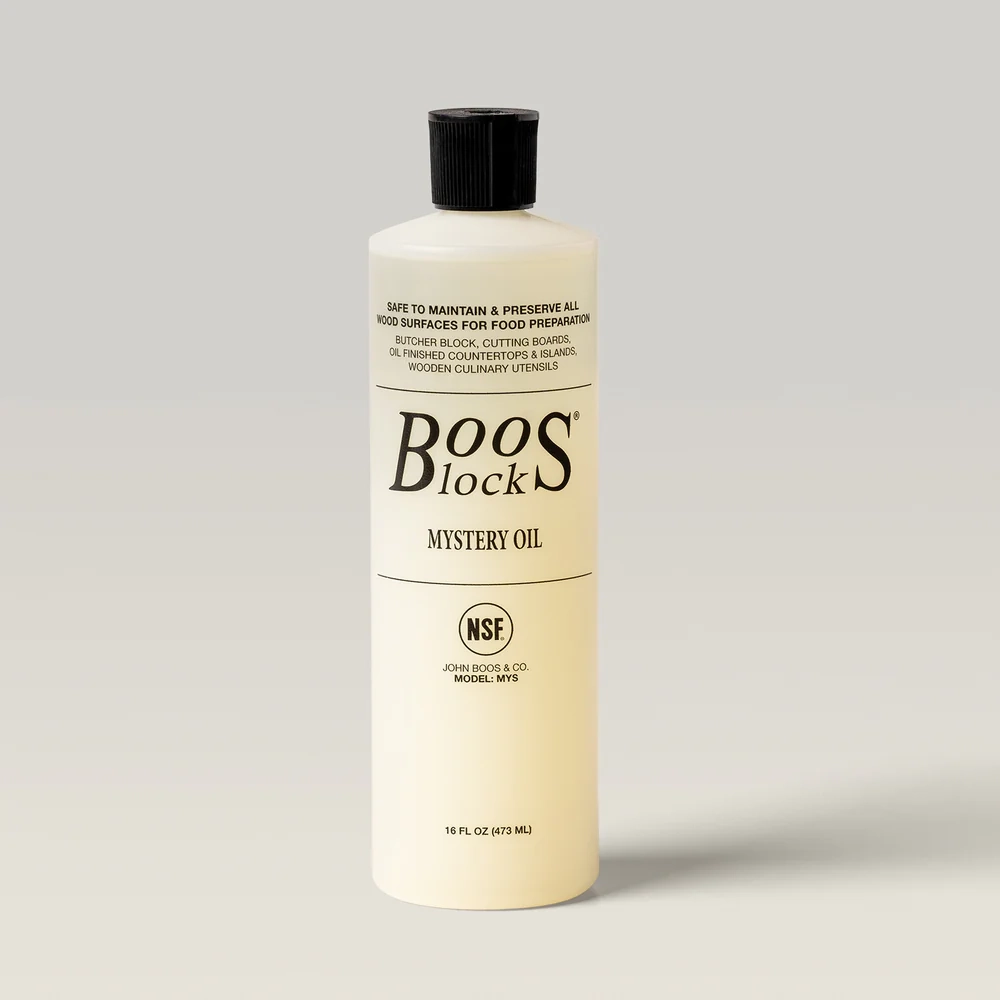
One of the clearest signs that John Boos products are built for long-term ownership is the brand’s emphasis on care and maintenance. Many kitchen brands sell wood products and leave the customer to figure out the rest. John Boos does the opposite. It treats maintenance as an essential part of the product experience, and that approach makes sense because quality wood surfaces perform best when they are cared for consistently.
This matters because wood is a living material in practical terms. It reacts to moisture, dryness, temperature shifts, and frequency of use. A thick butcher block or cutting board is durable, but durability does not mean neglect-proof. John Boos makes that reality part of the ownership experience rather than hiding it. The brand offers dedicated care products such as Mystery Oil, Board Cream, and applicators designed to help replenish, restore, and protect wood surfaces. That dedicated system adds convenience, but more importantly, it reinforces best practices. Buyers are not left wondering whether a random maintenance product will do the job well enough.
For some shoppers, this maintenance requirement will feel like part of the charm. Caring for a premium wood board can feel satisfying because it preserves the surface, deepens the appearance, and extends the life of the product. It creates a sense of stewardship. The board becomes something more meaningful than a replaceable tool. For other shoppers, especially those who want completely low-maintenance kitchen gear, this may feel like a drawback. John Boos is not really built around that mindset. It is built around ownership with intention.
The good news is that the care process itself is straightforward. Regular oiling, occasional cream application, sensible cleaning habits, and proper drying are all manageable routines. They are not difficult. They just need consistency. In exchange, the wood stays healthier, the surface looks better, and the product remains more reliable over time.
The ownership experience is also helped by the breadth of the brand’s ecosystem. Someone can buy a cutting board, then buy the maintenance products designed for it, and later add a matching furniture piece or a larger butcher block. That continuity gives the brand a more complete feeling. It is not just selling isolated products. It is supporting a whole way of outfitting and maintaining a kitchen.
This is an important distinction when evaluating John Boos overall. The brand is not selling convenience at the lowest level of involvement. It is selling quality that rewards proper care. For buyers who appreciate craftsmanship, that is not a burden. It is part of the point. The maintenance side of the brand makes the products feel more serious, more intentional, and ultimately more worth keeping.
Who John Boos Is Best For and Final Verdict on the Brand
John Boos is best suited to shoppers who value kitchen tools that feel substantial, durable, and rooted in traditional craftsmanship. This is not the ideal brand for someone who wants the cheapest possible prep board or the most disposable solution for light occasional use. It is a brand for people who want more from a kitchen surface. That may mean home cooks who spend a lot of time prepping ingredients, serious food enthusiasts upgrading from basic boards, or homeowners looking for kitchen furniture that delivers both utility and presence.
The brand is especially compelling for buyers who appreciate wood as both a working material and a design element. A John Boos board does not hide in the background. It often becomes part of the visual identity of a kitchen. The same is true of the islands, carts, and butcher block tables. These pieces are functional first, but they also carry strong decorative value because of the materials and proportions involved. A thick maple or walnut surface can change the tone of a room.
There is also a strong case for John Boos among buyers who think long term. These products make more sense when viewed over years rather than months. A premium butcher block that holds up well, a durable prep table that adds permanent workspace, or a board that ages gracefully with proper care can all justify a higher upfront cost. The value is in the continued use, the reliable performance, and the sense that the product is built to last.
That said, John Boos will not be the perfect fit for everyone. The maintenance needs of real wood are part of the ownership experience, and the pricing is more aligned with premium craftsmanship than casual convenience. Some buyers may also find the larger blocks and furniture pieces more appropriate for spacious kitchens than compact ones. These are not deal-breaking issues, but they are part of the honest picture.
Overall, John Boos is a strong brand with a clear identity and a very credible product focus. Its website shows a company that understands what serious kitchen surfaces should offer: quality hardwoods, substantial construction, versatile prep options, useful furniture, and a practical maintenance system that supports longevity. That combination gives the brand real authority in its category.
For shoppers looking to invest in better kitchen prep tools and workspace solutions, John Boos stands out as a brand with depth, consistency, and lasting appeal. It does not rely on novelty. It relies on craftsmanship, utility, and the enduring usefulness of a well-made work surface. In a kitchen, that still counts for a great deal.
Pros and Cons of John Boos
Pros
John Boos has a clear focus, and that focus works in its favor. The brand knows its core categories and offers strong depth in boards, blocks, and work surfaces.
Maple, walnut, and cherry give shoppers meaningful choices in both appearance and character. The materials feel appropriate for the price tier and purpose.
Many products look and feel thick, sturdy, and made for real use. That extra heft improves stability and strengthens the sense of quality.
These are practical products, but they also bring warmth and craftsmanship into a kitchen. Many pieces double as visual upgrades to the space.
Islands, carts, and tables make the catalog more useful. They help customers go beyond single prep boards and create better work zones.
The brand does not ignore maintenance. Its oils, creams, and applicators help customers protect their investment and keep wood surfaces in better condition.
The brand strikes a balance between everyday usability and professional-style durability.
Cons
John Boos products are not entry-level purchases. Buyers looking for the lowest-cost option may find the brand expensive.
Oiling and surface care are part of the experience. Shoppers who want minimal upkeep may prefer other materials.
Thick blocks and larger furniture pieces are appealing, but they are not always practical in compact spaces.
These products make the most sense for people who cook often and plan to keep them for years. Casual users may not fully benefit from the premium build.
John Boos does its category very well, but it is not trying to cover every possible kitchen need.
Final Thoughts
John Boos is a highly credible brand in the world of kitchen prep and work surfaces. Its cutting boards, butcher blocks, islands, carts, and maintenance products all connect to one clear idea: a kitchen works better when its core surfaces are built with care. That focus gives the brand unusual strength. Instead of chasing trends, John Boos stays committed to craftsmanship, durable hardwoods, and products that feel useful every day.
For shoppers who want serious kitchen tools with lasting value, John Boos is easy to take seriously. Its products look substantial, perform with purpose, and reward proper care. That is a strong formula, and it remains highly relevant in kitchens that are used with real intent.