
KirbEbike Review: A Serious Approach to Custom Electric Bike Conversion

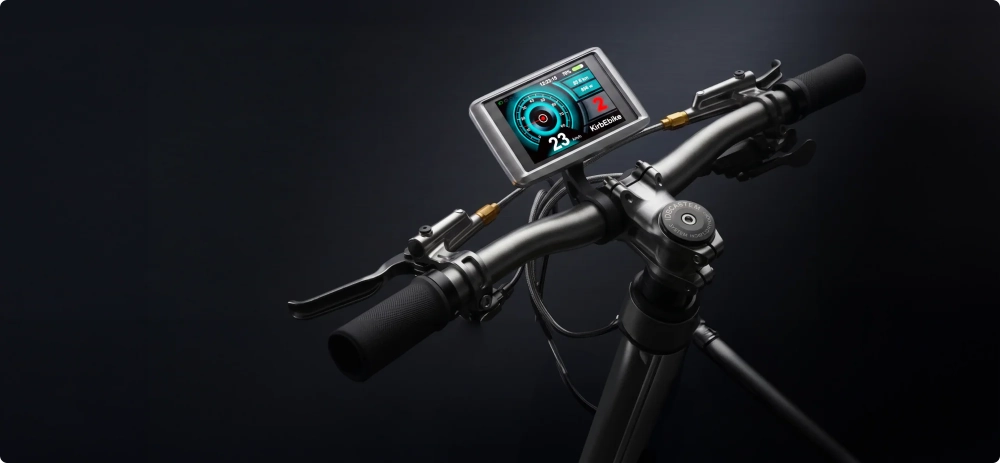
Kirbebike is an electric mobility brand focused primarily on helping cyclists transform conventional bicycles into electric bikes rather than requiring them to purchase an entirely new machine. Its catalog centers on electric bike conversion kits, hub motors, mid-drive systems, batteries, controllers, wheels, and related components. The company currently offers configurations ranging from relatively modest 250W systems intended for everyday riding to extremely powerful 4000W setups designed for specialized and off-road use. Kirbebike also offers front-wheel and rear-wheel hub configurations, along with mid-drive options for riders seeking different handling and performance characteristics.
This broad approach makes Kirbebike particularly interesting for riders who already own a bicycle they enjoy. Instead of replacing the frame, brakes, suspension, drivetrain, and other familiar components, a conversion kit can add electric assistance while preserving much of the original bike. That flexibility is central to the Kirbebike proposition. It is not simply selling electric motors. The brand is selling a modular approach to e-bike ownership that allows riders to choose their desired power level, voltage, wheel size, battery capacity, and application.
An Extensive Range of Conversion Kits
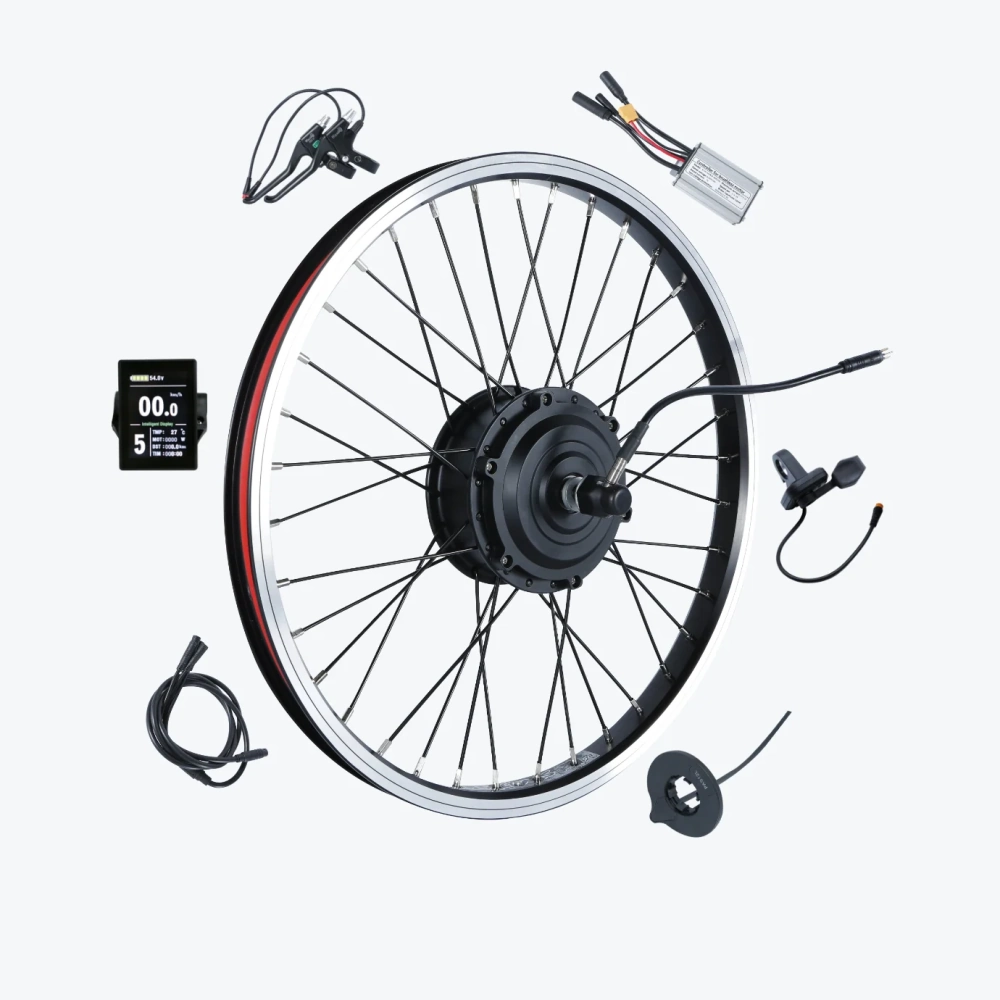
One of Kirbebike’s strongest characteristics is the sheer breadth of its conversion-kit lineup. The company currently lists systems ranging from 250W commuter-oriented products through 500W, 750W, 1000W, 1500W, 2000W, 2500W, 3000W, and 4000W configurations. There are kits designed for conventional bicycles, fat-tire bikes, mountain bikes, Brompton-style applications, and higher-performance custom builds. Wheel sizes and drivetrain compatibility also vary by model, making careful configuration an important part of the purchasing process.
This selection is valuable because electric bicycle requirements vary dramatically. A commuter traveling relatively short distances on paved roads has very different priorities from an enthusiast building a powerful off-road machine. Kirbebike does not force these customers into the same hardware category. Its EZ Rider 36V 250W front-wheel system, for example, provides a considerably different riding proposition from the company’s 72V 4000W rear-hub system.
The range is impressive, although buyers should resist choosing the highest wattage simply because it offers more performance. Frame strength, brakes, dropout dimensions, battery requirements, intended terrain, and local regulations all need to be considered before selecting a system.
Motors, Batteries, and Performance Hardware
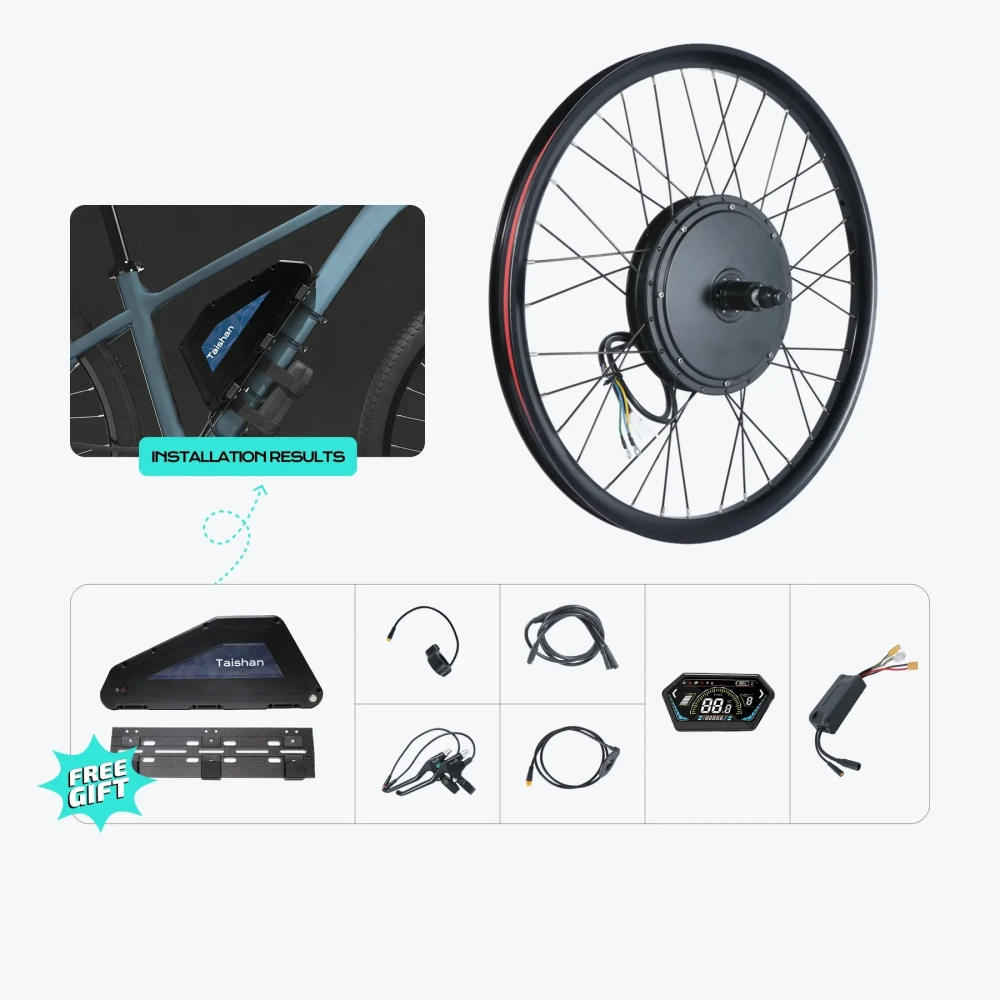
Kirbebike places considerable emphasis on performance hardware rather than treating its conversion kits as basic bicycle accessories. Higher-powered models use brushless hub motors and matched controllers, while certain systems incorporate Bluetooth application functionality for configuration and real-time ride information. The 52V 2000W MTX kit, for example, is advertised with app-based tuning and ride data, while the company’s extreme 72V 4000W system uses a direct-drive motor and FOC sine-wave controller.
Battery specifications are equally important. Kirbebike sells packs across multiple voltages, including 36V, 48V, 52V, 60V, and 72V options. Selected products use LG or Samsung cells, while some battery families support 5A fast charging. The company’s battery catalog also emphasizes IP65-rated designs on selected models.
This component-level approach gives experienced builders considerably more control than a typical entry-level factory e-bike provides. It also demands greater responsibility from the buyer. Motor voltage, controller capability, battery discharge performance, connectors, frame compatibility, and braking capability must work together properly. High-output electric systems are not components that should be assembled casually.
Installation and Bicycle Compatibility
Conversion kits can appear deceptively simple when viewed as a motorized replacement wheel and a collection of electrical components. In reality, compatibility is one of the most important considerations when evaluating Kirbebike. The company specifically advises customers to examine wheel dimensions, axle interfaces, frame space, brake type, drivetrain arrangement, and battery mounting requirements before ordering. For rear-hub systems, customers may also need to identify whether their bicycle uses a cassette or threaded freewheel rather than relying exclusively on the number of gears.
Kirbebike promotes relatively quick installation for compatible setups, with its website advertising motor wheels built in numerous sizes and installation that can be completed relatively quickly under suitable circumstances. However, those claims should be interpreted realistically. Mechanical experience, cable routing, brake configuration, torque-arm installation, controller placement, battery mounting, and the condition of the donor bicycle can significantly affect the difficulty of a conversion.
For technically confident cyclists, the modular nature of the system is one of Kirbebike’s biggest advantages. Less experienced riders may be better served by professional installation, particularly when dealing with higher-powered motors where incorrect mounting could have serious safety consequences.
Battery Range and Everyday Practicality
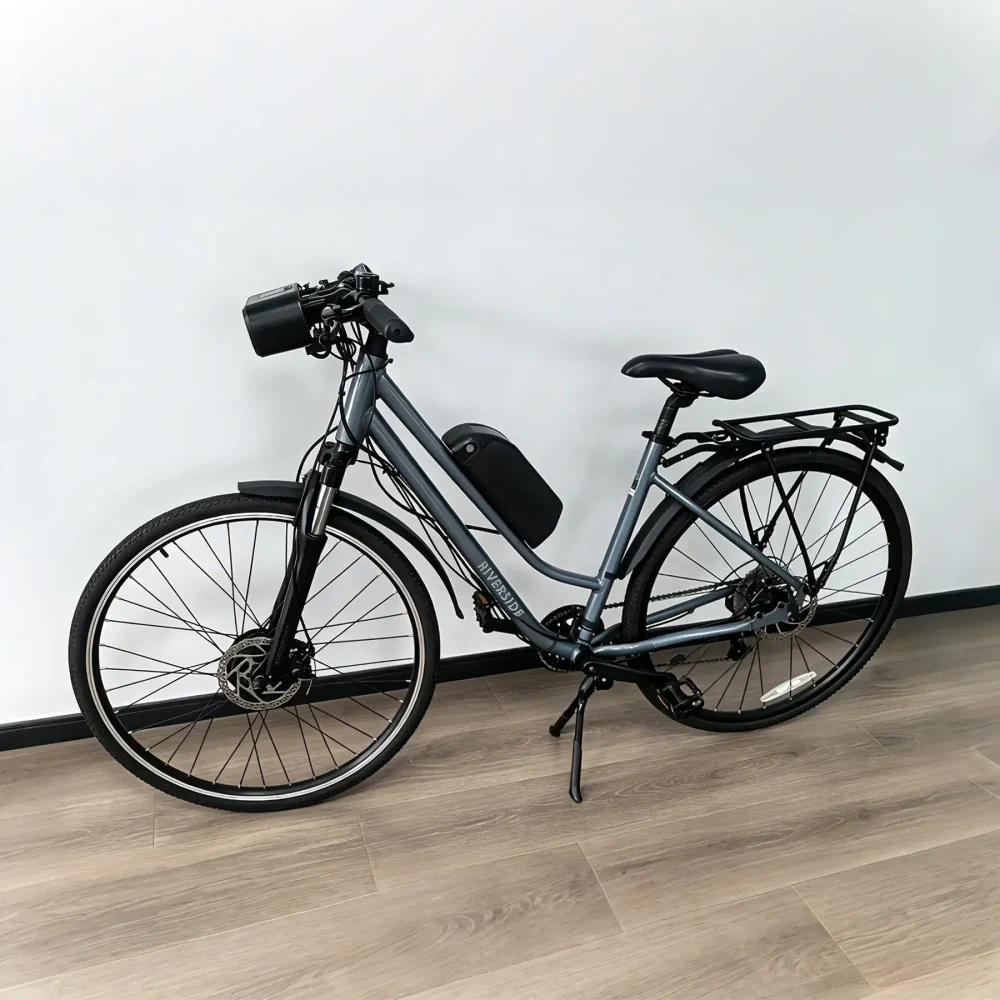
Battery selection has an enormous influence on how useful an electric conversion ultimately becomes. A powerful motor paired with insufficient battery capacity may deliver exciting acceleration but disappointing range, while an oversized battery can add substantial cost and weight unnecessarily. Kirbebike provides several battery capacities and voltage families so buyers can build systems around their anticipated riding style rather than accepting a single standardized battery.
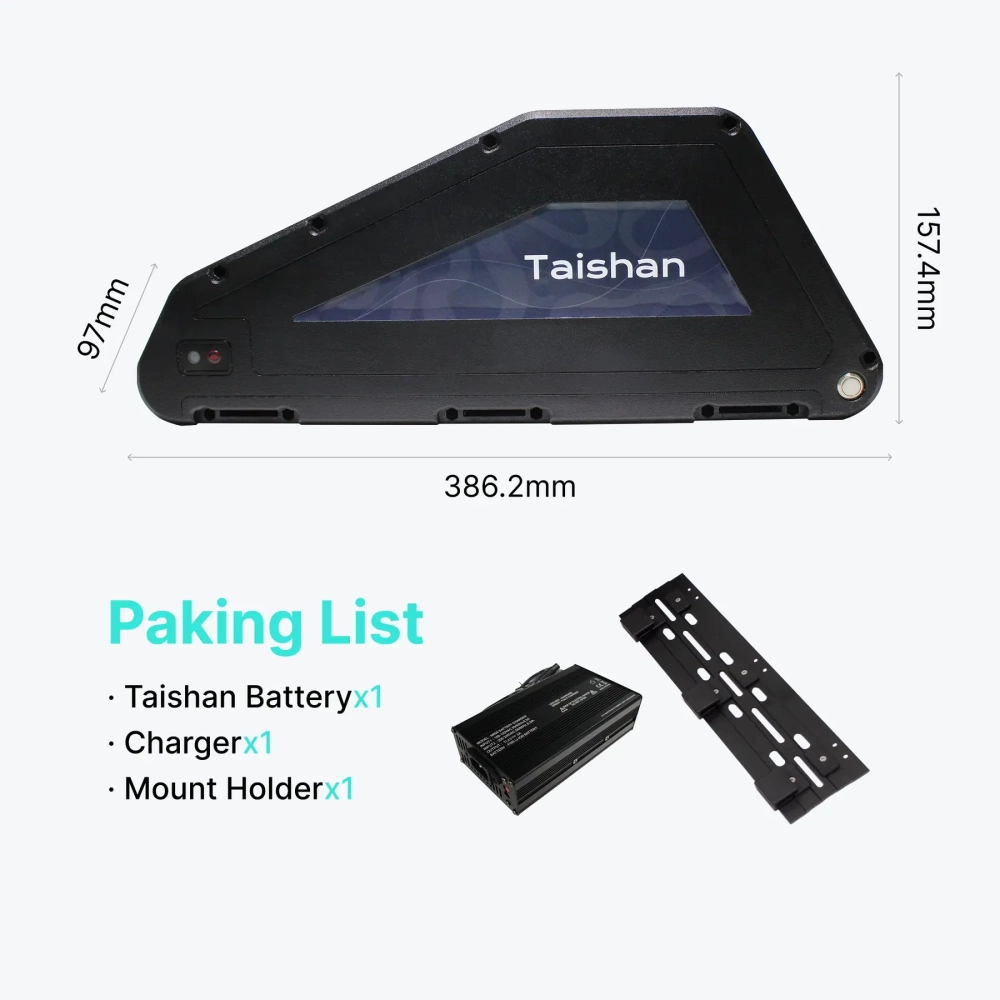
Charging time varies according to battery and charger combination. Kirbebike states that some Taishan and HS-II configurations equipped with higher-output charging can take roughly four hours for certain 20Ah packs, while larger-capacity versions may require approximately five or six hours. Entry-level down-tube configurations using lower-output chargers can take considerably longer.
Range figures should also be treated as estimates rather than guarantees. The EZ Rider system, for instance, is promoted with up to 40 to 60 miles using its combined battery capacity, while Kirbebike acknowledges that hills and assistance level influence real-world results. Rider weight, tire pressure, temperature, wind, speed, terrain, and motor power can all substantially change battery consumption.
Customer Support, Warranty, and Returns
After-sales support matters more with conversion kits than with many ordinary cycling products because these systems combine mechanical hardware, electronics, batteries, controllers, sensors, and software. Kirbebike currently advertises a one-year global warranty on its conversion kits and provides technical support for compatibility and troubleshooting. Free UK shipping is also promoted, while international delivery is available to a number of regions with overseas charges calculated according to destination.
The return period deserves particular attention. Kirbebike states that customers may request a return within seven days of receiving an order, which is relatively short compared with the return windows offered by some general consumer retailers. Returned products must also follow the company’s authorization process rather than simply being mailed back without prior contact.
Shipping damage should likewise be reported promptly. Kirbebike’s warranty information instructs customers to provide photographic or video evidence within seven days when an order arrives damaged. Because compatibility mistakes can become expensive with heavy motors and batteries, carefully verifying specifications before ordering is especially important.
Kirbebike Pros and Cons and Final Verdict
Kirbebike makes the strongest case for itself among cyclists who want customization. Its catalog spans everyday assistance systems and extremely powerful builds, while the availability of different batteries, wheel sizes, motor configurations, and replacement components provides considerably more freedom than purchasing a completely integrated e-bike. The tradeoff is complexity. Buyers must understand their bicycle, choose compatible electrical components, and ensure that the finished machine is mechanically safe and appropriate for where it will be ridden.
Pros
Cons
Overall, Kirbebike presents a compelling proposition for riders who prefer building and customizing their own electric bicycle. Its greatest advantage is choice. Rather than selling one standardized e-bike experience, the brand provides the components needed to create anything from a practical assisted commuter to a specialist high-powered machine. Buyers willing to research compatibility and select components carefully will find a remarkably versatile ecosystem. Those seeking a completely effortless, ready-to-ride experience may still prefer a factory-built electric bicycle.