
Lightology Review: Modern Lighting That Actually Makes Your Space Feel Designed

Lightology sits in a unique spot in the lighting world. It isn’t just a typical online lighting store with a few pendants and table lamps. The brand runs one of the largest contemporary lighting showrooms in North America, a multi-story space in Chicago’s River North Design District that doubles as a gallery of modern fixtures and light art. That “lighting as experience” mindset flows straight into the website, which is built for people who care about how their space looks and feels, not just whether a light turns on.
The goal is pretty clear: be the modern lighting company for homeowners, designers, architects, and builders who want design-forward fixtures without having to dig through trade-only catalogs. Lightology sources fixtures from hundreds of brands around the world and gives shoppers access to a huge range of designer fixtures online, including big names like Flos, Artemide, Moooi, Louis Poulsen, and many more. That means one site can cover everything from a minimal LED strip in a kitchen to dramatic statement chandeliers for double-height living rooms or hotel lobbies.
Lightology also leans heavily into education. The company was founded by a lighting designer and built around the idea that lighting is technical and creative at the same time. So instead of just listing wattage and dimensions, the site tends to pair fixtures with how-to content, inspiration galleries, and real-life project photos. The showroom acts as both a store and a teaching lab, and that educational energy shows up in how the brand talks about lumens, color temperature, and layout on its site.
On top of lighting, Lightology has expanded into modern furniture, décor, rugs, and mirrors, turning the brand into more of a full-home destination. Shoppers can now pull together seating, tables, and decorative pieces that match their new fixtures, instead of trying to guess what will coordinate. For anyone tackling a renovation or a slow-room-by-room refresh, that makes life easier.
In short, Lightology positions itself as a design-first, education-focused lighting hub that serves both everyday homeowners and trade professionals. The big question is whether that experience actually delivers when it’s time to shop, order, and install.
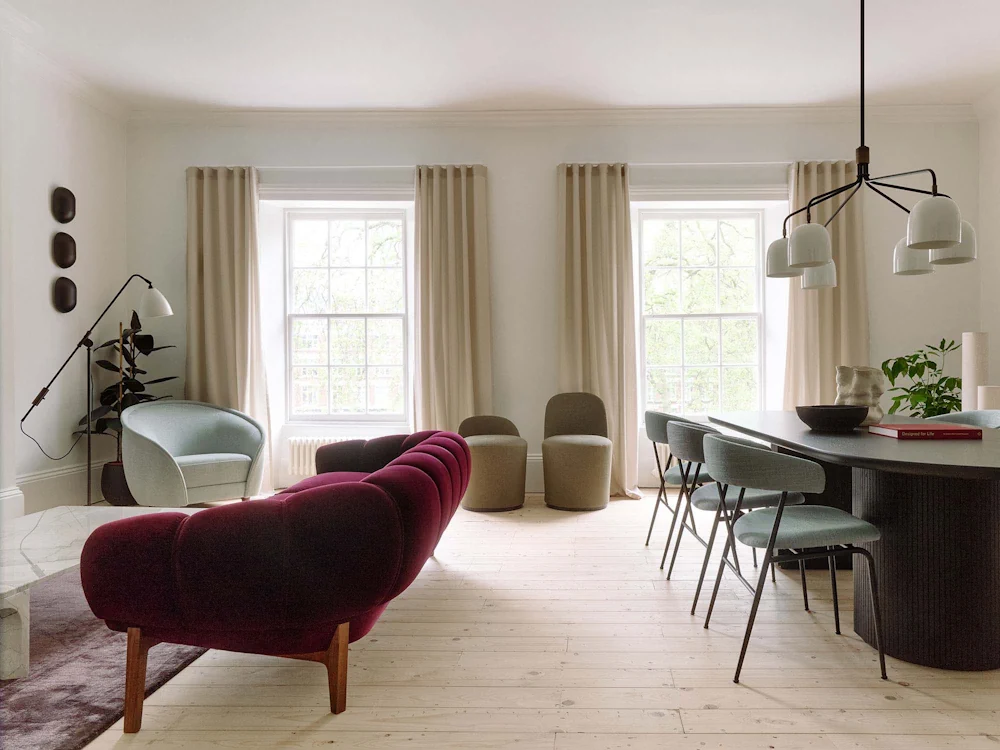
Where Style Meets Real Life: Why Shoppers Gravitate to Lightology
A big part of Lightology’s appeal comes from how it speaks to different types of customers without feeling intimidating. Professional designers get deep specs, technical tools, and trade pricing. Everyday shoppers get curated best-of lists, inspirational photos, and real human help from certified lighting consultants. That combination makes the site feel accessible even when the fixtures look like they belong in a design magazine.
For homeowners, the biggest draw is variety. Lightology breaks its selection into clear categories: chandeliers and pendants, wall sconces, bath lighting, track and rail systems, outdoor fixtures, recessed lighting, fans, and furniture. That makes it much easier to shop by room or need. A kitchen island might need linear suspensions or multi-light pendants, while a small apartment entry could take a single flush mount and a wall sconce. The site allows shoppers to filter by room, style, brand, finish, size, and even color temperature, so the endless catalog doesn’t feel overwhelming.
Trade professionals get another layer of value. Lightology offers a trade program with access to a Projects dashboard that lets designers and architects create as many projects as needed, organize them by room, save fixtures, generate spec sheets, track budgets, and share information with clients, electricians, and contractors. That kind of project management tool matters when a single chandelier also involves bulbs, dimmers, power supplies, and control systems. Instead of juggling spreadsheets and PDFs, everything sits in one place.
The design services ecosystem also makes Lightology stand out. ALA-certified lighting consultants and specialists can help with layouts, fixture selection, and technical questions via in-store visits, phone, email, live chat, and video consultations. That support helps bridge the gap between beautiful photos and real-world installation.
All of this means Lightology works for different shoppers in different ways. A first-time condo owner might simply search by style and budget, while a design studio can build full projects with realistic renderings. The same catalog supports both, which explains why the brand has grown beyond being “just” a lighting store and into a lighting partner for bigger projects and long-term clients.
From River North Showroom to Online Cart: The Full Lightology Experience
Lightology’s Chicago showroom is a big part of its identity. The space spans several floors and displays thousands of fixtures from hundreds of brands, making it one of the largest contemporary lighting showrooms in North America. The layout feels more like a museum of modern lighting than a traditional retail shop. Fixtures hang from ceilings, climb walls, and sit in vignettes that mimic real rooms, helping visitors picture how a piece might look at home.
That showroom isn’t just for midwestern locals. It also functions as a testing ground for trends and brands that later show up front and center on the website. New collaborations, like shop-in-shop spaces that highlight iconic fixtures, reinforce Lightology’s reputation as a curator rather than only a reseller. The company brings those discoveries online through themed collections, “best of” lists, and inspiration features.
Online, the experience stays surprisingly tactile for a digital space. Lightology offers virtual consultations where shoppers can hop on a video chat with an expert to talk through rooms, ceiling heights, color temperatures, and layer-by-layer plans. For larger projects, trade members can use room rendering and 3D modeling tools to see photorealistic visuals of proposed fixtures in a space before ordering. Features like “view in your room” and virtual staging bring augmented reality into the mix, letting customers visualize scale and style using their phones or computers.
Behind the scenes, the Projects dashboard acts like a built-in project manager. Designers can group fixtures by room, track costs, duplicate templates for multiple properties, and keep everything in sync with clients and trades. That kind of tool matters most on complex jobs, but even homeowners planning a full-house renovation can benefit from keeping each room organized.
Customer support ties it together. There’s phone support, email, live chat, and access to named consultants with portfolios and specialties. That creates a reassuring sense that questions about dimmers, low-voltage systems, wet-location ratings, or codes won’t be left hanging after checkout. The whole experience feels designed for people who want beautiful lighting but also want someone in their corner once wiring and installation come into play.
Standout Fixtures and Customer Favorites
Lightology’s catalog is huge, but a few standout fixtures show how the brand mixes sculptural design with everyday usability. These pieces aren’t just pretty pictures; they demonstrate how Lightology curates modern lighting across different styles and budgets.
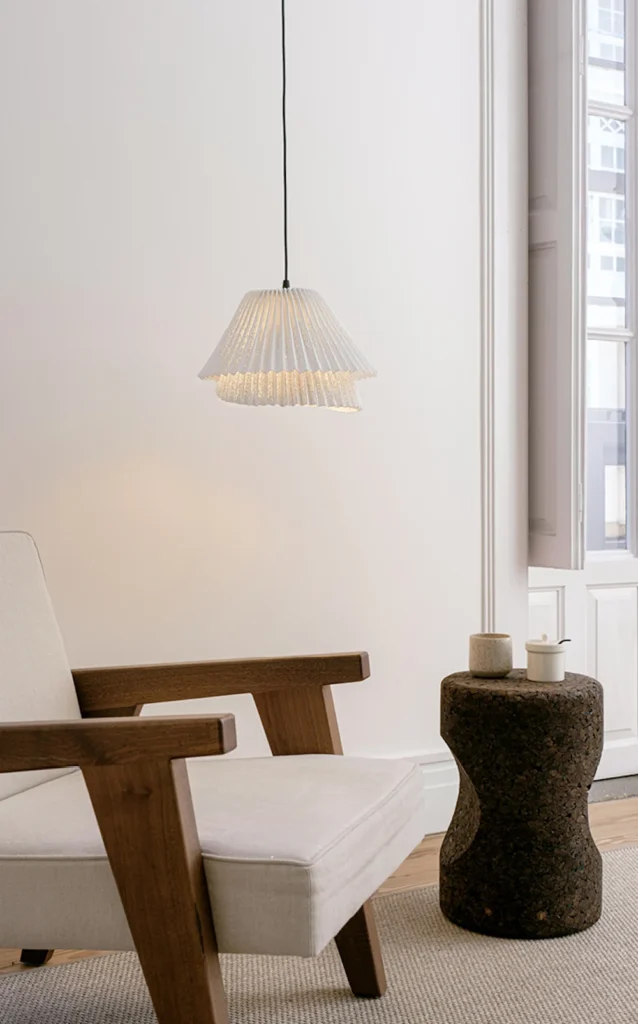
Tempo Vivace, by a-emotional light, often appears in Lightology’s best-seller highlights and promotional roundups. It feels more like a floating art piece than a simple pendant, with layered, rhythmic curves and a play of light and shadow. This kind of fixture works well above a dining table or in an entry where a dramatic focal point makes sense. The sculptural shape gives a room personality without adding clutter to surfaces, which matters in modern, open-plan spaces.
For shoppers who fear that bold fixtures might feel too trendy, Tempo Vivace strikes a balance. The design has enough drama to catch attention, but its soft curves and warm light keep it approachable. It suits design lovers who want something memorable without crossing into gimmicky territory.
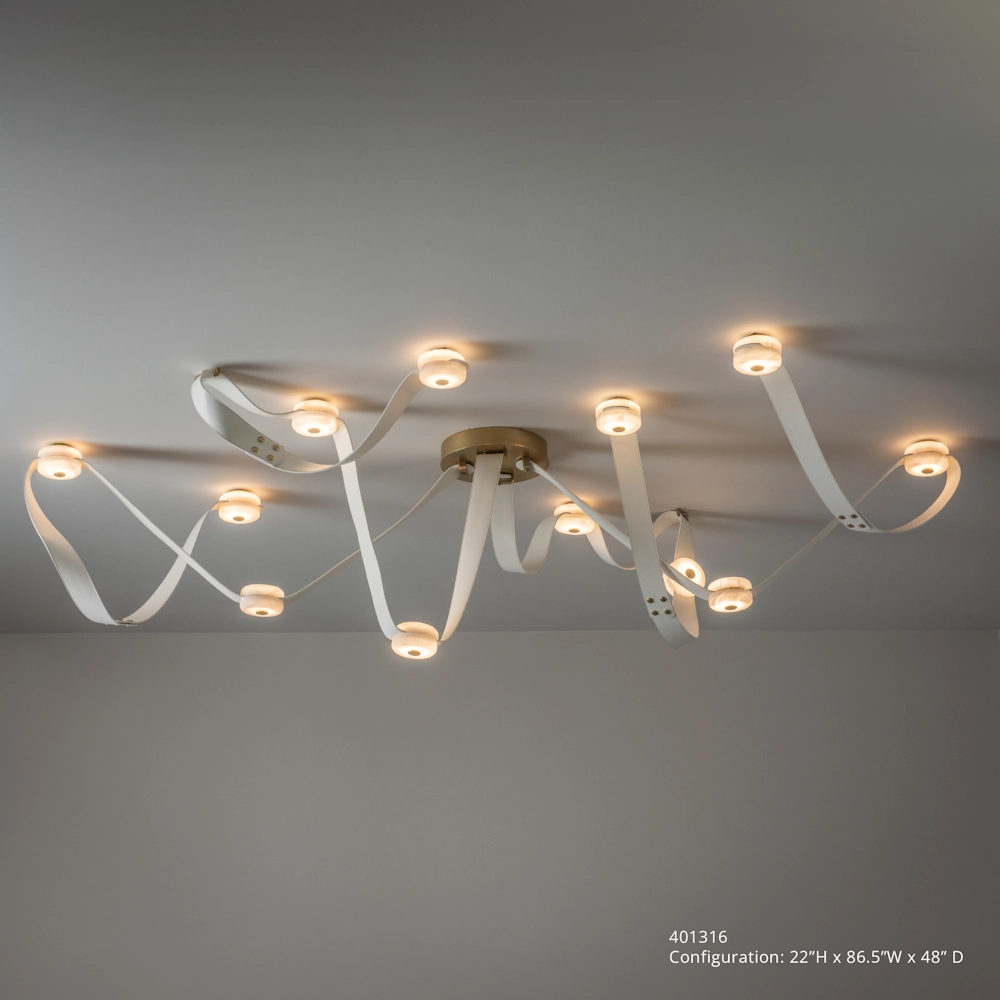
The Snaps Large Pendant, frequently promoted during Lightology sales, shows the brand’s love of warm, crafted modernism. Hubbardton Forge is known for hand-forged metalwork, and Snaps pairs that artisan feel with clean lines and a modern silhouette. The result is a pendant that looks at home over a kitchen island, breakfast nook, or cozy dining area.
Snaps tends to appeal to shoppers who like modern design but still want warmth and texture. It delivers good functional light while also adding a bit of character, especially when paired with dimmers to shift from bright task lighting to softer evening mood lighting. That flexibility makes it easy to justify as a long-term investment piece.

The Aplomb Pendant by Foscarini ranks as a top seller on Lightology for a reason. It looks incredibly simple at first glance: a small, conical pendant in concrete or sleek finishes. But that simplicity makes it unbelievably versatile. Aplomb works in singles over a small café table, in pairs over a kitchen island, or in a row down a hallway. The compact size keeps sightlines open, while the directional light handles task work with ease.
The concrete option especially fits industrial, Scandinavian, and minimalist homes where texture matters as much as form. For shoppers unsure about committing to a bold statement chandelier, Aplomb feels like a safe yet stylish upgrade from basic track lights or builder-grade pendants.
Shopping the Site: Filters, Specs, and Design Tools
When shopping online for lighting, the experience can easily feel like a slog. Lightology’s site tries to fix that with smart organization and tools that think like a designer. Categories break down by type (pendants, sconces, recessed, outdoor, furniture), but also by room, style, and brand. That makes it simple to pull up only “bath vanity lights” or “midcentury modern pendants” instead of scrolling through everything.
Filters go deeper than basic price and finish. Shoppers can narrow results by size, height, bulb type, color temperature, and even output, which helps avoid buying a gorgeous pendant that barely lights a room. For people building a whole home plan, the “room” navigation is especially useful, since it groups fixtures that typically work together in common spaces like bathrooms, dining rooms, and offices.
Product pages usually include detailed specifications, installation notes, compatible accessories, and often downloadable spec sheets. For more technical categories, like track lighting or recessed systems, the site adds resources and how-to content so customers can understand what they are actually selecting. That emphasis on education helps reduce guesswork, especially for people new to layered lighting.
Then come the design tools. Virtual consultations, design desk services, and project management tools step in when the choices feel overwhelming. ALA-certified consultants can review floor plans, photos, or inspiration boards and suggest fixtures with the right scale, beam spread, and color temperature. For trade users, the Projects feature lets teams and clients view the same fixtures, track changes, and keep all specs in one place.
The site also sprinkles in inspiration galleries and space tours that showcase real-world projects like restaurants, villas, and residential spaces, highlighting which fixtures appear in each. That content is great for visual thinkers who prefer seeing lights in context instead of isolated on white backgrounds.
The overall experience feels more curated and guided than many generic lighting sites. It still takes time to shop a massive catalog, but the tools, filters, and human help make the process feel much more manageable.
How to Save at Lightology: Sales, Coupons, and Promo Code Tips
Lighting can be a serious investment, especially when shopping designer brands. Lightology leans into promotions and offers several ways to soften the blow if shoppers use the tools available.
Seasonal sales are a big one. The brand runs high-profile events around Black Friday, Cyber Monday, and other holidays, where best-sellers and designer favorites get marked down. Social posts and promo emails call out meaningful discounts on certain fixtures, especially pendants and statement pieces like Snaps and Tempo Vivace. Those limited-time discounts often apply to curated collections, so watching those sale pages pays off.
The dedicated sale and overstock sections on the site are worth bookmarking. They gather markdowns across categories: chandeliers and pendants, wall lighting, floor and table lamps, outdoor fixtures, and even furniture and décor. Shoppers working on a tight budget can start there and build rooms around sale pieces instead of paying full price for every fixture.
Signing up for the Lightology email list is another smart move. The site encourages sign-ups with the promise of access to exclusive sales and promotions, which often include early access to major events, extra percentage-off codes, or limited-time bundles. Pairing those emails with a price-tracking or coupon-extension tool can reveal additional savings, especially if a fixture has been sitting in the cart or on a wishlist for a while.
Many shoppers also qualify for free shipping once their order crosses a certain threshold, which helps at checkout when larger fixtures and multiple items add up quickly. Trade professionals benefit from their own tier of discounts and trade-only pricing, which shows up once accounts are approved and logged in.
In short, Lightology supports both coupon hunters and long-term trade partners. Regular sales, email promotions, and trade benefits make it realistic to bring home well-designed fixtures without paying retail every time, especially if shoppers plan purchases around major sale periods.
Lightology Pros and Cons: The Straight Talk
Every retailer has strengths and weaknesses, and Lightology is no different. Here’s an honest breakdown to help decide whether it fits a specific project or budget.
Pros
Lightology brings together a massive number of fixtures from hundreds of brands, including many high-end European and boutique makers. That kind of variety lets shoppers mix sculptural statement pieces with simpler, budget-friendly options without bouncing between multiple sites.
The brand employs ALA-certified lighting consultants and specialists who offer help via phone, chat, email, virtual consultations, and in-showroom meetings. That expertise matters when dealing with dimming systems, ceiling heights, code requirements, or layered lighting plans.
Lightology’s Projects dashboard, room rendering, AR features, and 3D modeling tools make it easier to manage complex jobs and visualize fixtures in real spaces. Designers and architects can share specs with contractors and clients, generate fixture schedules, and keep everything organized in one platform.
The Chicago showroom is a true destination, with multiple stories of contemporary fixtures and artful installations that double as a real-world lighting lab. Visitors can see fixtures lit in person, which helps with decisions about scale, brightness, and finish.
Seasonal sales, Black Friday and Cyber Monday campaigns, and ongoing sale and overstock categories create plenty of opportunities to save on big-name fixtures. Combined with free shipping thresholds and trade pricing, the total value can be strong.
Cons
Because Lightology carries so many designer labels, many of the most eye-catching fixtures live at a higher price point. Shoppers looking strictly for budget lighting may find the catalog skewed toward mid-range and luxury.
A catalog this large can feel intimidating. Even with filters and categories, some shoppers may need help from consultants or inspiration pages to avoid decision fatigue.
Lightology leans strongly modern and contemporary. Those who prefer very traditional or ornate looks may find fewer options that feel right for historic or heavily classic spaces.
Track lighting, architectural recessed systems, and multi-component setups demand careful coordination between fixtures, transformers, controls, and installation. Lightology provides tools and support, but projects still require time and attention from both customers and trades.
Overall, the pros weigh heavily in favor of shoppers who value design, expert support, and long-term quality. The cons mostly revolve around budget, personal style, and the effort required to plan more complex lighting schemes.
Final Verdict: Who Lightology Is Really For
Lightology makes the most sense for shoppers who see lighting as more than a last-minute add-on. It suits people who want their home, office, or commercial space to feel cohesive, intentional, and modern, and who are willing to spend a bit more time upfront to get there. The brand offers depth for design professionals and confidence for homeowners who want guidance rather than guesswork.
For someone renovating a kitchen, refreshing a living room, or building a new home, Lightology offers almost everything needed in one place: pendants, chandeliers, recessed lights, under-cabinet systems, outdoor fixtures, fans, furniture, and décor. Add in expert consultations and tools like AR previews and project dashboards, and the process begins to feel less stressful, even when the space is complex.
The brand really shines for trade professionals and serious design enthusiasts. The Projects feature, renderings, and trade program perks cater directly to interior designers, architects, and builders juggling multiple spaces and clients. That partnership mindset makes Lightology feel less like a one-off retailer and more like an ongoing resource.
Shoppers on tight budgets or those who lean heavily traditional may not find Lightology to be the perfect match. However, the sale and overstock sections, plus seasonal promotions and coupons, offer plenty of opportunities for budget-conscious upgrades, especially when shoppers time purchases around big events.
In the end, Lightology stands out as a modern lighting destination that blends gallery-level inspiration with real-world tools and support. For anyone who wants lighting that actually transforms a space—and not just lights it up—this brand deserves a spot at the top of the shortlist, especially when paired with smart use of promos and strategic shopping around its best sales.