
Pond5 Review: A Deep Library of Royalty-Free Stock Media for Serious Creative Work

Pond5 has built its reputation around one core promise: giving creators access to a broad, flexible, professional stock media marketplace centered on video and expanding into music, sound effects, motion graphics, and visual assets. For filmmakers, editors, marketers, documentary producers, social media teams, and agencies, that matters because stock platforms are only as useful as their range, licensing clarity, and search experience. Pond5 checks those boxes in a way that feels tailored to actual production needs rather than casual browsing.
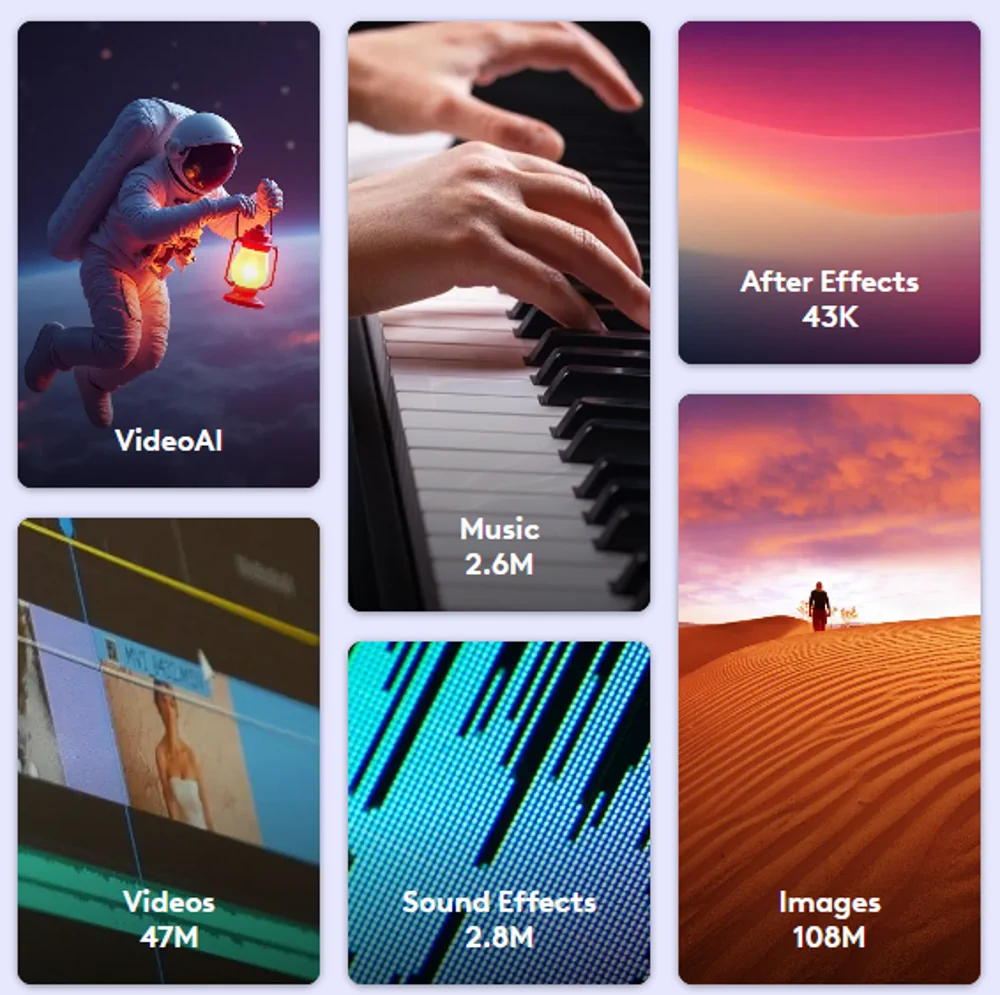
The brand is especially strong for video-led workflows. Its library includes creative footage, editorial footage, archival media, exclusive footage, vertical video, music tracks, sound effects, After Effects templates, photos, illustrations, and Photoshop PSD assets. That breadth gives it real value for modern content production, where one project often needs multiple asset types instead of just a single clip. A short-form campaign may need background footage, transitional sound effects, a music bed, and supporting graphics. A documentary team may need archival visuals and editorial footage. A YouTube editor may want quick access to b-roll, text templates, and licensed music in one place. Pond5 clearly understands that creative work rarely happens in one format only.
Another reason Pond5 stands out is how firmly it leans into licensing simplicity. The platform emphasizes royalty-free use, worldwide distribution, and license inclusion at purchase, which removes a large amount of uncertainty from the buying process. That does not mean every asset can be used in every imaginable way without restrictions, but it does mean the buying experience is built around clarity rather than confusion. For creators working under deadline, that is a major advantage. A platform that saves time on licensing review is often just as valuable as a platform that saves money.
Pond5 also benefits from scale. Its About page highlights more than 85,000 video artists and a library of 48 million video clips, giving it the kind of depth that helps when a project calls for a very specific subject, camera angle, mood, or niche visual concept. This scale is not just a bragging point. It is part of the platform’s practical appeal. Big libraries create better odds of finding footage that feels fresh, less overused, and more closely matched to a creative brief.
For anyone evaluating stock media platforms, Pond5 deserves attention because it is not simply a generic content warehouse. It is a production-oriented marketplace with strong video DNA, broad supporting asset categories, flexible purchase paths, and contributor-driven variety. That combination makes it one of the more compelling options for creators who need more than just a few filler clips.

The Core Strength of Pond5: A Video-First Marketplace with Serious Depth
Pond5’s biggest advantage is still the one that made it famous in the first place: video. While many stock platforms expanded into footage after building around photography, Pond5 has long leaned into moving image content as its identity. That matters because video buyers tend to care about different things than image buyers. They need sequence variety, mood consistency, motion quality, production realism, editorial relevance, and less repetitive visual language. Pond5’s catalog is built to serve those needs.
The platform highlights creative footage, news and archival footage, exclusive footage, and vertical videos, which gives buyers room to source content for very different purposes. Creative footage serves branded storytelling, ad creative, YouTube editing, event recaps, educational video, and digital campaigns. Editorial and archival collections support documentaries, news-adjacent media, historical storytelling, and culture-driven projects. Vertical video helps social teams and mobile-first marketers who need assets optimized for current platform formats rather than old widescreen defaults. That category spread makes Pond5 highly relevant to how content is actually produced now.
The size of the library strengthens this advantage. Pond5 states that it has 48 million video clips and more than 85,000 video artists. That scale improves the buyer experience in a practical way. It makes niche discovery more realistic. Instead of settling for generic drone footage, bland office scenes, or overused city timelapses, creative teams can search deeper into subject matter and find footage that feels more specific. That specificity is often the difference between a polished, expensive-looking project and one that feels assembled from the same stock footage everyone else already used.
The editorial side is also worth noting. Pond5 says its editorial collection includes content from top editorial agencies, with new content added daily. That gives the brand more relevance for producers who work in documentary storytelling, current events, archival montage, and cultural retrospectives. Many platforms offer broad commercial stock, but fewer feel genuinely useful when the project requires timely, contextual, newsworthy, or historically grounded footage. Pond5’s partner-based editorial access strengthens its value for those use cases.
There is also a curation layer that improves the experience. Pond5 highlights handpicked collections researched and compiled by an expert curation team. Collections matter because huge libraries can become overwhelming if they are not organized well. Curated pathways help buyers move faster, spark ideas, and find style-consistent assets for mood boards, campaigns, and branded storytelling. Search matters, but curation matters too. Pond5 appears to understand both sides of discovery.
For creators whose work depends heavily on footage, Pond5’s video-first structure gives it a clear identity. It is not trying to be everything at once without a center. Video remains the core, and the rest of the platform expands outward from that strength.
Beyond Footage: Music, Sound Effects, Templates, and Visual Assets
A stock media platform becomes much more useful when it supports the full editing process instead of just one stage of it. That is where Pond5 gains another layer of value. The platform is not only about clips. It also offers music tracks, sound effects, After Effects templates, photos, illustrations, and Photoshop PSD assets. For modern creators, that turns Pond5 from a footage source into a broader production toolkit.
Music and sound effects are especially important. A good edit can fail if the sound design feels empty, too generic, or legally uncertain. Pond5’s music and SFX offerings make it possible to source mood, atmosphere, transitions, impacts, ambient texture, and emotional tone inside the same ecosystem where footage is licensed. That may sound like a convenience feature, but it becomes a real efficiency advantage when teams want fewer platforms, fewer invoices, fewer license terms to compare, and less back-and-forth between editors and producers. A creator cutting a brand video, pitch reel, podcast trailer, explainer, or social ad often needs all of these asset types in one production cycle. Pond5 supports that workflow directly.
The motion graphics side also deserves attention. After Effects templates are valuable because they shorten turnaround time for intros, transitions, titles, lower thirds, motion backgrounds, and other repeated production needs. Not every project budget allows a motion designer to build every element from scratch. Templates offer a middle ground between custom design and bare-bones editing. When these are paired with footage and music from the same platform, the entire post-production process becomes more streamlined.
The visual asset side helps expand Pond5’s appeal beyond video editors alone. Photos and illustrations matter for presentation decks, web design, brand collateral, social posts, ad mockups, and thumbnail creation. Photoshop PSD templates add another layer for designers who want editable structure instead of only flat finished visuals. These categories make Pond5 more useful to mixed creative teams, not just single-role editors. A marketing department can use the same platform for video, static visual support, and sound. That kind of consolidation has real operational value.
The platform also hints at evolving with industry shifts. Its homepage references AI video generation services, and its legal materials mention credit packs that can be used for licensing stock media or generating output through Pond5’s generative AI services. That suggests Pond5 is not standing still as production tools change. Whether every buyer will care about AI generation is another question, but its inclusion shows that the company is watching where the market is moving and building product options around that direction.
Taken together, these categories make Pond5 more than a stock video site. It becomes a practical resource hub for creators who need to move from concept to finished output without switching ecosystems every few steps.

Licensing, Usage Rights, and the Confidence Factor
One of the most important parts of any stock media purchase is not the asset itself. It is the confidence to use that asset correctly. A platform can have millions of files, but if buyers feel unsure about what they can legally do with them, the library becomes far less useful. Pond5 performs well here because it puts licensing clarity near the center of the buying experience.
The site emphasizes that its license is simple, comprehensive, and included in the purchase. It also highlights use-forever royalty-free access and worldwide distribution. Those points matter because many buyers are not looking for licensing theory. They want quick, practical certainty. Can the asset be used in commercial work? Can it appear on YouTube, TikTok, websites, presentations, podcasts, film and TV, or online ads? Pond5 explicitly lists many of those use cases right on the site, which helps reduce hesitation and makes the platform feel more production-ready.
The pricing FAQ adds more detail by stating that media purchases include an Individual License that is royalty-free, works for personal or business projects, supports worldwide distribution, and allows use forever across an unlimited number of projects. That is an attractive framework for freelancers, solo creators, and many business users because it reduces the risk of accidental under-licensing. It also simplifies internal approval for teams that need to move quickly and do not want to renegotiate rights file by file.
At the same time, Pond5 does not pretend all content is identical. Its buyer FAQ includes guidance around editorial-only media, commercial use, individual, business, and premium license tiers, enterprise licenses, indemnification, and sensitive use. That range is a sign of maturity. A serious licensing platform should not flatten every use case into one oversimplified promise. It should offer clarity while still acknowledging that some media categories and project types involve different requirements. Pond5 appears to do that by pairing a broadly accessible default license structure with more advanced support for larger or more specialized use cases.
This is especially valuable for agencies, production companies, and brands operating across many channels. A license that looks simple on the surface but has weak definitions underneath can create downstream legal stress. Pond5’s emphasis on license information, support contact options, and structured FAQ content suggests that licensing is treated as a real product feature, not just a legal appendix hidden in the footer. That matters for risk management.
In practical terms, this means Pond5 works well for creators who want speed without recklessness. The platform supports common media use cases with plain, visible guidance, but it also has the depth to support teams with more complicated licensing questions. That balance is one of the reasons the brand feels professional rather than merely convenient.
Buying Experience, Search Tools, and Flexible Purchase Options
A massive stock library only becomes valuable when buyers can actually navigate it. Search quality, filtering, purchase flexibility, and overall usability matter just as much as raw asset count. Pond5 appears to understand that, and much of its appeal comes from how it organizes access rather than simply how much content it hosts.
The homepage emphasizes a wide search-driven experience, along with curated collections and a visual similarity search feature. That last feature is particularly useful because buyers often know the style they want more easily than the exact words to type for it. Visual similarity tools can save time in those moments, especially for editors or art directors searching by mood, framing, texture, or composition rather than literal subject keywords. Large libraries often become frustrating when they depend too heavily on text search alone. Tools that support discovery from multiple angles make the system more usable.
Curated collections also strengthen the browsing experience. Pond5 promotes featured collections such as exclusive, editorial, archival, and free media, as well as handpicked theme-based collections. That helps buyers move faster when they are in inspiration mode rather than exact-match mode. In creative work, both modes matter. Sometimes a team knows they need aerial footage of a city at dusk. Other times they simply need something cinematic, delicate, abstract, energetic, or documentary-like. Collections help bridge that gap between idea and asset.
Purchase flexibility is another major advantage. Pond5 states that buyers can pay per item, buy prepaid credit packs, or choose a subscription. It also offers enterprise options and free project help. This matters because different buyers work on very different rhythms. A freelancer cutting one brand film may want one-off purchases. A content studio producing daily output may prefer subscriptions. An agency or corporate team may need invoicing and a more structured business arrangement. Pond5’s multiple paths make it easier for the platform to serve occasional users and heavy-volume users at the same time.
The pricing structure also includes a practical detail that buyers should remember: credit packs are valid for one year. That is useful for teams that want prepaid flexibility without immediately committing to subscription volume, but it also means stockpiling credits without a plan may not be the smartest move. For organized creative teams, though, credit packs can be an efficient middle option between a la carte purchasing and ongoing subscriptions.
Support is another part of the buying experience. Pond5 highlights real human support and free project help, and it points buyers toward customer support for licensing questions. For production environments, that matters more than many people admit. When a deadline is close and a usage question comes up, responsive support can save a project from delay.
Overall, Pond5’s purchase experience feels designed around real production behavior. Search, curation, flexible plans, and support all work together to make a very large media library feel more usable and less intimidating.
Who Pond5 Is Best For: Filmmakers, Marketers, Agencies, and Content Teams
Pond5 is not equally ideal for every kind of buyer, but it is especially strong for users whose work depends on frequent, varied, production-grade media sourcing. The platform clearly serves filmmakers, marketers, media organizations, and professional creative teams, and that focus comes through in both its product categories and its messaging.
Filmmakers are a natural fit. The platform’s scale in video, along with editorial, archival, and exclusive footage collections, makes it especially valuable for documentary producers, independent filmmakers, trailer editors, and post-production teams. A filmmaker often needs more than a beautiful clip. They need emotional range, authentic context, establishing shots, cutaway material, historical material, or highly specific subject coverage. Pond5’s depth helps with that kind of sourcing. The ability to pair footage with music and sound effects on the same platform only strengthens its value in a production workflow.
Marketers are another strong match. Brand teams and ad creatives often need versatile footage that can move across social, web, email, presentations, online ads, and broadcast. Pond5 explicitly names many of those usage channels, which makes it easier for marketing teams to evaluate fit. Vertical video support is also important here, because modern campaigns often begin on mobile platforms rather than treating mobile as an afterthought. For agencies producing content across multiple formats, Pond5 becomes a useful all-in-one media vendor rather than just a video stop.
Media organizations also benefit from the platform’s editorial and archival orientation. News-adjacent storytelling, documentary specials, trend explainers, culture pieces, and historical retrospectives often need rights-aware footage access at scale. Pond5’s editorial collection and partner content make it more relevant for these workflows than a stock library focused only on polished commercial visuals.
Content creators and social teams can benefit too, though the value depends on volume. A solo YouTuber making occasional edits may use only a small portion of the platform’s capabilities. But a creator publishing often, especially across YouTube, TikTok, Instagram, podcasts, and branded channels, can get significant value from having music, SFX, footage, and templates together in one marketplace. That reduces friction and speeds up production cycles.
Pond5 may be less compelling for someone who only needs occasional still photos and has no video workflow at all. It can still serve that need, but its strongest identity remains video-centered. That is not a weakness. It is part of its clarity. Pond5 knows the kind of creative work it is built to support, and it serves that audience well.
The Contributor Side and Why It Strengthens the Marketplace
A stock media marketplace is only as strong as its contributor ecosystem. Buyers often focus on the front-facing library, but the quality, freshness, variety, and niche specificity of that library depend on whether contributors actually see value in participating. Pond5’s contributor structure helps explain why its catalog remains broad and distinctive.
The contributor portal makes clear that Pond5 is actively built around creator participation. It provides resources for uploading, tagging, pricing, legal guidelines, model and property releases, community forums, buyer requests, top categories, and data trends. That kind of infrastructure matters because it helps contributors make better work for the marketplace rather than simply dumping files into a catalog. A well-supported contributor base tends to produce stronger metadata, more commercially useful assets, and more thoughtful portfolio development.
The payout structure is also straightforward. Pond5 states that exclusive video contributors receive a 40 percent revenue share, while non-exclusive video contributors receive 30 percent. Other media types such as music, sound effects, photos, illustrations, After Effects, and templates receive a 30 percent royalty share. Dataset earnings are listed separately at 20 percent. The contributor system also includes referral, subscription, global market, and partner earnings. These details show that Pond5 is not only trying to attract contributors but also creating multiple ways for contributor content to earn.
The platform also encourages creation around market demand. Its contributor tools include shoot briefs, music briefs, buyer requests, and data trends. That is important because strong stock marketplaces do not just collect supply. They help align supply with demand. When contributors are guided toward themes, categories, and trends buyers actually need, the marketplace becomes more useful for everyone. Buyers find more relevant assets. Contributors improve their chance of sales. The platform gains more practical depth.
The existence of a large, active contributor community also helps explain the platform’s long-tail strength. It is easier to find unusual footage, regional specificity, niche visual subjects, and diverse creative styles when tens of thousands of creators are participating globally. Pond5 explicitly notes worldwide contributors, and that global spread helps the marketplace avoid feeling too narrow or visually repetitive.
From a buyer’s perspective, a healthy contributor ecosystem translates into more choice and more originality. From a market perspective, it helps Pond5 remain dynamic instead of static. That contributor energy is a major part of why the platform continues to feel relevant, especially for projects that need something more specific than generic stock media.
Pros and Cons of Pond5
Pros
Pond5’s strongest advantage is the sheer scale and variety of its video library. With millions of clips and a strong emphasis on creative, editorial, archival, exclusive, and vertical footage, it offers real depth for serious production work.
The platform does not stop at footage. Music tracks, sound effects, After Effects templates, photos, illustrations, and Photoshop PSD files make it much more useful for end-to-end content production.
Pond5 emphasizes license inclusion, royalty-free use, worldwide distribution, and long-term usability. That clarity makes it easier for buyers to move faster and with more confidence.
A la carte purchases, credit packs, subscriptions, enterprise support, and project help give the platform flexibility across different user types and budget levels.
Not every stock platform feels strong in documentary or news-adjacent work. Pond5’s editorial collections and partner content give it more relevance for those use cases.
A large global contributor base helps keep the library broad and varied, which increases the odds of finding footage that feels less overused.
Cons
A very large catalog can be a strength, but it can also feel heavy for beginners or buyers who only need simple assets occasionally.
Creators who produce content regularly will likely get more out of Pond5 than users with very light or rare media needs.
Although the platform is clearer than many competitors, editorial-only content, tiered licenses, and certain usage categories still require buyers to read carefully.
Credit packs expire after one year, which may be inconvenient for teams that buy in bulk but license assets slowly.
Those who mainly need photography and have little or no video workflow may not feel the full value of what makes Pond5 special.
Final Verdict: Is Pond5 Worth Using?
Pond5 is a strong, professional stock media platform that earns its reputation through depth, flexibility, and production relevance. It stands out most clearly for video, but its broader asset ecosystem gives it value far beyond footage alone. Music, sound effects, templates, photos, illustrations, and PSD resources help turn it into a more complete creative marketplace rather than a narrow content library. That alone makes it useful for agencies, editors, filmmakers, and brand teams trying to reduce tool sprawl.
Its biggest strength is that it feels built for real creative work. The asset categories reflect how projects are actually made today. The licensing language is visible and confidence-oriented. The purchase paths acknowledge that different teams buy differently. The contributor ecosystem keeps the library active and diverse. The editorial and archival layers make it more versatile than platforms that focus only on polished commercial stock. In short, Pond5 does not feel like a marketplace trying to imitate production needs from the outside. It feels shaped by them.
That said, it is not a one-size-fits-all answer. Casual users may find the platform more robust than they need. Very occasional buyers may not take full advantage of subscriptions or credit packs. Some specialized use cases still require careful reading of license details. But those are normal trade-offs for a serious stock media platform. They do not diminish the overall strength of the service.
For creators who work in video-first environments, Pond5 is especially compelling. For marketing teams and content departments that need cross-format assets, it is also highly practical. For documentary producers and editorial storytellers, the platform’s depth becomes even more valuable. And for creative professionals who care about variety, scale, and licensing confidence, Pond5 remains one of the more substantial options in the stock media space.
The bottom line is simple. Pond5 is not just useful because it has a large library. It is useful because that large library is paired with production-minded structure, meaningful asset variety, and a licensing framework that supports actual creative output. That combination makes it a brand worth taking seriously.