
Riley Parenting App Review: An In Depth Look at a Modern Support Tool for Families
Riley is designed to support parents who want a reliable, organized, and intelligent way to track their child’s growth and daily routines. The platform positions itself as a modern parenting companion that blends practical tracking tools with personalized guidance rooted in child development research. In a world where parents often face a flood of conflicting information, mobile apps, articles, and well meaning advice, Riley sets out to simplify the experience. The platform brings together data logging, milestone support, and helpful insights, all within one clean and easy to use interface.
The goal is to help parents feel more confident and more informed as they navigate everything from newborn sleep patterns to toddler development. Riley uses a combination of tracking features and adaptive suggestions based on each child’s profile. This allows the platform to offer guidance that is intended to feel tailored to each family’s needs. The app covers ages from birth to four years old, and it encourages parents to build a consistent understanding of their child’s daily rhythms. In a landscape filled with tools that often feel scattered, Riley positions itself as a single hub where parents can manage information and access clear, straightforward support. The app relies on a foundation of developmental science, and it aims to turn complex concepts into simple, actionable guidance that parents can use in real life. This introductory look sets the stage for a deeper exploration of the features, strengths, and limitations that define Riley’s approach to parenting support.
Background and Purpose of Riley
Riley was created to address a common experience among new parents, which is the feeling of being overwhelmed despite the abundance of available resources. Parents often prepare for months before a baby arrives, yet many still find themselves uncertain once day to day routines begin. The creators of the app recognized that the issue is not a lack of information, but a lack of structure and personalization. Most parents turn to internet searches when they need help, and this usually leads to conflicting advice that can increase rather than relieve anxiety. Riley attempts to solve this by offering a platform that transforms information into personalized, practical guidance based on a child’s age, behavior patterns, and developmental stage.
The purpose behind the app is to blend tracking tools with supportive insights in a way that feels less like a static reference guide and more like an evolving companion. Riley’s mission is to help parents feel prepared and capable, not by eliminating questions, but by simplifying the process of finding accurate and relevant answers. The app focuses heavily on clarity. Parents are encouraged to input data about sleep, feeding, diapers, and behaviors, and Riley uses that information to produce insights about patterns and developmental readiness. By doing so, the app aims to reduce the guesswork that often leads to stress or unnecessary worry. It also focuses on improving communication within households by supporting multiple caregivers who need consistent access to the same information. Riley’s background reflects an effort to bridge the gap between everyday parenting tasks and research backed guidance, and its purpose is to offer families a steady resource they can return to as their child grows.
Core Features of Riley
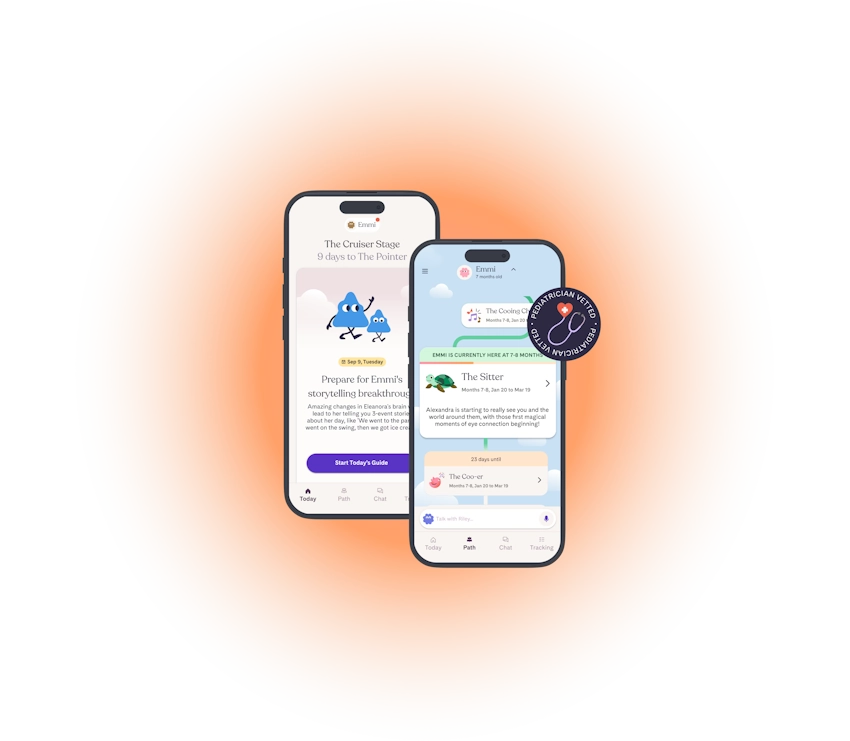
Riley includes a broad list of features that are designed to support parents with both daily tasks and long term development. One of the primary tools is its detailed tracking system, which lets parents log sleep schedules, naps, feeding sessions, diaper changes, and growth measurements. These logs provide structure during the most chaotic early months of parenting, and they help families identify patterns that can be difficult to see without consistent data. Parents can quickly track how long a baby slept, when they ate, or how often diapers were changed, and this information becomes the basis for customized suggestions from the app. This reduces uncertainty and helps caregivers make informed decisions about routines.
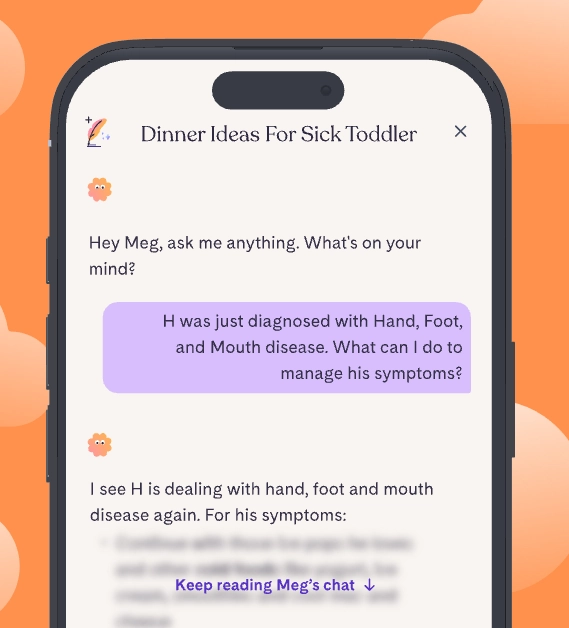
Another core feature is milestone and developmental tracking. For children from birth through age four, Riley provides a clear outline of expected developmental areas such as motor skills, communication, cognition, and social behavior. The app presents these milestones in a way that is easy to understand, and it includes suggestions for activities that support growth. Instead of overwhelming parents with large blocks of information, Riley breaks down development into manageable pieces and helps caregivers monitor progress over time. The app also includes an intelligent advisory function, which blends data from the user’s logs with research based information to offer personalized tips or explanations. Parents can ask questions within the app and receive responses designed to be supportive, clear, and practical. This provides an accessible form of reassurance, especially during late nights or stressful moments.
Finally, the app includes multi caregiver support, which allows multiple people to log data and access shared information. This is helpful for families with grandparents, babysitters, or nannies, and it ensures that everyone follows the same routines and stays informed. These combined features position Riley as a complete platform for organizing parenting responsibilities and developmental guidance.
Strengths and Benefits of Using Riley
Riley’s strengths become most evident when considering how parents typically manage early childhood routines. One major benefit is the unification of tracking, guidance, and communication within a single platform. Many parents rely on separate apps for sleep, feeding, and milestones, and this fragmentation can create confusion. Riley eliminates this problem by centralizing everything. With all information in one place, caregivers can easily understand their child’s patterns and check progress without needing to switch between multiple tools.
Another strength is Riley’s emphasis on personalized guidance. Instead of offering general advice that may or may not apply to a specific child, the app uses the data entered by parents to adjust its suggestions. A child who takes long naps, for example, may receive different insights than a child who wakes frequently. A toddler showing early language skills may receive tailored activity suggestions designed to support that area of development. This type of personalization increases the usefulness of the guidance and makes the app feel more relevant to each family’s experience.
Riley also excels at providing emotional support. Parents often feel uncertain, especially during stages like sleep regressions or transitions in feeding. The ability to ask questions within the app and receive thoughtful guidance can reduce stress and help parents feel more in control. The platform’s tone is designed to be warm, reassuring, and non judgmental, which helps foster trust. In addition to these advantages, Riley’s design is clean and organized. The interface is carefully structured so that busy parents can navigate without confusion. This attention to user experience is important because exhausted caregivers benefit from tools that are simple and intuitive. These strengths make Riley useful for families seeking a reliable, organized, and science based approach to parenting support.
Limitations and Considerations
Although Riley offers many helpful features, it also presents several limitations that parents may want to consider. First, the app is still relatively new, and new platforms often encounter growing pains as features expand and users increase. While the app continues to improve, there may be times when certain features feel incomplete compared to long established tracking tools. Early stage platforms also rely heavily on user feedback, which means that updates and improvements may roll out gradually.
Another limitation relates to data entry. Riley’s personalized guidance is only as accurate as the information it receives, so parents who do not consistently log sleep, feeding, or other details may not receive the full benefit of the platform. Caregivers with very busy schedules may find it challenging to track every detail, and inconsistent logging can reduce the precision of insights. In addition, the app provides research based guidance, but it is not a medical tool. Parents who need medical or clinical advice must still consult healthcare professionals. Riley is designed to offer support and structure, not formal diagnosis or medical recommendations.
Platform availability is another potential drawback. At the moment, the app is primarily accessible on iOS devices, and families using Android may not have access. This creates limitations for households with mixed device types. Finally, some parents may find that tracking every detail introduces more responsibility rather than reducing it. While many find the structure helpful, others may feel overwhelmed if they feel obligated to log every change, nap, or feeding. For those who prefer a less structured approach, Riley’s detailed system may feel more rigid than necessary. These considerations are important to weigh when deciding whether Riley fits a family’s style and needs.
Comparison With Other Parenting Apps
The parenting app market includes a wide range of tools, each with a different focus. Some platforms specialize in sleep tracking, others emphasize milestone education, and some provide community based support. Riley differs from many competitors by combining these areas into a single, integrated system. Its approach blends structured data tracking with personalized developmental guidance, creating a hybrid tool that offers more than a simple logbook or article library.
Compared to basic trackers, Riley offers more context behind the numbers. A simple sleep tracking app might show how long a child napped, but Riley pairs this information with insights about patterns and potential developmental connections. This combination makes the experience feel more comprehensive than what parents might find in standalone applications. When compared to advice based apps that focus mainly on articles or general guidance, Riley delivers more personalization. Instead of presenting an entire library of suggestions, it narrows down the information based on a child’s age, behavior patterns, and parental concerns.
The app also stands apart through its multi caregiver functionality, which is not always present in traditional tracking tools. Families with shared caregiving responsibilities may find this feature especially valuable. While Riley does not replace medical tools, does not include community forums, and does not offer every feature available on the market, it succeeds at creating a unified and purposeful ecosystem. This makes it a compelling option for families who want a single resource that manages data, milestones, and personalized insights in a cohesive way. The comparison highlights Riley’s strengths while also clarifying that parents looking for specialized niche features may prefer apps designed for very specific tasks.
Best Fit and Ideal Users
Riley is especially well suited for certain types of families, and understanding the ideal user helps clarify the value it provides. The app is highly beneficial for first time parents who want a sense of structure during the early stages of parenting. These parents often face the steepest learning curve, and a tool that organizes routines and provides consistent guidance can make daily tasks feel more manageable. Riley also supports parents who appreciate detailed information. Those who want to understand patterns, track progress, and make informed decisions will find the platform particularly helpful.
The app also works well for families with multiple caregivers. When more than one person handles feeding, naps, or playtime, it becomes important to keep information synchronized. Riley’s shared access feature ensures that everyone can track changes and follow the same routines. Additionally, the app is designed for families who value evidence based developmental guidance. Parents seeking structured and research driven information about milestones, skills, and age appropriate activities will appreciate Riley’s clear explanations and targeted suggestions.
Working parents may also benefit from the centralized nature of the platform. Instead of searching multiple apps or websites, Riley places key information in a single location, which saves time and reduces stress. Finally, the app appeals to caregivers who want emotional support during the early years of parenting. The ability to ask questions and receive helpful responses creates a sense of connection that many parents find reassuring. Riley is not intended to replace medical professionals or highly specialized tools, but it provides significant value as a comprehensive support system for everyday family needs.
Pros and Cons
Pros
Riley combines sleep logs, feeding records, diaper tracking, and developmental milestones into one organized platform, which removes the need for multiple separate apps.
The app offers research based suggestions that adjust to a child’s age, behavior patterns, and developmental profile, helping parents receive guidance that feels specific and relevant.
Riley allows multiple caregivers to access and update shared information, which improves communication and consistency across families with nannies, grandparents, or other helpers.
The platform presents milestones and age appropriate activities in clear steps that help caregivers understand and support a child’s growth without feeling overwhelmed.
By using the data parents log, Riley identifies patterns in sleep, feeding, and behavior, helping families make more informed decisions about routines.
Parents can ask questions directly within the app and receive helpful, supportive responses that provide clarity during moments of confusion or uncertainty.
Riley’s interface is designed to be simple and easy to navigate, which helps tired parents quickly find the information they need without unnecessary complexity.
Cons
Riley is primarily available on iOS, which restricts access for families who rely on Android devices or mixed device households.
The quality of Riley’s insights depends on the consistency of user input, and parents who cannot log details frequently may receive less accurate guidance.
Final Thoughts
Riley is a thoughtfully designed parenting app that aims to bring clarity, structure, and personalized support into the early years of raising a child. By combining tracking tools, developmental guidance, and intelligent insights, the platform serves as a comprehensive companion for families seeking organization and confidence. Its focus on personalization helps distinguish it from generic advice based tools, and its clean design makes it accessible for busy caregivers.
While the app is still growing and has limitations related to data input and platform availability, it offers real benefits for parents who value structured support. Riley is a strong choice for families who want a single system for monitoring routines, understanding milestones, and accessing dependable guidance. It simplifies complex challenges and helps parents feel more prepared as their children grow. For many households, Riley provides a meaningful way to stay organized and informed during some of the most formative years of childhood.