
Sihoo Review: Ergonomic Furniture Built for Long Hours, Better Posture, and a Smarter Workspace

Sihoo is an ergonomic furniture brand centered on one of the most practical categories in modern home and office life: products that support the body during long hours of sitting and working. The official store makes that focus clear. Its catalog revolves around ergonomic office chairs, mesh seating, gaming-oriented seating, and standing desks, with a strong emphasis on posture support, adjustability, and everyday comfort. The brand also highlights design values such as ergonomic engineering, modern styling, durable construction, and broad user trust, which together shape the overall impression of a company that wants to serve people who spend a serious amount of time at a desk.
That matters because ergonomic furniture sits in a category where empty claims are common. Nearly every chair brand promises support. Nearly every desk brand talks about productivity. What separates one company from another is not just whether it uses the word ergonomic, but whether its product line actually reflects that promise in a consistent way. Sihoo appears to understand this. Its range is not scattered across unrelated home items. Instead, it stays close to core workspace essentials, especially chairs that are built around lumbar support, headrest adjustment, breathable materials, and movement-friendly back structures. Even its standing desk offerings fit naturally into the same ecosystem, giving the brand a more coherent identity than many furniture stores that simply sell office products as a side category.
A second strength is that Sihoo does not treat ergonomics as a luxury-only concept. The collections page shows price-banded chair groupings, bestseller sections, category pages for specific chair types, and a product mix that ranges from more accessible ergonomic models to more advanced options. That suggests a brand trying to serve different budgets rather than limiting itself to a narrow premium tier. For shoppers, this is important. A brand becomes more useful when it offers a ladder: entry-level models for basic support, mid-range models with stronger adjustability, and higher-end models for users who want refined back support, seat depth features, or more specialized ergonomic tuning. Sihoo’s catalog structure points in exactly that direction.
The overall impression is that Sihoo has built its identity around a realistic everyday problem. People work too long in poor seating. Desks are often static. Posture suffers. Back strain builds. A furniture brand that keeps its focus on solving those issues has a clearer reason to exist than one that simply follows office trends. Sihoo’s product mix, branding language, and featured categories support that identity well. It comes across as a specialized ergonomic workspace brand rather than a generic furniture retailer trying to sound technical.
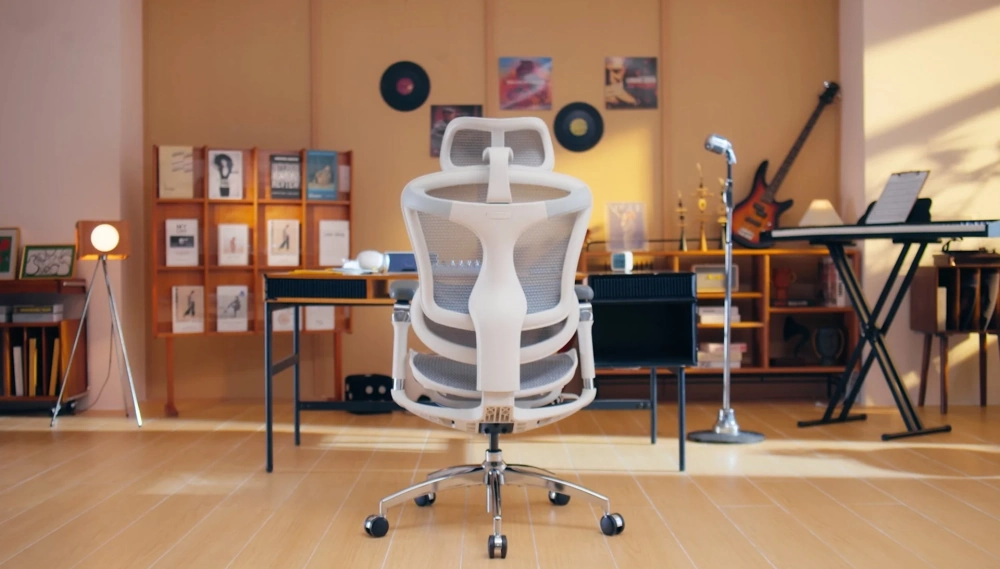
Product Range and What the Brand Does Best
The clearest strength of Sihoo’s catalog is that it is broad enough to be useful, but narrow enough to stay disciplined. The store’s main categories include ergonomic chairs, mesh office chairs, gaming chairs, and standing desks. That product mix makes sense because these are closely related purchases. Many people shopping for an ergonomic chair are also considering a height-adjustable desk, and many buyers comparing office chairs are deciding between work-focused and gaming-oriented formats. Sihoo keeps those decisions inside one brand ecosystem, which simplifies the shopping journey and makes the catalog feel intentional rather than random.
The chair side of the business is especially developed. The official collections and category pages highlight product families such as the Doro line and individual models like the C300, C300 Pro, M18, M57, M59AS, S100, and S300 across different regional Sihoo properties. That range suggests that Sihoo is not relying on a single hero product. Instead, it is building around a platform approach, where different chairs answer different needs. Some models emphasize advanced back support. Some appear designed for long sitting. Some focus on dynamic lumbar systems, mesh construction, or broader ergonomic adjustability. This gives the brand stronger depth than companies that sell one or two recognizable chairs and then rely mainly on marketing.
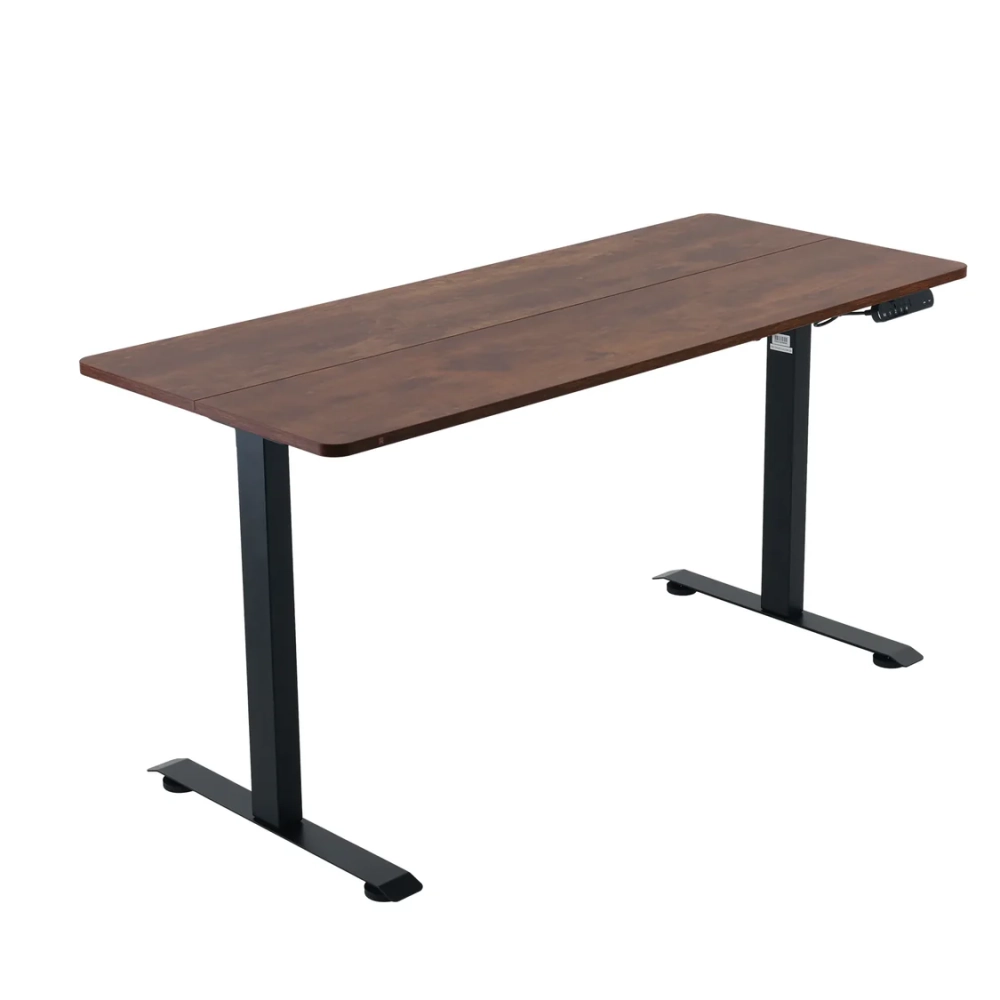
The standing desk category adds another useful layer. A brand that sells ergonomic chairs without offering sit-stand desks only solves part of the workspace equation. Sihoo’s D03 standing desk and standing desk category show that the company understands ergonomic comfort as a system rather than a single product. A user can improve posture through chair adjustments, but long-term workspace comfort often comes from changing position during the day as well. By offering desks alongside seating, Sihoo becomes more relevant to buyers building a full workstation rather than just replacing a chair.
Another positive point is the brand’s balance between function and appearance. The official store places value on modern aesthetics alongside support and durability. That may sound secondary, but it matters in real homes and hybrid workspaces. Office furniture no longer lives only in corporate buildings. It sits in bedrooms, living rooms, shared apartments, and creator setups. A chair can be highly adjustable and still fail if it looks clumsy or too industrial for the room. Sihoo seems aware of that tension and tries to build products that look contemporary without abandoning the mechanical features ergonomic users expect.
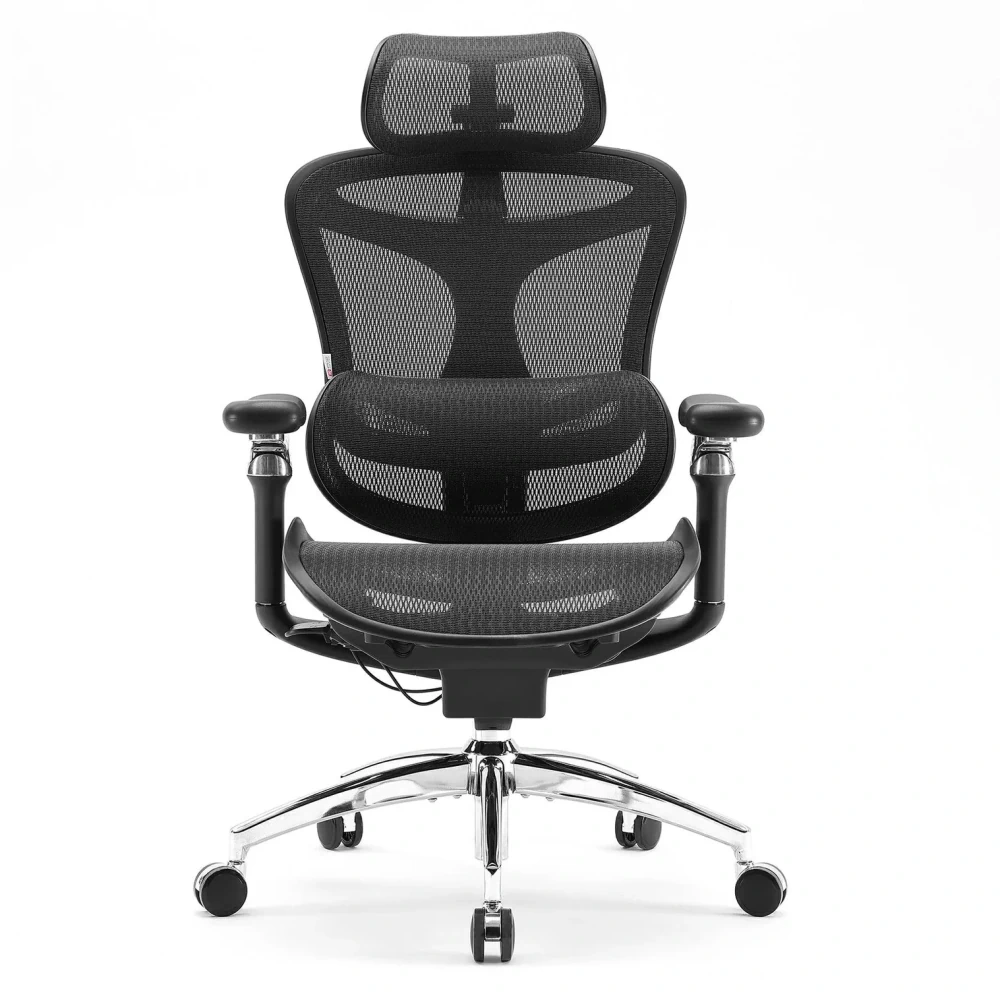
What Sihoo appears to do best, then, is occupy the middle ground between specialist ergonomics and mainstream accessibility. It does not read as a bargain-basement chair seller. It also does not lock itself into an unreachable luxury tier. The product range suggests a brand aiming for practical ergonomic improvement with a relatively wide audience in mind: remote workers, students, gamers, home office users, and professionals who want better support without moving into ultra-premium commercial seating budgets. That is a strong place to compete, because it addresses one of the largest real-world segments in office furniture today.
Design Philosophy, Ergonomics, and Daily Use Experience
A useful ergonomic brand is not defined only by how many knobs and adjustments it can list. The real test is whether those features form a coherent support system. Sihoo’s official messaging consistently highlights ergonomic design, healthy posture support, reduced strain, self-adjusting lumbar support, flexible back structures, and adjustable headrests. Those are not minor details. They indicate a design philosophy built around keeping the body in a more natural position while allowing some movement rather than forcing a rigid upright posture all day. That distinction matters because modern ergonomics is not about freezing the body in a perfect pose. It is about enabling support through changing postures and long work sessions.
The use of mesh and breathable construction in many Sihoo chair listings also aligns with daily practicality. Breathability is often underestimated until a chair is used through warm afternoons, extended calls, or back-to-back work blocks. A chair can have good lumbar support and still feel tiring if the seat and back trap too much heat. Sihoo’s emphasis on mesh seating and movement-friendly back structures suggests that comfort here is being treated as a multi-factor experience: support, airflow, flexibility, and adjustability working together. That is a more mature view of comfort than simply adding padding and calling it ergonomic.
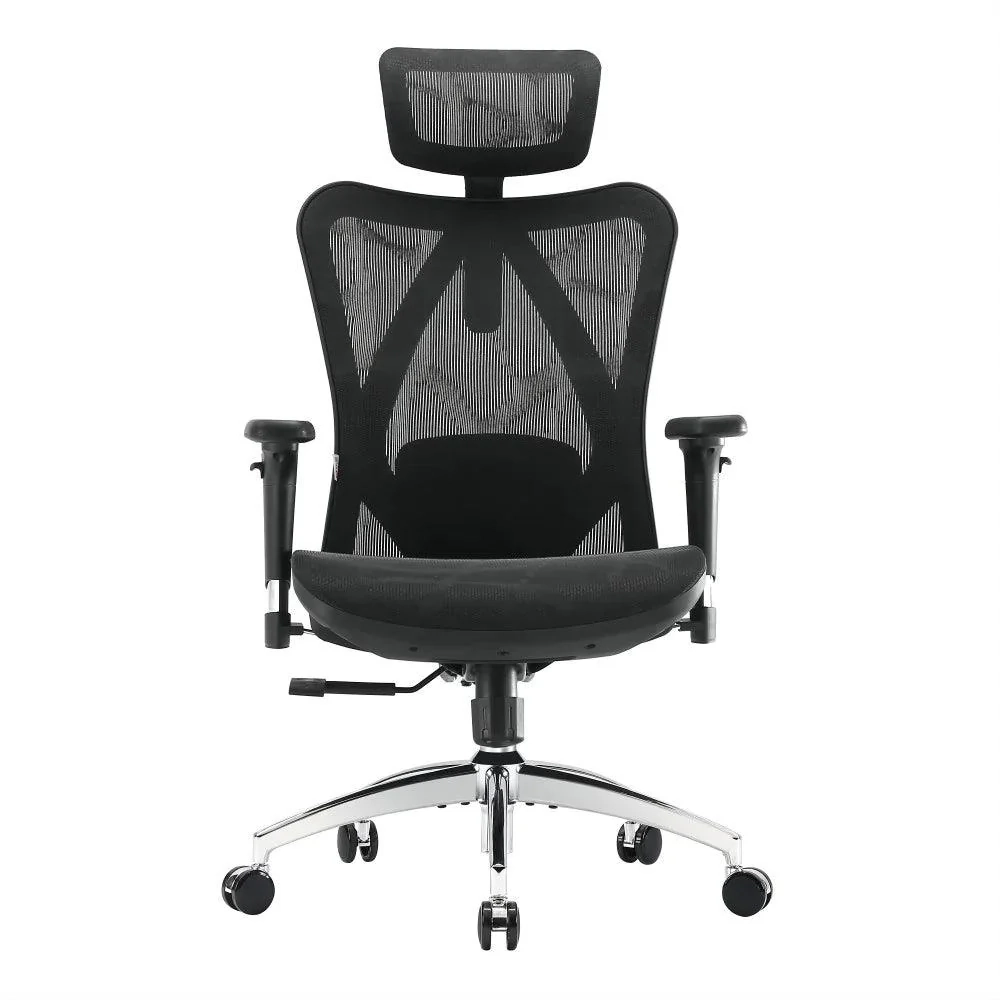
The brand also benefits from designing for long-session users. The official store specifically mentions extended work, study, and gaming sessions, while some product names highlight support for long sitting. This is important because not all desk users stress furniture in the same way. Someone using a chair for forty minutes at a time has very different needs from someone spending eight to ten hours seated. Sihoo’s language suggests that the brand is targeting people in the second group. That gives context to features like seat depth adjustment, lumbar systems, headrest tuning, and adaptive back support. These are not marketing extras. They are the kinds of refinements that matter most when furniture is used every day for long blocks of concentrated work.
The standing desk side supports the same philosophy. Sit-stand use is less about novelty than about reducing static work habits. A height-adjustable desk helps create variation in the workday, especially for users who already know that even a good chair cannot replace regular posture changes. Sihoo’s standing desk content emphasizes smooth height transitions, durable construction, and home office usability. That fits neatly with the brand’s chair lineup. A user can sit in a supportive chair, stand during part of the day, then return to seated work with less cumulative strain than a fully static setup would create.
From a design perspective, Sihoo seems strongest when ergonomic function and visual restraint meet. The products are framed as modern and clean rather than aggressively stylized, which helps them suit a wider range of spaces. That makes the furniture easier to live with over time. A well-designed ergonomic chair should improve the body’s relationship to work, but it should also fit naturally into the environment where that work happens. Sihoo’s approach appears to understand both sides of that equation.
Value, Pricing Logic, and Who Sihoo Is Best For
Price is one of the most important parts of an ergonomic furniture review because the category is full of extremes. There are chairs that are so cheap they cannot meaningfully support long-term comfort, and there are chairs so expensive that many shoppers never seriously consider them. Sihoo appears to compete in a more workable zone. Its collections page breaks out ergonomic chairs by price band, and the office chair listings show markdown-heavy pricing on certain featured models such as the C300 and C300 Pro. That creates the impression of a brand trying to offer feature-rich ergonomic products at prices that remain attainable for a broader audience.
This matters because value in ergonomic furniture is not the same thing as low price. A cheap chair that causes fatigue after a month is not good value. A somewhat more expensive chair with proper support, stronger adjustability, and better build quality often costs less in the long run because it is used more, replaced later, and tolerated more happily across long days. Sihoo’s value proposition appears strongest when viewed in that way. The official store emphasizes durability, eco-friendly materials, and reliable construction, while the product mix shows an attempt to provide real ergonomic features rather than purely visual upgrades. For many buyers, that is the right balance.
The best audience for Sihoo is likely broad but specific in behavior. Remote workers are an obvious fit because they often build office setups without corporate furniture budgets. Students also make sense, especially those spending long study hours at a desk and looking for better support than a generic study chair provides. Gamers fit naturally into the brand’s catalog as well, not only because Sihoo sells gaming chair options, but because gaming sessions share many of the same physical demands as desk work: long sitting, concentrated focus, repetitive posture, and a need for comfort that holds up over time. Sihoo also looks like a strong option for home office users who want one purchase to cover both function and aesthetics without making the room look overly corporate.
Another audience that may find Sihoo appealing is the buyer stepping up from entry-level office furniture for the first time. This type of shopper may know that current seating is not working but may not be ready to commit to very high-end commercial brands. Sihoo’s layered catalog helps here. There are accessible models, more advanced ergonomic lines, and desk solutions that allow gradual improvement of the whole workspace. That kind of upgrade path is valuable. It gives the brand staying power, because buyers can start with one chair and later move deeper into the ecosystem rather than leaving for another brand immediately.
The main takeaway on value is simple. Sihoo looks strongest as a practical ergonomic brand for people who want meaningful comfort and adjustment without entering the highest pricing tier in office furniture. It is not the kind of brand that depends on novelty. Its appeal is more grounded than that. It sells the idea that better daily work support should be more accessible, and its product structure supports that argument well.
Pros and Cons
Any strong review should end with a balanced summary, and Sihoo gives enough information through its official store to identify both clear strengths and reasonable limitations. On the positive side, the brand has one of the most coherent product identities in its segment. It focuses tightly on ergonomic chairs and standing desks, which makes the store easier to understand and the brand easier to trust within its niche. The catalog shows real depth, with multiple chair families, mesh options, gaming-related seating, and sit-stand desk products. That gives buyers room to choose based on budget, use case, and feature priorities rather than being forced into one generic answer.
Another major advantage is the emphasis on features that genuinely matter in everyday use. Adjustable headrests, lumbar systems, flexible back structures, breathable materials, support for long sitting, and sit-stand desk options all point toward products designed for real workloads. The brand also seems to strike a smart visual balance. Its furniture is modern enough for contemporary spaces without leaning too hard into flashy styling that may date quickly. Add in the apparent effort to serve more than one price tier, and the result is a brand with broad practical appeal.
There are, however, a few limitations worth noting. First, Sihoo’s official site strongly communicates benefits and feature sets, but furniture remains a category where fit can vary significantly by body type, height, sitting habits, and workspace dimensions. Ergonomic claims are meaningful only when the chair matches the individual. A product line can be thoughtfully designed and still not feel identical for every user. That is not a flaw unique to Sihoo, but it is a reminder that ergonomic shopping always requires some attention to measurements, adjustment range, and intended use.
Second, although the catalog is focused, buyers looking for a complete office furnishing brand beyond seating and desks may find the range intentionally narrow. Sihoo appears strongest in its core ergonomic lane, not as a full-room office furniture house with expansive storage, conference furniture, or decorative workspace categories. That specialization is mostly a strength, but it also defines the brand’s limits. Finally, some shoppers in the absolute premium commercial segment may still compare Sihoo with more expensive institutional seating brands and find that the brand plays in a more value-driven territory. That is not a weakness in itself. It simply clarifies where Sihoo sits in the market.
Pros
Cons
Final Thoughts
Sihoo stands out as a brand with a clear and practical purpose. It focuses on ergonomic furniture that supports the way people actually work today, whether that means long hours in a home office, daily study sessions, hybrid work routines, or extended time at a gaming setup. Its core strength lies in keeping that focus consistent. Instead of stretching into too many unrelated furniture categories, Sihoo stays centered on the products that matter most for posture, comfort, and desk-based productivity.
The brand’s chair lineup gives it strong relevance in a crowded market. Ergonomic features such as lumbar support, breathable mesh construction, headrest adjustment, and flexible back design make the catalog feel useful rather than generic. The addition of standing desks also makes the brand more complete, since a good workspace often depends on more than one product. Seating and desk height work together, and Sihoo appears to understand that connection well.
Another reason the brand is easy to take seriously is that it serves a wide range of users without losing its identity. It can appeal to students, professionals, remote workers, and gamers while still maintaining a cohesive product strategy. That balance gives Sihoo an advantage. The store feels specialized, but not narrow. The products look modern, the ergonomic features are relevant, and the overall value makes sense for people who want a better setup without moving into the highest-end pricing tier.
No ergonomic brand can promise a perfect fit for every person, and chair comfort will always depend on body type, preferences, and daily habits. Even so, Sihoo makes a convincing case for itself as a reliable ergonomic furniture brand with strong everyday appeal. For shoppers looking to upgrade their workspace with products that aim to support posture, movement, and long-session comfort, Sihoo is a brand worth serious consideration.