
SportDOG Review: Rugged Training Technology for Hunting, Sporting, and Working Dogs

SportDOG serves a very different customer from the average pet-accessory brand. Its equipment is developed for handlers who need dependable communication with energetic dogs in fields, forests, wetlands, yards, and other environments where ordinary collars and basic obedience tools may not be enough. The company concentrates on electronic training collars, specialty hunting systems, in-ground containment, bark-control collars, retrieval tools, whistles, beacons, leads, and replacement components. That focused catalog gives SportDOG a clear identity. It is not trying to become a lifestyle label filled with decorative products. It builds practical gear for situations in which range, waterproofing, battery reliability, button access, and physical durability can directly affect a training session or day in the field.
Founded in Tennessee in 2003, SportDOG has grown around the needs of hunters, professional trainers, sporting-dog owners, and people who manage high-drive working breeds. Its product families cover different training distances and hunting styles rather than forcing every customer into a single universal system. A retriever working near a blind has different requirements from a hound ranging across rough country, and a family teaching yard obedience does not need the same remote as a professional handling several dogs.
This specialization is SportDOG’s greatest strength. It is also the reason buyers need to choose carefully. The brand offers powerful tools, but good equipment cannot replace sound training fundamentals, timing, patience, or knowledge of canine behavior. SportDOG is most convincing when treated as a communication and reinforcement system within a structured program, not as a quick solution for an untrained dog.
Brand Background and Field-Driven Philosophy
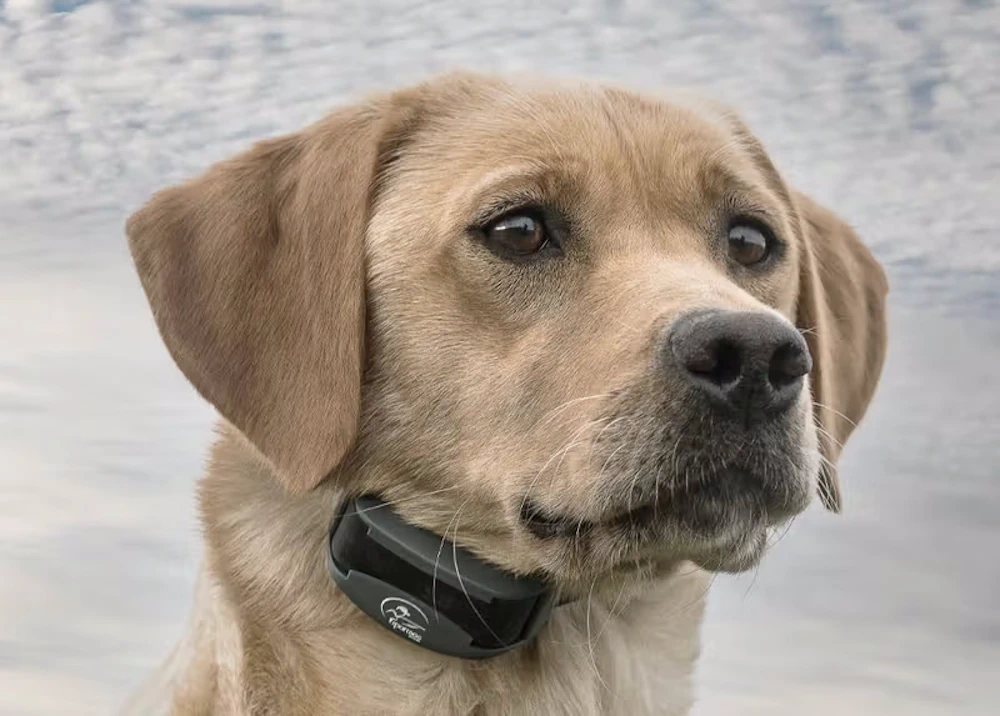
SportDOG’s identity comes from hunting culture, working-dog experience, and an insistence that equipment should function under pressure. The brand’s Tennessee roots are more than a decorative part of its story. Its product development reflects the routines of people who spend long hours outdoors with dogs, often in rain, mud, brush, heat, cold, or standing water. Controls must remain usable with limited visibility. Collars need to tolerate impact. Handheld transmitters must feel manageable when the handler is also carrying a whistle, lead, training dummy, firearm, or other field equipment. These practical demands shape the entire range.
The company also uses experienced trainers and hunters as a source of technical knowledge. Its ProStaff contributes training advice, gear guidance, and safety information aimed at both developing handlers and experienced sporting-dog owners. This creates an educational layer that many hardware brands neglect. A buyer can research collar conditioning, range selection, multi-dog control, and the progression from leash work to off-leash reinforcement rather than simply receiving a device with a short manual.
SportDOG’s conservation involvement also fits naturally with its customer base. The brand supports organizations connected to waterfowl, upland birds, habitat protection, and responsible hunting traditions. That work does not automatically make every product perfect, but it strengthens the credibility of a company whose business depends on healthy outdoor environments and sustainable sporting opportunities.
The overall philosophy is straightforward. Equipment should be rugged, task-specific, repairable when possible, and understandable in real use. SportDOG succeeds because its brand character is closely aligned with the people most likely to buy its products. The designs feel made for working conditions rather than adapted from general pet electronics after the fact.
E-Collar Selection and Training System Variety
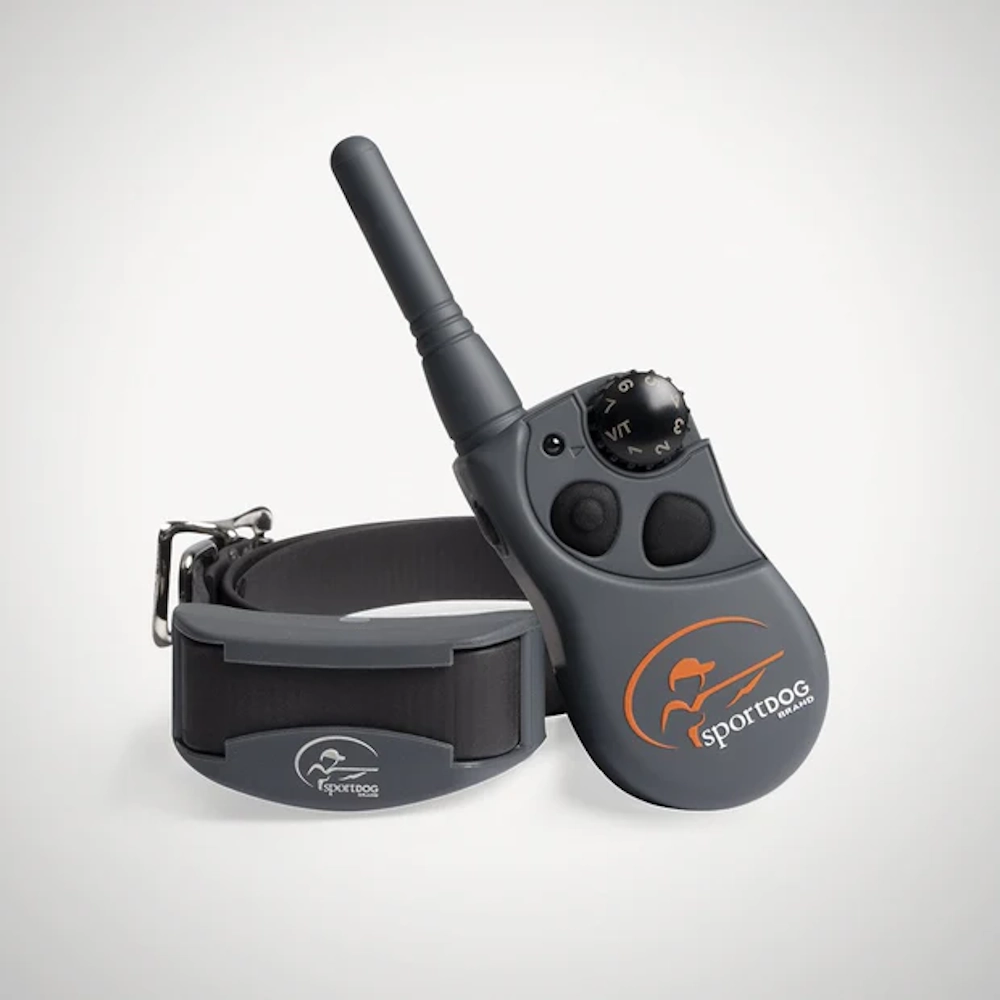
The electronic training collar category forms the center of SportDOG’s catalog, and the selection is unusually well organized by use case. YardTrainer systems address basic obedience in smaller spaces. FieldTrainer models focus on compact dimensions and close-working dogs. SportTrainer systems emphasize visible controls and screen-based information. SportHunter models provide longer range and multi-dog capability for demanding fieldwork. WetlandHunter products add camouflage and water-oriented design for retriever and waterfowl environments. UplandHunter systems combine remote training with beeper control, while HoundHunter equipment supports long-distance handling of tracking and trailing dogs.
This family-based structure helps buyers begin with the way they train rather than a confusing list of nearly identical electronics. Range, number of dogs, remote layout, collar size, stimulation options, and environmental conditions can be matched to the actual job. SportDOG systems commonly provide tone, vibration, and adjustable static stimulation, allowing a handler to select the lowest effective form of communication for a particular dog and exercise. Many remotes can also be configured for personal button preferences, which matters when commands must be delivered quickly without staring at the transmitter.
Expandable systems are another practical advantage. A handler can often add compatible receiver collars instead of replacing the complete setup when a second or third dog enters the training program. This reduces long-term equipment duplication, although buyers must confirm compatibility because not every collar, transmitter, or generation works with every system.
The breadth of the range also creates a learning curve. Model numbers can look technical, and small specification differences may have major consequences. Buying the longest-range or most powerful system is not automatically the best choice. The right SportDOG e-collar is the one whose controls, distance, stimulation scale, and dog capacity fit the handler’s routine.
Range, Signal Reliability, and Multi-Dog Control
Range is one of the most important specifications in remote dog training, but the number printed on a package must be understood realistically. Maximum ranges are generally measured under favorable conditions. Thick vegetation, hills, ravines, buildings, weather, and the position of the handheld can reduce practical performance. SportDOG addresses this by offering systems that extend from yard-oriented distances to long-range equipment built for hounds and wide-ranging hunting dogs. This gives buyers a sensible progression rather than a one-size-fits-all transmitter.
For close obedience, recall work, and retriever drills, a compact system with moderate range may be easier to carry and simpler to operate. Upland hunters and hound handlers benefit from more distance because dogs may disappear into cover or move well beyond direct sight. Choosing additional range provides a useful safety margin, especially in difficult terrain. Still, range should support training rather than encourage careless handling. A remote signal cannot replace visual awareness, tracking knowledge, dog conditioning, or preparation for local hazards.
Multi-dog control is another area where SportDOG performs strongly. Several of its systems allow additional collars to be paired with one transmitter, while advanced models can manage larger groups. Color-coded collar straps, selector switches, and configurable buttons help reduce confusion. This is valuable for trainers, guides, hunters, and households with several working dogs. The ability to communicate with multiple dogs from one handheld keeps equipment organized and reduces the number of devices clipped to a vest or belt.
The main caution is complexity. A multi-dog remote requires disciplined setup and practice. The handler must know exactly which button and collar are active before applying any correction. SportDOG provides the technical capability, but responsible use depends on rehearsing the controls until operation becomes deliberate, accurate, and calm.
Durability, Waterproofing, and Field Construction
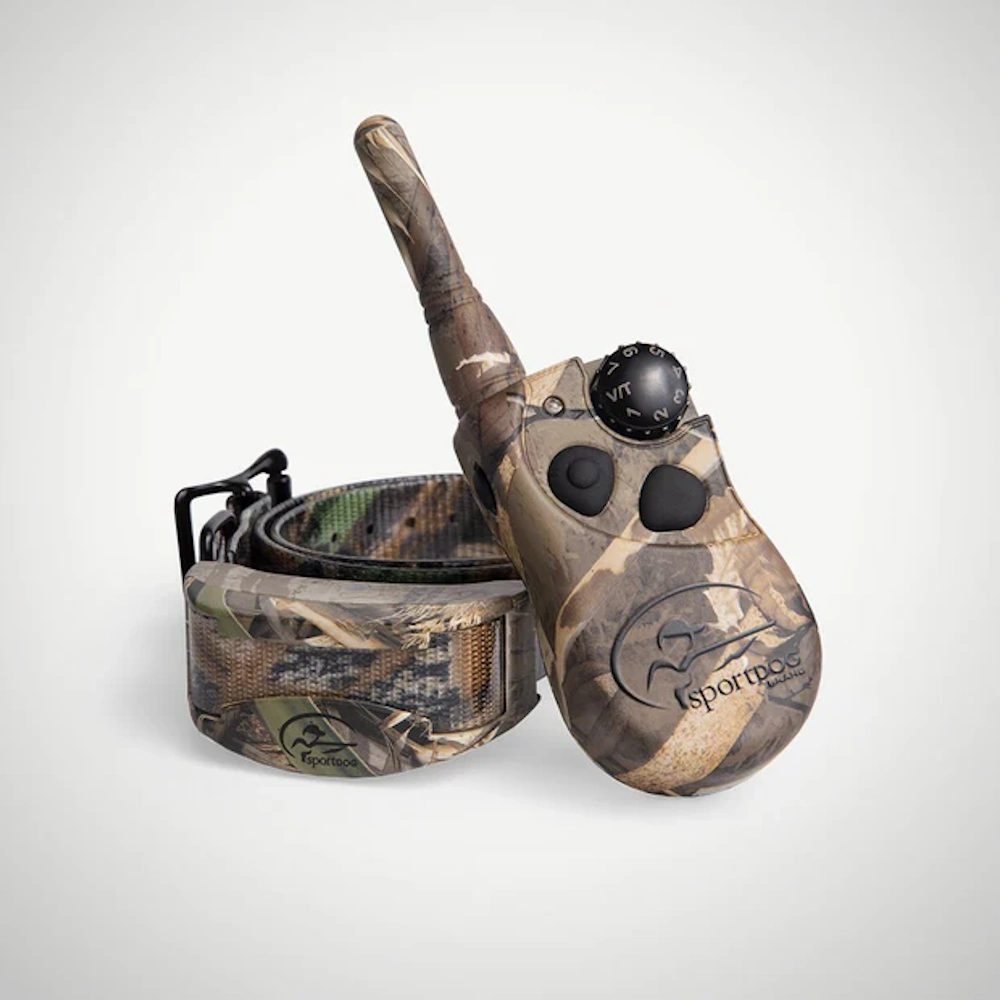
SportDOG’s strongest engineering argument is durability. Hunting equipment experiences a level of abuse that ordinary household electronics rarely encounter. Handheld transmitters are dropped, struck against vehicle doors, exposed to dust, carried through wet cover, and shaken during movement. Receiver collars face mud, branches, swimming, cold water, heat, and repeated contact with the dog’s neck and coat. SportDOG tests products for impact, vibration, submersion, and temperature shock, and that testing approach is central to the brand’s appeal.
DryTek waterproofing appears throughout much of the e-collar range. Many systems are designed to remain functional after substantial water exposure, and several field models are submersible to depths that exceed what most handlers are likely to encounter during normal use. That level of protection is especially important for retrievers, waterfowl dogs, and hunting in rain, snow, marshes, or flooded timber. Waterproofing also benefits everyday owners because dogs rarely stay dry simply because a training session began in good weather.
Physical construction is not limited to sealing. Buttons, screens, collar housings, clips, and charging connections must remain dependable after repeated use. SportDOG generally favors utilitarian forms, visible controls, and rugged housings rather than slim electronics designed mainly to look fashionable. The equipment can feel bulkier than minimalist consumer devices, but the extra substance often makes sense in field conditions.
No electronic product is indestructible. Dog chewing, improper charging, damaged contact points, neglected seals, and loss in heavy cover can still cause problems. Owners should inspect straps, clean contact areas, protect charging ports, and test the system before leaving home. SportDOG builds for demanding use, but regular maintenance is still necessary to preserve waterproofing, battery health, and reliable communication.
Bark Control and In-Ground Containment Systems
SportDOG’s bark-control and containment products extend the brand beyond hunting without abandoning its emphasis on high-drive dogs. The NoBark collar family includes waterproof designs, low-battery indicators, safety timeouts, and different correction modes. Silent Partner bark-detection technology is intended to recognize the individual dog’s bark, reducing the chance that unrelated sounds trigger a response. Progressive modes begin at a low level and increase only when barking continues within a defined period, while selected models provide manual or temperament-based adjustment.
These collars may be useful for persistent nuisance barking, kennel environments, or situations in which conventional interruption has failed. However, barking is communication. Fear, separation distress, pain, boredom, territorial arousal, and inadequate exercise can all contribute to the behavior. A bark collar should never be used to silence symptoms while ignoring the cause. The safest application begins with health assessment, environmental improvement, adequate physical activity, and structured behavior work.
The in-ground fencing systems are more substantial. Standard kits can cover a large residential area and can be expanded significantly with additional wire. Multiple dogs can use compatible receiver collars, and the boundary can be configured around an entire property or used to exclude pools, gardens, driveways, and other restricted areas. The collar gives a warning through tone and vibration before static stimulation is delivered near the boundary.
Installation is manageable for a practical homeowner, but it requires planning, wire testing, shallow burial, signal adjustment, and several weeks of gradual training. The system is not a physical barrier and does not prevent other animals or people from entering the property. For suitable dogs and carefully managed locations, it offers useful freedom. For escape-driven, aggressive, or highly anxious dogs, a secure physical fence may remain the better choice.
Training Aids, Accessories, and Long-Term Ownership
SportDOG’s supporting products make the brand more useful as a complete training ecosystem. The catalog includes retrieval dummies, whistles, beepers, locator lights, leads, utility collars, replacement straps, contact points, batteries, chargers, transmitters, and Add-A-Dog receivers. These items may appear less exciting than a new electronic system, but they influence long-term satisfaction. A training collar is a working tool, and working tools eventually need fresh straps, replacement batteries, spare charging equipment, or additional receivers.
Access to parts can extend the usable life of a system and reduce the need to discard a complete setup because one component has worn out or been lost. The availability of compatible add-on collars is particularly valuable for multi-dog households. A handler can expand gradually as dogs are added or as training becomes more advanced. Spare parts also make it easier to maintain a backup plan before a hunting trip, trial, or travel day.
The everyday field essentials support traditional training methods as well. Dummies help develop retrieving drive, marking, delivery, and steadiness. Whistles provide consistent audible commands over distance. Beepers and locator lights improve awareness when dogs move through tall cover, low light, or wooded terrain. Leads and collars remain essential during the foundation stage before electronic reinforcement is introduced.
Compatibility deserves close attention. SportDOG has produced many systems and generations, and a part that looks similar may not pair correctly with a specific transmitter. Buyers should use the exact model number when ordering replacements. Owners should also consider the cost of batteries and accessories when evaluating total value. The brand’s ecosystem is a strength, but its technical variety rewards organized records, product registration, and careful component selection.
Responsible E-Collar Use and Training Education
SportDOG equipment is most effective when the dog already understands the command being reinforced. An e-collar should not be the first method used to teach recall, heel, place, or steadiness. Foundation work begins with a lead, clear verbal cues, rewards, repetition, and controlled distractions. Once the dog consistently understands the behavior, the electronic collar can be introduced at a low level and paired with known pressure and release. This creates communication rather than surprise.
Finding the dog’s recognition level is critical. The objective is not to produce pain, fear, vocalization, or panic. The handler should begin at the lowest setting and look for a subtle sign that the dog noticed the sensation, such as an ear movement, head turn, or brief change in attention. Timing must be precise, and pressure must stop immediately when the dog responds correctly. Poor timing teaches confusion. Excessive intensity damages trust and can worsen anxiety, avoidance, or aggression.
SportDOG deserves credit for publishing training guides, basic manuals, product support, and articles from experienced handlers. This educational material helps buyers understand that the remote is only one part of a larger system. Still, online information cannot replace an experienced professional when the dog has a complicated temperament or the owner is uncertain. A qualified trainer can help with collar fit, conditioning, stimulation level, command structure, and reinforcement timing.
The equipment should also be removed regularly. Contact points must not remain pressed against the same area for extended periods, and the dog’s neck should be checked for irritation. Dogs with aggression, medical concerns, or serious fear should be evaluated by a veterinarian or certified behavior professional before electronic tools are used.
Customer Support, Warranty Coverage, and Buying Experience
SportDOG supports its products through online manuals, troubleshooting resources, product registration, live assistance, replacement parts, and warranty service. This infrastructure matters because remote training systems contain several components that must communicate correctly. Pairing problems, charging issues, damaged straps, worn contact points, or incorrect setup can often be resolved without replacing the entire system. Access to technical help is therefore a meaningful part of the purchase.
Warranty periods vary by product. Many smaller trainers, accessories, and bark-control items receive one-year coverage, while several advanced e-collars, TEK products, launcher components, and containment systems receive two-year coverage. Proof of purchase from an authorized seller is important, and product registration can simplify later service. Coverage generally applies to defects in materials or workmanship rather than damage caused by chewing, misuse, alteration, loss, unauthorized repair, or improper installation.
The distinction between authorized and unauthorized sellers deserves attention. Buyers may see lower prices through unfamiliar marketplaces, but warranty protection and product authenticity can become uncertain. Purchasing directly from SportDOG or a clearly authorized retailer provides a safer path for support. Customers should retain receipts, record serial and model information, and test the equipment soon after delivery.
The website is organized effectively by product family and training need, although the number-heavy model names can still be intimidating. Product manuals and selection guides help, but new buyers may need to compare several pages before understanding the practical difference between systems. SportDOG’s customer service and parts catalog reduce that friction. The overall buying experience is strongest for customers who research their intended range, dog count, hunting environment, and preferred control layout before placing an order.
Price, Value, and the Best Customer for SportDOG
SportDOG is not the cheapest option in dog training electronics, especially when a buyer moves into long-range, multi-dog, GPS, or health-monitoring equipment. The higher cost reflects rugged construction, waterproofing, rechargeable power, specialized controls, expandable systems, testing, and an established support network. For someone who trains occasionally in a small yard, an advanced hunting system may be unnecessary. For a handler who relies on the equipment every week, durability and dependable operation can justify the expense.
Price, Value, and the Best Customer for SportDOG
SportDOG is not the cheapest option in dog training electronics, especially when a buyer moves into long-range, multi-dog, GPS, or health-monitoring equipment. The higher cost reflects rugged construction, waterproofing, rechargeable power, specialized controls, expandable systems, testing, and an established support network. For someone who trains occasionally in a small yard, an advanced hunting system may be unnecessary. For a handler who relies on the equipment every week, durability and dependable operation can justify the expense.
Value improves when the system is chosen correctly. A compact FieldTrainer may be a better investment than an elaborate long-range model for close-working retrievers and obedience practice. SportHunter, UplandHunter, WetlandHunter, and HoundHunter products make more sense when their specialized features directly match the hunting style.
Long-term ownership also matters. Replaceable straps, batteries, receivers, transmitters, and accessories can keep a system useful for years. Expandability allows the original investment to support additional dogs. The warranty and technical support provide further value, especially compared with low-cost electronics that may be difficult to repair or troubleshoot.
SportDOG is best for hunters, field-trial participants, professional trainers, sporting-dog owners, rural households, and committed pet owners who are prepared to learn proper technique. It is not ideal for someone seeking an instant solution to behavior problems or a device that can replace daily training. The products reward preparation and consistency. In capable hands, SportDOG offers strong value because the equipment is designed around serious work rather than occasional novelty.
Pros and Cons
Pros
Its product range supports yard work, field training, waterfowl hunting, upland hunting, hound handling, and multi-dog control.
Rugged housings, waterproof engineering, rechargeable batteries, and impact-focused testing help many systems perform reliably in rain, mud, cold, and rough terrain.
Tone, vibration, and adjustable static stimulation make it easier to tailor reinforcement to the dog, command, and training environment.
Compatible receiver collars can be added when a handler begins working with additional dogs.
SportDOG sells straps, batteries, chargers, receivers, transmitters, contact points, and other accessories for maintaining or expanding compatible systems.
Cons
Model numbers, compatibility requirements, stimulation ranges, control layouts, and multi-dog configurations require careful comparison.
Long-range, GPS, multi-dog, and health-monitoring features can raise the purchase price considerably.
Poor timing, excessive stimulation, and inadequate foundation training can create confusion, fear, or unwanted behavioral responses.
Hills, dense vegetation, buildings, weather, and other environmental obstacles may reduce signal distance.
Fear, boredom, separation distress, territorial behavior, pain, or inadequate exercise may require broader behavioral or environmental changes.
It also does not prevent unfamiliar animals, vehicles, or people from entering the property.
Final Verdict: Dependable Gear That Requires Skilled Handling
SportDOG has earned a strong place in the professional and sporting-dog market by concentrating on practical performance. Its equipment is designed for handlers who need communication across distance, resistance to water and impact, flexible control of several dogs, and access to replacement components. The product families are not superficial variations. They address distinct environments, from basic yard obedience and close fieldwork to marsh hunting, upland cover, hound pursuits, containment, and health-aware training.
The best qualities are durability, specialization, expandability, and support. SportDOG understands that a remote trainer used in rain, mud, cold, or thick cover must do more than function on a clean test bench. It also understands that serious handlers often need different controls for different dogs and tasks.
The limitations are equally important. These products are not effortless fixes. They require correct sizing, careful introduction, low and appropriate stimulation, accurate timing, and a dog that already understands the command. The more advanced the system, the more the handler must learn its controls. Bark control and containment also require attention to the emotional and environmental reasons behind behavior.
For hunters, trainers, and working-dog owners who value ruggedness and are willing to train responsibly, SportDOG is an excellent brand. Its equipment can strengthen reliable communication and improve control in challenging settings. The technology works best when paired with patience, judgment, and respect for the dog.