
The Best Blue Light Blocking Glasses: A Comprehensive Guide to Smarter Screen Time and Better Sleep
Modern life is lived in front of a screen. Laptops power productivity. Smartphones keep communication constant. Tablets and televisions fill leisure hours. With that convenience comes prolonged exposure to artificial blue light, particularly in the evening when the body is naturally preparing for rest. Blue light blocking glasses have emerged as a practical and increasingly sophisticated solution. They promise to reduce digital eye strain, support circadian rhythm alignment, and improve sleep quality. The market is crowded, but a few brands consistently stand out for lens technology, style, durability, and scientific credibility.
This guide evaluates four leading names in the category: Zenni Blokz, Bon Charge, Warby Parker, and BlockBlueLight. Each brand approaches blue light management differently, from subtle daytime filtering to high intensity amber lenses designed for complete evening protection. The following sections break down the strengths of each option, followed by deeper insight into the benefits of blue light blocking glasses, what consumers should know before purchasing, and answers to frequently asked questions.
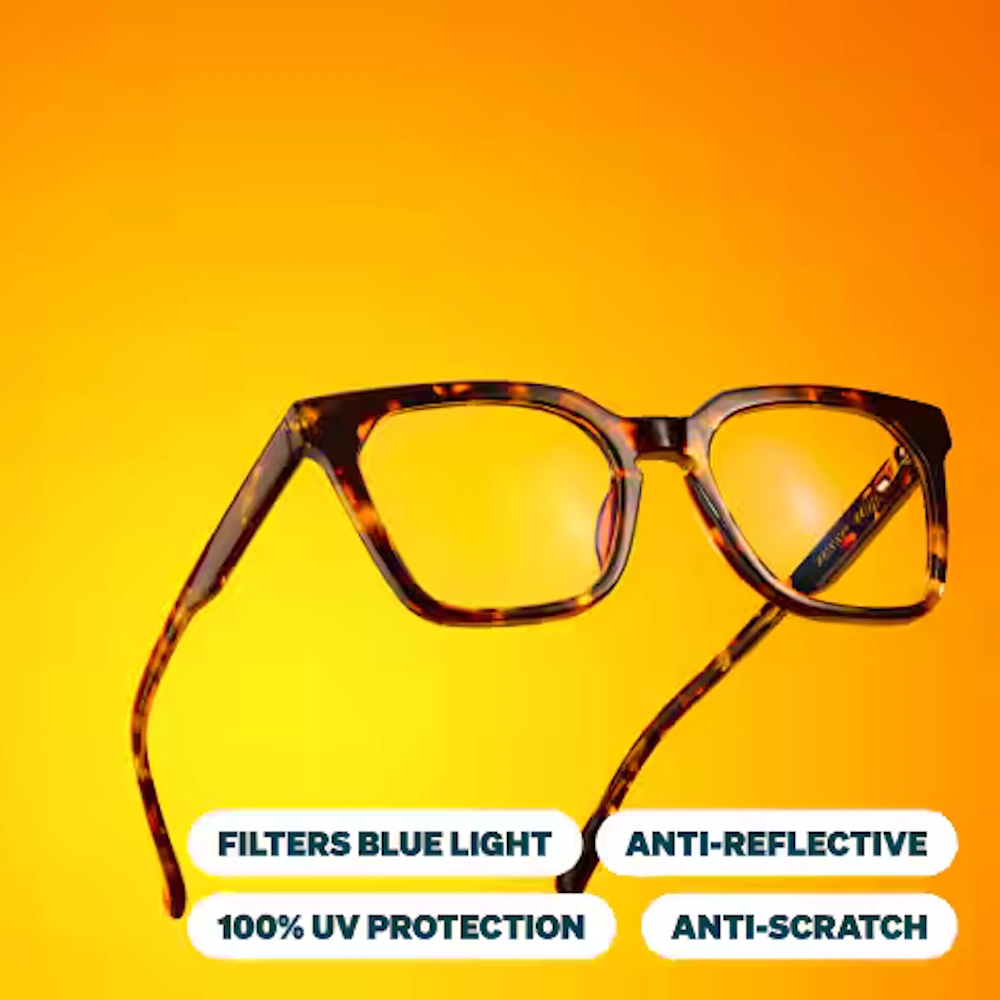
Zenni Blokz offers one of the most accessible entry points into blue light blocking eyewear. Known primarily for its affordable prescription glasses, Zenni integrates Blokz lens technology into a wide variety of frames, making it easy to combine vision correction with blue light filtration. This accessibility is a major strength. The brand does not treat blue light protection as a niche product. Instead, it integrates it into everyday eyewear at a price point that remains competitive even when prescription lenses are included.
Blokz lenses are designed to filter a portion of high energy visible blue light emitted from digital devices. For daytime use, Zenni offers clear lenses that subtly reduce blue light exposure without significantly altering color perception. For more intense evening use, Blokz Plus provides a slightly amber tint to enhance filtering power. The clarity of the daytime lenses makes them practical for work environments, video calls, and general wear. They look like traditional eyeglasses, which is important for professionals who prefer minimal visual distraction.
Customization is another advantage. Shoppers can select from hundreds of frame styles, sizes, and materials. Prescription users benefit from a streamlined ordering process that combines blue light protection with single vision, progressive, or bifocal lenses. This versatility makes Zenni Blokz especially appealing for individuals who already require corrective lenses and want a convenient upgrade rather than a separate pair.
For those seeking a budget friendly solution that does not sacrifice functionality, Zenni Blokz stands out as a reliable and accessible choice.

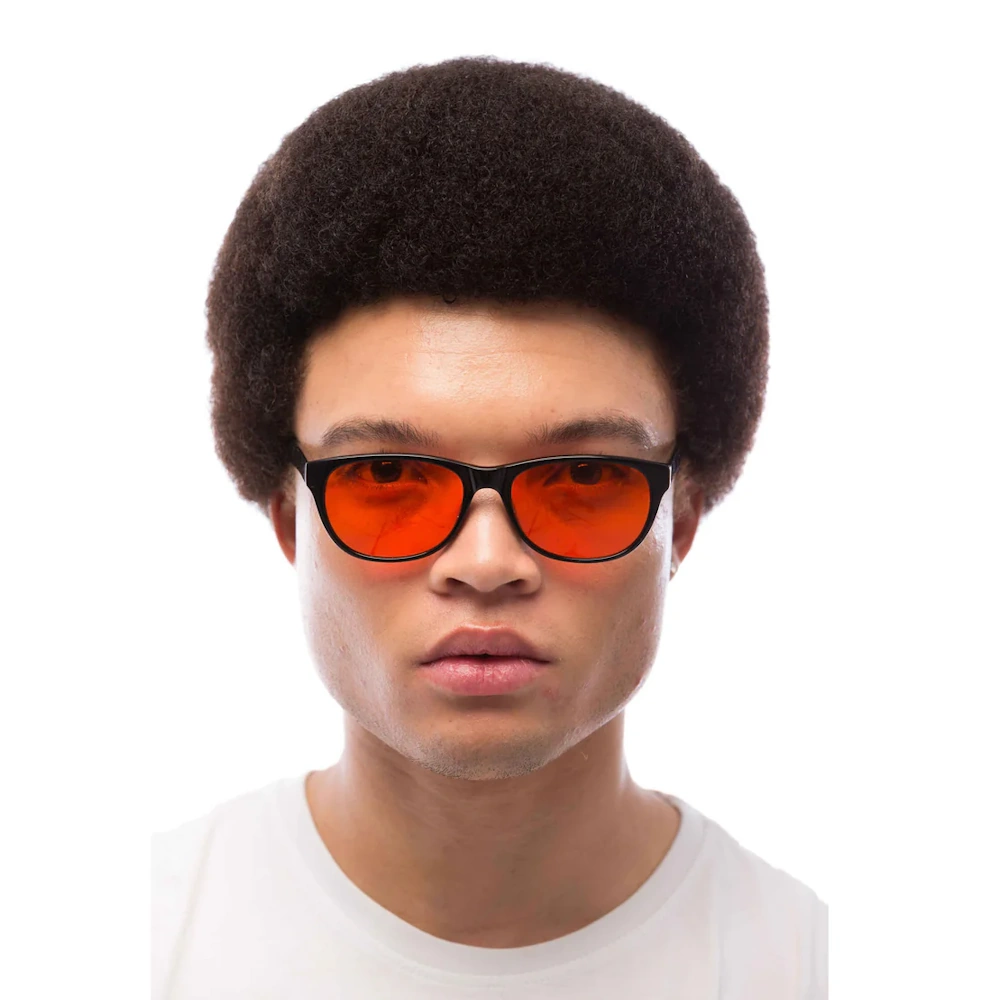
Bon Charge approaches blue light blocking glasses from a wellness perspective. The brand emphasizes circadian rhythm support, hormone balance, and sleep optimization. Its glasses are engineered with specific wavelength targets in mind, particularly the blue light spectrum known to suppress melatonin production during evening hours.
Bon Charge offers both clear daytime lenses and orange or red tinted nighttime lenses. The daytime versions are designed to reduce digital eye strain while maintaining color accuracy, making them suitable for office environments and prolonged screen use. The nighttime lenses are significantly more robust. Their amber or deep red tint blocks a higher percentage of blue and even some green light, which research suggests may further impact circadian signaling.
Frame construction reflects the brand’s premium positioning. Materials feel substantial yet lightweight, and styles range from modern minimal to bold statement pieces. The lenses are crafted to high optical standards, reducing glare and distortion. Many users choose Bon Charge specifically for evening wear after sunset, when artificial lighting and screens can disrupt the body’s natural preparation for sleep.
Bon Charge also differentiates itself through education. The brand provides detailed explanations of wavelength ranges, laboratory testing, and intended use scenarios. This scientific framing resonates with consumers who want more than aesthetic appeal. They want measurable impact. For individuals serious about optimizing sleep and managing late night screen exposure, Bon Charge delivers a performance oriented solution that aligns closely with current circadian research.

15% Off Your Order *Exclusive Offer*
×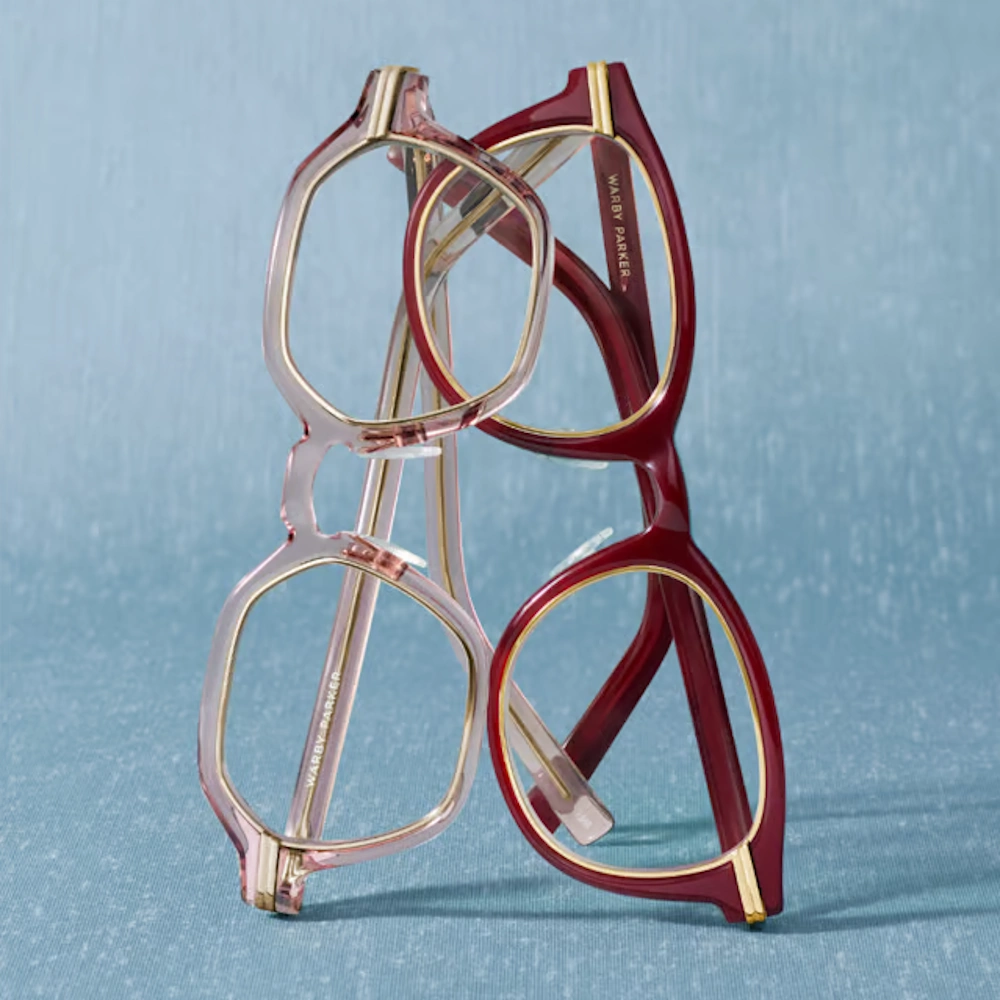
Warby Parker brings fashion credibility and retail accessibility to the blue light category. Known for stylish frames and a streamlined home try on program, the brand incorporates blue light filtering into its lens offerings without requiring separate specialty products. This integration makes the upgrade seamless for customers who are already shopping for prescription or non prescription glasses.
Warby Parker’s blue light filtering lenses are designed to reduce exposure to high energy visible light from screens while maintaining clear optics. The lenses are largely transparent, ensuring minimal color distortion. This makes them particularly well suited for daytime professional environments where subtlety matters. They look like standard eyeglasses. There is no noticeable tint that draws attention or alters appearance.
The brand excels in design consistency. Frames are thoughtfully proportioned, modern, and versatile. Materials feel durable and refined. Warby Parker also offers anti fatigue lenses for those who experience strain during prolonged reading or computer work. This combination of blue light filtering and ergonomic lens design can support comfort during extended screen sessions.
Accessibility remains a defining advantage. With physical retail locations across the United States and an intuitive online platform, Warby Parker makes it easy to try frames, receive fittings, and adjust glasses as needed. For consumers who prioritize style and brand familiarity but still want moderate blue light protection integrated into everyday eyewear, Warby Parker provides a balanced and polished option.
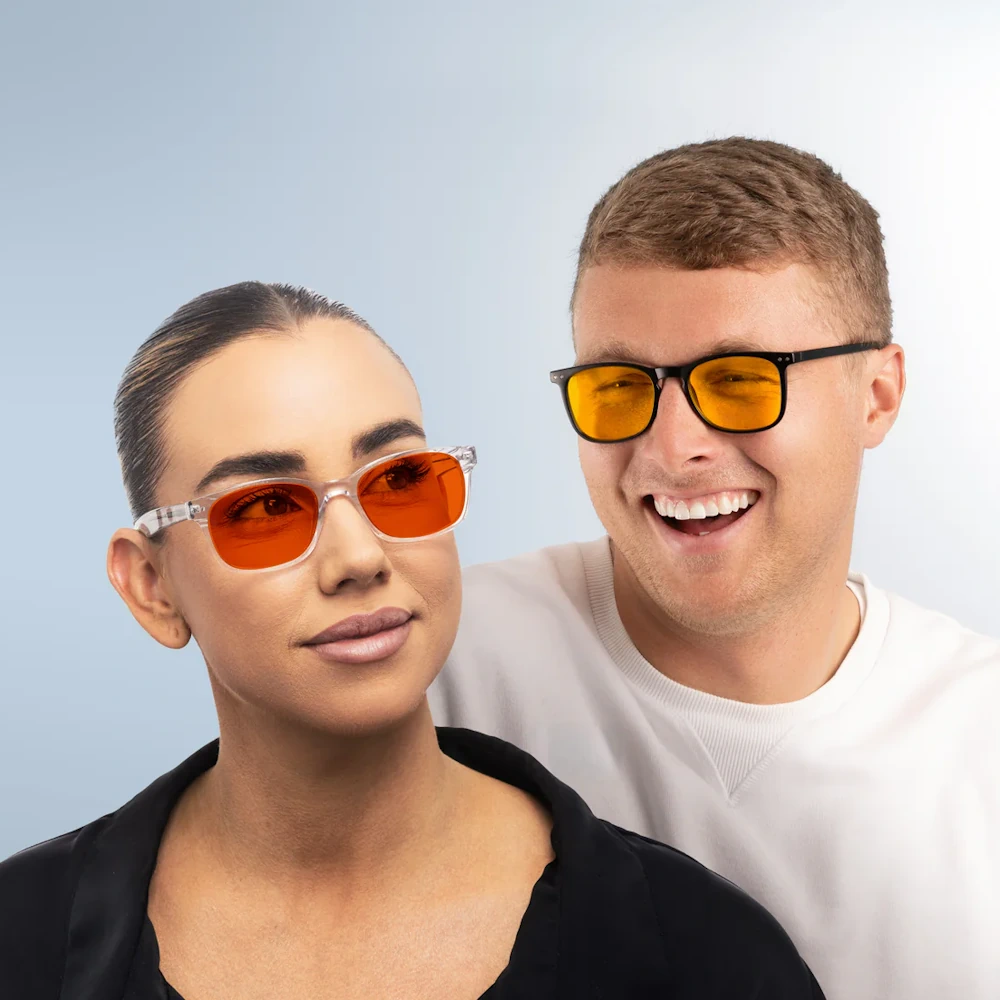
BlockBlueLight specializes in high intensity blue light blocking solutions, particularly for nighttime use. While many brands offer subtle daytime filtering, BlockBlueLight focuses heavily on glasses designed to be worn after sunset when melatonin production is most vulnerable to disruption. The brand’s lenses often feature a pronounced amber or red tint, signaling their stronger filtering capability.
These glasses are engineered to block a substantial percentage of blue light and, in some models, portions of green light as well. The result is a lens that significantly alters color perception but dramatically reduces exposure to wavelengths associated with circadian disruption. For individuals who use devices late at night, work night shifts, or struggle with insomnia, this level of filtration can be particularly valuable.
BlockBlueLight offers a range of styles from wraparound frames that minimize peripheral light leakage to more traditional silhouettes suitable for indoor use. The wraparound design is notable. By limiting side light exposure, it enhances the effectiveness of the lenses in brightly lit environments.
Educational resources are a core part of the brand’s identity. Detailed explanations of melatonin suppression, light toxicity, and sleep hygiene accompany product descriptions. This focus positions BlockBlueLight as a performance driven brand aimed at consumers seeking maximal intervention rather than mild filtering. For dedicated evening use, especially in the hours before bed, BlockBlueLight represents one of the most comprehensive approaches available.
The Benefits of Blue Light Blocking Glasses
Blue light blocking glasses serve multiple functions that extend beyond simple eye comfort. One of the most widely discussed benefits is support for circadian rhythm regulation. Blue light exposure in the evening can suppress melatonin, the hormone responsible for signaling the body that it is time to sleep. By reducing exposure to these wavelengths, especially after sunset, blue light blocking glasses may help preserve natural sleep cycles.
Digital eye strain is another common concern. Symptoms can include dryness, irritation, blurred vision, and headaches after prolonged screen use. While not all strain is caused solely by blue light, reducing glare and high energy visible light can contribute to overall visual comfort. Many users report fewer headaches and less fatigue during long workdays.
Blue light filtering may also support long term eye health. High energy visible light penetrates deep into the eye, and some research explores its potential contribution to retinal stress over time. Although evidence continues to evolve, minimizing unnecessary exposure remains a prudent strategy in an increasingly digital world.
Finally, blue light blocking glasses encourage intentional screen habits. Wearing them in the evening can serve as a behavioral cue that signals winding down. This psychological association reinforces healthy routines. Together, physiological and behavioral benefits make blue light blocking glasses a practical addition to modern wellness strategies.
What to Know About Blue Light Blocking Glasses
Not all blue light blocking glasses are identical. The level of filtration varies significantly between clear daytime lenses and deeply tinted nighttime lenses. Clear lenses typically filter a smaller percentage of blue light and are designed for all day wear without altering color perception. Amber or red lenses block more intense wavelengths and are generally recommended for evening use.
Understanding timing is essential. Wearing strong amber lenses during the day may not be necessary and can alter color accuracy. Conversely, relying solely on subtle clear lenses late at night may not provide sufficient circadian protection for those sensitive to light exposure.
Fit and comfort also matter. Glasses should sit securely without causing pressure points. Lens clarity, anti reflective coatings, and durable construction enhance long term usability. Prescription compatibility is another consideration for individuals who already wear corrective lenses.
Consumers should also evaluate lifestyle patterns. Those who work late on screens, stream television in the evening, or use bright LED lighting after sunset may benefit from stronger filtering options. Individuals primarily concerned with daytime eye strain may find clear lenses sufficient.
Ultimately, selecting the right pair involves aligning lens strength, style preferences, and daily habits. A thoughtful approach ensures that blue light blocking glasses provide meaningful support rather than simply aesthetic appeal.
Frequently Asked Questions
Do blue light blocking glasses really improve sleep?
Blue light blocking glasses can support sleep by reducing exposure to wavelengths that suppress melatonin production. When worn in the evening, particularly two to three hours before bed, stronger amber or red lenses may help maintain natural circadian rhythms. Results vary by individual, but many users report improved sleep onset and reduced nighttime alertness.
Are clear lenses effective?
Clear lenses provide mild filtering and are useful for reducing glare and digital eye strain during the day. They typically block a smaller portion of blue light compared to tinted lenses. For significant evening protection, amber or red lenses are generally more effective.
Can these glasses replace screen settings like night mode?
Screen settings that reduce blue light output are helpful but may not eliminate all disruptive wavelengths. Glasses provide an additional layer of filtration, especially in environments with multiple light sources such as overhead LED lighting.
Are they safe for children?
Children are often exposed to screens for school and entertainment. Blue light blocking glasses with appropriate lens strength can be safe and beneficial. Consultation with an eye care professional is recommended for prescription needs.
How long should they be worn?
For daytime strain, glasses can be worn during prolonged screen use. For sleep support, wearing stronger lenses for at least two hours before bedtime is common practice. Consistency enhances effectiveness.
Blue light blocking glasses have evolved from novelty items into refined wellness tools. Whether prioritizing affordability, scientific rigor, fashion forward design, or maximum evening protection, leading brands such as Zenni Blokz, Bon Charge, Warby Parker, and BlockBlueLight offer compelling solutions. Selecting the right option depends on individual habits, visual needs, and lifestyle patterns. In an era defined by screens, thoughtful light management is no longer optional. It is essential.