

Wag! sits in a very specific spot in the pet-care world. Instead of operating kennels, hiring full-time walkers, or running vet clinics, Wag! focuses on building a marketplace. The brand’s main job is connecting pet parents with independent walkers, sitters, trainers, and vet professionals through a single mobile app.
The concept is simple on the surface. Open the app. Choose the kind of help needed. Pick a time. Match with a Pet Caregiver who passed background checks and onboarding. Track the service in real time. Pay in the app. Rate the experience. That flow turns dog walking or last-minute pet care into something that feels more like ordering a rideshare than coordinating a handful of phone calls and text messages.
Wag! leans heavily on three big ideas:
- Convenience: On-demand or scheduled walks, flexible sitters and boarders, and straightforward scheduling tools that live inside the app.
- Trust and safety: Background checks for caregivers, a guarantee that offers coverage on eligible bookings, and GPS tracking during walks.
- Breadth of care: Dog walking, drop-ins, sitting, boarding, training, wellness plans, pet insurance comparison tools, and access to virtual vet pros.
The brand also emphasizes scale. Wag! promotes that its platform reaches thousands of cities across the United States with a large network of Pet Caregivers. That reach makes it feel relevant in big coastal metros and many suburbs, not just a handful of trendy neighborhoods.
At its core, Wag! behaves like a tech company. It provides the platform, but the actual care comes from independent caregivers who use that platform to offer services. That structure shapes pricing, policies, and expectations. It allows for massive flexibility, but it also means that every experience depends on the people taking bookings in each local area.

How Wag! Fits Into Real Life for Pet Parents
Once the app is downloaded, the everyday flow feels straightforward. A pet parent builds a profile, adds one or more pets, and fills out details like age, size, temperament, favorite toys, feeding schedule, and any medical needs or quirks. That profile follows every booking and gives Pet Caregivers a quick snapshot of what each animal needs.
From there, everything revolves around a simple menu of services:
- Dog walking
- Drop-in visits
- Sitting and boarding
- In-home dog and cat training
- Virtual vet chat and wellness support
The user taps the service needed, chooses a time or time window, and selects how long the visit or walk should be. The app then shows local Pet Caregivers along with ratings, reviews, photos, experience highlights, and often specific strengths such as comfort with large breeds, anxious dogs, or senior pets.
For dog walks, the tech side becomes very visible. Walkers start and end walks in the app. GPS tracking shows the route, distance, and pace. Many walks end with a report that includes bathroom updates, notes, and photos. For sits and boarding, caregivers send updates, videos, and check-ins throughout the day or night. Those small touches matter for anyone who feels nervous about leaving a pet with someone new.
Payment and tipping stay inside the app as well. The pet parent can see the service fee, any booking or platform fees, and tip options before confirming. Once the service is complete, charges process automatically, and the caregiver receives payment through Wag!’s payout system. That centralizes the money flow and cuts down on awkward payment conversations at the door.
For Pet Caregivers, Wag! functions as a flexible work platform. They can open up their schedule, accept or decline requests, and treat it as side income or a stepping stone into a larger pet-care business. Experiences vary, though. Some caregivers feel happy with demand and tips. Others mention that certain jobs pay less than expected unless tips are strong, which becomes part of the larger conversation around gig platforms.
When everything lines up—a good caregiver, clear instructions, and a smooth in-app experience—Wag! fits into daily life as a quiet background helper. A dog who needs a midday walk gets exercise. A cat who prefers home over boarding gets a drop-in. A busy week stays manageable because care slots in wherever there’s room around work, errands, and travel.
Most-Loved Wag! Services: Walks, Drop-Ins, and More
Wag! doesn’t sell physical products. Instead, it offers categories of service that behave like “products” inside the app. Over time, a few clear favorites have emerged among pet parents.
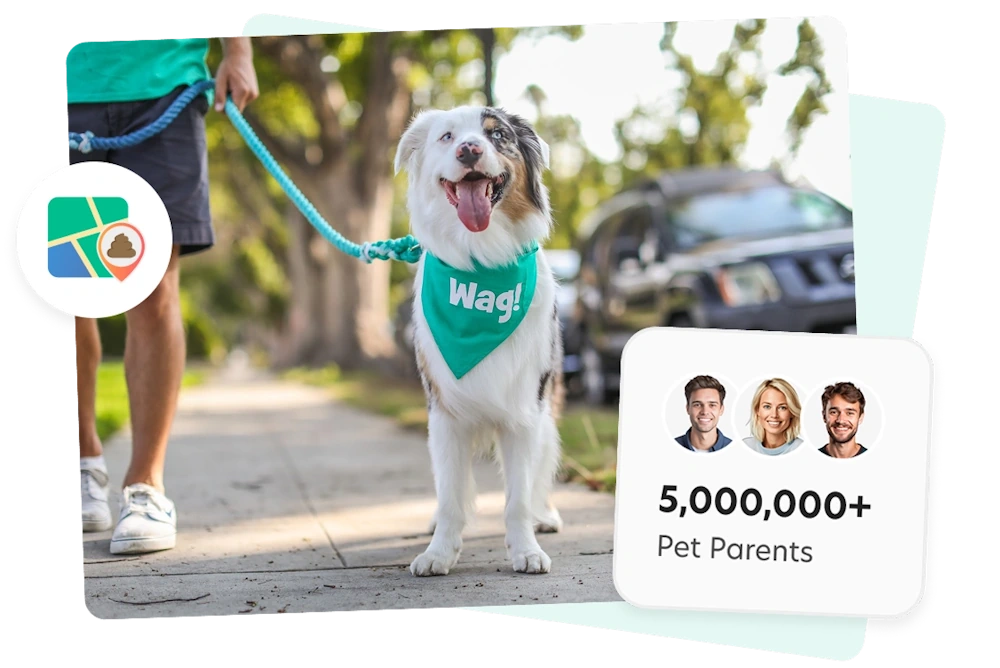
Dog walking is the heartbeat of Wag!. It’s the service most people think of when the brand comes up. Users can request a walk as soon as possible or schedule walks in advance, often with options for shorter or longer sessions. Short walks work as quick bathroom breaks. Longer walks help tire out energetic dogs or make up for long workdays.
The app experience is a big part of the appeal. Walkers start the session in the app, and GPS tracking shows the route in real time. Afterward, the pet parent sees how far and how long the dog walked, along with bathroom notes and usually at least one photo. Those little proof-of-care details build trust and help justify the cost.
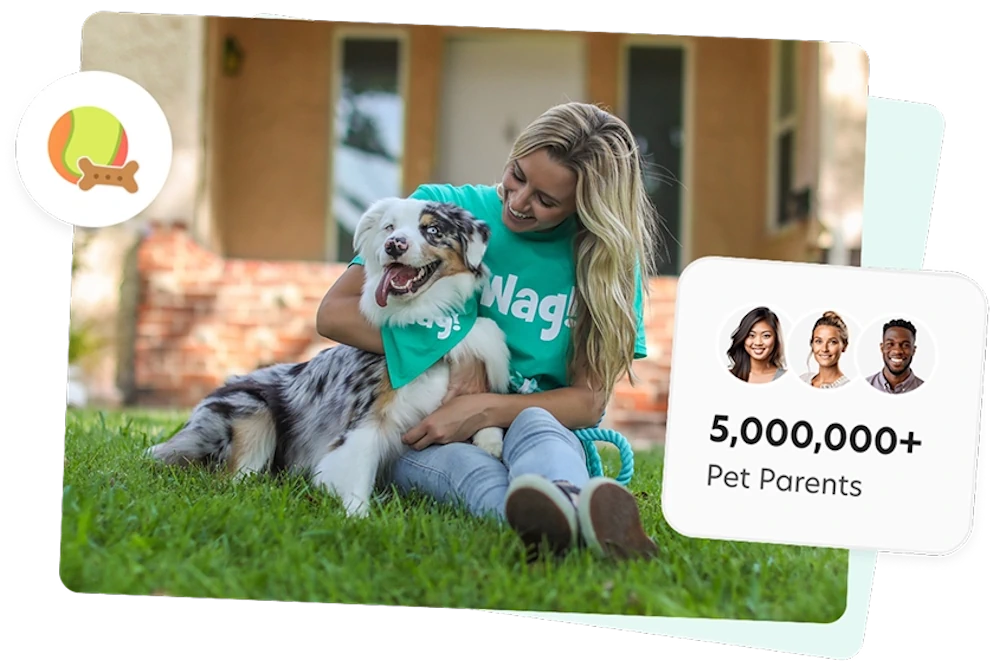
Drop-in visits are ideal for cats, small animals, or dogs who don’t always need a full walk. During a drop-in, a caregiver stops by to refresh food and water, scoop litter, let a dog into the yard, or play for a short time. That style of care works well for long workdays, weekend trips, or pets who get stressed in boarding environments.
The structure is similar to walks: choose a time, describe what the pet needs, and pick a local caregiver. Updates arrive through the app, often with photos and a quick summary of what happened during the visit. For many pets, the chance to stay in familiar surroundings while still getting care feels calmer and safer than a crowded facility.

When travel plans pop up, Wag! extends into overnight care. Sitting usually takes place in the pet’s own home. Boarding happens in the caregiver’s home. Both formats have their own strengths.
In-home sitting lets pets stick to their normal routine. They sleep in their usual spots, eat from their own bowls, and keep the same smells and sounds around them. It can also add an extra layer of home security, because someone is present while the family is away. Multi-pet households often find this more budget-friendly than boarding each animal separately.
Boarding suits pets who love extra social time or who do better in a quieter space away from a busy household. Some caregivers offer boarding with only one family’s pets at a time, which can feel like a private retreat for shy or easily overwhelmed animals.
Money Talk: Pricing, Wag! Premium, and Ways to Save
One tricky part of any on-demand platform is pricing. Wag! doesn’t list one universal rate because costs vary by city, time, and service type. Major metros and peak times usually carry higher prices. Longer walks, holiday bookings, and overnight care also raise the bill. Even with those variations, many pet parents find that shorter walks and basic visits land in the same general ballpark as local independent services.
The more interesting conversation sits around Wag! Premium, the brand’s subscription membership. Premium charges a monthly or yearly fee and then offers benefits such as lower or waived booking fees, discounts on services, and access to virtual vet support. For heavy users, those perks add up quickly. Someone who books several walks or visits each week often recoups the subscription cost through fee savings alone.
On top of Premium, Wag! encourages a mix of savings tactics:
- Seasonal or holiday promotions that apply to new or existing users
- Referral programs where both the referrer and new user earn credits
- Coupon and promo codes shared through newsletters or deal sites
Stacked together, those savings tools help bring costs down, especially in big cities where base prices run higher.
Wag! Wellness plans add another financial layer. Instead of traditional insurance that mainly helps with large, unexpected bills, wellness plans focus on routine care. A pet parent pays a flat monthly fee and then submits receipts for things like checkups and preventive treatments. The plan reimburses up to certain limits. That structure appeals to people who like predictable monthly costs and fast turnaround on reimbursements.
The flip side of all these options: it becomes easy to sign up for subscriptions without tracking how much they’re actually used. For anyone who only books occasional walks or sits, Premium and wellness plans might not deliver enough value to justify recurring charges. The smartest approach is to watch real usage over a month or two, then decide whether subscriptions make sense.
What Wag! Does Well (and Where It Struggles): Pros and Cons
Wag! offers plenty of advantages, but it also comes with real trade-offs. Like most marketplace platforms, it wraps both ends of the experience—pet parents and caregivers—into one ecosystem that doesn’t always feel perfect for either side.
Major Strengths
Wag! reaches a huge number of cities. That reach matters for people who travel, move often, or live in areas where traditional pet-care options feel limited. It lets someone open the same app in different places and still follow a familiar process for booking care.
GPS-tracked walks, background checks, and coverage for eligible incidents create a sense of structure and safety. Add detailed walk reports, photos, and in-app chat, and many pet parents feel more relaxed about leaving pets with someone who is technically a stranger.
Having walking, drop-ins, sitting, boarding, training, wellness plans, and vet chat all inside the same app cuts down on mental clutter. Pet parents can manage daily needs, trip planning, and health budgeting without juggling multiple brands or scattered account logins.
For caregivers, Wag! acts as a ready-made marketplace. It offers booking tools, built-in customers, and digital features that make services look polished. Walkers and sitters can pick up jobs around other commitments and decide which types of services fit their energy and skills.
Not-So-Great Parts
Because Wag! is a marketplace, not a single physical company with uniform staff training, quality varies. Some cities have many experienced caregivers with glowing reviews. Other areas feel thin or inconsistent. This makes reading profiles and ratings crucial.
Walkers and sitters sometimes report frustration with base pay levels, reliance on tips, or the way disputes and issues are handled. Those concerns can shape how motivated caregivers feel, which then affects the overall user experience on both sides.
The platform’s legal structure focuses on connecting pet parents and caregivers rather than directly employing care providers. In practice, that can create confusion when something goes wrong. Pet parents may expect full-service support, while the platform leans firmly on written policies and coverage rules.
Wag! promotes Premium memberships and wellness plans often. Heavy users benefit, but light users risk paying for extras they don’t really need. Without regular check-ins on actual bookings, it’s easy for subscription costs to creep up quietly over time.
In short, Wag! delivers serious convenience and flexibility, but it works best when pet parents go in with open eyes, read the fine print, and treat each new booking as a chance to confirm that the care style matches their pet’s needs.
Who Wag! Suits Best
Wag! shines brightest for certain types of pet parents and lifestyles.
It fits especially well for:
- Busy professionals dealing with long shifts or unpredictable schedules. A quick walk or drop-in can slide into open spaces in the day without major planning.
- Frequent travelers who need boarding, sitting, and last-minute coverage near airports or hotels. Having one app handle multiple trip needs makes logistics smoother.
- New pet parents who want help with training, day-to-day support, and health questions in one place.
- Households with multiple pets that find in-home sits and drop-ins more comfortable and cost-effective than boarding several animals.
On the other hand, Wag! may not feel like the best match for everyone:
- Pet parents who value long-term relationships with one dedicated walker or sitter might prefer local professionals they work with directly.
- People who dislike tech-heavy experiences may find the constant notifications, in-app chat, and GPS tracking more stressful than reassuring.
- Homes with very fragile, medically complex, or highly reactive pets may lean toward specialized sitters, vet techs, or small niche services with a more intensive care model.
There is also the broader context of Wag! as a business. Like many tech-driven marketplaces, it has gone through major financial and structural changes over time. For everyday users, that tends to show up in the form of shifting prices, new offerings, and updated policies rather than dramatic day-to-day upheaval. Still, it’s one more reason to keep an eye on terms, guarantees, and plan details.
For most pet parents, the healthiest approach is to treat Wag! as one tool among many. The app handles daily convenience incredibly well. Long-term relationships with local trainers, groomers, and vets still offer depth and continuity that no marketplace can fully replace.
.
Safety, Trust, and Peace of Mind on Wag!
Trust is the foundation of the entire Wag! experience. Handing a leash, house keys, or a pet’s feeding routine to someone new feels vulnerable. The platform spends a lot of energy trying to reduce that anxiety.
The safety framework usually includes:
- Background checks for caregivers before they can accept bookings
- Pet safety testing and onboarding that screens for basic knowledge
- A guarantee that offers coverage up to stated limits when bookings meet eligibility conditions
- GPS tracking, walk reports, photos, and in-app messaging to keep pet parents updated in real time
- Support channels for questions, issues, or emergencies that arise during active services
For many pet parents, that combination builds enough confidence to try Wag! for the first time. The ability to see the walk route, bathroom updates, and a happy pet back at home carries a lot of weight.
At the same time, no system can fully remove all risk. The platform’s own structure makes clear that caregivers operate as independent providers. That reality means pet parents still need to read profiles carefully, check ratings, and trust their instincts. A thoughtful, gradual approach usually works best—short visits first, clear instructions, and honest communication between both sides.
When used this way, Wag! turns into a bridge that helps families slowly build a roster of trusted caregivers. Over time, favorite walkers and sitters emerge, and the app becomes less about starting from scratch and more about maintaining a pet’s extended “care circle.”
Final Thoughts: Is Wag! Worth It for Modern Pet Life?
Wag! aims to be the button a pet parent taps whenever life gets busy, plans change, or travel pops up. It brings together dog walking, drop-ins, sitting, boarding, training, wellness plans, insurance comparison, and vet chat inside one simple interface.
For many households, that mix hits exactly the right notes:
- Daily routines stay more flexible because walks and visits can plug into open spaces.
- Trips feel less stressful, thanks to easy access to sitters and boarders.
- Health and budgeting become more predictable when wellness plans, Premium savings, and quick vet advice stack together.
The trade-offs are real, but familiar to anyone who’s used a gig-style service. Quality varies by location and caregiver. Pay and support for walkers sometimes stir debate. Subscription offers can pile up and need regular review. The platform takes its role as a connector seriously, but it still expects users to read policies and make careful choices.
For pet parents who want flexible help, appreciate app-based tracking, and are willing to scroll through profiles and reviews, Wag! can become a powerful support system. The smartest move is to start small, use promo codes and first-time offers, and treat those early bookings as test runs. If the fit feels right—for both human and animal—Wag! can evolve into a go-to partner for the messy, busy reality of modern pet life.