
Calocurb Review: Can You Lose Weight Without Losing Muscle? The Science Behind Calocurb

Losing weight is one thing. Losing primarily fat while maintaining muscle is another, and that distinction is becoming increasingly important in conversations around healthy, sustainable weight management.
That is also what makes a newly published clinical study involving Calocurb especially interesting.
In a 24-week randomized, double-blind study of 150 adults with overweight or obesity, participants taking the bitter hops extract used in Calocurb experienced significantly greater weight and fat loss than those taking a placebo. Just as notable, the weight loss occurred without an indication of overall skeletal muscle loss.
The findings build on more than 15 years of research behind Calocurb’s active ingredient, Amarasate, including a $30 million investment by New Zealand’s Plant & Food Research. The result is a plant-based appetite-control supplement designed to support the body’s own satiety response rather than relying on stimulants or prescription medications.
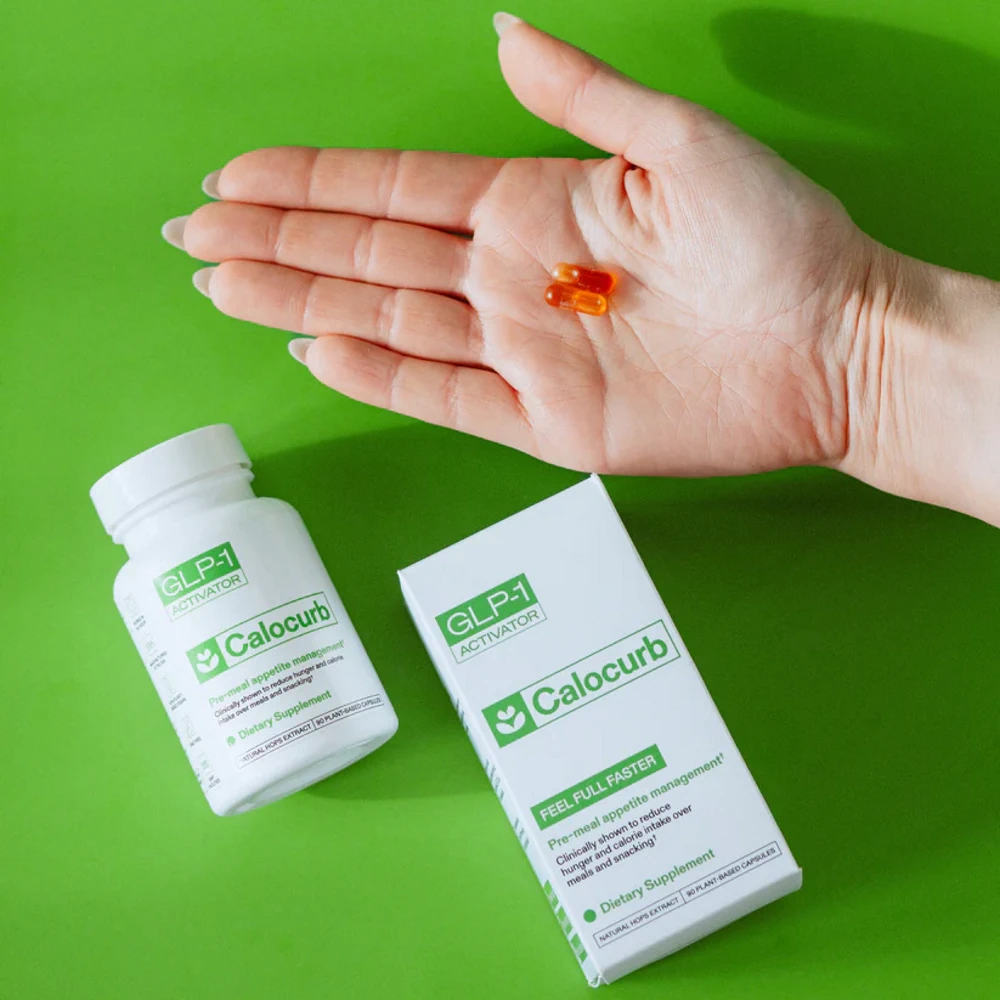
The New Calocurb Study Puts Body Composition in the Spotlight
The newest research moves the conversation around Calocurb beyond simply feeling less hungry.
The study recruited 150 men and women and followed them through a 24-week weight-loss program. Participants received monthly lifestyle seminars with general diet and exercise advice. They were randomly assigned to receive either a placebo or 500 mg daily of the bitter hops extract found in Calocurb, split between doses taken before their two largest meals. A total of 128 participants completed the program.
After 24 weeks, the Calocurb group had lost an average of approximately 8.4 pounds, or 4.3% of their starting body weight, compared with less than one pound in the placebo group.
The changes in body composition may be even more compelling.
Participants taking the bitter hops extract lost approximately 9.9 pounds of fat mass, compared with about 1.5 pounds in the placebo group. That works out to more than 6.5 times as much fat loss. Visceral fat, the fat stored around internal organs, also declined substantially more in the treatment group. The brand’s study summary describes this as roughly 3.5 times greater visceral-fat reduction versus placebo.
And then there is the muscle data.
Losing Fat Without Losing Muscle
Weight on the scale does not tell you what kind of tissue is being lost. During a weight-loss program, the ideal outcome is generally to reduce fat while retaining as much muscle as possible.
In the Calocurb study, researchers tracked body composition every four weeks using bioelectrical impedance analysis, or BIA. By the end of the 24 weeks, there was no indication of overall skeletal muscle loss among participants taking the bitter hops extract.

In fact, BIA estimates showed that muscle mass in the treatment group increased by almost one kilogram over the study period. The researchers did not find an overall treatment effect for muscle mass compared with placebo, however, so this should not be interpreted as evidence that Calocurb builds muscle. The meaningful takeaway is that participants were able to lose considerably more body weight and fat without that weight reduction being accompanied by an overall decline in estimated muscle mass.
That gives Calocurb an interesting body-composition story. The goal is not simply to make the number on the scale smaller. The study suggests that, when paired with practical diet and exercise guidance, the product may help support a pattern in which weight reduction is driven primarily by fat loss while muscle is maintained.
The study itself concludes that appetite-suppressing nutraceuticals such as the bitter hops extract tested may be useful alongside lifestyle changes for people pursuing weight loss.
Why Would an Appetite Supplement Affect Weight and Fat Loss?
Calocurb’s active ingredient is Amarasate, a patented extract derived from a specific variety of bitter hops grown in New Zealand.
Its development was anything but a quick supplement-formulation exercise. Plant & Food Research screened more than 900 plants while searching for natural compounds that could influence appetite. Amarasate ultimately emerged from more than 15 years of research and development backed by over $30 million in funding.
Amarasate is delivered through a delayed-release capsule designed to reach the small intestine. There, its bitter compounds interact with bitter taste receptors and stimulate naturally occurring satiety hormones including GLP-1, CCK, and PYY. Those hormones are involved in communicating fullness and regulating appetite and food intake.
This is why Calocurb is sometimes described as a natural GLP-1 activator, although it is important not to confuse it with prescription GLP-1 medications. Calocurb is a dietary supplement and works by stimulating endogenous, or naturally produced, satiety hormones.
The New Study Builds on Earlier Appetite Research
The weight-loss findings did not appear in isolation.
Three earlier human clinical studies of Amarasate investigated its effects on hunger, cravings, calorie consumption, and satiety hormones. The brand’s approved clinical messaging highlights up to a 30% reduction in hunger, up to a 40% reduction in cravings, and an average 18% reduction in calories consumed.
The new 24-week study adds an important longer-term dimension. Participants taking the bitter hops extract reported greater reductions in hunger as well as several types of food cravings over the course of the intervention. Researchers also found significantly greater weight, total fat, and visceral-fat reductions.
Put together, the research gives Calocurb a fairly straightforward proposition: help make appetite easier to manage, which may make it easier to eat less and stay consistent with healthier habits over time.
What Is Actually in Calocurb?
The formula itself is surprisingly simple.
Calocurb contains just three ingredients: Amarasate, rosemary leaf extract as a natural preservative, and a small amount of non-GMO canola oil that helps Amarasate disperse when it reaches the gut. The delayed-release capsule is designed to deliver the active ingredient to the part of the digestive tract where those bitter receptors are located.
The formula is plant-based, vegan, gluten-free, non-GMO, caffeine-free, stimulant-free, and free from artificial additives, flavors, and sweeteners.
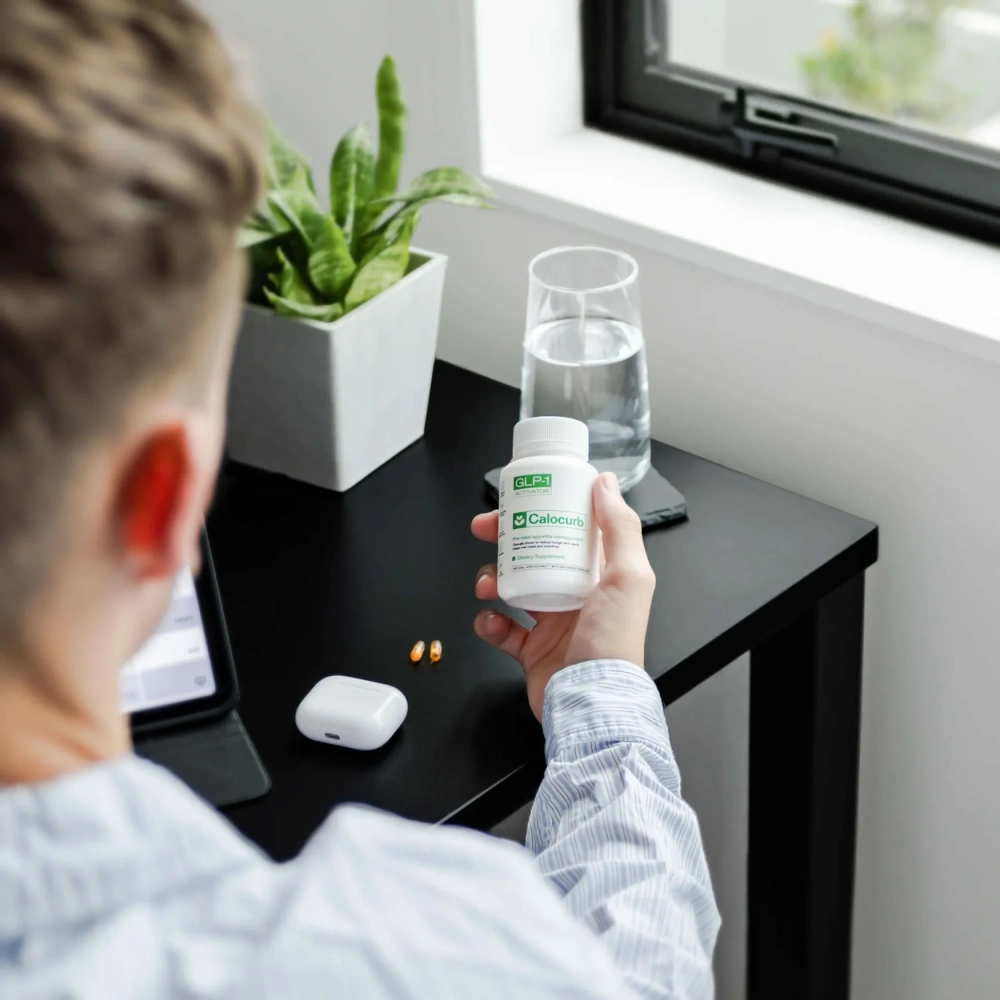
Calocurb is generally taken on an empty stomach about an hour before meals, with the brand recommending that users gradually work up to the full dosage rather than starting with four capsules immediately. Mild gastrointestinal effects such as diarrhea or nausea were reported by some study participants, and the published research specifically notes the importance of gradual dose escalation and management.
Final Verdict: The Muscle-Maintenance Finding Makes Calocurb More Interesting
There are plenty of supplements that promise appetite control. What separates Calocurb is the amount of research behind both the ingredient and the finished approach.
More than 15 years of development, a $30 million research investment, and four human clinical studies provide substantially more context than a typical supplement marketing claim. Most importantly, the newest 24-week trial moves beyond short-term appetite measures and looks at what actually happened to participants’ weight and body composition.
The results are encouraging: meaningful weight loss, substantially greater fat and visceral-fat reduction than placebo, and no indication of overall muscle loss while that weight was coming off.
Calocurb still isn’t a shortcut. Diet, exercise, protein intake, sleep, and consistency remain important parts of maintaining healthy body composition. But for adults looking for plant-based appetite support, the new research makes Calocurb particularly compelling because the story is no longer simply about eating less. It’s about helping support fat-focused weight loss while maintaining muscle along the way.