
DJI Review: A Deep Look at Its Drones, Cameras, and Creator Technology

DJI has developed a broad reputation around one central idea: making sophisticated camera movement easier to control. While the brand is most closely associated with consumer drones, its current ecosystem extends well beyond aerial photography. DJI now serves hobbyists, travelers, vloggers, filmmakers, commercial creators, and professional production teams through camera drones, handheld cameras, gimbals, microphones, cinema equipment, power products, and a large accessory catalog. Its official product structure reflects that range, with families such as Mavic, Air, Mini, Flip, Neo, and Avata on the drone side, alongside Osmo Action, Osmo Pocket, Osmo Mobile, DJI Mic, and Ronin products for ground-based production. The DJI USA website also identifies itself as an authorized reseller offering genuine DJI products, domestic shipping, returns, warranty support, and after-sales service. The result is a brand ecosystem that feels less like a single-product drone company and more like a complete imaging platform.
Drone Lineup and Flight Experience: Strong Options From Beginner to Advanced
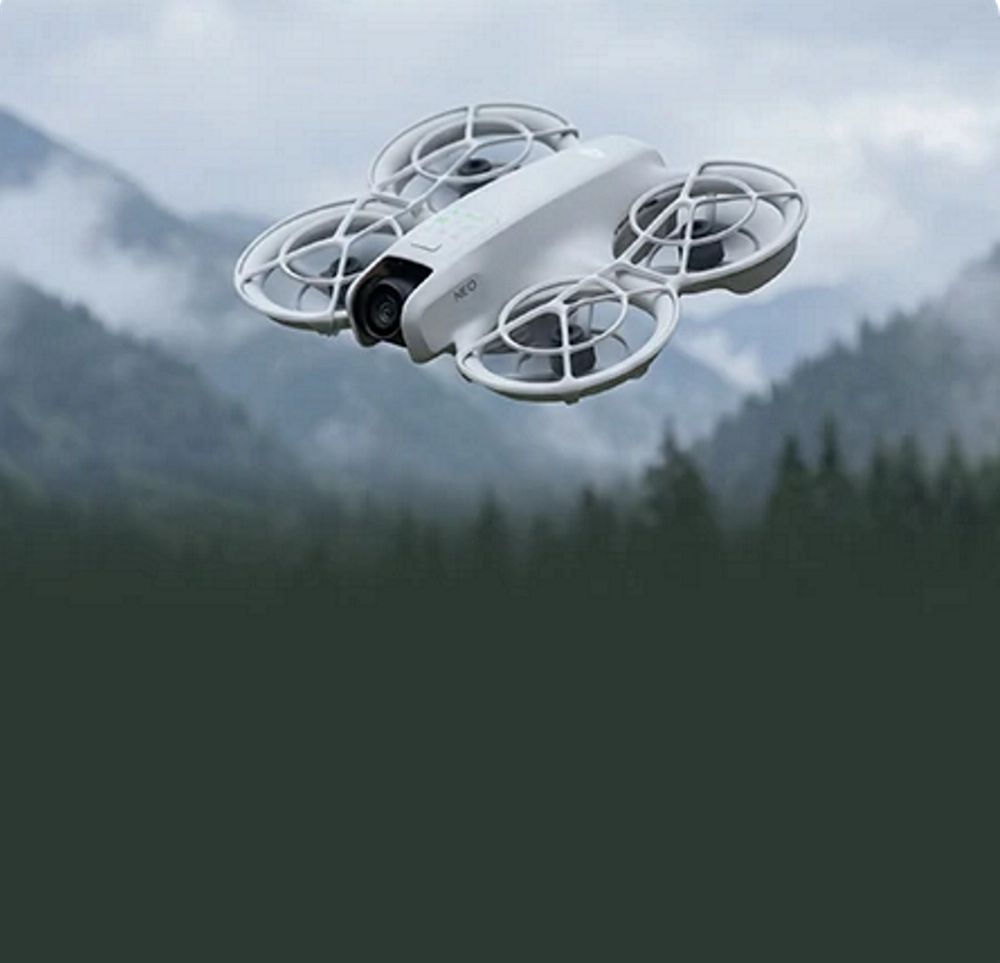
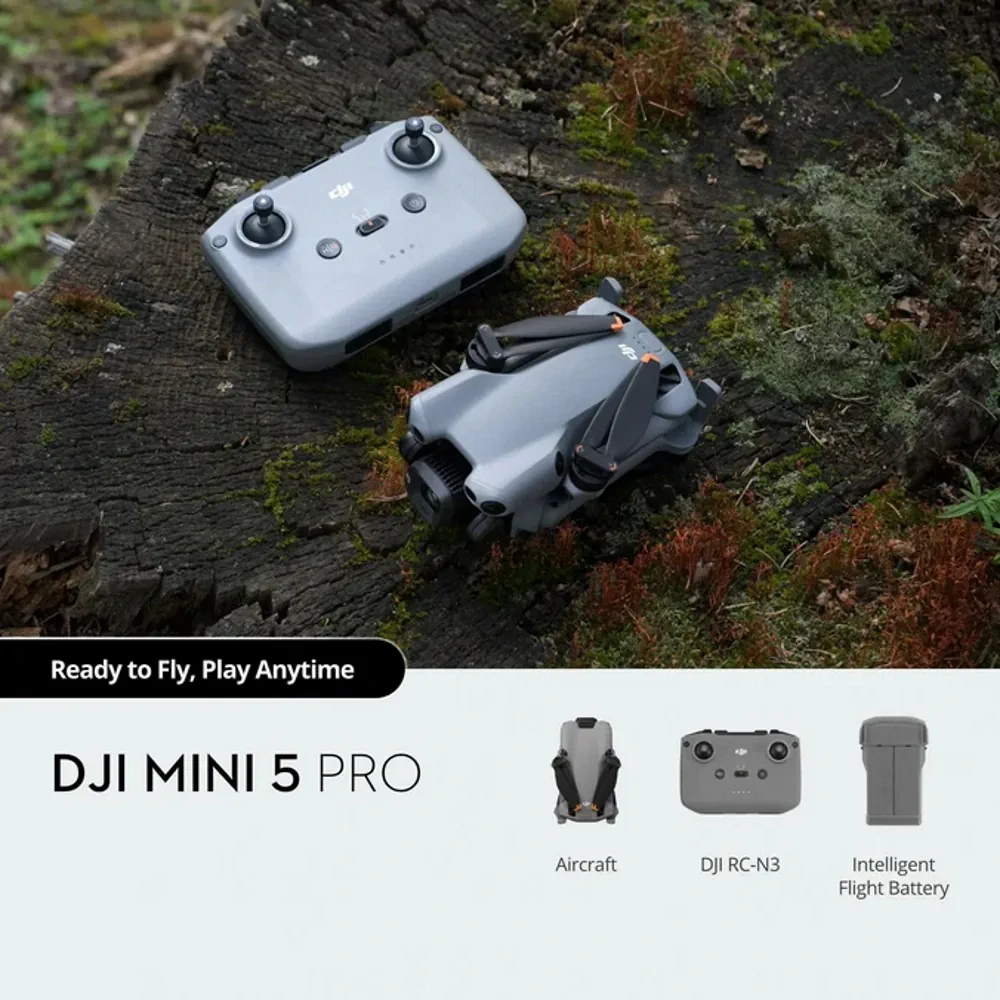
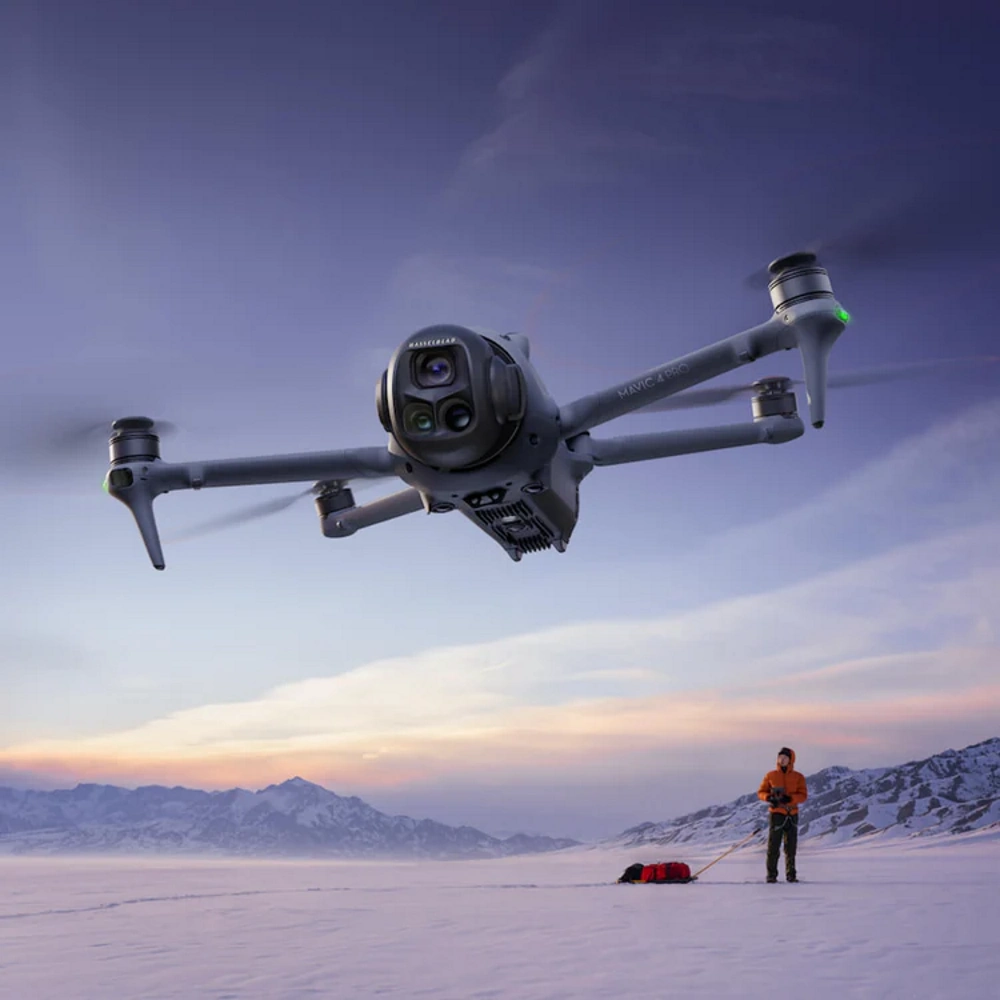
The drone range is where DJI remains most recognizable, and the catalog is deliberately tiered. Compact models such as the Mini series emphasize portability, lighter weight, and approachable controls, while the Air family moves toward stronger imaging and flight performance. The Mavic line sits closer to flagship territory, and Avata products focus on immersive first-person-view flying. DJI USA currently highlights models including the Mini 5 Pro, Mini 4 Pro, Air 3S, Mavic 4 Pro, Flip, Neo, and Avata 2, giving buyers several distinct entry points instead of forcing one drone design to suit every user. Important flight aids such as GPS stabilization, automated takeoff and landing, return-to-home functions, and obstacle sensing on more advanced models reduce the mechanical difficulty of piloting. That does not make drone flying effortless, but it does allow new users to concentrate sooner on framing, movement, and composition. More experienced pilots benefit from advanced tracking, stronger transmission systems, better cameras, and more capable obstacle-detection hardware.
Camera Quality and Creative Tools: More Than Aerial Footage
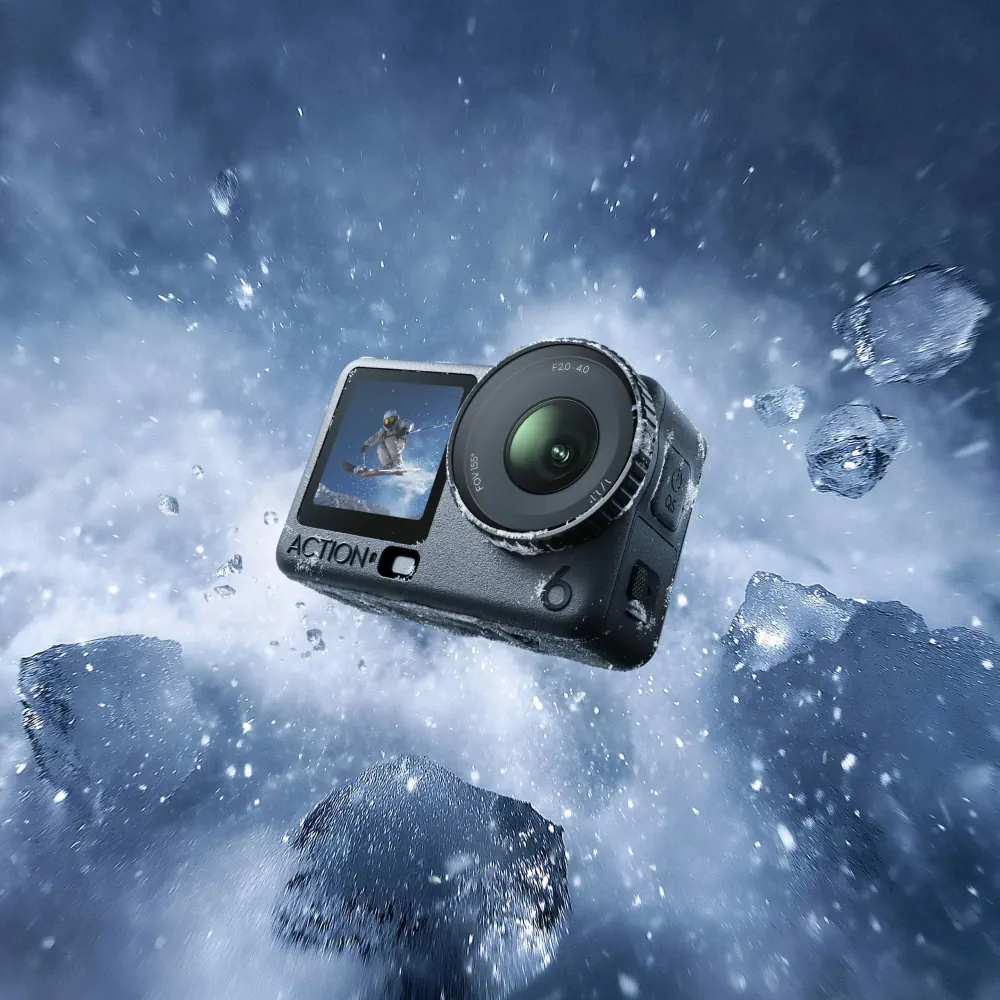
DJI’s strongest advantage is not simply that its drones fly well. The company has built much of its identity around stabilized image capture, and that expertise carries into its handheld product families. DJI’s current handheld catalog includes Osmo Action cameras, Osmo Pocket cameras, Osmo Mobile smartphone gimbals, DJI Mic systems, Ronin stabilizers, Ronin cinema cameras, and professional accessories. That creates a practical workflow for creators who may shoot aerial footage in one scene, stabilized walking footage in another, and dialogue or ambient audio separately. The brand’s products also tend to emphasize features that reduce the amount of corrective work needed after filming, such as mechanical stabilization, subject tracking, automated shooting modes, and integrated camera-control tools. This is especially valuable for solo creators and small production teams. Rather than requiring a large rig for every shot, DJI often packages stabilization and intelligent capture features into relatively compact hardware, which can make professional-looking movement more attainable.
Design, Software, and Ecosystem Integration: Sophisticated but Closely Connected
DJI products are generally designed as parts of a larger ecosystem rather than isolated devices. Controllers, batteries, charging hubs, microphones, gimbals, mounts, filters, replacement parts, and software services all contribute to the ownership experience. DJI’s stores and support system maintain extensive categories for accessories, handheld devices, drone families, controllers, microphones, stabilizers, and professional production equipment. This integration can be a major strength because compatible components are designed around specific hardware and workflows. A drone owner can expand from a basic kit into additional batteries, propellers, charging accessories, filters, and controllers without needing to assemble an entirely third-party system. DJI also provides product support, firmware guidance, device management, and service access through its support infrastructure and apps. The tradeoff is that owners become more dependent on DJI’s hardware compatibility, firmware, account tools, and accessory standards. Buyers should therefore consider not only the main device, but also the longer-term ecosystem they are entering.
Ease of Use, Safety, and the Learning Curve
DJI has done considerable work to make advanced flying and stabilized filming understandable to non-specialists. Beginner-oriented drones include automated functions that assist with takeoff, landing, hovering, and returning to the launch point, while more capable models add obstacle sensing and intelligent flight modes. These systems can reduce common piloting difficulties, but they should be treated as assistance rather than substitutes for responsible operation. DJI itself states that pilots remain responsible for conducting flights safely and following applicable local laws and regulations. Its FlySafe information is designed to improve situational awareness, while official aviation requirements still need to be checked separately. This distinction matters. A new buyer may be able to operate the controls quickly, yet still need to learn airspace restrictions, weather considerations, battery management, signal limitations, safe distances, and any applicable registration requirements. DJI lowers the technical barrier to operating a drone, but the responsibility of flying safely remains with the pilot.
Accessories, Batteries, and the Real Cost of Ownership
A DJI purchase often becomes more useful with accessories, and that should be considered before choosing a model. Extra batteries are among the most practical additions because flight time is naturally limited and real filming sessions often require several launches. Charging hubs, spare propellers, cases, neutral-density filters, mounts, memory cards, controllers, microphone accessories, and protection plans can also add meaningful value depending on the product. DJI USA lists dedicated batteries across current drone families, including Mini, Mavic, Avata, Air, Flip, and Neo products, illustrating how central battery expansion is to the platform. The downside is that a complete kit can cost noticeably more than the advertised price of the base device. This is especially true for advanced drones and professional video equipment. Buyers should compare complete working setups rather than headline prices. A cheaper base package is not necessarily the better value if the intended use immediately requires extra batteries, a better controller, filters, storage, replacement propellers, or accidental-damage protection.
Support, Warranty, and Shopping Experience
Support is particularly important with drones and camera equipment because crashes, damaged gimbals, firmware issues, battery problems, and accidental water exposure can be expensive. DJI maintains a broad support portal covering product help, repairs, firmware guidance, device binding, flyaway information, and service requests. The company also offers DJI Care Refresh for eligible products, with coverage that can include accidental damage, natural wear, and, on supported camera drones, certain flyaway replacement benefits. DJI lists both one-year and two-year Care Refresh options for eligible products, although coverage and renewal conditions vary by model and market. Separately, the DJI USA storefront states that it is an authorized reseller with genuine products and advertises a 30-day return policy for eligible products, along with warranty and after-sales support. Buyers should still read the exact terms for the product selected because return eligibility, service coverage, replacement fees, and supported models can differ.
Pros And Cons
DJI remains a compelling choice because it combines mature stabilization technology, accessible flight controls, strong camera capabilities, and an unusually broad creator ecosystem. The brand can serve a first-time drone buyer, a travel filmmaker, a social media creator, or a professional production team without forcing every user into the same level of hardware. Its current catalog spans beginner-friendly and compact drones through advanced aerial systems, while its handheld division covers action cameras, pocket cameras, microphones, smartphone gimbals, professional stabilizers, and cinema equipment. Its drawbacks are equally important to understand. Higher-end setups can become expensive once batteries and accessories are added, the ecosystem can encourage dependence on DJI-specific components, and drone owners must still manage regulations, safe flying practices, firmware, and airspace awareness. For buyers who value stabilized imaging, compact engineering, and a well-developed upgrade path, DJI stands as one of the most comprehensive camera and drone technology ecosystems available.
Pros
Cons
Final Verdict
DJI remains a compelling choice because it combines mature stabilization technology, accessible flight controls, strong camera capabilities, and an unusually broad creator ecosystem. The brand can serve a first-time drone buyer, a travel filmmaker, a social media creator, or a professional production team without forcing every user into the same level of hardware. Its current catalog spans beginner-friendly and compact drones through advanced aerial systems, while its handheld division covers action cameras, pocket cameras, microphones, smartphone gimbals, professional stabilizers, and cinema equipment. Its drawbacks are equally important to understand. Higher-end setups can become expensive once batteries and accessories are added, the ecosystem can encourage dependence on DJI-specific components, and drone owners must still manage regulations, safe flying practices, firmware, and airspace awareness. For buyers who value stabilized imaging, compact engineering, and a well-developed upgrade path, DJI stands as one of the most comprehensive camera and drone technology ecosystems available.