
DreamSofa Review: Custom Comfort, Made to Fit Real Homes

$100 Off Your Purchase
×DreamSofa is not a health or nutrition supplement brand. It is an online furniture company focused on custom-made sofas, sectionals, sleepers, and related seating designed around personalization. The core idea is simple: instead of settling for a fixed size, fixed fabric, and one cushion feel, shoppers can configure a piece that matches their room and daily habits. That includes choosing dimensions, layouts for sectionals, fabric categories geared for high-traffic living, and cushion firmness so the sofa supports the way people actually sit, lounge, and host.
This approach appeals to buyers who want a sofa that fits an awkward wall length, a narrow apartment entry, or a family room that needs durable upholstery. DreamSofa also emphasizes shopper confidence through policies that reduce risk for such a high-consideration purchase, including a long return window on many items and a lifetime-style warranty language for frames. The value of a custom sofa depends on two things: whether the brand makes customization easy and whether the finished product performs over time. DreamSofa’s catalog and policies aim to address both, making it a brand worth considering for shoppers who want control over the final result instead of accepting a one-size solution.
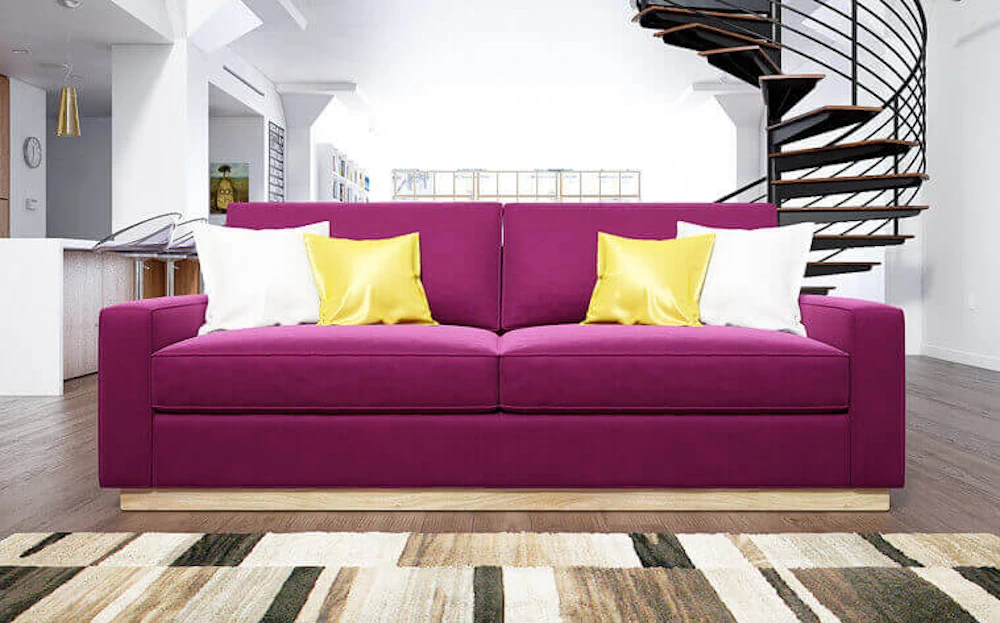
Customization that goes beyond color choice
DreamSofa’s customization runs deeper than selecting beige versus gray. The brand encourages shoppers to build a sofa around room constraints and lifestyle preferences, which is where custom furniture becomes genuinely useful. Sizing flexibility matters because standard sofa widths do not always align with real spaces. Some rooms need a compact profile that leaves walking clearance. Others have enough space for a wide, lounge-ready build. A custom process that allows the size to be dialed in helps prevent common issues like a sofa that blocks a doorway or overwhelms a small living room.
Sectionals are a major part of the appeal because layouts can be configured for the room’s traffic flow. A chaise can land on the correct side. A corner configuration can be designed to anchor a TV wall or create a conversation zone. Shoppers also get to choose design details that change the vibe of the finished piece, including leg styles and finishes and style elements that shift from tailored to more relaxed. In a category where returns are traditionally difficult, customization needs to be clear and structured. DreamSofa’s approach is built around guiding the buyer through choices that translate into a sofa that looks intentional in the space, not like a compromise.
Comfort engineering: firmness, seat depth, and everyday feel
Sofa comfort is not one universal setting. Some people want a supportive seat that keeps posture upright for conversation and work-from-home days. Others want a deeper seat with a softer feel for movie nights and long lounging sessions. DreamSofa leans into that reality by offering cushion firmness profiles, which is one of the most important customization variables a shopper can control. Firmness affects not only comfort but also how a sofa looks after extended use. Softer cushions can feel cozy but may show more relaxed shaping over time. Firmer cushions can hold a cleaner silhouette and provide stronger support.
Seat depth is another key factor. Deep seats change the experience of a sofa dramatically, especially for taller users or for households that treat the sofa like a primary relaxation zone. A more standard depth can feel better for shorter users or for settings where the sofa is used for sitting upright rather than stretching out. When a brand takes comfort seriously, it acknowledges that seat depth, cushion feel, and back support work together. A sofa can have soft cushions but still feel balanced if the back support and seat pitch are designed well. DreamSofa’s comfort options are best viewed as a way to tune the sofa for how it will be used most often, whether that is hosting, daily family seating, or relaxed lounging.
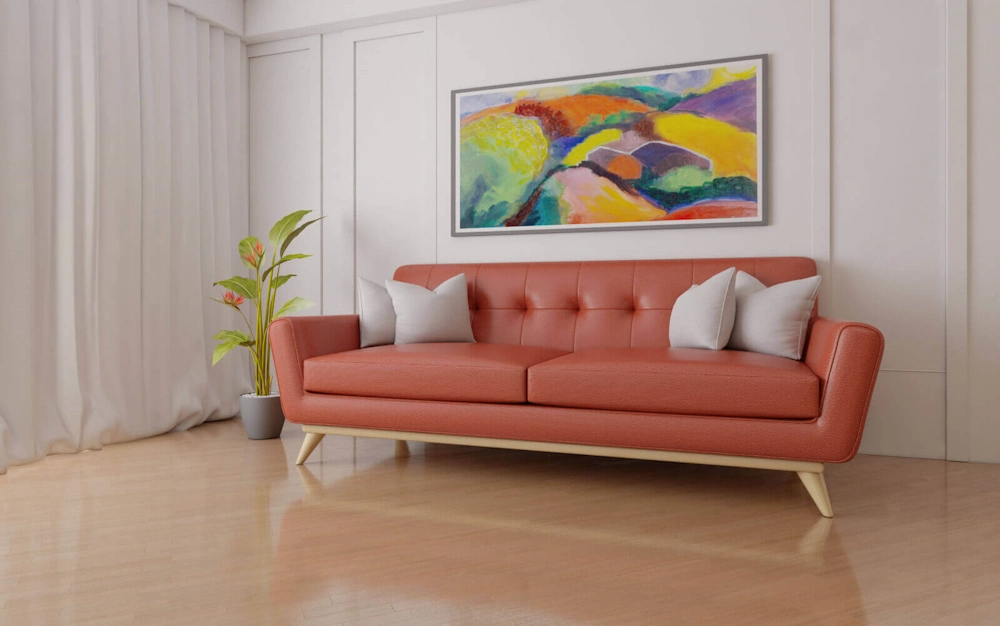
Build quality fundamentals: frames and long-term durability
A sofa’s durability is determined by its structure first, then by the upholstery and cushions. DreamSofa emphasizes a kiln-dried hardwood frame as a durability foundation, which matters because moisture-managed wood is less prone to warping and structural shifts over time. A strong frame supports consistent comfort and reduces squeaks and looseness that can develop in lower-quality seating. For many buyers, this is the hidden value of a better sofa. A piece can look great on delivery day and still disappoint if the frame and support system are not engineered for real daily wear.
Cushion materials also play a major role in how a sofa holds up. Higher-resilience foams are typically used in better seating because they rebound more effectively after weight and pressure. That rebound affects both comfort and appearance. The goal is a seat that stays supportive and does not collapse into a permanently flattened feel after a few months. DreamSofa also offers cushion constructions that incorporate softer wraps, such as down alternative layers, which can improve comfort while keeping a supportive core. The most practical takeaway is that longevity is created by the combination of a stable frame, a well-designed support system, and cushion materials that can handle repeated compression. DreamSofa’s emphasis on these fundamentals aligns with what shoppers should prioritize when buying a sofa intended to last.
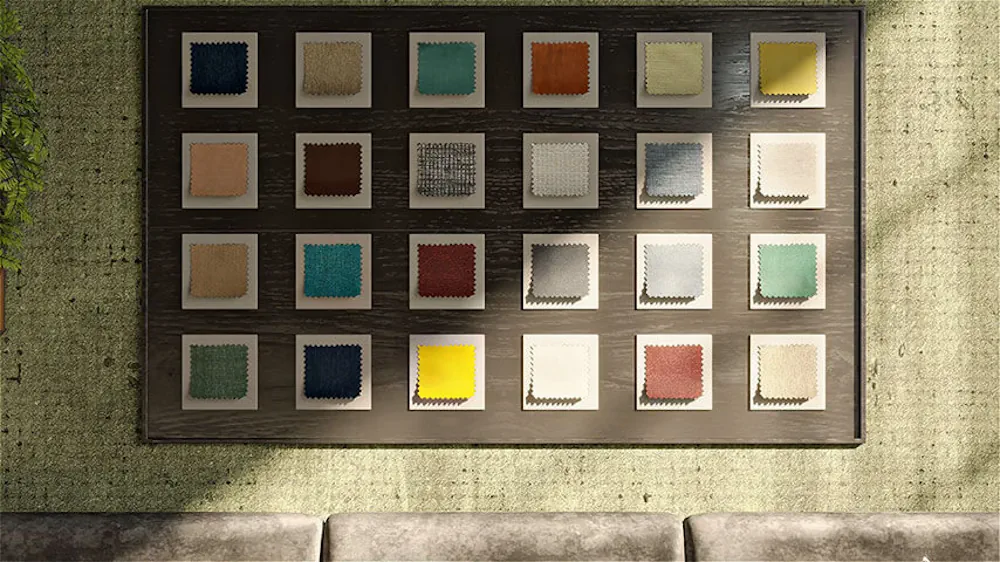
Fabric selection: performance, stain resistance, and real-life cleaning
Fabric is where lifestyle and aesthetics collide. DreamSofa leans heavily into performance and stain-resistant options, which are especially relevant for families, pet owners, and anyone who uses their living room daily. Performance fabrics matter because they are engineered to resist stains, reduce moisture absorption, and handle repeated cleaning without quickly looking worn. For many homes, this is the difference between a sofa that stays presentable and one that becomes stressful to own. A beautiful light fabric is only a good choice if it can survive spills and routine mess.
The breadth of fabric options is also a design advantage. A brand with many upholstery choices can work across decor styles, from modern minimal rooms to more traditional spaces. Texture, weave, and color depth all affect how a sofa reads in a room. Some fabrics look crisp and tailored, while others create a softer, more casual impression. For shoppers who want a “safe” choice, performance fabrics can offer peace of mind without sacrificing style. For shoppers who want something distinctive, the fabric library makes it easier to select a look that feels personal. Fabric selection should be treated as a functional decision first and an aesthetic decision second. The best outcome is a sofa that looks good and stays easy to live with.
Delivery experience and what to plan for
Sofas are not small-box deliveries, and the delivery process can make or break the experience. DreamSofa offers nationwide delivery, with options that include white-glove style service for many orders. White-glove delivery matters because it reduces the risk of damage during the final steps, and it helps avoid the headache of maneuvering a large piece into a home. A good delivery team will bring the sofa into the room of choice, unpack it carefully, and remove packaging, which is a meaningful benefit for apartment living and multi-story homes.
Timing is also part of the experience. Custom furniture takes longer than off-the-shelf seating because the product is made to order. That wait can be a reasonable tradeoff when the buyer wants specific dimensions or fabric selections. The practical advice is to measure entryways, stairwells, and tight corners before ordering, and to plan for delivery access. A custom sofa is a long-term purchase, so a few extra weeks can be worth it, but expectations should be realistic. The strongest approach is to treat delivery as a planned event, not an afterthought. When shoppers do that, custom furniture becomes much smoother and less stressful. DreamSofa’s delivery options are designed to make large-item logistics easier, especially for buyers who want professional handling.
Returns and warranty: risk management for a big purchase
Return policies are especially important for custom furniture because the buyer cannot test the exact configuration in person. DreamSofa offers a 100-day return window on many design pieces, which is unusually long for this category and can reduce purchase anxiety. That said, returns often include costs such as delivery and pickup fees, plus a restocking fee, and custom-specified orders can be excluded from return eligibility. Those details matter because they shape how “risk-free” the purchase truly is. The best practice is to treat the return policy as a safety net rather than as a plan, and to invest time in selecting the right size, fabric, and firmness upfront.
On warranty, DreamSofa emphasizes a limited lifetime warranty, particularly tied to the frame. A strong warranty is meaningful because the frame is the hardest and most expensive component to repair. The value of a warranty depends on what it covers, what it excludes, and how claims are handled, but a lifetime-style frame warranty language generally signals confidence in core construction.
In a category where many shoppers feel burned by short warranties and limited support, policies like these can be a deciding factor. When combined with clear customization tools, a long return window and a durable-focused warranty framework help make the custom process feel more approachable.
Pricing and value: where DreamSofa can make sense
Custom sofas often cost more than mass-market alternatives, and that is not automatically a negative. The value equation depends on what the buyer actually needs. If a standard sofa fits the room, matches the decor, and meets durability expectations, then custom is optional. But many shoppers choose custom because standard options repeatedly fail, either on size, comfort, fabric practicality, or long-term performance. DreamSofa’s value proposition is strongest when customization solves a real problem, such as fitting a precise wall length, building a sectional layout that works with a room’s flow, or choosing a fabric that survives pets and kids.
Value also shows up over time. A sofa that holds its comfort and structure can outperform cheaper alternatives that sag, squeak, or lose cushion support. Cost per year becomes the relevant metric rather than just the initial price. DreamSofa also runs sales and promotions, which can shift the cost from premium to more attainable, especially for buyers furnishing a new home or replacing a worn-out main living room piece.
The most important value lever is choosing the right configuration. Selecting the right seat depth and firmness for daily use can prevent disappointment. Choosing a practical performance fabric can reduce maintenance stress. When those decisions are made well, the custom pricing feels justified because the finished product matches the home and lifestyle rather than forcing compromise.
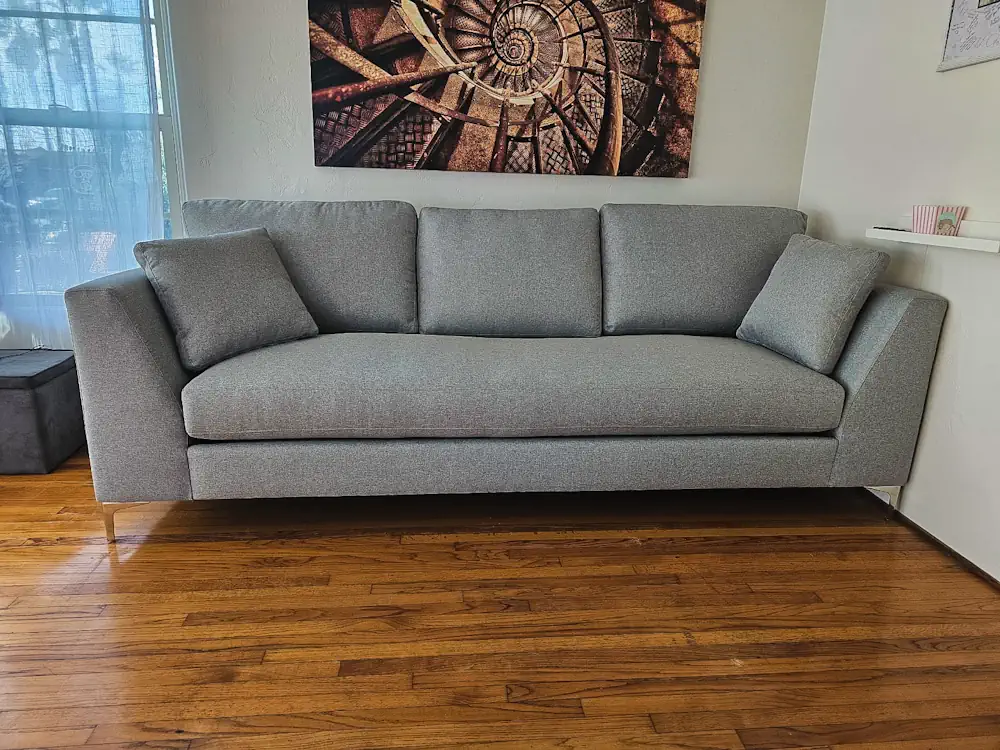
Who DreamSofa is best for
DreamSofa fits shoppers who want control and who are willing to think through their needs. This is a brand for buyers who measure their rooms, consider how they sit, and care about fabrics that survive daily life. It is also well suited to households with specific constraints, such as narrow entryways, small living rooms that need compact dimensions, or large family rooms that need sectionals with the right layout. People who have been disappointed by the “looks good online, feels wrong at home” problem often appreciate a customization process that includes comfort and size variables.
The brand also makes sense for style-driven shoppers who want their sofa to feel unique but not experimental. Many designs lean into versatile silhouettes that can work across different decor styles, and the fabric library helps push the look in a modern, classic, or cozy direction. On the other hand, shoppers who want instant delivery and do not want to make decisions may find custom furniture overwhelming. A custom brand rewards intention.
The best DreamSofa customer is someone who treats a sofa like a core home investment. That person wants durability, wants comfort tuned to real use, and wants upholstery that can handle the realities of everyday living. For those buyers, DreamSofa can provide a tailored result that feels more “right” than a standard retail option.
Pros and cons of DreamSofa
Pros
The ability to tailor dimensions and sectional configurations helps buyers match real rooms rather than forcing compromises.
Cushion feel can be selected to support upright seating, relaxed lounging, or a balanced middle ground.
Practical fabric choices support family living, pet ownership, and frequent daily use with easier maintenance.
A long return window on many items can make it easier to commit to a major purchase.
Structural emphasis supports long-term ownership rather than short-term looks.
Cons
Made-to-order production means waiting longer than off-the-shelf options.
Pickup, delivery, and restocking costs can reduce the financial comfort of returning an item.
Shoppers must choose dimensions, fabrics, and comfort options, which can feel complex without careful planning.
Some highly customized orders may not be eligible for returns, so accuracy in selection matters.
Final thoughts
DreamSofa offers a compelling custom-furniture model for buyers who want a sofa that fits their space and lifestyle with fewer compromises. The brand’s strengths sit in practical areas that matter most after the excitement of a new purchase wears off: comfort that can be tuned, fabrics designed for real-life wear, and durability fundamentals that support long-term ownership. The policies around returns and warranty also suggest a customer experience designed to make online sofa buying less intimidating, although the financial realities of returns should be understood upfront.
The best way to approach DreamSofa is to think like a designer and a realist at the same time. Measure carefully. Choose a fabric that matches how the home operates. Select cushion firmness and seat depth based on daily use rather than on a quick first impression. When those decisions align, a custom sofa can feel like it was made for the room because it truly was. For shoppers who value that level of control and want a seating piece that can hold up to everyday life, DreamSofa is a brand that deserves serious consideration.