
FireBoard Review: Smart Temperature Control for Serious Cooks and Businesses

Free Shipping w/ Email Signup
×FireBoard is a Kansas City-based technology brand focused on connected temperature monitoring for grilling, smoking, oven cooking, food service, and commercial storage. Its main attraction is not simply that its thermometers display a temperature. The devices send live readings to the FireBoard mobile app and online dashboard, allowing temperatures to be checked from another room, across the yard, or away from the cooking area when an internet connection is available. The brand also combines monitoring with automatic airflow control through selected Drive products and compatible blowers. That makes FireBoard especially appealing for long smoking sessions where steady pit temperature matters. Its catalog has expanded beyond backyard barbecue into wireless probes, instant-read tools, pellet and gravity-grill controllers, and temperature and humidity sensors for refrigerators, freezers, warehouses, and restaurant operations.
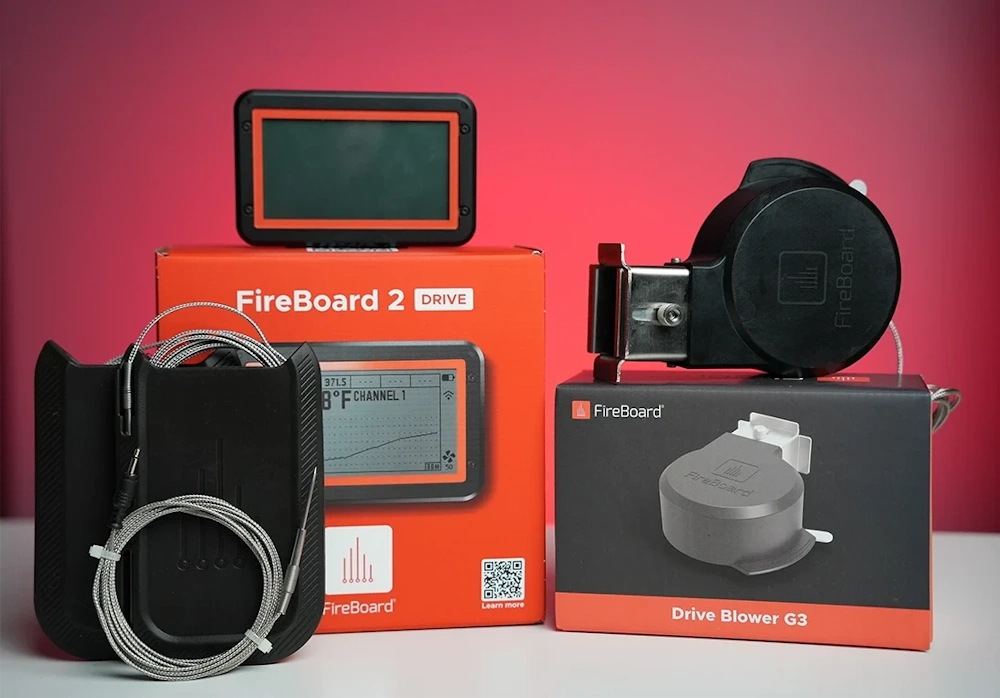
FireBoard 2, Drive, and Pro Models
The FireBoard 2 family forms the core of the cooking range. The standard FireBoard 2 can monitor as many as six external probes and provides Wi-Fi, Bluetooth, an LCD screen, cloud access, and an internal rechargeable battery. The FireBoard 2 Drive builds fan control directly into the unit, so a compatible blower can automatically adjust airflow to hold a selected cooker temperature. It includes an ambient probe and two food probes, although the blower is sold separately. The FireBoard 2 Pro takes a more specialized route by using three professional Type K thermocouple ports instead of six standard thermistor channels. It also includes Drive control and can measure temperatures from minus 148°F to 1,472°F. In practical terms, the standard model favors monitoring capacity, the Drive favors automated barbecue control, and the Pro favors demanding high-temperature work such as ceramic and brick ovens.
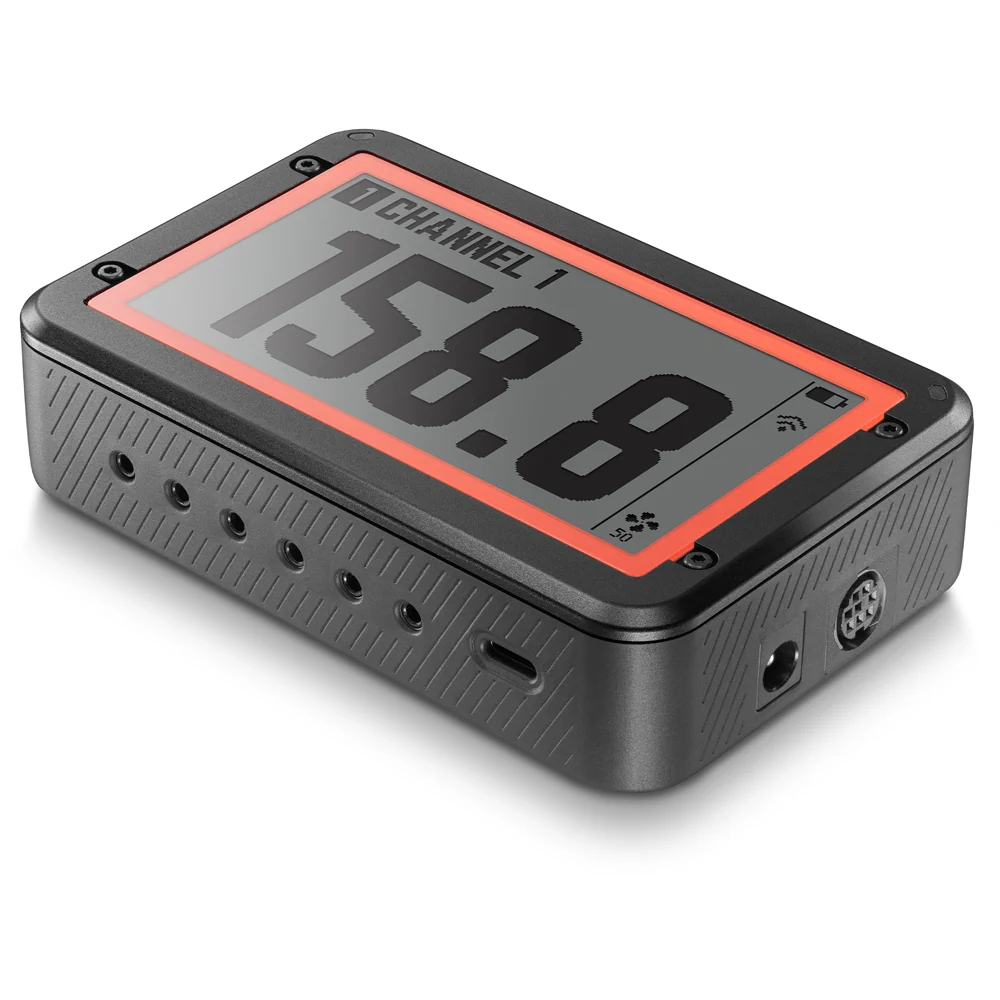
Automatic Grill Control and Long Cooks
FireBoard Drive is where the system becomes more than a remote thermometer. With the FireBoard 2 Drive or another compatible controller connected to a blower, a target pit temperature can be selected and the system will vary fan speed to regulate the fire. FireBoard’s current G3 blower is rated at 20 CFM and is designed for variable-speed operation, though cooker adapters or extra control hardware may be needed depending on the setup. This can reduce the constant vent adjustments normally required during brisket, pork shoulder, ribs, and other long cooks. The mobile app also supports remote fan control and custom programs, so cooks can follow a planned temperature schedule rather than relying on one fixed setting. Results still depend on fuel, airflow, probe placement, weather, and smoker design, but the control system can remove much of the repetitive babysitting associated with traditional charcoal cooking.
Pulse and Spark for Everyday Cooking
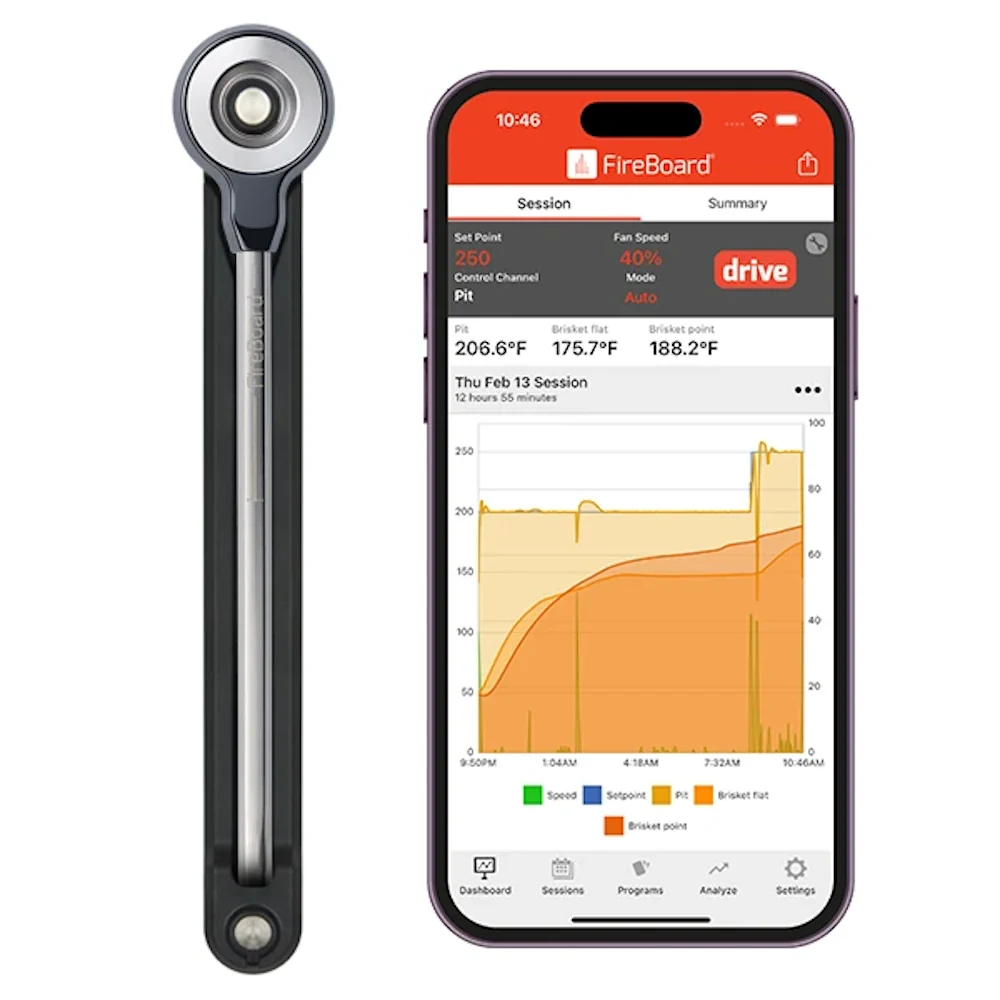
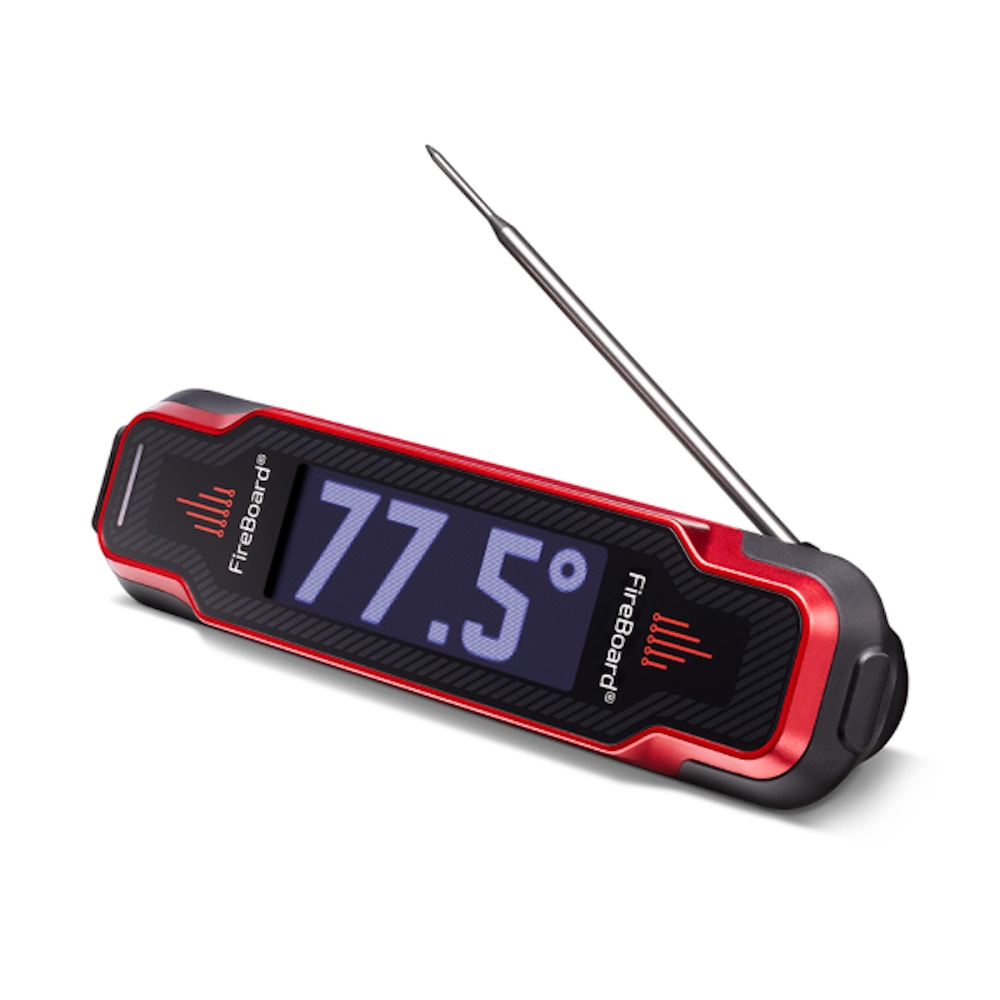
The FireBoard Pulse brings fully wireless food monitoring into the same ecosystem. It contains two sensors, one for internal food temperature and another for the surrounding grill temperature, and it can connect directly to a smartphone through Bluetooth. Pairing it with a FireBoard 2-series device and an S1G antenna extends its practical communication range and improves connectivity through metal cooker bodies. The probe uses a rechargeable, stackable charging system, which is convenient for cooks managing several pieces of meat. FireBoard Spark serves a different purpose. It is a waterproof instant-read thermometer with a temperature range of minus 58°F to 572°F, app integration, graphing, Bluetooth, and a port for a leave-in probe. Pulse is useful when wires are inconvenient, while Spark is better for quick checks, line checks, baking, and general kitchen work.
Mobile App, Alerts, and Cooking Records
The FireBoard app is the center of the experience. It receives real-time readings, lets users label individual channels, creates temperature graphs, stores cooking sessions, and supports adjustable alarms. The web dashboard adds another way to view data without depending entirely on a phone screen. For grilling and smoking, this recordkeeping is genuinely useful. A cook can review temperature swings, compare one brisket session with another, and see how quickly food moved through different stages. Remote alerts also make overnight smoking less stressful because a warning can be triggered when food or pit temperature moves outside a selected range. FireBoard includes access to its cloud platform without an ongoing data-storage subscription, which improves its long-term value. The tradeoff is that multiple channels, alarm settings, device pairing, graphing tools, and Drive programs create a greater learning curve than a simple handheld thermometer.
Commercial Temperature and Humidity Monitoring
FireBoard also offers a serious commercial system built around the Bridge base station and Beacon sensors. The Bridge connects to a local Wi-Fi network and can support up to 32 S1G devices. Each Beacon can monitor temperature and humidity in a refrigerator, freezer, storage room, or other controlled area, then send readings through the Bridge to the cloud dashboard. FireBoard says the lower-frequency S1G connection can pass through thick walls and appliances more effectively than ordinary Bluetooth or Wi-Fi signals. Businesses can configure email or SMS alerts, manage multiple locations, assign different access levels, and keep historical records without monthly software or cloud-storage fees. The system can continue collecting data during a network interruption and backfill the missing records after reconnection, which is valuable for food safety documentation, spoiled-product investigations, and detecting failing refrigeration equipment.
Pricing, Accessories, and Overall Value
FireBoard products sit above basic wireless thermometers in price, but they also offer more channels, stronger data tools, cloud connectivity, and optional fire control. Current listed prices include $199 for the FireBoard 2, $259 for the FireBoard 2 Drive, $319 for the FireBoard 2 Pro, $149 for the Pulse, and $149 for the Spark. A complete Drive setup costs more because the blower, adapters, extra probes, magnetic base, or protective accessories may need to be purchased separately. Buyers should check cooker compatibility before ordering a control system, especially when fitting a blower to a kamado, kettle, offset smoker, pellet grill, or gravity-fed cooker. The value is strongest for frequent grillers, competition teams, caterers, and businesses that will use the data and remote features regularly. Occasional cooks may not benefit enough to justify the expense.
Pros and Cons
Pros
Cons
Final Thoughts
FireBoard is a strong choice for cooks and businesses that want temperature information to be measurable, accessible, and useful over time. The brand goes well beyond a standard meat thermometer by combining multi-channel monitoring, remote alarms, historical graphs, wireless probes, and optional automatic fire control. Its commercial Bridge and Beacon platform further broadens the system into cold-storage and humidity monitoring without mandatory monthly software fees. The main drawbacks are cost, accessory requirements, and a steeper setup process than simpler thermometers. For someone who grills a few burgers each summer, FireBoard may be excessive. For regular smokers, serious home cooks, caterers, competition teams, restaurants, and operators responsible for refrigerated inventory, the additional control and visibility can justify the investment.