
Georgia Boot: Built for the Shift, Ready for the Weekend

Georgia Boot occupies a sweet spot in the work-boot universe: tough enough for ranches, construction sites, and logging, yet styled and priced so everyday wear still makes sense. The brand’s formula revolves around three pillars—durability, comfort, and practical protection. On leather-heavy lines, Georgia uses its proprietary SPR leather, a specially tanned hide designed to resist the barnyard’s worst: caustic chemicals, manure acids, and abrasion. Many farm and ranch buyers find that SPR leather stays supple instead of drying and cracking under harsh use, which is the difference between boots that last a season and boots that outlive a project.
Comfort gets equal billing. Georgia’s AMP (Advanced Memory Polyurethane) insole layers a supportively dense polyurethane base under a full-length memory-foam top sheet. That pairing cushions the entire footbed, cradles the heel, and helps the insole shape to the wearer over time. The result is step-in softness without the marshmallow feel that collapses under load. Knees, hips, and lower back appreciate that balance when shifts run long.
Waterproofing and outsole traction round out the package. Across categories, Georgia mixes waterproof membranes, chemical- and oil-resistant compounds, and slip-resistant patterns—especially on Athens, Logger, and farm/ranch silhouettes—so the boots feel as at home on wet concrete as in pasture mud. Best-seller pages regularly feature stalwarts like the Giant Romeos and Wedge boots because they do the everyday things right. A steady platform, real leather that holds up, and cushioning that doesn’t quit—those fundamentals keep repeat buyers coming back.
The upshot is a brand that treats “work boot” as a system. Leather resists what ruins uppers. Insoles stay plush under pressure. Outsoles fight slips, oil, and abrasion. That system approach keeps Georgia relevant for tradespeople, ranch hands, landscapers, linemen—and anyone who prefers a hard-duty boot that still looks good off the clock.
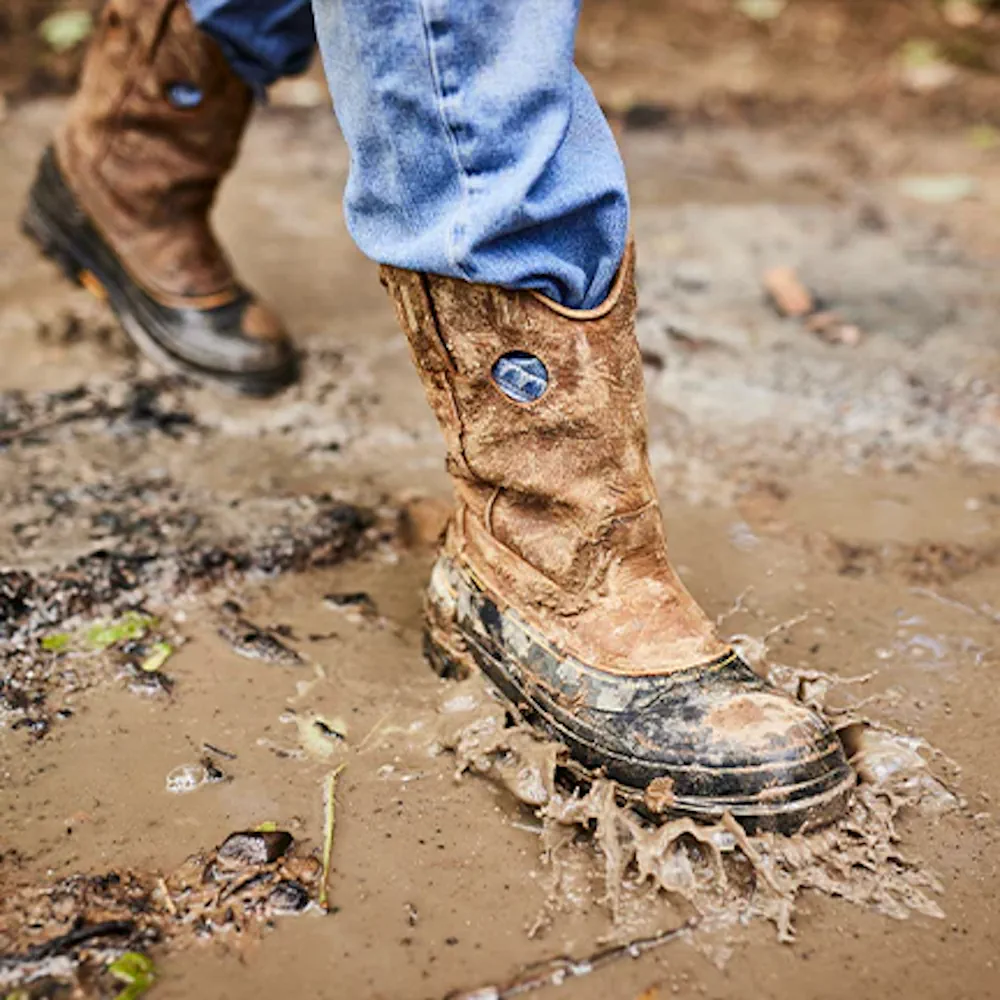
Comfort That Doesn’t Quit: Fit, Break-In, and Day-Long Wearability
Comfort starts the second the boot goes on. Georgia’s pull-on designs use generous loops, wide throats, and in a few cases, smart rear grips or molded panels to ease entry—handy when socks are thick or the day’s already hot. Lace-ups deliver precise lockdown through solid eyelets and hooks, many reinforced with steel washers, so the hardware stays put even when laces see daily stress. Once laced or pulled on, the fit is secure around the heel with some room up front so toes can spread. That small detail pays off late in the shift when fatigue would otherwise creep in.
Break-in feels straightforward on most Georgia lines. The AMP insole’s memory foam smooths the first week by filling micro-gaps underfoot, while the polyurethane layer prevents that soft top sheet from pancaking. Even heavier builds, like Logger or steel-toe Wedge variants, settle predictably as the leather flexes at the forefoot. Expect initial stiffness on Goodyear-welted models; the tradeoff is resoling potential and long-term structure that keeps the boot from folding over time. A brief ramp-up—short wear sessions, then full-day use—usually does the trick.
Workdays often involve mixed surfaces—slick shop floors, gravel, wet grass, diesel-splashed concrete. Georgia specs non-marking, oil- and slip-resistant rubber compounds across many lines, and the lug patterns stay grippy without feeling gummy. Athens models pair rubber outsoles with EVA midsoles to blend cushion and durability, while farm and ranch silhouettes lean on chemical-resistant formulations that stay intact in harsh environments. If days run long, that balance matters: joints get less shocked, feet stay steadier, and fatigue drops.
Sizing looks inclusive across much of the lineup. Many staple styles run from men’s 6.5 up into the teens, with medium and wide widths common. Women’s best-sellers include Romeos and Chelsea-style Giants that mirror the men’s comfort profile, just tuned to women’s lasts. Those broad ranges make it easier to kit out a crew or match an off-duty pair to a weekday favorite. If in between sizes, consider your sock system and whether an insole upgrade is in the plan—both can nudge the fit.
The Shortlist, Expanded: Georgia’s Best-Selling Boots, Reviewed
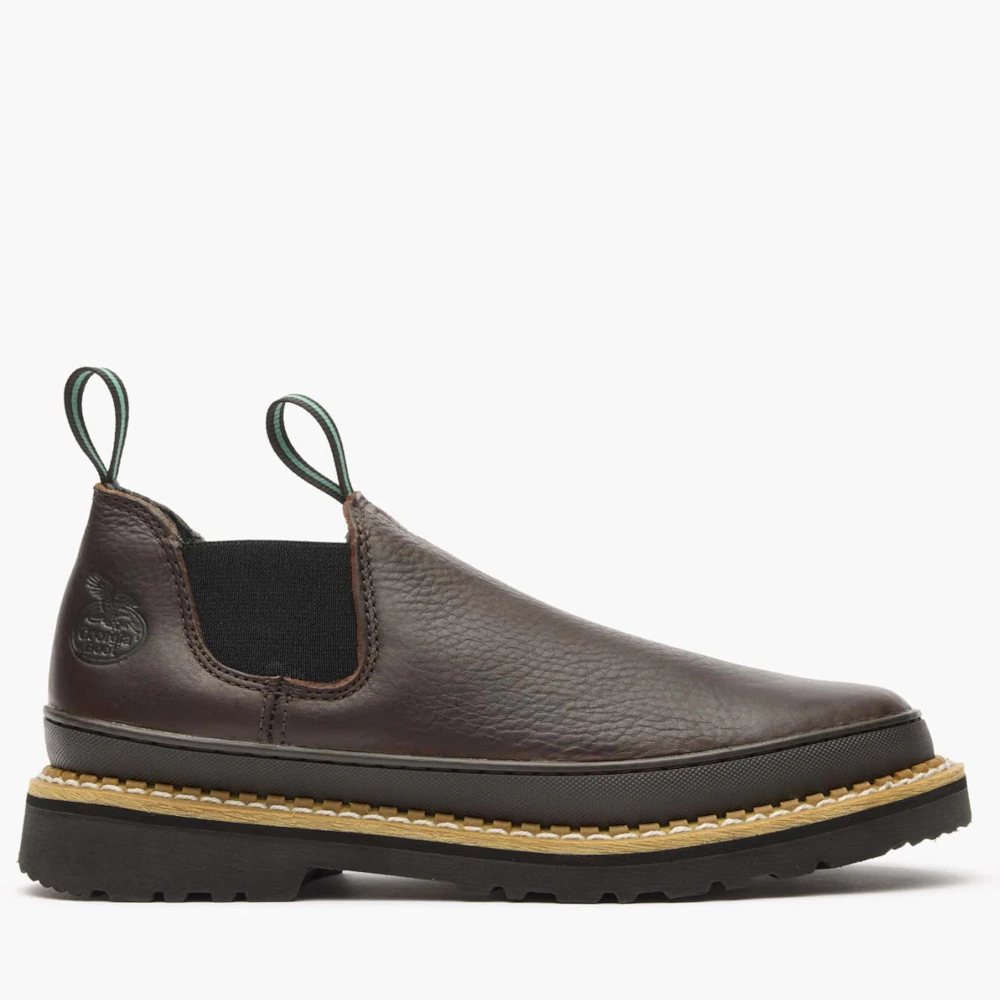
The Giant Romeo is Georgia’s easiest daily win. It’s a low-profile, slip-on work shoe with twin gores and pull loops, making it a no-drama option for shop runs, warehouse work, or light field days. The recipe is simple: full-grain leather, cushioned insole, and a tough, oil-resistant outsole. The low cut gives ankle mobility, while the last provides toe room without feeling sloppy. Waterproof high-top Romeos exist for persistent wet conditions and add Georgia’s waterproof system plus, on certain SKUs, a welted build that extends life. For many, a Giant Romeo becomes the “always by the door” boot—quick on, secure, and surprisingly durable.
Best for: supervisors walking the floor, warehouse teams, delivery drivers, and anyone who wants a rugged slip-on that still looks right after work.
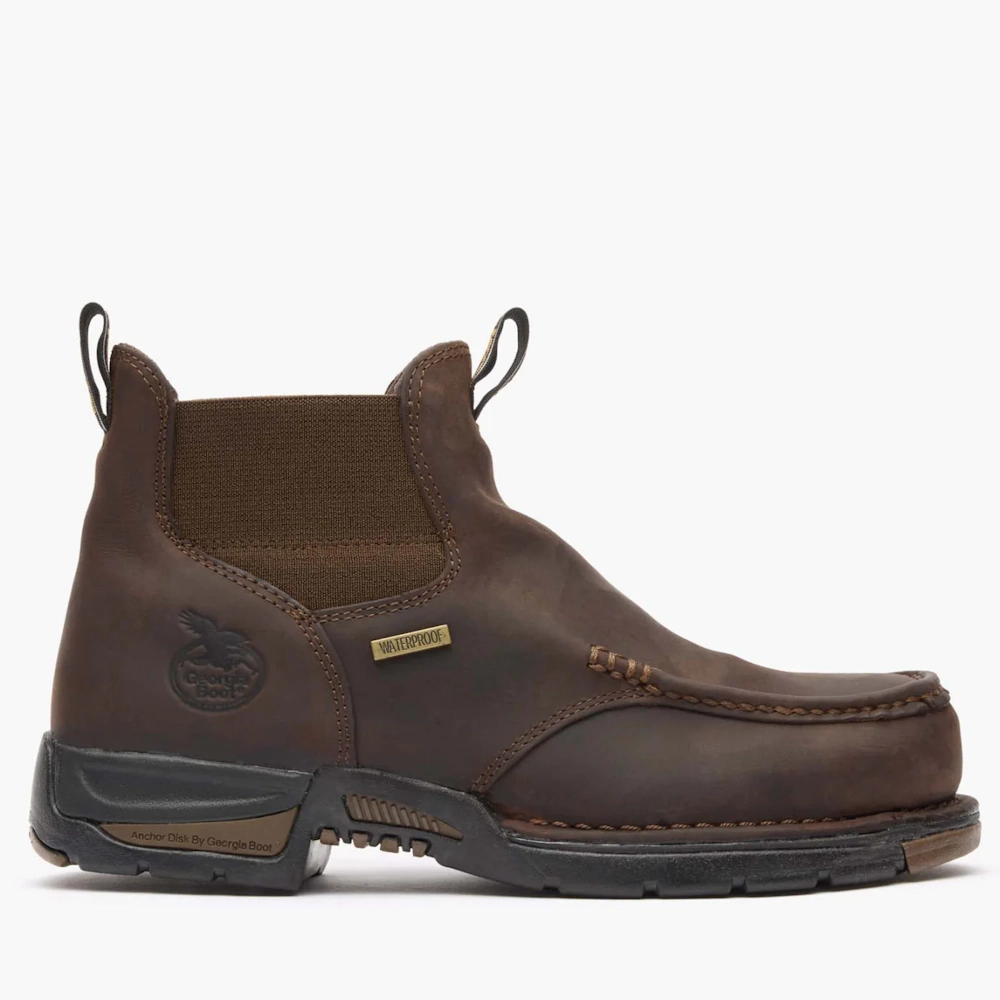
Athens sits near the center of Georgia’s comfort story. The model blends a waterproof leather upper with the dual-layer AMP insole, a supportive shank, and a rubber outsole. EVA midsole foam trims weight and adds a dash of rebound underfoot. Many Athens builds carry electrical-hazard ratings plus chemical- and oil-resistant outsoles. That combination keeps the line dependable in shops and outdoors, rain or shine. Height options range from 6-inch lace-ups to pull-on Wellingtons, with padded collars and tongues on lace-ups for ankle comfort. Athens feels like the “daily driver” of the range—supportive, protective, and easy to recommend for mixed-surface work.
Best for: mechanics, facilities teams, landscapers, and anyone bouncing between inside and outside tasks.
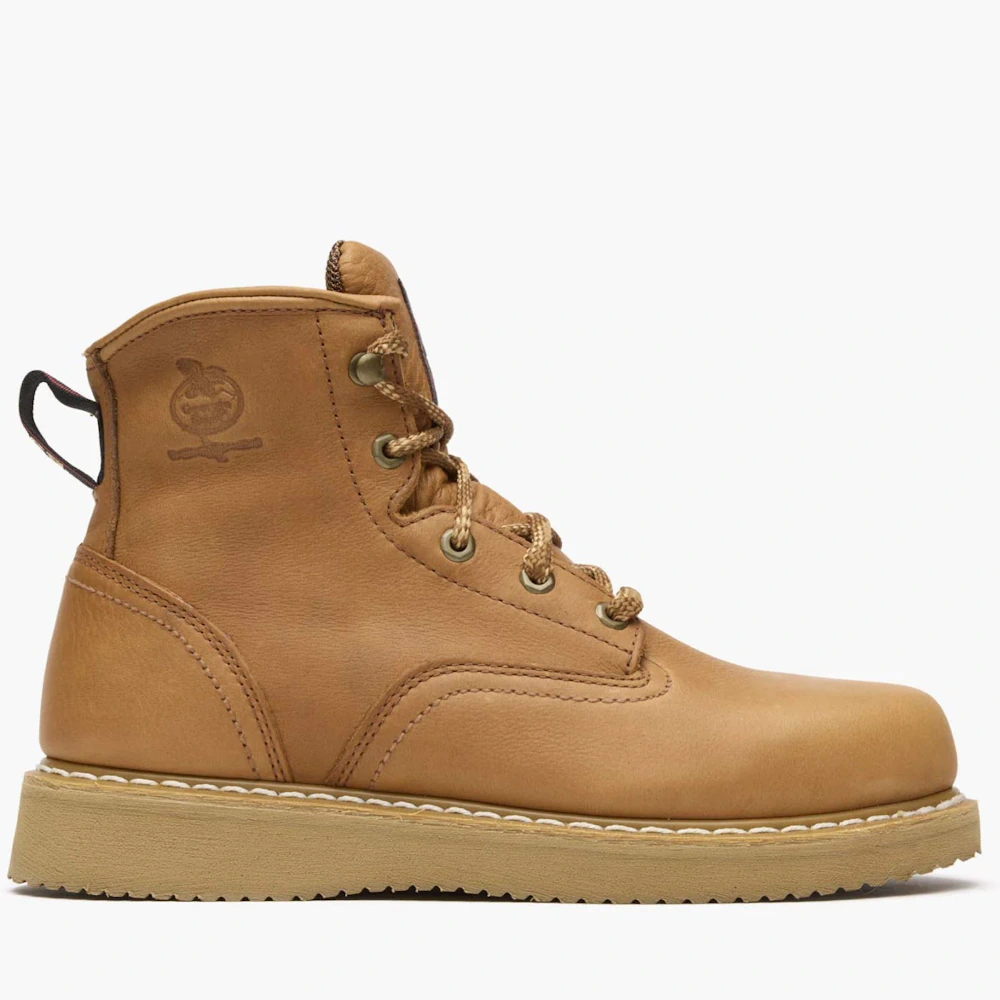
Wedge boots are trending for a reason: that flat, broad platform reduces hot spots and spreads load. Georgia’s wedge options add serious materials science, with many uppers cut from SPR leather and outsoles molded from oil-resistant polyurethane. The result is a farm- and ranch-ready boot that shrugs off caustic muck while delivering all-day stability on hard floors. Steel shanks and Goodyear welts keep structure intact; flex-notched quarters help with break-in without sacrificing support. If a steel toe or waterproofing is needed, those variants exist within the wedge family. Pick these when standing and walking dominate the day.
Best for: dairy crews, fabricators on concrete, warehouse pickers, and anyone who favors a stable platform over a lugged profile.
The Tech Layer: Materials and Construction That Actually Matter
SPR leather is the headline. Georgia’s tanning process aims for hides that are significantly stronger and more abrasion-resistant than standard leather, engineered to resist common barnyard chemicals. For farm and ranch users, that’s a big deal—where typical leather dries, cracks, or stretches after repeated exposure, SPR is designed to stay pliable and intact much longer. That adds months, sometimes years, to boot life, especially for pull-ons that live near troughs or in manure alleys.
Underfoot, the AMP insole story matters for more than comfort blurbs. The memory-foam top sheet conforms to pressure patterns, reducing hot spots at the ball of the foot, while the polyurethane base keeps the foot from sinking too far, which can strain calves and arches. Add in heel cupping and subtle airflow channels, and the insole feels supportive rather than squishy. Many Athens and other comfort-forward models use AMP or AMP LT variants to extend that feel throughout the line.
Outsole design varies by job. Wedge boots lean on oil- and slip-resistant polyurethane for broad-base stability on flat ground. Logger boots move to abrasion-resistant rubber with defined heels for edging and ladder rungs. Many Athens and farm/ranch builds also resist common shop chemicals and oils. Waterproofing shows up through seam-sealed membranes or molded shells, especially on Carbo-Tec and Muddog. Stacked with Goodyear welts, steel or TPU shanks, and stout hardware, the construction ethos skews old-school reliable with smart updates where they count.
Buying, Returns, and Warranty: What to Expect at Checkout
Georgia’s online experience is organized by work type and by collections—Best Sellers, Wedge, Romeos, Loggers, SPR Leather, and gender-specific picks—so narrowing to the right platform is quick. Those “Best Seller” pages act like a shortcut, surfacing customer favorites if the catalog feels wide. Expect broad size runs and frequent restocks on core models, which helps when kitting out teams or replacing well-loved pairs mid-season.
On policy, the brand keeps it friendly. Orders over a stated threshold often ship free, and returns are straightforward: U.S. orders get free return shipping with a Return Authorization number. There’s typically a 30-day return window with no restocking fee as long as the boots are new and tagged, which makes at-home try-ons low-risk. If a warranty issue shows up, the company outlines a one-year limited warranty against defects in materials and workmanship. Purchases through authorized dealers usually get handled by the dealer; direct website purchases can go through the online process or customer service. That clarity breeds confidence and reduces the guesswork around size or model selection.
Where do coupon codes come in? Seasonal promos rotate, and email sign-ups often unlock first-order discounts. Sale pages and holiday events can carry site-wide or collection-specific markdowns, and authorized retailers sometimes run exclusive pricing on staple models like Romeos and Wedges. Before checking out, scanning Best Sellers and new arrivals helps spot bundles or limited drops that reduce the need to hunt later. If flexible on color or height, those pages sometimes surface overlooked variants at better prices.
Who Georgia Boot Fits Best (and When to Choose Something Else)
Georgia makes the most sense for workers who punish leather and need dependable comfort every day. Dairy crews and ranch teams see big gains from SPR leather’s chemical resistance. Mixed-task trades—mechanics, facilities, and landscapers—benefit from Athens’ blend of cushioning, waterproofing, and slip resistance. Loggers and linemen who spend hours climbing or holding angles on uneven ground naturally gravitate to the Logger family’s raised heels and aggressive rubber.
Romeo fans love the simplicity of a slip-on that doesn’t skimp on materials. The Giant line checks that box with real leather, real cushioning, and real outsoles—no sneaker disguises here. Meanwhile, wedge loyalists get the flat, stable base that spares arches and calves on long days over concrete. If most shifts happen on hard floors, the wedge platform is an easy pick.
On the other hand, ultralight hikers or office-only users may find these boots overbuilt. That’s not a flaw—it’s a category choice. Georgia boots are designed to take abuse and keep structure. Stiffness out of the box, especially on welted models, signals that longevity. For those wanting a soft, instant-flex casual boot, a lightweight chukka might be better. If the job requires specific EH ratings, metatarsal guards, or composite toe certifications, check the product page—Georgia offers those features, but not every SKU carries them.
Pros and Cons
Pros
The tanning process resists caustic chemicals and abrasion, so uppers stay supple and intact longer than standard hides. That keeps pull-ons and ranch Wellingtons working through seasons, not weeks.
AMP insoles combine memory foam with a polyurethane base for full-length cushioning that won’t bottom out on long shifts. Heel cups and airflow channels add stability and breathability.
Wedges spread pressure and grip smooth floors; Logger rubber bites on angles and climbs; Athens mixes EVA midsoles with rubber for a comfortable, waterproof all-rounder. The right outsole appears in the right collection.
Free U.S. return shipping with RA numbers, a 30-day return window, and a one-year limited warranty against defects make trying and buying lower risk.
Cons
Goodyear-welt structure takes a few wears to flex. The payoff is resoling potential and long-term shape, but instant-comfort seekers should plan a short break-in.
Loggers and steel-toe wedges can feel hefty compared to sneaker-style work shoes. Stability and protection increase, but nimble feel drops.
Not every Athens, Wedge, or Romeo carries the same safety ratings, membranes, or toe caps. Reading the product page avoids surprises.
Care, Sizing, and Smart Upgrades: Get the Most From Your Pair
Start with sizing. If between sizes, consider the sock system used on the job. Thick wool work socks often fill volume; insoles also influence fit. Georgia provides medium and wide widths on many staples, so dialing in the last is easier than with one-width lines. For pull-ons, measure both foot length and calf circumference if shaft fit matters. Those quick checks reduce returns and make the first week more comfortable.
Break in with intent. Wear the boots for a few short days, then move into full shifts. The AMP footbed adapts quickly, but welted leathers appreciate a gradual flexing period. For wedge models on concrete, rotate with a second pair during week one to reduce calf fatigue while the outsole molds to stride patterns. Lacing strategy matters too—snug at the instep for heel lock, then moderate at the top hooks to keep circulation humming.
Care is simple. Brush dirt after every wet session. For SPR leather, a light conditioner keeps the surface nourished without smothering breathability, but skip heavy waxes that trap grime. On Carbo-Tec and Muddog’s molded shells, rinse and wipe down—the shell cleans fast and won’t soak in oils. If the job is chemical-heavy, a quick freshwater rinse at day’s end extends leather life and keeps stitching healthier. Store boots with shoe trees or lightly stuffed paper to maintain shape between wears.
Consider an insole refresh every few hundred hours. Replacement AMP insoles bring back that “new boot” feel for far less than buying a new pair. If treads wear before uppers, welted builds can often be resoled by a competent cobbler—another long-term value angle many overlook. While at it, check laces and hooks; swapping frayed laces and tightening hardware extends the boot’s useful life.
Final Thoughts
Georgia Boot delivers durable leather, credible comfort tech, and job-ready traction without charging boutique prices for basics. The brand’s signature SPR leather is more than a buzzword; its chemical and abrasion resistance pays real-world dividends on farms, ranches, and messy industrial sites. The AMP insole platform feels tuned for long days—cushioned but controlled—and shows up where it counts, especially across Athens and daily-wear silhouettes. Return and warranty policies remove anxiety from sizing and first-fit decisions, which is refreshing in a category where buying wrong can cost more than time.
For an easy first buy, the Giant Romeo is the slip-on hero that just works. For mixed duty with weather in the forecast, Athens lace-ups and pull-ons handle it. If concrete steals energy shift after shift, Wedge boots spread load and stay stable. When leverage and bite are non-negotiable, Logger variants bring that classic raised heel and tough rubber. Carbo-Tec and Muddog cover the truly messy days and clean up fast after.
In short, Georgia Boot feels like the dependable crew member who never calls out—steady, practical, and ready for overtime. Pick the right collection for the job, care for the leather, refresh the insole when needed, and expect seasons of service. That’s why these models keep landing on best-seller lists and why so many crews stick with the brand when it’s time to re-up.