
GORUCK Review: Why the Rucker 4.0 Became the “Do-Anything” Weighted Backpack

GORUCK sits in a rare category: the gear looks clean enough for daily life, yet it’s designed to get dragged through real training. The brand’s roots are tied to military-inspired utility, and that shows up in how the bags open flat, how the seams are reinforced, and how the whole system is meant to handle weight—not just carry it around. That matters, because plenty of backpacks look “tactical” but fold the moment heavy loads and sweat become the daily routine.
One of the biggest reasons people stick with GORUCK is the long-game support. The SCARS Lifetime Guarantee is positioned as coverage for gear and apparel, with repairs or replacement at their discretion, and notably no time limitation and no proof of purchase required (since the products are identifiable). That kind of policy changes the mental math. The price can feel high, but the intent is “buy once, use forever,” not “replace every season.”
Now, here’s the key point for this review: most of the attention belongs on the Rucker 4.0, because it’s the clearest expression of what GORUCK does well. It’s not an everyday laptop bag that can also hold weight. It’s a training tool first, then an adventure bag second. The layout, plate pockets, handles, and materials all revolve around that purpose.
That doesn’t mean the rest of the lineup is an afterthought. GR1 remains the “flagship everyday ruck” vibe with laptop focus and slick organization, while bags like the Bullet Ruck shrink things down for minimal carry. But if the goal is to understand why the brand has such a loyal crowd, it starts with rucking—and the Rucker 4.0 is the cleanest on-ramp.
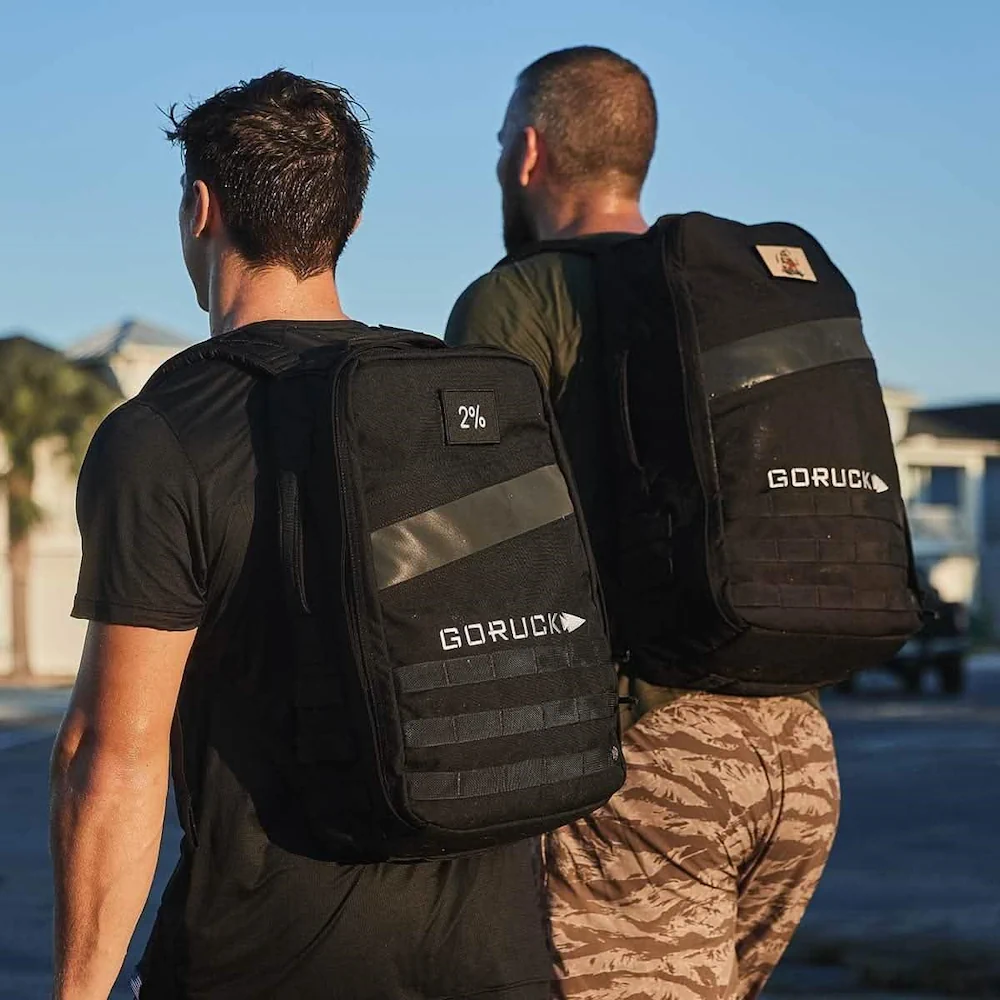
The “4.0” Glow-Up: What Changed, and Why It’s a Big Deal
The Rucker didn’t become popular by accident. Rucking is simple—walk with weight—but the wrong bag makes it miserable fast. Straps dig in. Plates sag low. Zippers die. Hot spots show up on the back panel. The Rucker 4.0 exists because GORUCK kept running into the same real training problem: people drop their rucks on concrete with a heavy plate inside, and zippers become the weak link.
So what did 4.0 actually do? It made the failure points less likely. GORUCK talks directly about removing interior zippers that get crushed over time and swapping to hook-and-loop style closures with oversized pull tabs. In plain terms, that’s a “fewer things to break” design choice. It’s not flashy. It’s smart.
Another standout update is the padding and protection around the plate area. Version 4.0 is described as adding more top padding on the interior ruck plate pocket for movements where the bag slides forward—think bear crawls and burpees. That’s a niche detail, but it’s the kind of niche detail that tells you the bag was built by people who actually train with it.
Then there’s the part most buyers feel immediately: carry comfort under real load. The Rucker 4.0 uses 1000D CORDURA for the primary material, plus a 210D high-tenacity CORDURA on the back panel and the underside of the shoulder straps. That mix aims for toughness where the bag gets scraped, and a less abrasive surface where your body takes the friction.
It also keeps the “open flat” build that makes packing simple and training access fast. Add in the multiple handles (more on that in a second), and it becomes obvious why people call it a “gym on your back.” Even mainstream reviewers tend to frame it that way—because compared to stuffing a weight plate into a random backpack, it’s a completely different experience.
Bottom line: “4.0” isn’t marketing glitter. It’s a practical redesign built around the exact ways rucks get abused.
Bestsellers That Actually Earn the Hype (Yes, Rucker 4.0 Leads This List)
This section leans hard into the 4.0 world for a reason: it’s where GORUCK looks the most “itself.” Still, a good roundup should show the full menu.
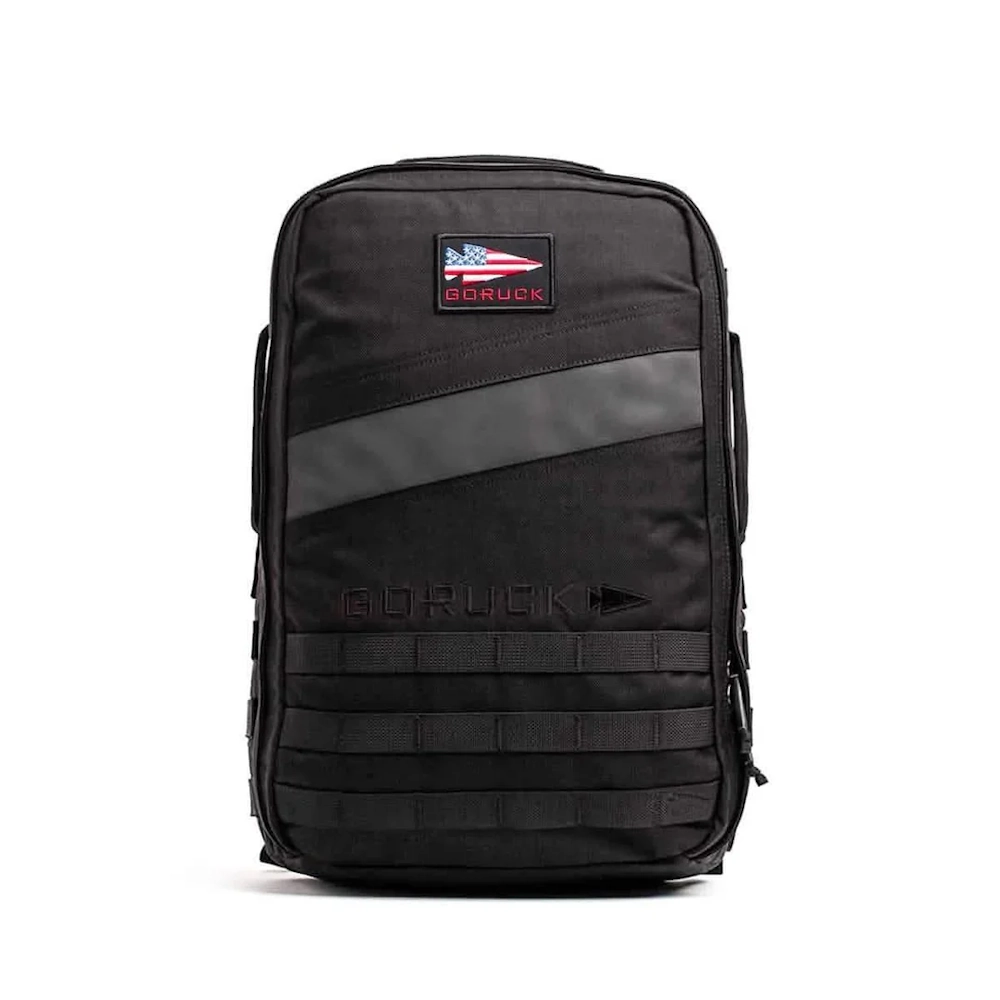
The Rucker 4.0 is plate-compatible, opens flat, and is built with training details everywhere—like bottom drain grommets, high water resistance, interior Velcro mesh pockets, external MOLLE, and a front patch panel.
Sizing also changes function, not just capacity. The 15L includes a small padded hip belt and has one “standard” plate pocket. The 20L and 25L add more handles (top, bottom, and both sides) and include two interior plate pockets—one standard and one long—so weight can stay high and stable.
The plate compatibility chart is the most telling detail: 20L/25L can handle multiple plate sizes including long plates, and GORUCK even notes the bag can hold up to 75 lbs of weight depending on configuration.
For anyone training outdoors, doing ruck PT circuits, or just wanting a bag that won’t complain under heavy carry, this is the core pick.
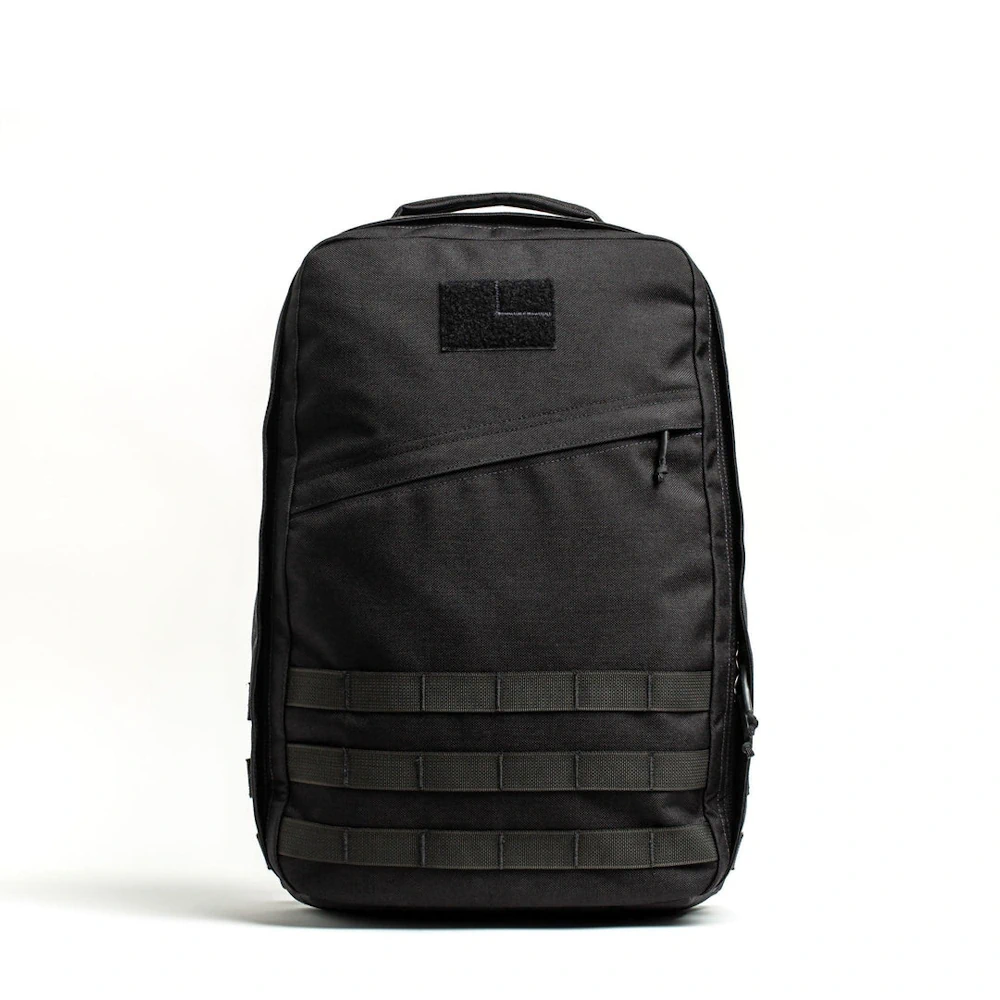
GR1 is the “daily driver” ruck that still carries GORUCK DNA—opens flat, tough materials, and a simple layout that doesn’t feel fussy. It also offers different back panel options (including smoother 210D) so it can fit office-to-travel life without shredding shirts.
It’s not as training-specialized as the Rucker 4.0, but it’s the one that fits commuting, travel, and work gear better.
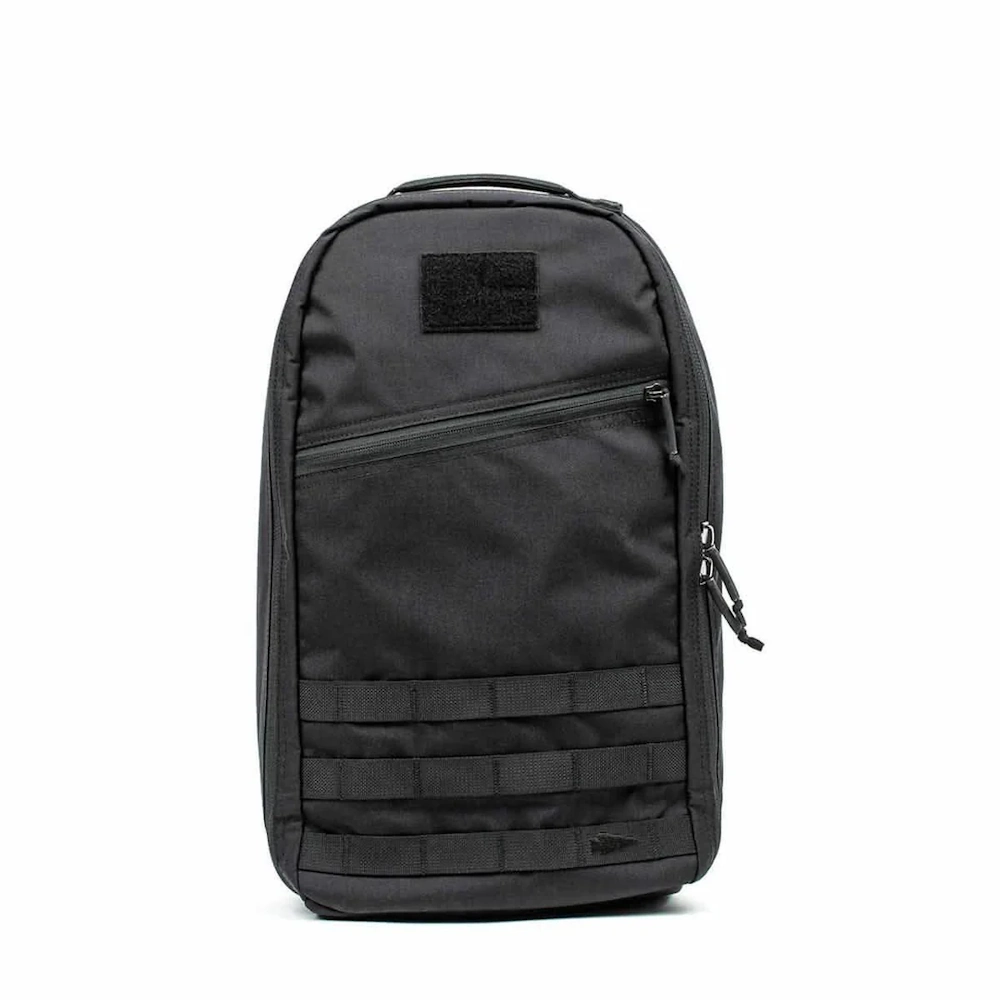
The Bullet 15L is positioned as the streamlined option: highly packable, minimal, and comfortable against skin thanks to 210D CORDURA on the back panel and under the shoulder straps. GORUCK even calls out that if the goal is “all the weight,” the Rucker is the better fit—while the Bullet wins for light carry.
This is the grab-and-go choice for quick errands, light travel days, and daily basics.
Quick takeaway
If training is the priority, the Rucker 4.0 is the purchase that explains the brand. The GR1 and Bullet make sense after that, once the “GORUCK style of build” clicks.
Materials, Comfort, and the Stuff You Notice After Week Two
A lot of bags feel great on day one. The real question is how they feel after the honeymoon. With GORUCK—especially the Rucker 4.0—the long-term experience is shaped by three things: fabric, back panel feel, and load placement.
Start with fabric. The Rucker 4.0 lists 1000D CORDURA as the primary material, which is basically the “bring it on” choice for abrasion resistance. It’s the reason these bags look almost the same after months of rough handling. Then there’s the comfort side: a 210D high-tenacity CORDURA on the back panel and under the strap underside. That matters if training includes tank tops, short sleeves, or just lots of sweat. Less abrasion is a big win.
Now the carry. The Rucker 4.0 is built around the idea that weight should sit high and secure. GORUCK specifically calls out the elevated plate pocket design as a preferred method, and it details how different sizes hold different plates (standard and long). That “high and tight” setup is what makes rucking feel like a workout, not a punishment. A low-slung plate turns the walk into a weird back-and-shoulder fight.
The other thing people don’t expect until they try it: handles change everything. The 20L and 25L versions come with four padded handles (top, bottom, and both sides). That turns the bag into training equipment. It’s easier to move it between exercises, carry it like a suitcase, lift it overhead, or use it in workouts that aren’t strictly “walking.”
Finally, the 4.0 design changes aim at durability under dumb moments. The brand’s own “Developing Rucker 4.0” section talks about people slamming the bag on concrete with a plate inside, and why zippers don’t love that life. Switching interior closures to hook-and-loop is a “protect the bag from reality” move.
So the week-two verdict looks like this: the Rucker 4.0 feels engineered. Not styled. Not trend-chasing. Engineered.
Pros and Cons
Pros
The Rucker 4.0 design focuses on fewer failure points, strong materials, and practical closures. This is the opposite of “nice until it gets used.”
Elevated plate pockets, size-specific pocket layouts, and a clear compatibility chart make loading weight less guessy. That’s a big deal for beginners.
The extra handles on 20L/25L aren’t decoration. They turn the ruck into a training tool.
SCARS is positioned as lifetime coverage for gear and apparel, including repairs for normal wear and tear, with repair/replace decisions handled by GORUCK. This lowers the risk of buying once and sticking with it.
Cons
Plates, hip belts (for 20L/25L), and extras can push the total higher than expected. Even positive mainstream reviews note the cost can climb when accessories get added.
1000D CORDURA is durable, but it can feel stiff and aggressive compared to softer travel bags. The 210D contact areas help, yet the vibe remains rugged.
If the goal is ultralight hiking, there are better fits. The Rucker 4.0 is made for load and durability first.
Choosing the Right Rucker 4.0 Setup (So Money Doesn’t Get Wasted)
If the Rucker 4.0 is the move, choosing the right size is where the smart buying happens. The three sizes aren’t just “small, medium, large.” They behave differently.
15L: The compact trainer
The 15L includes a small padded hip belt and has one interior “standard” plate pocket. That makes it great for shorter rucks, smaller frames, or anyone who wants the least bulky profile. It also has fewer handles than the bigger sizes (two padded handles: top and bottom).
20L: The sweet spot for most people
The 20L size is often described as the balanced option, because it keeps the ruck manageable while adding the bigger feature set: four handles and two plate pockets (standard + long). It’s also got the “classic ruck” proportions and enough depth for a jacket, water, and training extras.
25L: The longer-session, bigger-body pick
The 25L brings more space and slightly longer straps, which can feel better for larger frames or longer outings. Functionally, it shares the same “two plate pocket” setup as the 20L.
Plates and carry strategy
GORUCK lays out a compatibility chart showing which pockets fit which plates, including long plates as “best fit” in the long pocket for 20L/25L. The goal is simple: keep weight high, keep it stable, and avoid sag. That’s what makes rucking feel controlled.
Saving money without playing coupon-code roulette
The most reliable discount path is the Earned Service Discount using GovX ID: GORUCK states 15% off full-priced gear and 25% off events (US groups). Beyond that, the clean approach is to watch official sales/closeouts and retailer promos. For example, major retailers have featured real discounts on the Rucker 4.0 during big sale windows.
That combo beats hunting random promo codes that may not work.
Final Verdict: Who GORUCK Is Perfect For (And Who Should Skip It)
GORUCK makes the most sense for people who want gear that doesn’t need to be babied. The Rucker 4.0, in particular, feels like a “buy it and stop thinking about it” piece. It’s designed around training reality—weight plates, concrete, sweat, repetition—not just looking rugged on a product page. The elevated plate pockets, the handle setup on 20L/25L, the open-flat design, and the fabric choices all point in the same direction.
The value story also depends on mindset. If the goal is the cheapest way to carry weight, a basic backpack and a wrapped dumbbell plate can technically work. But it usually feels bad. Straps slip. The load sags. The bag breaks down. The Rucker 4.0 exists to remove those problems, and it’s why reviewers who actually test it tend to talk about comfort and stability as the difference-maker.
For everyday carry, the brand’s GR1 still has a strong argument if a laptop compartment and travel-friendly organization are the priority. Meanwhile, the Bullet Ruck 15L is the practical mini option when the goal is simple and compact. Still, the “why GORUCK” answer stays tied to rucking and training. That’s the identity.
Who should skip it? Anyone who wants ultralight backpacking features, or anyone who prefers soft, squishy comfort over structured toughness. Also, anyone who hates paying upfront for durability should probably choose a cheaper bag and accept replacing it sooner.
But for the right buyer—someone who trains, travels, or just carries heavy stuff often—GORUCK’s approach is refreshingly direct. And if discounts matter, the most legit strategy is stacking the verified earned-service route (when eligible) with seasonal sales windows, instead of gambling on sketchy codes.