
Mito Red Light Review: Are Its At-Home Light Therapy Devices Worth Considering?

Red light therapy has made its way from professional treatment rooms into bedrooms, bathrooms, and home gyms. Mito Red Light gives shoppers plenty of ways to bring it home, from compact panels and wearable devices to a face mask that looks ready for a futuristic spa day.
The appeal is easy to understand. A device that fits into a skincare or wellness routine sounds more convenient than booking regular appointments. But a quick look at the product pages also brings up bigger questions: How much should someone spend? Is a mask better than a panel? And what can red light realistically do?
This Mito Red Light review looks at the product range, two notable devices, and the details shoppers should consider before investing.
What Mito Red Light Offers
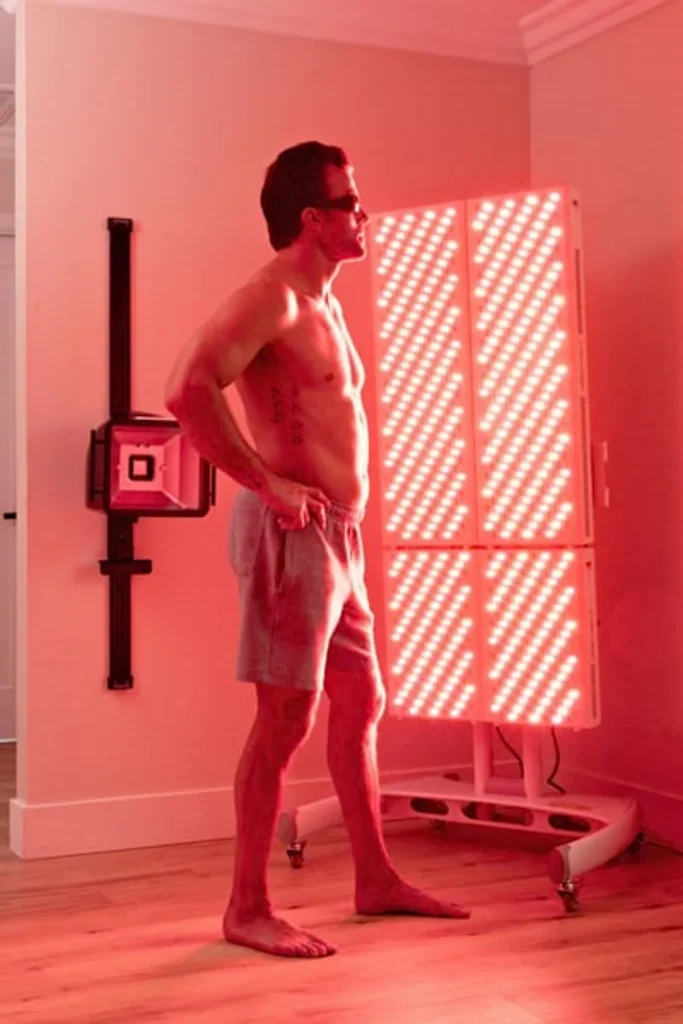
Mito Red Light specializes in devices that use red and near-infrared light, with some products also offering other wavelengths. Its range includes standalone panels in several sizes, flexible wearables, face masks, mats, and larger systems designed to cover more of the body.
The range gives shoppers a choice about how they want to use the light. Someone interested primarily in facial skincare might prefer a mask, while a person who wants to target several areas may find a panel more versatile. Larger panels and multi-panel setups take up more space and cost substantially more, but they can cover a broader area during a session.
The company also sells devices intended for professional settings, so its catalog extends beyond the casual bathroom-counter purchase. That said, professional-looking equipment doesn’t automatically deliver professional treatment results. The device, treatment schedule, and concern being addressed all affect what someone can reasonably expect.
For shoppers comparing options, the most helpful starting point is deciding where and how often they expect to use a device. A long list of specifications is much easier to interpret once the intended routine is clear.
Understanding Red and Near-Infrared Light
Red light therapy is a form of photobiomodulation, a term used for exposing tissue to specific wavelengths of light to produce biological effects. Red light is visible, while near-infrared light isn’t visible to the human eye. They penetrate tissue differently, which is one reason devices often include both.
Research supports some uses of light therapy, but the evidence varies by condition and device. For example, a systematic review of at-home or portable red and blue LED devices found evidence supporting their use for acne. That doesn’t mean every device will produce the same result, or that evidence for acne automatically extends to every wellness claim.
The American Academy of Dermatology notes that some people see improvements in signs of skin aging, although results can be subtle and consistent use may be needed. It also cautions that the long-term effects of at-home red light devices aren’t fully known. Shoppers with darker skin tones should speak with a dermatologist before using one because visible light can contribute to hyperpigmentation in some people.
The practical takeaway: Treat the device as a potential addition to a routine, not a guaranteed fix for every concern on the product page.
MitoPRO X: A Panel for Flexible Routines
The MitoPRO X series is a useful place to start for shoppers who want a panel that can be positioned for different areas. The series includes multiple sizes, from the smaller 300X, intended for targeted areas such as the face and neck, to larger panels and combined setups.
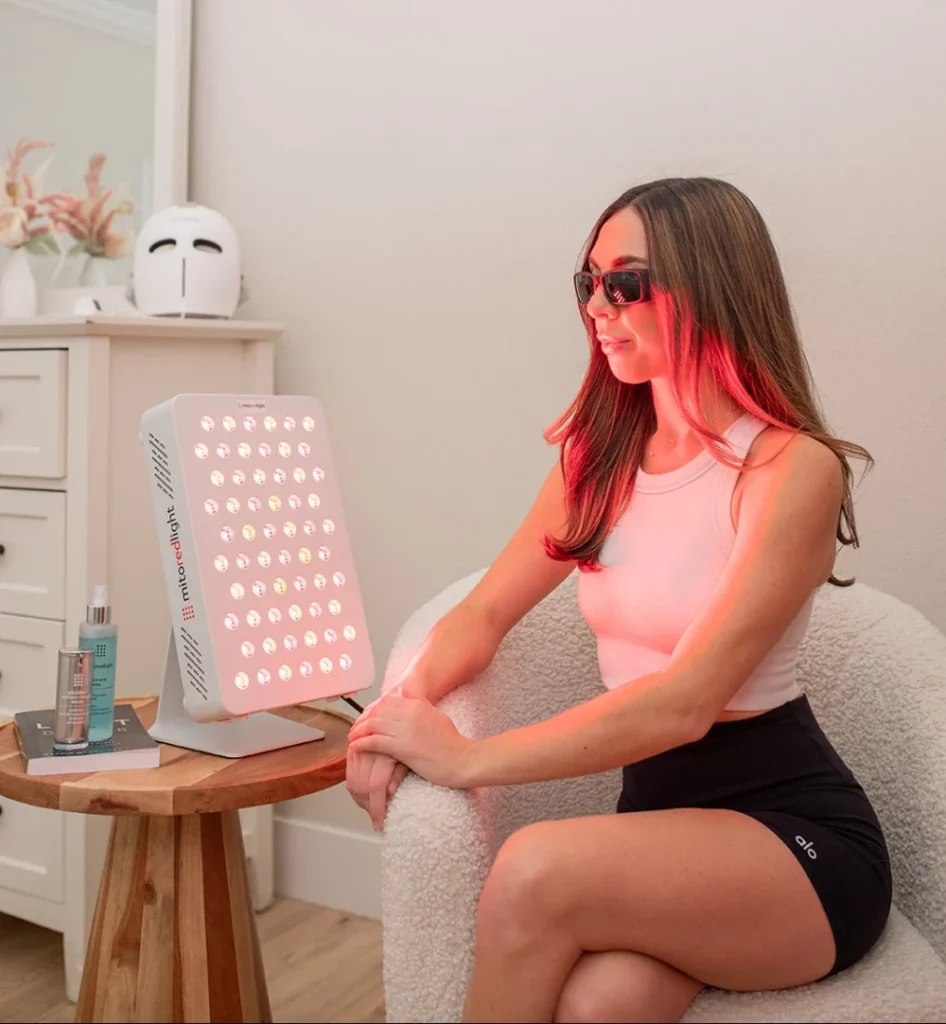
The listed prices start at $449 for the 300X, with the 750X at $749 and the 1500X at $1,299. Prices and promotions can change, so it’s worth checking the current listing before choosing a size.
Each panel in the series uses six listed peak wavelengths: 590, 630, 660, 810, 830, and 850 nanometers. The selection includes amber, red, and near-infrared light, and the series also offers controls and app integration. Those features give users options, although a higher wavelength count alone shouldn’t be treated as proof of better results.
The smaller panel makes sense for someone with limited space or a specific target area. A larger model may be more convenient for broader coverage, but it also demands a bigger budget and a more permanent place in the room. Before ordering, check the dimensions and any mounting or stand requirements. A panel is only convenient if there’s somewhere practical to put it.
MitoGLOW: A Face Mask With a Skincare Focus
The MitoGLOW LED face mask takes a more targeted approach. Rather than positioning a panel in front of the face, users wear the device, making it an appealing option for people who want light therapy to fit into a dedicated skincare routine.
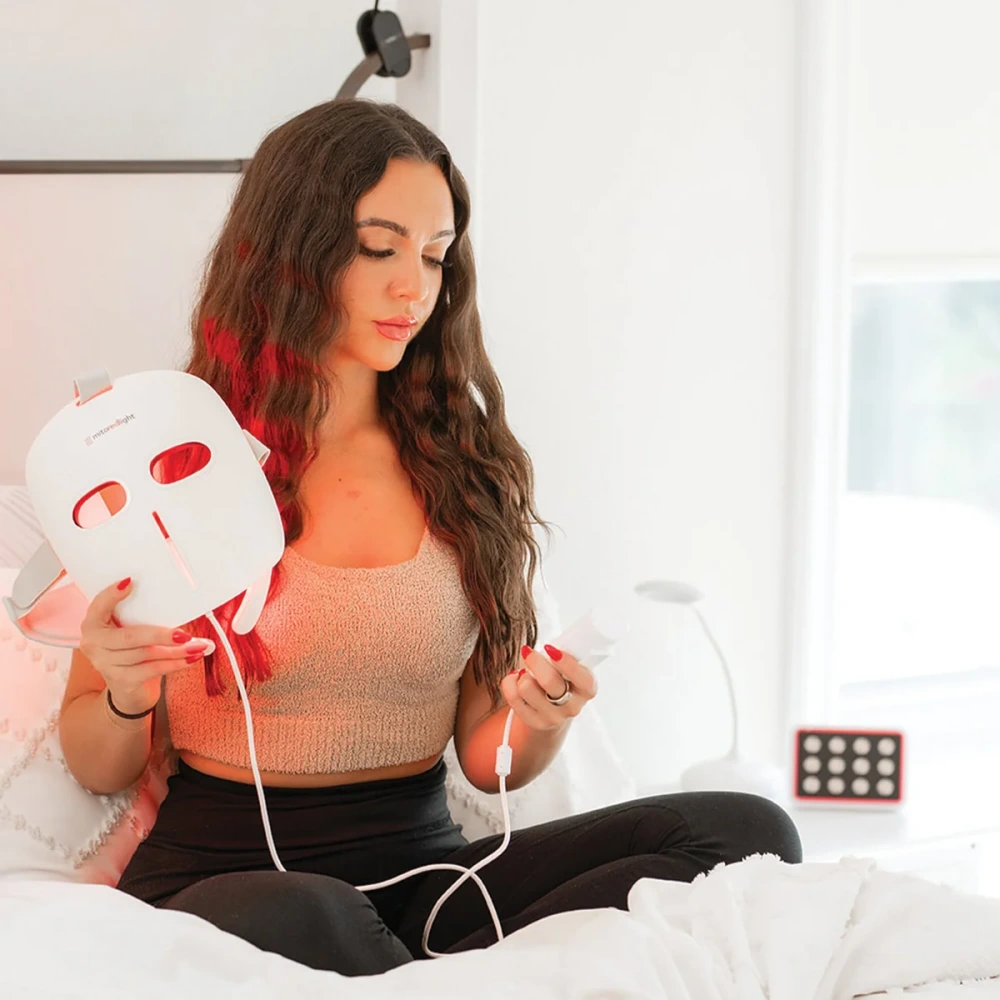
Mito lists the mask at $499, with 1,064 LEDs, four wavelengths, and five modes. Alongside red and near-infrared light, it includes amber and blue light. Its face-focused design gives it a different purpose from a panel that can be repositioned for the neck, shoulders, or other areas.
The mask is listed as FDA-cleared. That’s useful information, but clearance shouldn’t be confused with a guarantee that a product will deliver dramatic results for every user. The American Academy of Dermatology advises shoppers that FDA clearance doesn’t tell them how effective a device will be. aad.org
For someone interested mainly in facial skincare, the wearable format may be easier to incorporate into a regular routine than setting up a panel. The tradeoff is flexibility: a face mask is a substantial purchase for a device designed around one area. Buyers who also want to use light on other parts of the body may prefer a panel or a separate wearable.
Choosing a Device That Fits the Routine
A red light device can look appealing on a product page and still end up gathering dust if the routine feels awkward. Consider the space, positioning, and time involved before focusing on extra settings.
A panel offers flexibility because the user can move or position the body in front of it, but that may mean standing or sitting in one spot. Wearable devices are designed around particular areas, which can make positioning simpler while limiting where they can be used. A larger panel offers broader coverage, though it isn’t necessarily the best purchase for someone who only wants a facial skincare device.
It also helps to read the instructions for the specific model. Session length, distance, and recommended use can differ between products. More time or closer positioning shouldn’t automatically be assumed to produce better results.
Anyone with a light-sensitive condition, who takes medication that increases light sensitivity, or who has questions about a particular skin concern should consult a healthcare professional before starting. The American Academy of Dermatology also recommends following device instructions and protecting the eyes when directed. A little planning makes a much better starting point than treating the brightest setting as a shortcut.
Price, Returns, and Long-Term Value
Mito Red Light’s devices are an investment, particularly once shoppers move beyond compact panels. The MitoPRO X range begins at $449, while its larger configurations can cost considerably more. The MitoGLOW mask is listed at $499. Those prices make it sensible to compare the intended coverage and features before deciding that a larger or more specialized model is worth the extra expense.
The company offers a 60-day trial period beginning when the customer receives the product. Device returns must be postmarked within that window and sent back in the original packaging. The policy says there are no restocking fees, though shipping and optional protection charges aren’t refundable, and return shipping may be the customer’s responsibility.
Warranty coverage varies by product. Mito lists a three-year manufacturer warranty for its panels, while its policy lists a one-year warranty for the MitoGLOW mask and several wearable devices. Read the current terms for the specific item before buying, and keep the packaging during the trial period.
Pros and Cons
Pros
Cons
Final Thoughts
Mito Red Light is worth considering for shoppers who have a clear reason to add light therapy to their routine and are comfortable with the upfront cost. The MitoPRO X offers flexibility across different areas, while the MitoGLOW mask is a more focused choice for facial skincare.
The strongest purchase is likely the one that fits both the intended use and the space available at home. Check the instructions, return terms, and warranty for the exact model, and keep expectations grounded: light therapy may offer benefits for some concerns, but it isn’t a universal shortcut to better health or skin.