
Moody Lenses Review: Trend-Forward Colored Contacts Built for Everyday Wear

Moody is an eye-wear brand focused on colored contact lenses, with an emphasis on natural-looking enhancement as well as more expressive, style-driven effects. Despite occasional confusion online, the core catalog is not health or nutrition supplements. The storefront centers on colored contacts, clear contacts, trials, accessories, and select eyewear options such as optical frames and sunglasses. The brand positioning leans into the idea that colored lenses are not only for vision correction, but also for aesthetic self-expression, with collections organized by vibe, pattern style, and color family.
A key part of the Moody appeal is how it curates lens styles into named series and collections that feel fashion-led rather than clinical. Shoppers can browse by replacement cycle, including daily disposables and longer-wear options, then narrow further by graphic diameter, limbic ring presence, or overall “bold vs neutral” look. That organization matters because colored lenses can be intimidating to shop for. Moody’s approach makes the decision feel closer to choosing makeup or hair color, while still presenting the technical elements that actually determine comfort and realism.

Product Line Breakdown: Daily, Monthly, Clear, and Trials
Moody’s assortment typically covers multiple wear schedules, most notably daily disposable colored contacts and longer replacement cycles such as monthly lenses. Daily disposables are often the easiest entry point for new lens wearers because the routine is simple. A fresh pair each day reduces maintenance steps and can feel more hygienic for occasional wear, travel, or events. Monthly lenses can make sense for regular wearers who want cost efficiency, but they require consistent cleaning, storage, and careful handling.
The catalog also includes clear lenses, which are relevant for people who want Moody’s materials or brand ecosystem without a color shift. Trials and sample-style options are another notable part of the lineup. Trial packs lower the risk of choosing the wrong shade or pattern, especially for first-time colored lens shoppers who are unsure about opacity, enlargement effect, or how a tone will blend with their natural iris.
Accessories round out the system. Items like cases, applicators, and lens care basics support the practical side of lens wear. Overall, the product mix is built around letting shoppers start small, test a look, then scale into a routine if the fit and comfort work out.
Style Philosophy: Natural Highlights vs Statement Eyes
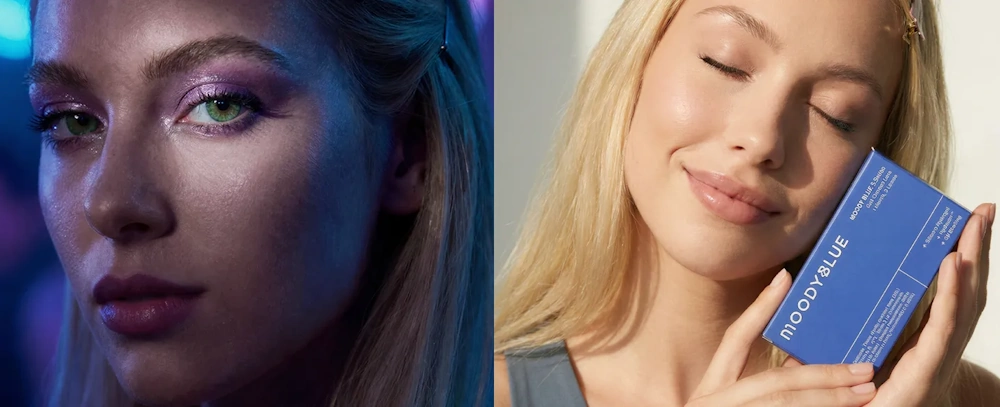
Moody’s design language sits in the space between “believable enhancement” and “editorial effect.” Many colored contact brands either go too subtle to notice, or too dramatic to wear outside of photos. Moody tries to offer both, with clear categories that guide expectations. Natural highlight styles typically aim to brighten or add dimension rather than replace the entire eye color. These often use fine dot patterns, soft gradients, and balanced ring designs that create a lifted look without a harsh outline.
For shoppers who want a more noticeable transformation, bolder options lean into stronger limbal rings, higher opacity, and more stylized iris patterning. The ability to filter by traits like limbal ring or iris pattern helps align a shopper’s taste with a lens that will actually look intentional on the eye. That is important because the most common colored lens disappointment is mismatch: a lens that looks perfect in photos but reads flat, pixelated, or overly artificial in real lighting.
Moody’s collection naming and visual merchandising also encourage “mood-based” shopping, which fits the brand identity. It frames the product as a beauty choice, not just a medical device, while still requiring shoppers to take sizing, wear time, and hygiene seriously.
Materials and Comfort: Hydrogel vs Silicone Hydrogel
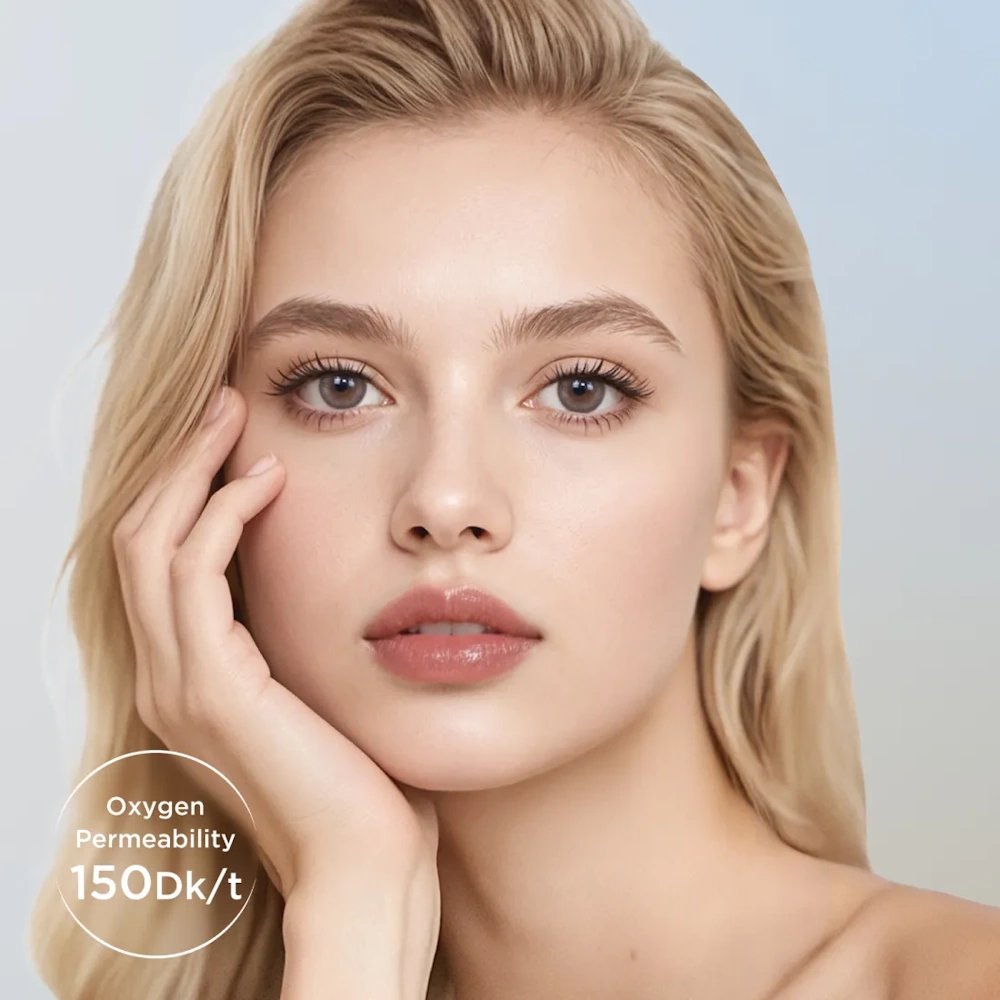
Comfort is where a colored lens brand either earns repeat purchases or becomes a one-time experiment. Moody highlights breathable materials and positions comfort as a priority, commonly referencing hydrogel and silicone hydrogel options across different products. In general lens terms, hydrogel lenses are widely used and can feel soft and easy for many wearers. Silicone hydrogel tends to be associated with higher oxygen permeability, which can be beneficial for some people, especially for longer wear days. That said, comfort is personal. Dry eye tendencies, screen-heavy routines, climate, and wear habits all change how a lens feels after several hours.
Colored lenses add another complexity: printed pigment layers. A well-designed colored lens should maintain a smooth surface and stable vision, even with cosmetic patterning. Moody’s range suggests the brand is trying to serve both sensitive-eye shoppers and style-driven buyers, but realistic expectations still matter. Even premium colored lenses can feel drier than clear lenses for some wearers, particularly late in the day.
For best results, shoppers should treat material choice as a key decision factor, not an afterthought. Pairing the right material with the right replacement cycle and proper hydration habits can make the difference between “comfortable all day” and “needs drops after a few hours.”
Fit, Parameters, and Choosing the Right Look
Buying colored contacts is not like buying a lipstick shade. Fit and optical parameters are non-negotiable. Moody’s listings typically include choices such as diopter (prescription power) and lens dimensions, along with descriptors like enlarging effect and opacity. Those details influence both appearance and performance. A larger graphic diameter can create a “bigger eye” effect, but it can also look more stylized, especially in bright lighting. A smaller diameter often reads more realistic, blending into the natural iris.
Opacity determines how much the lens color overrides the natural eye tone. People with darker irises often need higher opacity to see a visible change, while lighter eyes can look dramatically different even with a subtle tint. Limbal rings also matter. A defined ring can add contrast and sharpness, while ringless styles feel softer and more organic.
Prescription shoppers should match diopter accurately and avoid guessing. Cosmetic lenses are still contact lenses, meaning incorrect parameters can affect vision and comfort. The most successful choices usually come from aligning three things: desired aesthetic, natural iris color, and daily routine. When those fit together, the lens looks intentional and feels wearable.
Safety, Compliance, and Responsible Wear
Colored contacts sit at the intersection of beauty and eye health, and they should be treated like medical devices even when the goal is purely cosmetic. Moody emphasizes approvals and quality positioning, which is a positive signal, but safety also depends on the wearer’s behavior. Good habits are not optional. Hands should be washed and fully dried before handling lenses. Lenses should never be rinsed with tap water. Daily disposables should be discarded after a single use, even if they “still feel fine.” For non-daily lenses, proper soaking and cleaning routines are essential, including adequate time in solution before first wear.
Wear time limits matter. Overwearing contacts can increase dryness and irritation and may raise the risk of eye complications. People with known sensitivities, frequent redness, or chronic dryness should consult an eye care professional before regular colored lens use. Any pain, sudden redness, blurry vision, or light sensitivity should be treated as a stop signal, not something to push through.
A brand can design a well-made lens, but the best lens still fails if worn irresponsibly. Moody’s catalog and instructions align with the idea that lens wear should be both stylish and disciplined, and that mindset is the right baseline for any colored contact purchase.
Ordering Experience: Browsing, Bundles, and Policies
Moody’s shopping experience is built for browsing. Categories like best sellers, new arrivals, replacement cycles, and “shop by color” make it easier to narrow choices without needing to understand every technical term upfront. That structure is helpful for first-timers. Product pages typically highlight the look concept, then provide the sizing and prescription inputs needed to order correctly. Trials and sets also support a lower-risk buying flow, letting shoppers test before committing to a full rotation.
Policies such as returns and cancellations are especially important for contact lenses because many orders become final once customized by prescription selection. A common pattern in the contact lens industry is limited returns on opened or custom lens orders, while non-custom items like frames may have more flexible return windows. Shoppers should read policy details carefully before checkout, especially if ordering multiple powers or experimenting with different styles.
Shipping timelines and tracking updates are also part of the lens-buying reality, particularly for brands that ship internationally or process orders in stages. A good experience is usually defined by clear communication: order confirmation, tracking availability, and responsive customer support if something arrives wrong or damaged. For a product as personal as contact lenses, service quality matters almost as much as the lens design.
Pricing and Value: What the Brand Is Really Charging For
Moody sits in a market where pricing can swing widely, from ultra-cheap costume lenses to premium daily disposables. Value in colored contacts is not only about cost per pair. It is about comfort, consistency, realism, and the reliability of the product experience. Daily disposables often cost more upfront, but they bundle convenience and hygiene into the price. Monthly lenses can lower cost per wear, but they add the ongoing expense of solutions and the responsibility of strict cleaning.
Moody’s value proposition is largely aesthetic plus structure: curated collections, style filters, and a fashion-forward product lineup. For shoppers who care about realistic color blending and modern patterns, that can justify a higher price than generic options. The brand also appeals to buyers who want variety. Having multiple series encourages building a “lens wardrobe,” which can be fun, but can also get expensive quickly if not planned.
A sensible approach is to start with one or two styles that match everyday wear goals, then expand only if comfort and quality meet expectations. For many shoppers, the best value is the lens that can be worn confidently for hours, looks good in real lighting, and does not require constant fussing.
Who Moody Is Best For and When to Consider Alternatives
Moody is best suited for shoppers who want colored contacts that feel current and intentionally designed, with options ranging from subtle enhancement to bold style. It is also a strong match for people who like to experiment but want guardrails, such as trials, clear categories, and multiple replacement cycles. Those features can reduce the chance of ordering a lens that looks nothing like expected.
That said, colored contacts are not one-size-fits-all. People with significant dry eye issues may need to prioritize silicone hydrogel options, shorter wear times, or even limit colored lens use to special occasions. Others may prefer to buy through an eye care provider for maximum guidance, especially if prescriptions are complex or if there is a history of irritation.
Alternatives may be worth considering for shoppers who want ultra-subtle “no one can tell” enhancement only, or for those who need a very specific medical lens requirement that a fashion-first brand might not prioritize. The strongest strategy is to treat Moody as part of a broader lens plan: use it for aesthetic variety, while keeping eye health and comfort as the deciding factors. When style and wearability align, Moody can be a compelling option in a crowded category.
Pros and Cons of Moody Lenses
Pros
Collections and filters help shoppers choose between natural and bold looks without guessing.
Daily and longer-wear options allow different budgets and routines, from occasional use to regular rotation.
Trials are useful for testing color, comfort, and realism before committing to a full set.
Hydrogel and silicone hydrogel options provide paths for different comfort preferences and wear patterns.
Browsing by color, diameter, and style makes selection less overwhelming for new buyers
Cons
Some users may experience dryness over long wear, especially with colored patterns and screen-heavy days.
Prescription-based selections often reduce cancellation and return options.
Without careful selection, a lens may look too subtle or too dramatic in real life.
The beauty framing can tempt casual use, but safety requires consistent hygiene and wear-time limits.
Final Verdict: A Strong Aesthetic Lens Brand That Rewards Smart Buying
Moody’s core strength is clarity of aesthetic intent. The brand treats colored contacts like an accessory category with real design direction, not just a set of generic shades. That matters because the colored lens market is crowded with options that look similar on a product grid but perform very differently on the eye. Moody’s structure, including style filters, replacement-cycle choices, and trial offerings, supports smarter selection and reduces common first-time mistakes.
The brand is most likely to satisfy shoppers who approach colored contacts with the same care they would give skincare or prescription eyewear: attention to fit, material choice, and realistic wear habits. Comfort and performance will always depend on the individual, but Moody’s range makes it easier to find a lane that matches both style goals and routine demands.
The best way to get results from Moody is to start with a style aligned to natural features, choose the correct optical parameters, and follow strict lens hygiene. When those pieces are in place, Moody can deliver what many shoppers want: an eye look that reads modern, intentional, and wearable beyond the selfie.