

Free National Shipping On Orders $149+
×A $115 panettone deserves a closer look before it earns a place on the holiday table. At that price, shoppers are buying a centerpiece dessert, a substantial food gift, or an introduction to a particular style of Italian baking. Olivieri 1882 approaches that purchase with a family bakery history and a collection built around naturally leavened dough.
The appeal is easy to understand: traditional fruit-filled panettone sits alongside chocolate and caramel variations, giving shoppers room to follow tradition or wander a little. This Olivieri 1882 review examines the bakery’s background, two especially useful starting points, and the practical details that help determine whether its cakes fit the occasion.
A Family Bakery With a Contemporary Outlook
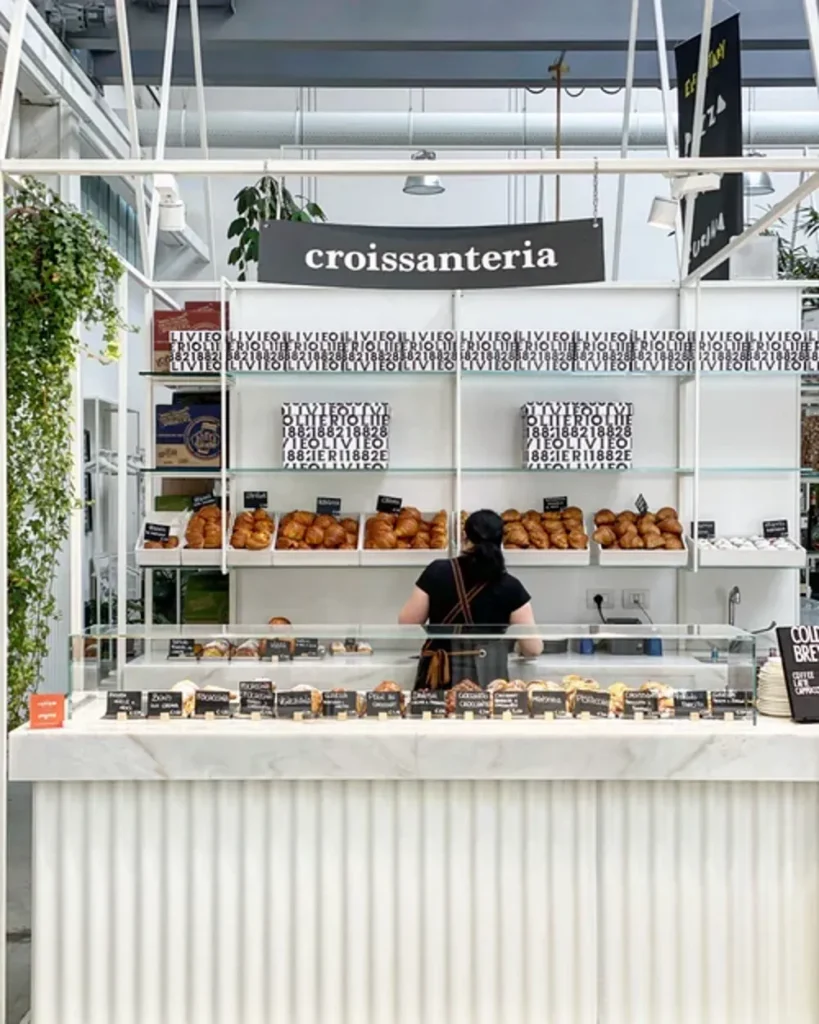
The business traces its beginnings to 1882, when Luigi Olivieri opened an oven in Arzignano, in Italy’s Veneto region. Later generations expanded the family’s work, with Miranda introducing baked sweets in the 1970s and Oliviero and his wife, Patrizia, subsequently taking over the bakery. A café followed in 2000.
That progression gives the brand more substance than a heritage date printed on a box. Its story includes everyday bread, family recipes, coffee, and the gradual development of a larger pastry business. The current Arzignano location opened in 2015, combining a retail space with a substantial production laboratory.
The baking process supplies the stronger reason to pay attention. Independent coverage in Vogue describes the family’s handmade panettone production as a four-day undertaking involving natural sourdough and slow fermentation.
For shoppers, the useful distinction is the commitment to a demanding baking method. Heritage makes an appealing introduction, but the product still has to justify its place at the table. Here, there’s a specific production approach behind the family narrative.
Classic Panettone: The Best Starting Point for Traditionalists
The Classic Panettone is the clearest introduction to the range. Its recipe includes raisins, candied orange, butter, fresh pasteurized egg yolk, and Bourbon vanilla. The ingredient list specifies 13% raisins and 11% candied orange, so the fruit is a substantial part of the cake’s identity.
That makes it the sensible choice for someone who already enjoys the traditional combination of citrus, dried fruit, and rich dough. Those ingredients suggest a cake suited to coffee, tea, or a relatively simple dessert presentation. There’s little reason to surround it with competing toppings before trying a plain slice.
The 1-kilogram cake was listed at $115 when checked in November 2026. Using the listed 10 to 12 servings, that works out to roughly $9.60 to $11.50 per portion before shipping.
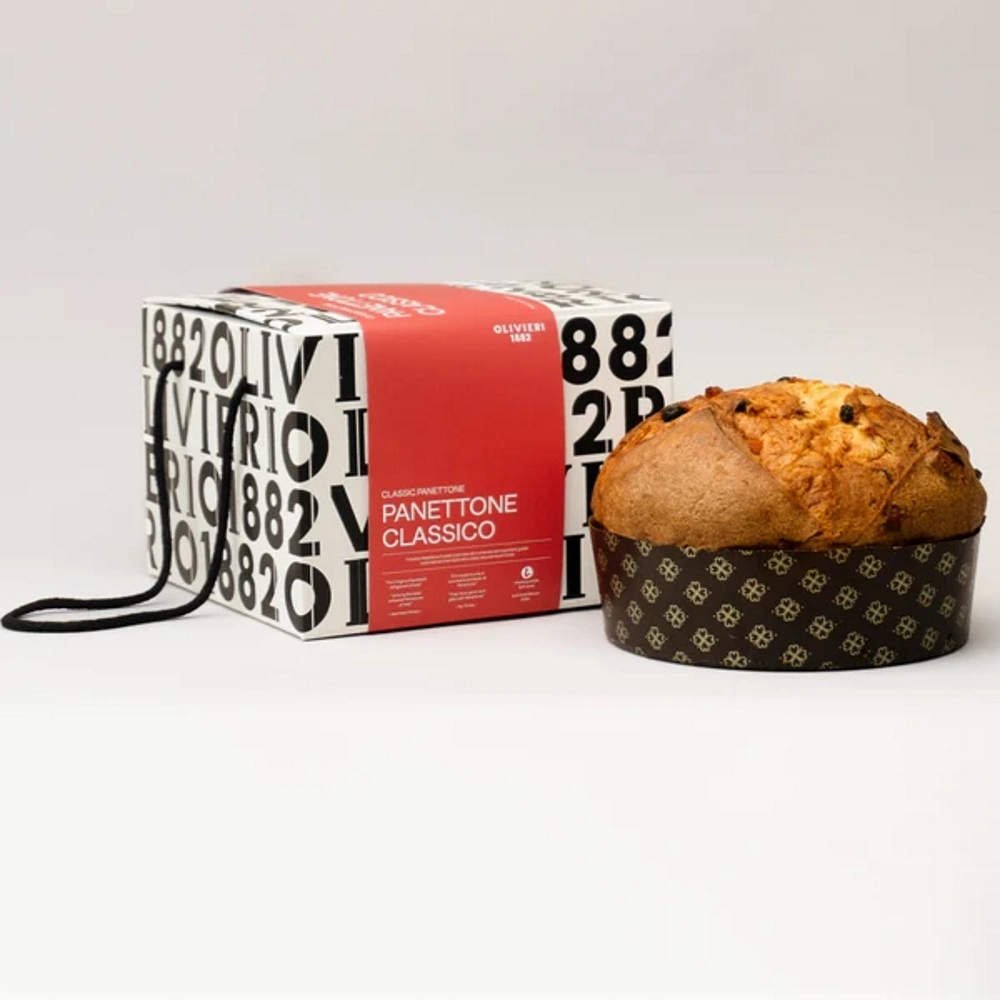
That’s special-occasion territory. Its strongest use case is a shared holiday breakfast, dinner-party contribution, or gift for someone who specifically appreciates traditional panettone. For a recipient who routinely picks raisins out of baked goods, another flavor would be a better bet.
Triple Chocolate: A Clear Alternative for the Fruit-Averse
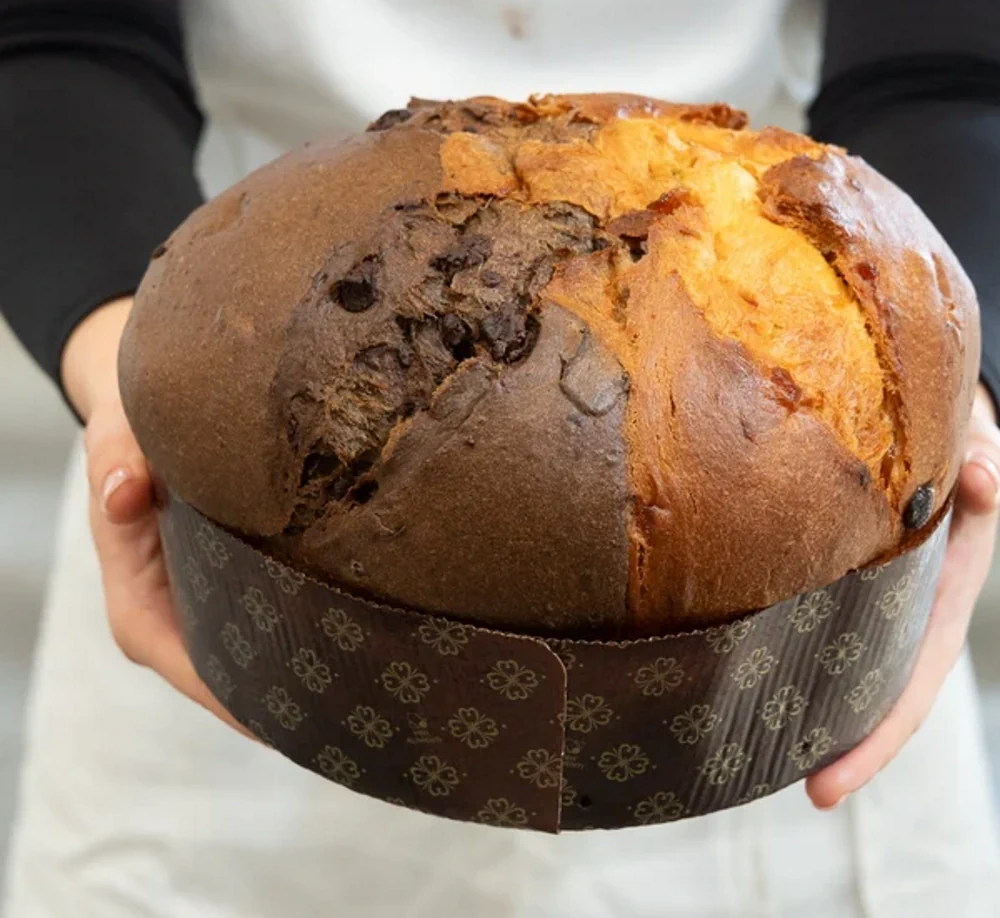
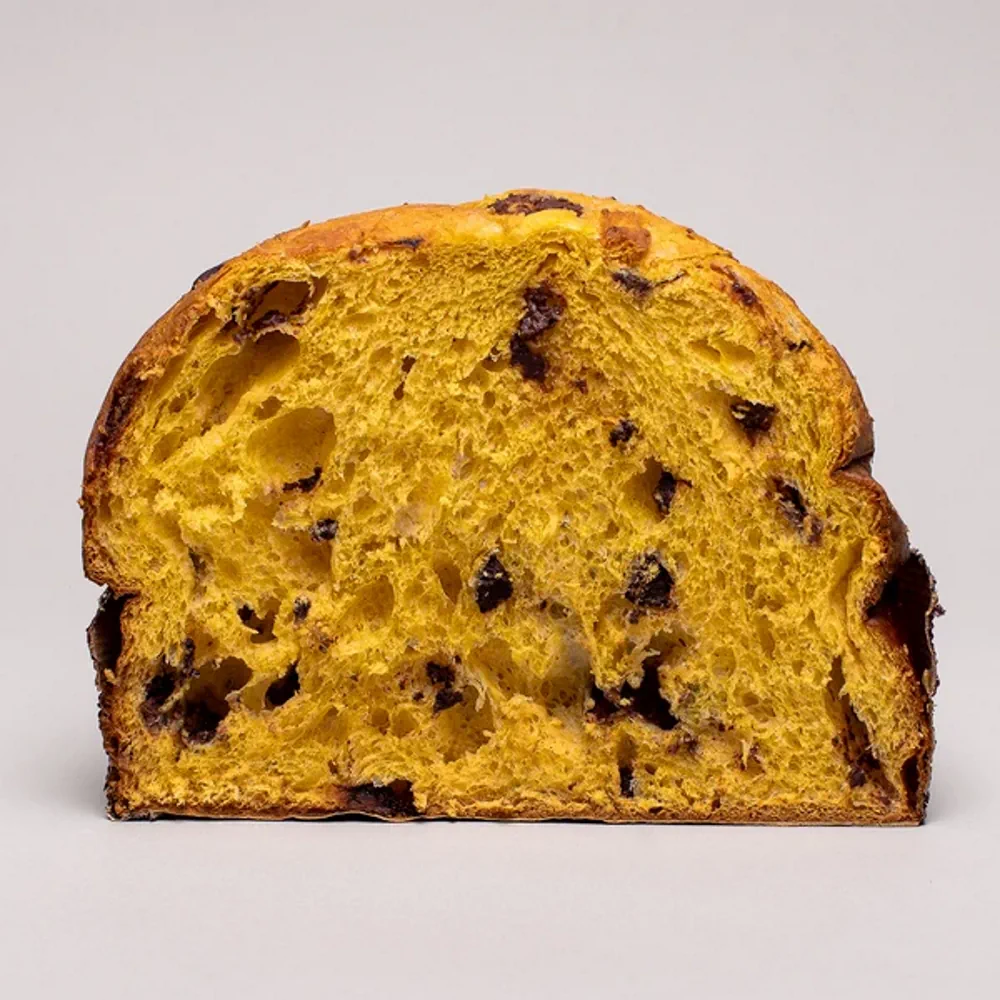
Triple Chocolate Panettone gives chocolate lovers a straightforward route into the collection. It combines dark, milk, and white chocolate, with each listed at 7% of the recipe. Unlike the Classic, this version contains neither raisins nor candied citrus peel. The 1-kilogram cake was listed at $120.
Those details make choosing between the two relatively painless. The Classic centers on fruit and citrus; Triple Chocolate shifts the focus toward cocoa and creamy sweetness. For a mixed household where traditional panettone gets a cautious reception, the chocolate version looks like the more approachable starting point.
The bakery describes the dark chocolate as balancing the sweeter milk and white varieties. That’s the intended flavor profile rather than an independently tested tasting verdict, but it explains the recipe’s direction.
It also deserves a careful ingredient check when buying for someone else. The recipe contains wheat, dairy, eggs, and soy, with additional cross-contact warnings. A chocolate cake may solve a preference problem, but it doesn’t automatically solve a dietary one. Confirming those details is part of choosing a gift that its recipient can actually enjoy.
Other Flavors and the Price of Presentation
Beyond the two obvious starting points, Apricot and Salted Caramel offers a different fruit-based option. Its recipe lists 15% candied apricot and 8% salted caramel, without raisins or candied citrus peel. At $120 for 1 kilogram, it occupied the same price bracket as Triple Chocolate when checked.
That combination should appeal most to shoppers who like fruit in dessert but would rather skip the traditional raisin-and-orange pairing. It’s also a useful middle choice when chocolate feels predictable and the Classic doesn’t match the recipient’s preferences.
The broader collection includes Pear and Chocolate, Dulce de Leche and Dark Chocolate, and seasonal variations. Availability changes, so the current selection is more useful than assuming every flavor will remain on sale year-round.
Packaging creates another decision. The Classic Hatbox was $130 for the same listed 1-kilogram weight, compared with $115 for the standard Classic. The extra $15 makes most sense when presentation is part of the gift. For a cake headed straight to the kitchen counter, the standard option leaves more of the budget focused on dessert.
Shipping, Storage, and Planning the First Slice
Delivery deserves attention, especially around holidays. The U.S. shipping FAQ listed a $10 charge for orders below $149, with free shipping from that threshold. One standard Classic or Triple Chocolate cake therefore falls below the published free-shipping minimum.
Reservations have their own schedule. For the 2026 holiday season, Thanksgiving orders were scheduled to begin shipping November 9, while Christmas reservations were scheduled to begin December 1. The FAQ estimated 8 to 12 business days from shipment for these orders and noted possible seasonal delays. A shipping start date isn’t an arrival date, so buyers should review the selected option carefully at checkout.
Once the cake arrives, the storage instructions are refreshingly specific. The bakery advises keeping it in a cool, dry place around 68–72°F, avoiding refrigeration, and closing its bag tightly after opening. It lists approximately 90 days of shelf life and about one week after opening.
Plan around the date on the actual package. For a smaller household, opening a kilogram cake when guests are visiting is a practical way to enjoy it within that shorter window.
Pros and Cons
Pros
Cons
Final Thoughts
Olivieri 1882 makes the most sense for shoppers who see panettone as an occasion in itself. The family background is engaging, while the production method and detailed recipes give buyers something concrete to assess beyond attractive packaging.
Start with the Classic for someone who enjoys traditional fruit-filled panettone. Choose Triple Chocolate when the recipient’s dessert preferences lean firmly toward cocoa. Either way, the purchase works best when the flavor, delivery schedule, and serving plans are considered together. It’s a substantial splurge, but one with a clear purpose: bringing a particular Italian baking tradition to a table where it will be appreciated.