Owlet Review: The Smart Nursery Sidekick for Flu Season “What Ifs”
Owlet fits into that “in-between” space parents know too well: wanting a little more reassurance at home without turning every night into a medical-style watch. The brand is best known for the Dream Sock, an FDA-cleared smart baby monitor designed to track live pulse rate and oxygen saturation (SpO2), plus sleep trends and wakings in the Owlet Dream App. The goal isn’t to predict illness or replace a pediatrician. It’s simply to add another layer of visibility—especially during the hours when a baby’s breathing, fever, and congestion tend to feel most stressful.
What makes Owlet stand out in a crowded baby-tech world is the brand’s constant focus on actionable calm. When babies get sick, parents often spiral over the same questions: Is breathing getting worse? Is the cough turning into something more serious? Is that sleepiness normal, or a red flag? Owlet’s flu-season content leans into that reality with practical guidance—like prioritizing hydration, watching breathing effort, and knowing when to call the pediatrician right away, especially for very young infants.
Owlet also positions its ecosystem as “more complete” when paired with video monitoring. Bundles like Dream Duo combine health tracking with a camera view so caregivers can check breathing patterns, sleep position, and the room environment from one place. That matters because illness isn’t just about numbers. It’s also about what’s happening in real time: retractions, nasal flaring, uncomfortable sleep, or sudden wake-ups that signal “something’s off.”
Bottom line: Owlet is for parents who want extra context—not extra panic. And during flu season, that difference is huge.
The Flu Season Reality Check: Symptoms Move Fast, Nights Feel Longer
Flu in babies has a reputation for coming on hard and fast. A baby can seem okay, then suddenly spike a fever and become unusually sleepy within the same day. Common flu patterns in infants include sudden high fever, cough/congestion, poor feeding, unusual sleepiness, and sometimes vomiting or loose stools.
This is where the mental load ramps up. Parents aren’t only watching for “flu symptoms.” They’re watching for changes—especially breathing changes. Key red flags include fast breathing, chest retractions, nasal flaring, grunting, pauses in breathing, and color changes such as pale, gray, or bluish lips/skin. Those are the moments when families need quick decisions, not endless guessing.
It’s also worth saying plainly: numbers don’t replace clinical judgment. Smart monitors don’t diagnose or treat illness. If a baby looks unwell or parents see warning signs, the best move is still to contact a clinician—even if readings look normal. That’s the healthiest way to use at-home monitoring: as a support tool, not the final word.
So yes—flu season is messy. But it’s easier to handle when the plan is clear: watch symptoms, track trends, and know the “call now” signs.
Tracking Flu Symptoms with Owlet: Where the Data Actually Helps
Owlet’s best case for flu season isn’t “Owlet detects flu.” It’s simpler—and more useful: flu can affect breathing, and breathing changes can show up alongside shifts in oxygen saturation (SpO2) and pulse rate, especially during sleep. The most helpful way to think about this is: a smart sock can support the “big picture” by making trends easier to spot, especially when symptoms are already present.
Here’s how that can help at home:
1) Seeing “trend weirdness” instead of guessing
One reading matters less than patterns. If a baby is crying, kicking, or has cold feet, numbers can wobble. But if readings are repeatedly lower than usual at rest, or drifting downward over time along with symptoms, that’s more meaningful and worth discussing with a pediatrician.
2) Pairing the number with what can be seen
A number only matters when paired with the clinical picture—breathing effort, comfort, feeding, hydration, and responsiveness. Pulse rate can rise with fever, for example, so context matters. This is exactly why Owlet’s content emphasizes “visibility,” not “diagnosis.”
3) Having useful info ready for the pediatrician
During flu season, clinicians often ask about temperature patterns, feeding, wet diapers, breathing changes, and behavior. When families also note oxygen/pulse trends and the times they happened, that can make a call more efficient. It turns “something feels off” into “here’s what changed and when.”
4) Nighttime support when anxiety spikes
Flu nights are when parents most want reassurance. Real-time tracking and alerts can prompt a quick check-in when readings go out of range. That doesn’t replace active caregiving, but it can reduce the chance of missing a meaningful change during sleep.
Used well, Owlet helps parents focus on what matters: breathing, hydration, comfort, and whether things are improving—or sliding the wrong way.
Bestsellers Worth Knowing: The Owlet Lineup That Shines During Sick Season
Owlet’s “bestselling” universe tends to revolve around a few core products that work together. If the goal is flu-season visibility, these are the headliners.
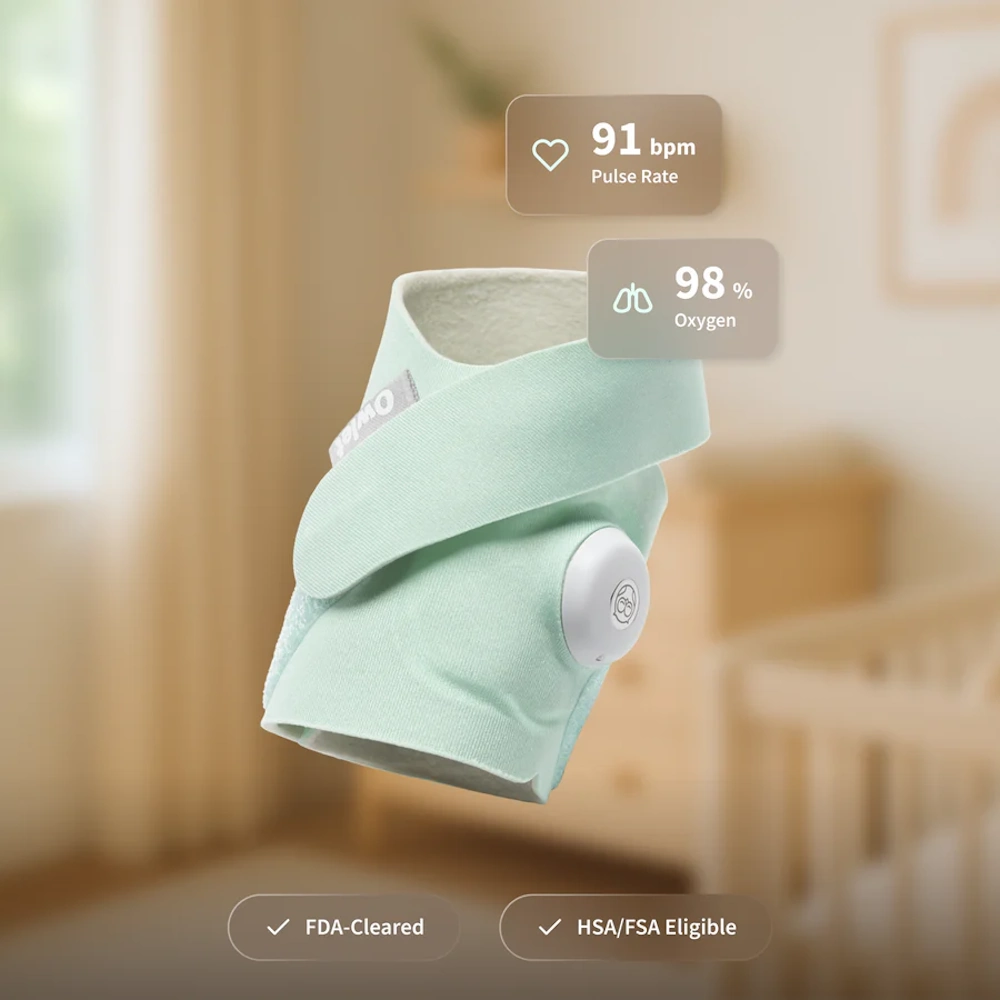
Dream Sock is Owlet’s flagship, and it’s also the most relevant for flu-season monitoring. It’s an FDA-cleared smart baby monitor that tracks live pulse rate and oxygen saturation (SpO2) and shows insights in the Owlet Dream App, alongside sleep trends and wakings.
Where it fits during flu: it can help caregivers notice drops compared with a baby’s usual readings or an unexplained persistently high pulse rate at rest—especially when symptoms like fever, congestion, and cough are already in the mix. The strongest use case is trend awareness that supports better decisions about when to call or seek in-person care.
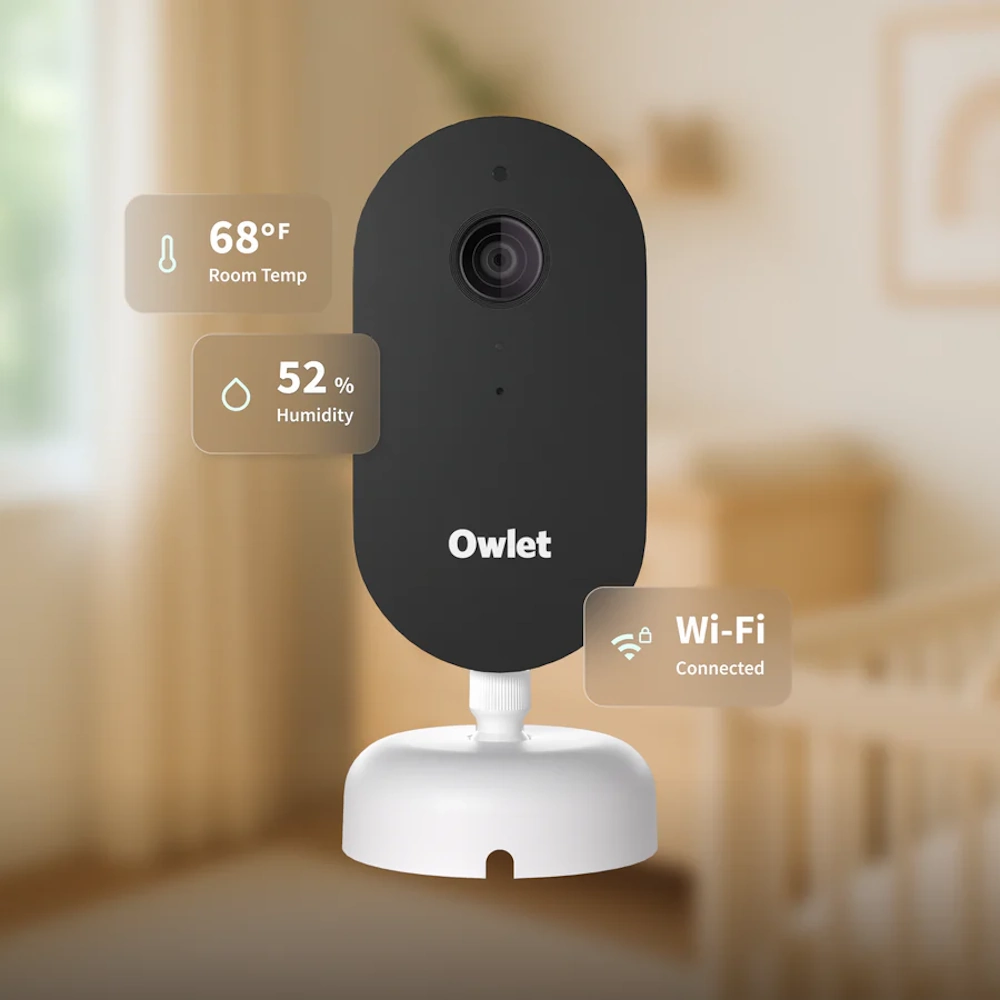
Dream Sight is Owlet’s camera option designed for clear video and real-time alerts. During sickness, the camera matters because caregivers aren’t only watching sleep—they’re watching breathing effort, position, and comfort. Room temperature and humidity also matter during congestion-heavy illnesses, since overly dry air can worsen discomfort.
Dream Sight also pairs neatly with Dream Sock for parents who want both visual reassurance and health insights in the same ecosystem.
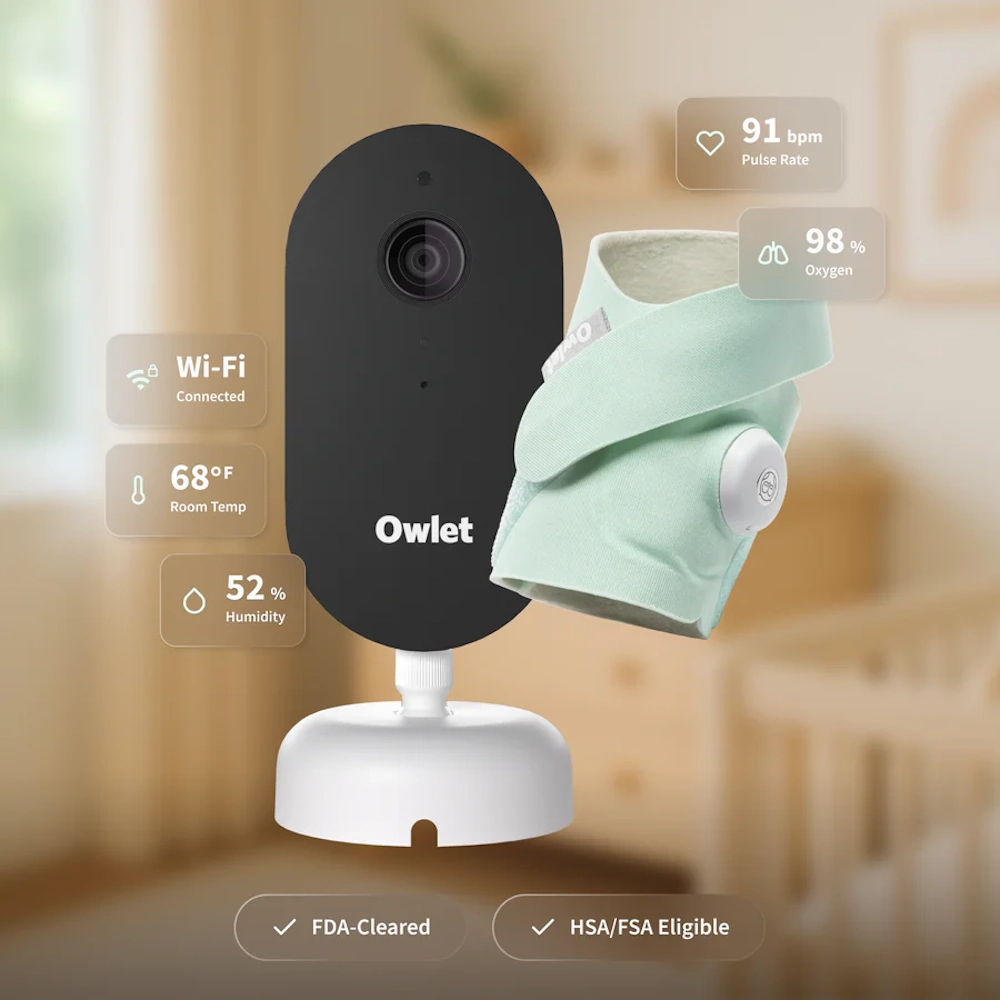
Dream Duo combines Dream Sock and Dream Sight into one setup: live pulse/oxygen tracking plus video, alerts, and room monitoring. For many families, this is the flu-season sweet spot because it reduces app-hopping. It’s easier to glance once and decide whether the next step is “let them rest,” “reposition and recheck,” or “call the pediatrician.”
The Real Pros and Cons: Owlet’s Strengths (and the Stuff to Be Honest About)
Pros
Owlet’s Dream Sock is positioned as a more serious option than generic wellness trackers because of its FDA clearance and focus on live pulse and oxygen insights.
Keeping track of symptom changes is already recommended during flu. Adding trend awareness can help caregivers describe what happened and when, which can speed up clinical decision-making.
Dream Duo’s “health + video + room” approach is helpful during flu because caregivers need both numbers and real-world context.
The flu guidance centers on hydration, fever comfort, congestion care, and breathing checks, plus clear signs that warrant urgent medical attention.
Cons
Owlet can add visibility, but it cannot confirm influenza or replace a clinician. It’s a monitoring tool, not a medical verdict.
Sensor placement, movement, and cold extremities can affect readings. Families may need to recheck after calming the baby and ensuring a proper fit.
Owlet is an investment. Bundles and extras can raise the total, and not every family will want the full ecosystem.
Owlet is best for parents who want extra clarity and can use it with a level head—data plus observation plus pediatrician guidance.
Final Thoughts: Who Owlet Is Best For During Flu Season
Owlet makes the most sense for families who want two things at once: practical education (what to watch, when to call, what home care helps) and better visibility during the hours when worry tends to spike. Flu can hit babies quickly, and nights often feel like the hardest part. Anything that helps parents stay oriented—without spiraling—can be valuable.
Dream Sock shines during sick season because it focuses on what can become most concerning: breathing uncertainty. Real-time SpO2 and pulse insights can help caregivers notice meaningful changes, especially when paired with symptom observation like retractions, nasal flaring, pauses in breathing, or color changes. The best use is “trend support,” not “diagnosis replacement.”
Add Dream Sight (or Dream Duo), and the experience becomes more complete. Video plus health insights help parents check whether a baby is coughing more, waking more, or working harder to breathe, and then compare that with pulse/oxygen trends. It’s a calmer way to monitor because it supports quick check-ins without constant hovering—while still reinforcing that warning signs always come first.
For savings, Owlet often runs site promos and first-time offers. Watching for seasonal sales and email-only deals can help, and some shoppers also use first-time codes when available.
Owlet won’t prevent the flu. But it can make flu nights feel less like guesswork—especially when it’s used the right way: alongside symptoms, common sense, and pediatrician support.