
Parker Thatch Review: A Refined Look at Luxury Handbags and Everyday Accessories

Free Shipping On US Orders Over $500
×
Parker Thatch is a fashion accessories brand built around the idea that personal style should be useful, expressive, and durable at the same time. At the center of the brand is its handbag assortment, but the broader catalog extends into jewelry, straps, small accessories, and a smaller apparel offering. The strongest impression the brand makes is not simply that it sells bags. Many labels do that. Parker Thatch makes a more specific promise. It aims to create functional luxury pieces that fit real routines while still carrying the polish and personality expected from a premium accessories name.
That identity matters because the handbag market is crowded with labels chasing either pure fashion or pure practicality. Parker Thatch sits in the middle. Its catalog suggests a lifestyle built around movement, organization, and flexible styling. The site organizes products not just by silhouette, but also by use case. Shoppers can browse for work, travel, hands free wear, everyday use, a night out, or organizing needs. That kind of structure says a great deal about the brand. It understands that luxury purchases are rarely only about looks. Buyers also want convenience, storage, comfort, and adaptability.
The visual language of Parker Thatch supports this practical but elevated approach. There is a clear emphasis on leather, suede, nylon, animal patterns, camo, and playful color accents. The assortment is broad enough to feel interesting, but not so broad that it loses identity. Several collections reappear as anchors of the brand, including Mimi, GIANT Tote, Ace Belt Bag, Cross Your Heart Sling, Charlie, Jane, Lily, Maurice Hobo, Tokyo Shopper, and Carolyn Clutch. These names help create continuity across the site and reinforce the idea that Parker Thatch is not just offering random accessories. It is building a recognizable universe of signature shapes.
Another important part of the brand story is craftsmanship. Parker Thatch states that it is a small, female co-founded team and that it works in limited production runs with a focus on quality and workmanship. That gives the brand a more intimate feel than many large scale accessory retailers. It also helps explain why the catalog feels curated instead of mass market. Parker Thatch sells the idea of bags and accessories that stay in rotation, develop character, and become part of daily life rather than short term trend purchases.
What Parker Thatch Sells and How the Assortment Is Structured
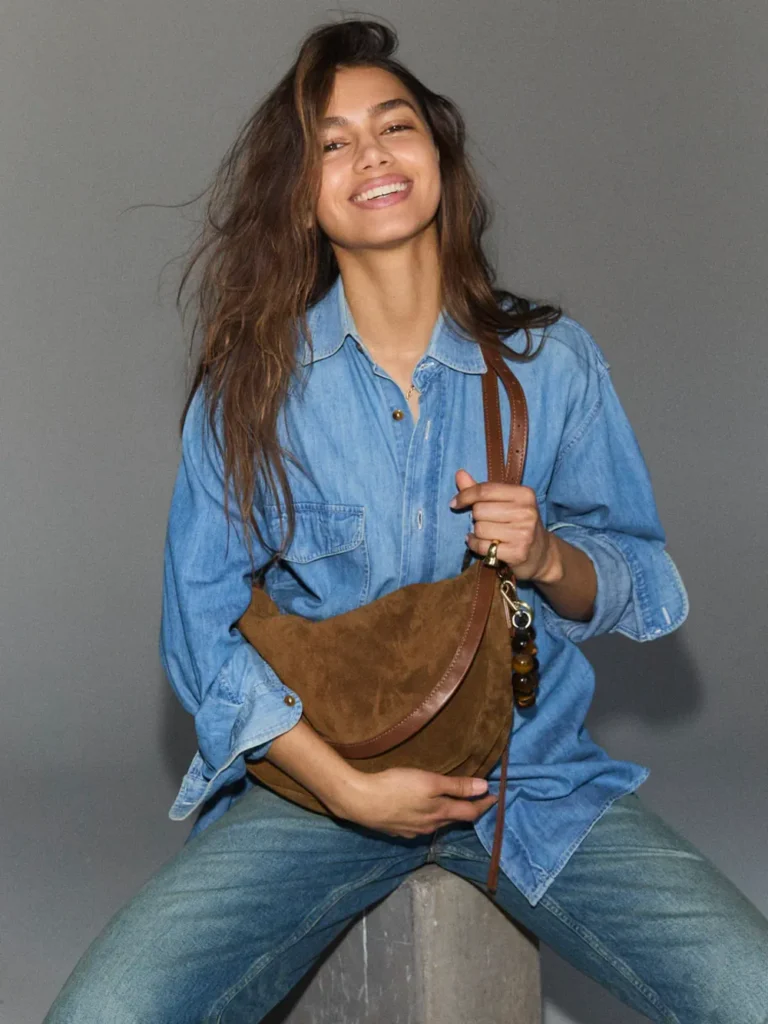
The Parker Thatch catalog is broader than a quick glance might suggest, though handbags remain the clear star. The bag section includes sling bags, crossbody bags, tote bags, shoulder bags, mini bags, and clutches. This is not a single silhouette brand. It is a brand that builds a handbag wardrobe. That distinction is important because it expands the appeal beyond one type of customer. Someone looking for a streamlined belt bag can shop the same brand as someone who wants a large work tote or a compact evening option.
The collection structure makes the site easier to navigate and also reveals the brand’s priorities. The presence of categories such as work, travel, mom, hands free, and organizing signals that Parker Thatch is selling utility along with aesthetics. A shopper is not asked to think only in terms of trend language. Instead, the brand frames the bag as a tool for a specific kind of day. That makes the assortment feel more grounded. It also helps justify the premium price bracket because the products are treated as part of lived routines rather than occasional accessories.
Outside handbags, Parker Thatch carries jewelry including necklaces, bracelets, rings, and charms. These appear to function as complementary items rather than a separate identity pillar. The same is true of the accessories section, which includes straps, bag charms, belts and buckles, small leather goods, glasses cases, bandanas, and baseball hats. In other words, Parker Thatch is not trying to be everything. It stays close to its core. Even the add on products serve the main handbag ecosystem by helping customers personalize, organize, or style their bags differently.
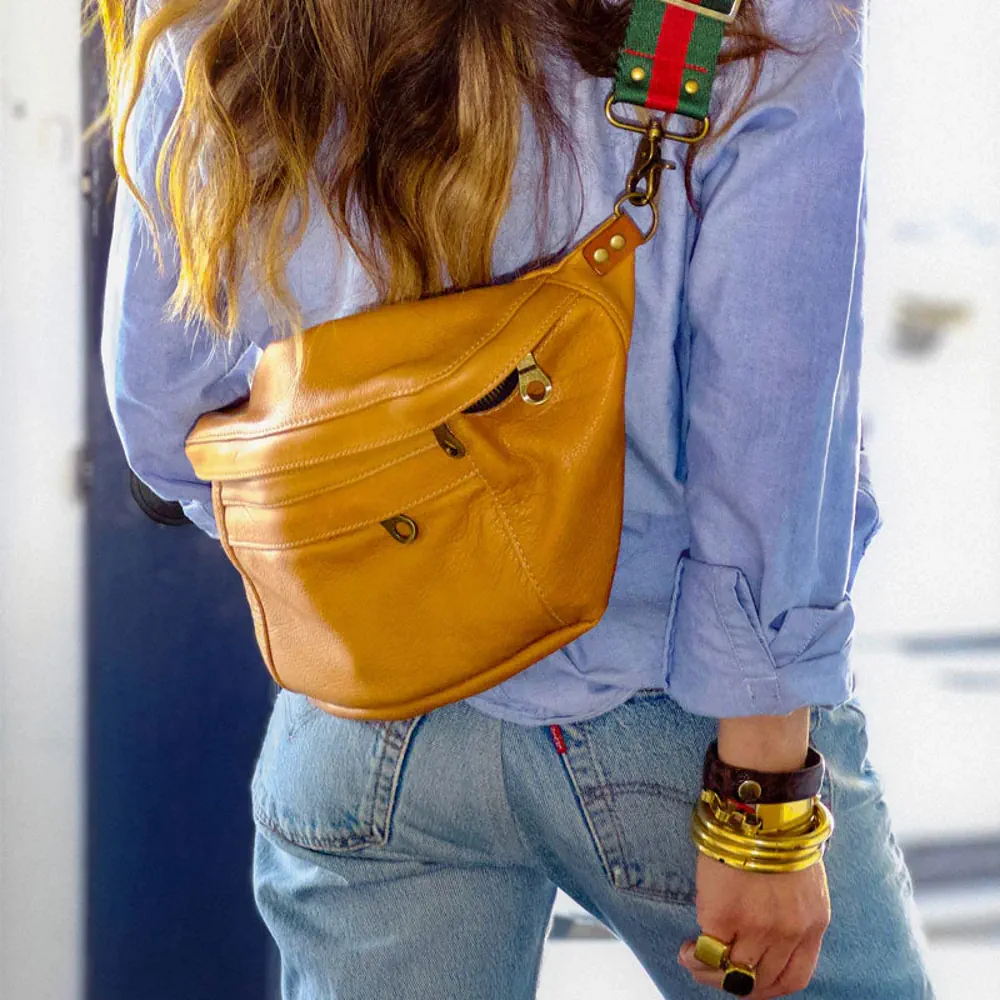
This kind of brand architecture is smart. A good handbag business benefits from customization and add on sales, and Parker Thatch leans into that without becoming cluttered. Straps, for example, are not a minor afterthought. They are their own category. That suggests the brand understands that the way a bag is carried is often just as important as the bag itself. Changing a strap can shift a piece from practical daywear to something sharper or more playful, and Parker Thatch seems aware of that styling power.
Apparel exists on the site as well, though it appears far more limited than the handbag and accessory categories. That is the right balance. The brand does not dilute its identity by pretending to be a full wardrobe label. The focus stays where it should stay, which is on personal accessories with strong everyday value. Overall, Parker Thatch sells a carefully layered assortment built around handbags first, followed by supporting categories that reinforce the same lifestyle message.
The Parker Thatch Aesthetic: Luxury With Personality
Parker Thatch does not follow the cold, highly polished template that defines some luxury accessories brands. Its aesthetic has more warmth, more individuality, and more movement. The site language speaks about ease and elegance, and that phrase captures the core of the brand rather well. Parker Thatch bags do not look stiff or overly formal. Even the more refined pieces tend to carry a casual edge, whether through relaxed shapes, tactile materials, distinctive prints, or the option to personalize the carrying experience with different straps and accessories.
This is one of the brand’s strongest qualities. It avoids the trap of creating bags that look expensive but feel intimidating. Many shoppers want premium accessories without the sense that the item only works for a narrow slice of life. Parker Thatch seems to understand that modern buyers move between errands, work, travel, family routines, social plans, and short outings in the same day. Bags that can only succeed in one setting often end up staying home. Parker Thatch designs around the reality that a good handbag should adapt.
Material choice plays a major role in this appeal. Leather and suede add richness, while nylon introduces a sportier, more casual dimension. Animal prints and camo keep the assortment lively and recognizable. These are not quiet, invisible design choices. Parker Thatch clearly embraces a point of view. Yet the overall impression is still wearable rather than theatrical. The prints and color stories give the collection life, but the silhouettes are familiar enough to remain accessible.
There is also an intentional balance between classic and playful elements. Some bags look grounded in traditional forms, such as satchels, hobos, totes, and clutches. Others feel more contemporary, especially the slings and belt bag styles. This mixture gives the brand range. A shopper can build a collection across different occasions without leaving the Parker Thatch ecosystem. That creates loyalty because the brand becomes a reliable source for several types of accessory needs.
The aesthetic also benefits from naming and storytelling. Collection names such as Mimi, Jane, Charlie, Maurice Hobo, GIANT Tote, and Cross Your Heart Sling give the assortment personality. They are memorable without being overly precious. The result is a catalog that feels edited and intentional.
For shoppers who value a luxury purchase that still feels human, Parker Thatch is compelling. The brand does not hide behind minimalism for its own sake. It embraces texture, pattern, and individuality while keeping the foundation practical. That makes the aesthetic feel lived in rather than museum like. It is luxury with personality, and that is harder to achieve than it sounds.
Handbags as the Core Strength of the Brand
The clearest reason to shop Parker Thatch is the handbag assortment. This is the category where the brand’s philosophy comes into sharp focus. The site makes it obvious that handbags are not just one department among many. They are the heart of the business. Everything from the navigation to the collection names to the styling options reinforces that point.

What makes the bag lineup strong is its breadth within a consistent identity. There are slings for hands free wear, crossbodies for daily mobility, shoulder bags for relaxed polish, clutches for more compact styling, and totes for work or travel. That means Parker Thatch can serve multiple lifestyle needs without losing coherence. The brand does not jump randomly between unrelated ideas. Each bag type still feels connected to the same larger vision of functional luxury.
The Mimi collection is especially significant because the brand identifies the Mimi bag as its first bag, created in 2009. That gives the line a foundational role within the brand story. It also hints at continuity. A label with a long running signature style often signals confidence in its design language. Instead of chasing novelty alone, Parker Thatch appears comfortable refining and expanding what already works. Within the Mimi collection, shoppers can find different sizes and material options, which helps the line stay relevant to different preferences and uses.
The price structure also places Parker Thatch firmly in premium territory. Certain smaller silhouettes fall in the high hundreds, while larger statement bags move higher. That may limit access for some shoppers, but it is consistent with the brand’s craftsmanship driven identity. Buyers are not entering the site expecting bargain accessories. They are shopping for elevated pieces with stronger material and design value than fast fashion alternatives.
Another strength is the way Parker Thatch treats use cases as design priorities. The site includes dedicated shopping paths for work bags that fit a computer, travel oriented options, and everyday silhouettes that do not need laptop capacity. This matters because dimensions and function are not secondary questions with handbags. They are often the deciding factor. Parker Thatch does a solid job of acknowledging that reality and helping customers narrow choices according to routine.
The handbag assortment also benefits from variety in mood. Some styles are sleek and understated. Others are playful through print, texture, or color. This keeps the catalog dynamic and makes repeat purchases more plausible. A customer may buy a practical neutral bag first, then return later for something with more visual impact.
In the end, Parker Thatch succeeds because it treats the handbag not as a static object but as part of everyday performance. The best bags in this category do not merely complete an outfit. They make life easier, more organized, and more expressive. Parker Thatch understands that better than many accessory brands that rely only on surface appeal.
Signature Collections and Standout Product Types
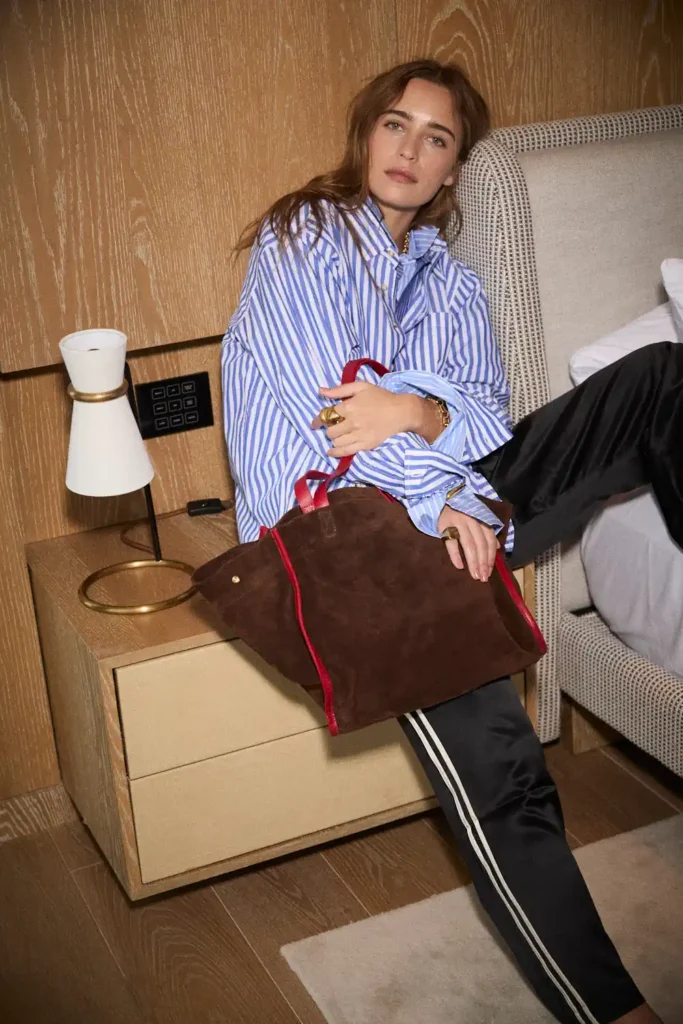
Parker Thatch feels strongest when viewed through its signature collections rather than as a loose assortment of products. That is where the brand’s character becomes most visible. Several families of bags stand out for both identity and purpose, and together they show why the brand has carved out a distinctive place in the premium accessory space.
The Mimi line is one of the most important. Because it traces back to the brand’s first bag, it carries symbolic weight as well as practical variety. The collection includes several sizes and multiple materials, from leather to suede to nylon and printed finishes. That flexibility allows the same essential shape to serve different wardrobes and needs. A Micro Mimi leans compact and fashion driven. A Medium or XL version opens more room for day to day function. This kind of scalable design is useful because it helps shoppers stay within a silhouette they like while adjusting size and material to fit lifestyle.
The GIANT Tote is another standout, especially for customers who need capacity without abandoning style. A tote is often where fashion brands lose discipline. Large bags can become dull or purely utilitarian. Parker Thatch keeps the category interesting by offering textural versions and bold finishes that stop the tote from feeling generic. This matters for buyers who need real carrying space for work, travel, or family life but still want a bag with character.
The Ace Belt Bag and Cross Your Heart Sling represent the hands free side of the brand. These are especially relevant in the current market because many shoppers now want compact bags that move easily through daily routines. A belt bag or sling can work for errands, commuting, casual outings, and travel. Parker Thatch treats these pieces as premium accessories rather than sporty afterthoughts. That elevates them and broadens their styling potential.
Then there are bags such as the Jane, Charlie, Lily, Maurice Hobo, Carolyn Clutch, and Tokyo Shopper. Even without examining every detail of every style, the naming and assortment suggest a full ecosystem of shapes for different occasions. The shopper is not forced into one signature form. Parker Thatch offers a menu of silhouettes while keeping the brand voice recognizable.
Beyond bags, accessories such as straps and charms deserve mention because they deepen the utility of the main purchase. A bag that can be restyled through hardware, color, or carrying method becomes more versatile over time. That supports the brand’s goal of creating products that owners keep and love.
The strength of Parker Thatch lies in this interconnected system. The brand does not rely on one hero product and leave everything else underdeveloped. It builds around collections that can evolve, scale, and cross different kinds of routines. For shoppers who enjoy the idea of investing in a bag world rather than a one off purchase, that is one of Parker Thatch’s biggest advantages.
Quality, Craftsmanship, and the Premium Value Question
Parker Thatch makes a clear argument for quality. The brand states that it works in limited production runs and focuses on workmanship. That kind of statement sets a serious expectation, especially at premium price points. Buyers paying hundreds of dollars for a handbag or accessory are not simply purchasing style. They are paying for stronger materials, better finishing, tighter construction, and a higher level of design intention.
The question, then, is whether Parker Thatch feels believable in that premium position. The answer is yes, largely because the brand’s overall structure supports the claim. The catalog is curated rather than inflated. The materials suggest texture and substance. The bags are not priced like disposable fashion. The assortment also includes repairs information and customer service pathways, which adds to the impression that Parker Thatch sees its products as lasting items rather than short cycle inventory.
Luxury can be a vague word, but functional luxury is more concrete. It means the item should feel elevated while still being useful. Parker Thatch leans into this definition effectively. A large tote, a sling, or a crossbody can still be luxurious if the material, finish, silhouette, and wear experience are handled well. In fact, that may be a more persuasive form of luxury today than accessories that look precious but perform poorly.
There is also a durability story implied by the brand’s own language about bags getting better with time and telling a story through wear. That is a powerful idea because good leather and well chosen materials often improve with use rather than decline immediately. Buyers drawn to that kind of aging and character will likely find Parker Thatch more appealing than brands built around pristine sameness.
Of course, premium value is always subjective. For some shoppers, the price range will simply be too high, especially when compact silhouettes can still cost several hundred dollars. That is a real barrier. Parker Thatch is not an entry level accessory brand. Yet for buyers who care about design personality, smaller run production, and the intersection of style and utility, the pricing has logic behind it.
The brand’s value proposition works best for people who will use the product often. A frequently carried sling, tote, or shoulder bag can justify a higher upfront cost much more easily than an occasion only purchase. Parker Thatch seems aware of that. Its strongest pieces are the ones built around repetition, movement, and daily relevance.
In the premium accessories category, value is never only about price. It is about how much use, satisfaction, and longevity the product can deliver. Parker Thatch makes a credible case that its bags are meant to stay in circulation, and that makes the brand’s luxury message more grounded and more convincing.
The Shopping Experience and Who Parker Thatch Is Best For
The Parker Thatch shopping experience is notably organized, which is important for a brand with many collections and stylistic variations. A cluttered site can quickly weaken a premium label because it makes the product feel less considered. Parker Thatch avoids that problem by structuring the assortment according to both style and lifestyle need. Bags can be browsed by type, by collection, or by intended use, which makes the decision process more intuitive.
This matters because handbag shopping is usually practical as much as emotional. A customer might love the look of a bag, but still need to know whether it fits a laptop, works for travel, or keeps hands free for busy routines. Parker Thatch addresses that kind of thinking directly through navigation categories like work, travel, mom, hands free, and organizing. That is a smart retail move because it meets the shopper where real decision making happens.
The site also supports brand storytelling without overwhelming the customer. There is a sense of the company’s identity as a smaller, female co-founded business with a focus on quality and limited runs. That gives Parker Thatch a more personal edge than a generic luxury storefront. It suggests intention and care, which can be especially meaningful when the products themselves are investment purchases.
As for the ideal customer, Parker Thatch is best for someone who wants a bag that feels special but not stiff. This is not a minimalist label for those who want invisible accessories. Nor is it a loud novelty brand for people chasing pure statement pieces. It sits in the middle, offering elevated design with enough personality to stand out. That makes it especially appealing to shoppers who want everyday pieces with character.
The brand also seems well suited to those building a handbag wardrobe over time. Because there are multiple silhouettes and accessory add ons within the same design world, Parker Thatch lends itself to repeat buying. A shopper might start with a versatile neutral crossbody, then add a tote for travel or work, then a playful printed mini or strap later on. The ecosystem makes sense.
It may be less ideal for highly price sensitive shoppers or those who want a broad apparel driven brand. Parker Thatch is strongest when treated as an accessory specialist. That is where the selection is deepest and the identity is clearest.
Overall, the shopping experience supports the brand’s message well. It is practical, polished, and easy to browse according to how people actually use bags. That alignment between product philosophy and retail structure is one of Parker Thatch’s quieter strengths.
Pros and Cons of Parker Thatch
Every strong brand has clear advantages and a few tradeoffs, and Parker Thatch is no exception. The brand succeeds most where it stays close to its core strengths, though some shoppers will find limits in price and scope. Taken as a whole, the balance is favorable.
Pros
Parker Thatch knows what it does best. The brand is clearly built around handbags, and that focus gives the assortment depth, coherence, and credibility.
Lorem ipsum dolor sit amet, consectetur adipiscing elit. Ut elit tellus, luctus nec ullamcorper mattis, pulvinar dapibus leo.
The products are not only attractive. They are organized around real life uses such as work, travel, hands free wear, and everyday carry, which makes the luxury feel practical.
The mix of leather, suede, nylon, camo, animal prints, and playful color gives the brand personality. The bags feel memorable without becoming costume like.
Sling bags, crossbodies, shoulder bags, totes, mini bags, and clutches allow shoppers to find a shape that fits their routine while staying within one brand ecosystem.
Signature lines such as Mimi, GIANT Tote, Ace Belt Bag, and Cross Your Heart Sling give the catalog structure and make the brand easier to understand and revisit.
The female co-founded, limited run identity adds a sense of intimacy and craftsmanship that many shoppers find more appealing than mass market luxury.
Straps, charms, and accessories extend the usefulness of the main handbag purchase and encourage longer term styling flexibility.
Cons
Parker Thatch sits firmly in the higher end accessory space. That will place many styles out of reach for shoppers with tighter budgets.
Buyers who prefer extremely quiet, understated accessory design may find the prints, textures, or styling choices more expressive than they want.
The site includes some apparel, but the brand is not a full fashion destination. Shoppers seeking a complete wardrobe label may want more breadth.
Those who do not care much about handbags or personal accessories will likely find less reason to engage deeply with the brand.
These pros and cons do not weaken the brand’s overall appeal. They simply clarify who Parker Thatch serves best. For the right shopper, the strengths will matter far more than the drawbacks.
Final Thoughts on Parker Thatch
Parker Thatch stands out because it understands a modern truth about accessories. A handbag has to do more than look beautiful. It has to move through life smoothly. It has to carry what matters, fit different settings, and still feel expressive enough to justify the investment. That is the space where Parker Thatch performs best.
The brand’s handbag led identity is its greatest asset. Rather than stretching into too many unrelated categories, Parker Thatch keeps its focus on bags and the accessories that support them. That restraint helps the catalog feel confident. The result is a product range with enough variety to suit different routines, but enough consistency to build brand trust. A shopper can move from a tote to a sling to a mini bag without feeling like they have entered a different world each time.
There is also something appealing about the emotional tone of the brand. Parker Thatch does not sell a distant version of luxury. It sells ease, elegance, and individuality. The bags look like they are meant to be used, not merely admired. That makes the brand more relatable than some labels that lean too heavily on image. At the same time, the premium pricing, collection depth, and focus on workmanship keep Parker Thatch firmly in elevated territory.
Not every shopper will be the target customer. The price level requires commitment, and the aesthetic has enough personality that it may not suit those who want completely quiet basics. But those limitations are also part of what makes the brand distinct. Parker Thatch is not trying to disappear into the background. It is offering accessories with character and function in equal measure.
For shoppers who value bags that feel practical, stylish, and built with a stronger point of view than standard mass luxury, Parker Thatch is a brand worth serious attention. Its best pieces are the ones that bring utility and polish together without forcing a compromise between the two. That is not an easy balance to achieve, but Parker Thatch comes closer than many brands in the same space.
The final verdict is clear. Parker Thatch is strongest as a premium handbag brand for people who want everyday luxury with personality. It delivers an accessory focused experience, a recognizable design voice, and a catalog that makes sense for real life. That combination gives the brand staying power, and it is the reason Parker Thatch feels more substantial than a passing fashion label.