
Power Home Remodeling vs. Champion Windows: Which Window Replacement Service Makes More Sense?

Free Energy Efficient Window Replacement Quote
×
Up to 50% Off – Buy 2 Windows, Get 2 Free
×Power Home Remodeling and Champion Windows both compete for homeowners who want to replace aging, drafty, inefficient windows with something that looks sharper and performs better. On the surface, they can seem similar. Both offer full-service replacement, in-home consultations, installation, financing, and warranty-backed work. Both also make energy efficiency a central part of the sales conversation. That said, these two brands are not built around the exact same business model, and that difference matters more than most homeowners realize.
Power Home Remodeling is a broader exterior remodeling company. Windows are a major category for the brand, but they sit alongside roofing, siding, doors, insulation, solar, and related exterior upgrades. The company works across dozens of territories and emphasizes trained installers, project support, lifetime labor coverage, and a tech-enabled process through its Project Pulse tracking platform. It also sources window products through manufacturing partners rather than framing the sale around a single in-house window line.
Champion Windows takes a more window-centric identity. The company emphasizes that it designs, builds, installs, and guarantees its products, which gives it a more vertically integrated pitch. On its site, Champion leans hard into factory-direct pricing, custom-made vinyl windows, a long operating history dating back to 1953, and a limited lifetime warranty that covers installation, parts, labor, and materials. That approach creates a very different buyer experience from a company like Power, because the brand story is tied directly to the windows themselves rather than to a wider exterior remodeling platform.
For a homeowner comparing these two services strictly for window replacement, the real question is not which company sounds bigger or more polished in a headline. The real question is what kind of replacement project is being planned. A homeowner who wants a window specialist with a clear manufacturer-to-installation chain may lean toward Champion. A homeowner who wants a company that can handle windows today and other exterior upgrades later may find Power more appealing. Both can be legitimate contenders, but they win for different reasons. That is what this comparison needs to clarify in detail.
Brand Focus and Business Model: The Difference Starts Here
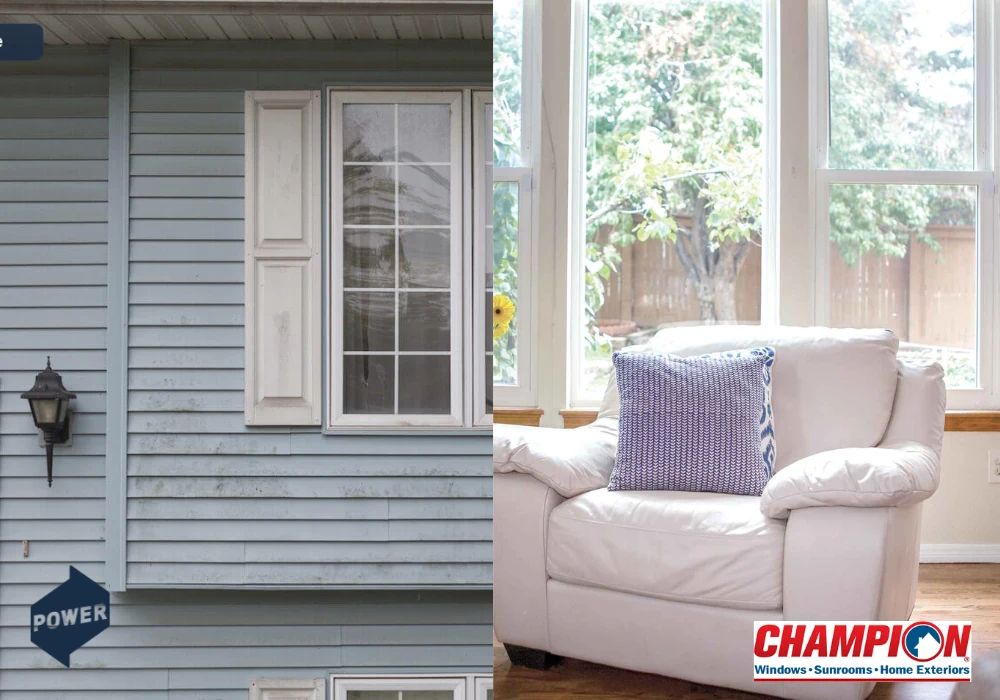
The clearest dividing line between Power Home Remodeling and Champion Windows is how each brand defines itself. Power markets itself as an exterior home remodeling company first. Its site highlights a full suite of services that includes windows, roofing, siding, doors, insulation, solar, and accessories. That creates a more comprehensive home-upgrade identity. For homeowners who think in terms of total exterior performance, curb appeal, and multi-phase renovation planning, that can be a major plus. It suggests a company designed to build long-term customer relationships beyond one product category.
Champion, by comparison, keeps a much tighter focus around replacement windows and related exterior products. Even though the company also sells doors, siding, roofing, and sunrooms, its branding remains much more closely associated with replacement windows. Its official messaging emphasizes factory-direct production, custom-built products, and the idea that buyers are working with a company that actually builds what it installs. That kind of message has real value in the window market because it reduces the sense of middle layers between manufacturer, salesperson, and service department. Homeowners who want a clearer product chain often respond well to that structure.
This difference also shapes how each company talks about value. Power highlights broader remodeling expertise, experienced local teams, code-aware installation specialists, and a customer experience framework that includes project tracking and service support. Champion highlights the simplicity of buying directly from the manufacturer, the custom nature of its windows, and the fact that one company handles design, build, installation, and warranty service. Neither pitch is inherently stronger in every situation. They simply answer different homeowner priorities.
That means the better brand on business-model grounds depends on the buyer profile. Champion has the cleaner message for someone who wants a dedicated window company with vertical control and a strong product identity. Power has the stronger message for someone who sees window replacement as one piece of a larger exterior strategy and wants a contractor relationship that can grow into future work. In a side-by-side comparison, Champion feels more specialized. Power feels more comprehensive. For many shoppers, that single distinction will already push the decision one way or the other.
Window Products, Materials, and Customization Options
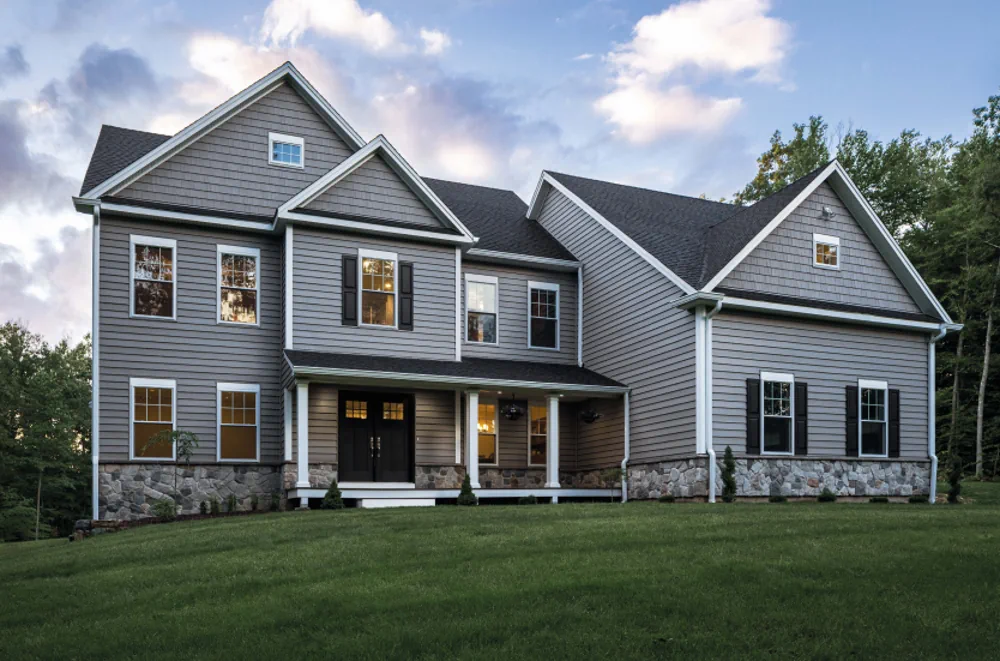
When the focus shifts from company identity to the actual windows, Champion becomes especially strong on product clarity. Champion explicitly states that it designs and manufactures vinyl replacement windows and offers a wide variety of styles, colors, hardware choices, and grid patterns. Its site also references custom-shaped windows, common styles like double-hung, and a broad window-style catalog. For buyers who want to know exactly what material category they are buying into, that matters. Vinyl is the core story here, and Champion embraces that directly. It sells vinyl as a low-maintenance, durable, energy-efficient option with broad size and shape flexibility.
Power also highlights customization, but it does so from a solutions standpoint rather than from a single branded product family. The company notes that its windows are built with fade-free vinyl, fusion-welded corners, fiberglass mesh screens, multiple style and color options, custom capping, beveled edges, and broad grid and frame customization. It also notes security elements like reinforced meeting rails, nighttime safety vents, and 180 cam locks. The language is practical and feature-driven, even if the company does not center the entire sales story around one in-house window line.
There is also a sourcing distinction that some homeowners will care about. Power’s broader service pages indicate that its window offerings depend on territory and manufacturing partners, with brands such as Pella and ProVia referenced as window partners. That can be a strength or a weakness depending on perspective. On the positive side, it suggests flexibility and region-specific product matching. On the negative side, it can mean the exact window line available to one homeowner may differ from what another homeowner sees in a different market. Champion also notes that product style may vary by state and store, but its identity still feels more unified because the brand itself is the face of the window product.
In practical terms, Champion looks better for homeowners who want a more defined, manufacturer-led vinyl window program with strong style visibility. Power looks better for homeowners who care about a tailored installation package, visual customization, and feature performance, but who are less concerned about buying into one tightly branded in-house window line. Champion wins on product-line clarity. Power wins on feature mix and integration into a broader exterior-remodeling ecosystem.
Energy Efficiency and Performance: Both Compete Hard, But Not the Same Way
Energy efficiency is one of the most important selling points in modern window replacement, and both brands understand that. Power highlights double-pane Heat Shield glass, highly reflective silver layers, argon-filled panes, noise-reducing frames, and performance-oriented construction. The emphasis is on comfort, reduced outside noise, durability, and lower seasonal stress on the home. It is a straightforward performance package that fits well with the company’s broader exterior-efficiency theme, especially since Power also sells insulation and other envelope-improvement services.
Champion takes a more explicit standards-based approach in some areas. The company states that its enhanced Comfort 365 windows meet Energy Star 7.0 requirements and notes that, in required regions, triple-pane glass, low-E coating, argon gas fill, and warm-edge spacer systems are part of that performance story. Champion also emphasizes weather and pressure testing, and it repeatedly frames replacement windows as a long-term energy-saving investment. That gives Champion a slightly more formal technical narrative, especially for homeowners who like seeing named glass systems and published efficiency benchmarks.
One subtle but important difference is how the two brands connect energy efficiency to the buying decision. Power folds it into a full-home improvement mindset. Windows are part of a larger effort to improve exterior performance, appearance, and comfort. Champion keeps it more narrowly focused on the windows themselves and how those windows can reduce heat transfer, improve comfort, and potentially lower utility costs over time. The end result is similar, but the storytelling is different. Power sells system-level home improvement. Champion sells window-level performance with a strong branded-glass identity.
As a pure window comparison, Champion has the more explicit edge in energy-efficiency messaging because the site ties its product to Energy Star 7.0 compliance and spells out more about glazing components. Power still sounds strong and credible in this category, especially for buyers who value comfort, noise reduction, and secure construction, but its message is broader and somewhat less technical in its public-facing copy. If energy performance is the top priority and the homeowner wants more specific performance language during the evaluation stage, Champion has the stronger initial case. If the homeowner wants efficient windows as part of a full exterior-upgrade relationship, Power remains highly competitive.

Installation Experience, Process, and Project Management
Window replacement is not just a product purchase. It is an installation experience, and that is where Power Home Remodeling brings one of its strongest arguments. The company highlights highly skilled installers trained in local codes and regulations, one-day completion for many projects, and end-to-end handling from removal through clean-up. It also offers Project Pulse, a secure project-tracking platform that lets homeowners monitor appointments, updates, requests, paperwork, and project details in one place. That kind of digital visibility is not a small feature. For homeowners who want structure, status updates, and a more guided post-sale experience, it adds real value.
Champion also lays out its installation process clearly. The company describes a sequence that includes greeting and walk-through, floor protection, removal of old windows, inspection and repair of the opening as needed, installation, and final verification with the homeowner. Champion also says installers explain how the new windows function and how to clean them at the end of the job. That is a solid and reassuring installation framework. It feels hands-on, clear, and grounded in practical homeowner concerns.
The difference is in how much the process becomes part of the brand itself. For Power, the customer experience seems deliberately systematized. There is a homeowner bill of rights, a project-tracking application, defined process steps, and a heavy emphasis on service consistency. That can be particularly appealing for larger households, busy professionals, or anyone who dislikes feeling in the dark during a remodeling job. Champion feels more traditional. The process is direct and understandable, but it is less wrapped in a tech-supported service framework on the public-facing side of the brand.
As a result, Power may be the stronger choice for buyers who care deeply about communication flow, project visibility, and a structured renovation journey. Champion remains a strong option for buyers who want an experienced, straightforward installation team without needing a more elaborate project-management layer. Both companies clearly understand installation quality is crucial, but Power makes the overall service experience feel like a bigger part of the product. That gives it an advantage for homeowners who judge remodeling companies as much by operational polish as by the window unit itself.
Warranty Coverage and Long-Term Ownership Confidence
Warranty language can make or break confidence in a window replacement purchase, and both companies know that homeowners pay attention here. Power states that it provides a limited lifetime labor warranty on all installations. It also notes that the installed products are manufactured and warranted by external partners, and that Power helps facilitate manufacturer warranty claims for homeowners. On top of that, its windows page refers to transferable manufacturer warranties and the company’s own labor coverage. This means Power’s promise is split across installation support and partner product warranties. That structure is common in remodeling, but it does place more importance on understanding who covers what.
Champion’s warranty story is more aggressive and more unified in its public messaging. The company says its limited lifetime warranty covers installation, parts, labor, and materials. It also uses unusually bold language, stating that if the product breaks, it will fix or replace it, including accidental glass breakage in the example it provides. That is the kind of warranty statement that stands out during shopping because it is easy to understand and easy to remember. Homeowners do not have to mentally separate installer responsibility from manufacturer responsibility in the same way.
This is one of the clearest advantage areas in the comparison. Power’s labor warranty is valuable, and its willingness to facilitate partner claims is helpful. But Champion’s public-facing warranty pitch is stronger because it sounds more comprehensive, more centralized, and more consumer-friendly. For anxious buyers who worry about future service calls, seal failures, accidental breakage, or lingering questions years after installation, Champion makes reassurance easier.
That does not mean Power should be discounted. A homeowner who values the company’s service model, local code-trained installers, and broader remodeling capabilities may still feel entirely comfortable with a labor warranty plus manufacturer-backed product coverage. But in a direct head-to-head on warranty messaging and long-term ownership confidence, Champion has the cleaner and more compelling case. This is likely one of the biggest reasons some window shoppers will favor Champion after only one consultation.
Pricing, Financing, and Value Perception
Neither company publishes simple flat pricing for window replacement because both projects depend on window count, style, size, installation complexity, and regional factors. Power says the project cost varies by scope and provides free, no-obligation estimates, along with monthly installment options. Champion says it offers factory-direct pricing, free in-home estimates, and a range of financing offers, including promotions and low monthly payment plans. Both clearly want buyers to enter the sales consultation before discussing real numbers.
Champion has a stronger value narrative on the public site because it repeatedly ties its model to factory-direct pricing and ongoing promotions. It also highlights same-day quotes and current financing programs. For budget-conscious homeowners, that language matters. It creates a perception that the brand is trying to make the economics of replacement windows feel more immediate and transparent, even without posting exact installed costs on the main site.
Power’s value story is less about deal language and more about the total service package. The company leans into quality installation, trained specialists, tech support, labor warranty coverage, and broader remodeling know-how. That can absolutely justify strong value, but it may not feel as overtly price-competitive during the earliest stages of comparison shopping. Buyers looking for discounts, promotions, or a clearer financing pitch may find Champion’s messaging more compelling from the start.
In other words, Champion often sounds like the better fit for homeowners who are price-aware and want the confidence of a direct manufacturer-sales framework with frequent offers. Power sounds like the better fit for homeowners who care less about promotional language and more about the total renovation experience. Real installed prices will still depend on the quote, of course, but the public-facing value story is not the same. Champion sells financial accessibility more aggressively. Power sells service-backed investment quality more strongly.
Service Area, Reach, and Who Each Brand Best Serves
Coverage can influence the decision before product features even enter the conversation. Power says it serves residential homeowners in 26 territories covering 25 states across the U.S., plus D.C. in career-related location materials, and it notes that availability depends on the homeowner’s location and territory-specific offerings. Champion says it has numerous showrooms across the U.S. and that its typical service radius is about 60 miles from a location, while also noting that not every store carries every product and that some product styles vary by state.
The practical takeaway is that both companies are large, but local availability should never be assumed. Power’s territory model means local product options can shift based on region, codes, and climate. Champion’s showroom-radius model means service may depend on how close the home is to an active location. Neither company is truly one-size-fits-all nationwide in the way a casual shopper might assume. Zip code confirmation matters.
In terms of homeowner fit, Champion is especially well suited to buyers who know the project is strictly about windows and who want to compare styles, colors, warranty protection, and factory-direct value inside a window-first framework. Power is especially well suited to buyers who may be replacing windows now but also care about future siding, doors, roofing, or insulation upgrades and want one remodeling relationship that can carry across multiple categories.
That distinction makes the brands less direct substitutes than they first appear. They overlap in category, but the buyer journeys are different. Champion feels more specialized and product-centered. Power feels more strategic and service-centered. The best choice depends heavily on whether the homeowner is shopping for windows only or building a longer-term exterior remodeling roadmap. Once that question is answered honestly, the comparison becomes much easier.
Pros and Cons
Power Home Remodeling Pros
Power Home Remodeling Cons
Champion Windows Pros
Champion Windows Cons
Final Verdict: Which Brand Wins for Window Replacement?
For pure window replacement, Champion Windows has the stronger overall edge for many homeowners. The reason is simple. Its public-facing offer is easier to understand. It makes and installs its own vinyl windows, explains styles and customization clearly, leans heavily into energy efficiency, and backs the purchase with a very strong warranty message that covers installation, parts, labor, and materials. For a homeowner who wants a window company that feels specialized, direct, and product-confident, Champion is the cleaner choice.
Power Home Remodeling remains a serious contender, especially for homeowners who value the installation journey as much as the window itself. Its project tracking tools, trained installers, customer-rights framing, and full exterior-remodeling breadth all add up to a service model that feels highly organized and relationship-driven. For households planning future work beyond windows, that can be a major advantage. Power may not frame its window program with the same single-line manufacturing identity as Champion, but it does offer a polished, performance-focused, service-backed experience that many homeowners will find compelling.
The most accurate conclusion is this: Champion is usually the better pick for buyers who want a dedicated window replacement specialist with a unified product and warranty story. Power is usually the better pick for buyers who want window replacement delivered inside a broader exterior home-improvement relationship with strong operational support. If the project is windows only, Champion likely has the edge. If the project is part of a larger exterior transformation, Power may be the smarter long-term fit.