Sperry is one of the rare footwear brands whose signature product is not just recognizable, but foundational to an entire category. The company traces its origins to 1935, when founder Paul Sperry developed an early non-slip sole concept that became the basis for what people now think of as the modern boat shoe. That origin story matters because it explains why Sperry continues to frame its identity around water, traction, and practical comfort, even when styles drift into fashion-first territory. Today, Sperry positions itself as coastal-inspired casualwear that is meant to perform, not simply pose, with an emphasis on shoes that can handle slick surfaces, changeable weather, and long days on the move.
In recent years, the “boat shoe” has also returned to the broader style conversation beyond marinas and docks, helped along by runway influence and modern styling trends. That renewed attention is relevant because it keeps Sperry’s core silhouette in circulation across age groups, not just among traditional preppy shoppers. For buyers, the practical takeaway is that Sperry is not a novelty brand trying to invent a new niche. It is a legacy name with a clear product DNA: classic silhouettes, traction-oriented soles, and a long history tied to on-and-near-water wear.
Sperry’s most important differentiator is traction. The original idea behind the brand was to keep footing secure on wet decks, and that design intent still shows up in the outsoles and tread patterning associated with the classic boat shoe family. In real use, this matters most in transitional seasons, rainy sidewalks, marinas, and travel days where “not slipping” is a daily convenience rather than a niche feature.
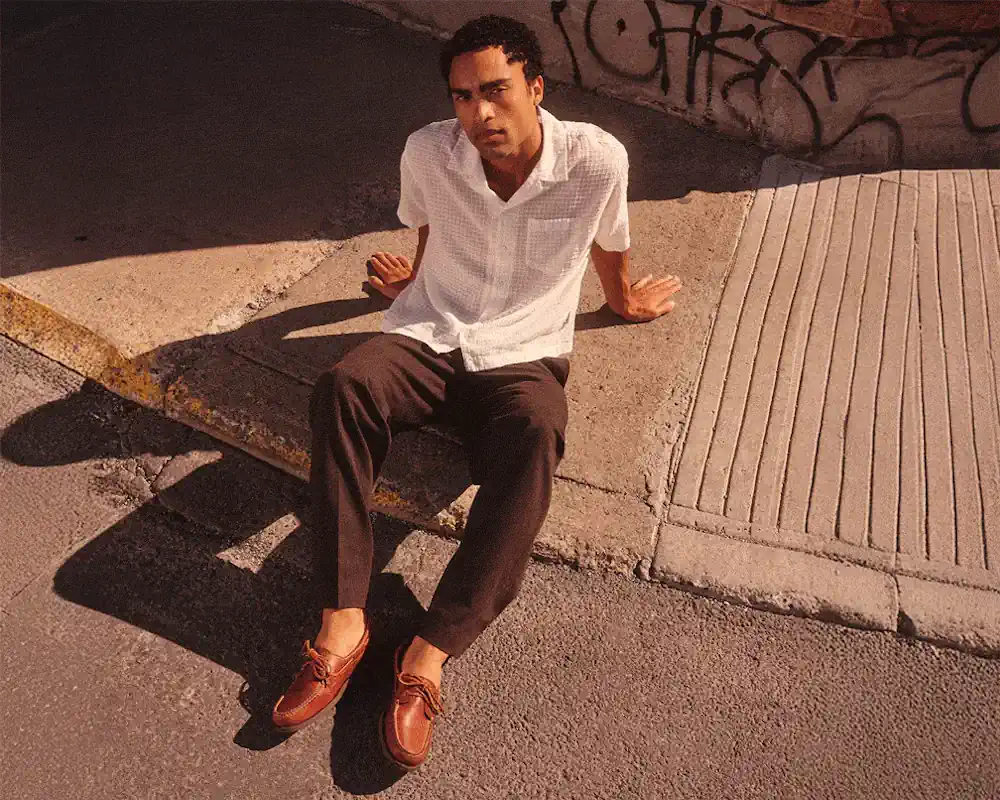
Construction details also define the look and the wear. A traditional boat shoe silhouette typically features a moccasin-style build with prominent stitching around the toe and lacing that wraps through side eyelets for an adjustable fit. That combination creates the recognizable profile that pairs easily with shorts, chinos, denim, and casual suiting. It is also why Sperry styles tend to read “polished casual” instead of athletic.
The other piece is longevity of design. The boat shoe has cycled through trend peaks and quieter periods, but it never fully disappears because it fills a real wardrobe gap: more relaxed than a dress shoe, more refined than a sneaker. Sperry continues to lean into that timeless lane rather than chasing constant reinvention.
A Tour of the Core Collections
Sperry’s catalog is easiest to understand by looking at its major families. The anchor is the Authentic Original line, which carries the classic boat shoe identity most people associate with the brand. That is the everyday staple for shoppers who want the signature silhouette for warm-weather rotation, casual office outfits, and vacation packing.
Then there is Gold Cup, the premium tier. Gold Cup is where Sperry pushes higher-end materials and upgraded comfort details while keeping the heritage look intact. Expect more elevated leathers and suedes, plus extra cushioning aimed at making all-day wear easier.
Beyond the classics, Sperry has expanded meaningfully into boots and weather-ready options, including well-known lines like Saltwater for women’s seasonal wear. On the men’s and women’s sides, there are also loafers and oxfords for a slightly dressier direction, plus sneakers that keep the styling casual while shifting the feel closer to modern comfort expectations. The takeaway is simple: the brand is not one shoe anymore. It is an ecosystem of coastal-casual silhouettes that share a common aesthetic.
Comfort, Fit, and Everyday Wearability
Comfort is where Sperry tends to win repeat buyers, especially among people who like structured casual shoes but do not want stiff break-in periods. Many of the brand’s staples aim for a balanced feel: enough structure to look sharp, enough cushioning and flexibility to handle long days. The Gold Cup tier pushes this further with extra-cushioned insoles and premium materials intended to feel softer against the foot.
Fit, however, depends heavily on the specific style and material. Classic boat shoes often start snug because the upper needs time to relax, especially in leather builds. That is not a flaw so much as a reality of traditional construction. People who dislike any break-in phase may prefer softer uppers, alternate materials, or sneaker-based options.
From a wardrobe standpoint, Sperry’s comfort advantage is its versatility. These are shoes that can reasonably cover commuting, casual work settings, errands, and travel without screaming “performance shoe.” For anyone building a capsule wardrobe, that matters. The shoe does not need to be the most cushioned item in the closet if it reliably supports real-life use while still looking intentional.
Materials, Craft, and What Durability Looks Like Here
Sperry’s durability reputation comes from two things: classic construction methods and sensible materials for the category. Premium leathers and suedes show up most prominently in the Gold Cup tier, which emphasizes heritage moccasin-style stitching paired with upgraded materials.
In practical terms, durability is less about a single miracle component and more about how the shoe is treated. Boat shoes are exposed to scuffs, moisture, and frequent on-off wear. With basic care, leather pairs can age attractively, shifting into that broken-in look many buyers actually want. For wet-weather boots and seasonal styles, performance depends on the specific boot category and how often it is exposed to heavy rain, salt, or mud.
Shoppers should think about rotation. Wearing the same pair daily compresses cushioning faster and stresses uppers more. Rotating even two pairs extends life noticeably. Sperry sits in the tier where that approach makes sense: the price and style variety support building a small lineup rather than expecting one pair to do everything indefinitely.
Style Range and Where Sperry Fits in a Modern Closet
Sperry’s styling is rooted in coastal prep, but the boat shoe has returned to broader fashion attention in recent seasons. That does not require dramatic rebranding. It simply highlights what the brand has always offered: a clean profile that works with modern silhouettes.
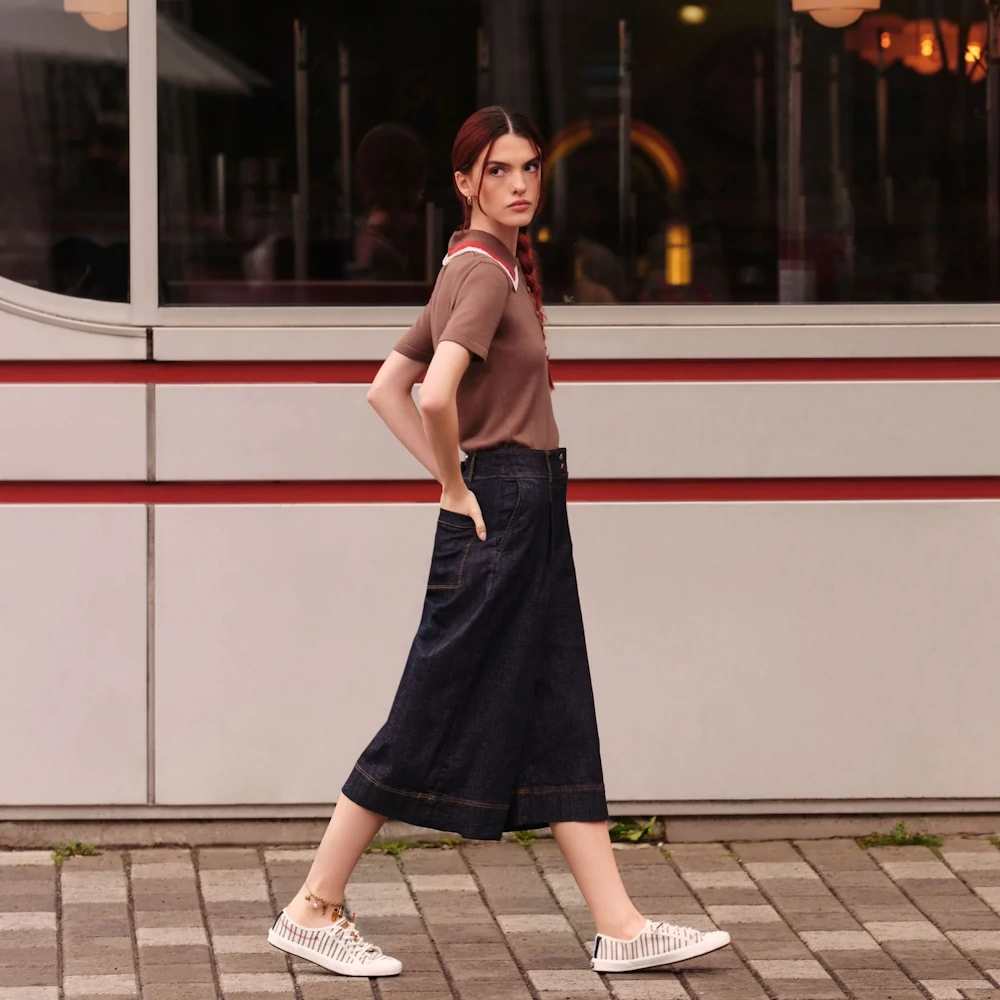
For outfits, the easiest wins are straightforward. Boat shoes pair naturally with chinos, denim, and shorts, while loafers and oxfords push into business-casual territory. Boots handle fall and winter wardrobes where sneakers feel too relaxed and dress shoes feel too formal. The brand’s color choices also tend to stay wearable, with plenty of neutrals and classic tones that do not lock a buyer into one season.
The result is a brand that supports repeat outfits, the kind of pieces that make getting dressed easier. Sperry is not trying to be experimental footwear. It is aiming to be the dependable option that looks right in photos, feels comfortable on long days, and does not date itself quickly.
Ownership and Brand Operations
Sperry is an American heritage footwear name, but like many established brands, it operates within a modern brand management structure. It is owned by Authentic Brands Group, with ALDO Group serving as the North American operating partner for wholesale, e-commerce, and store operations, and also supporting global footwear design, production, and distribution partnerships.
For shoppers, this matters less as a headline and more as context. Ownership structures can influence collaborations, distribution, and how aggressively a brand expands categories. What remains consistent is the core identity: Sperry continues to lead with boat shoes and coastal casual footwear as the brand signature. The current structure also supports wider availability and more frequent merchandising cycles, including seasonal drops and sale events.
Buying From Sperry Online
The Sperry site is built for straightforward shopping: categories by men, women, kids, and sales, with prominent navigation for boat shoes, boots, loafers and oxfords, and sneakers.
The biggest practical advice is to shop with intention. Start with the use case first: daily casual, office casual, wet weather, travel, or summer rotation. Then choose the family that matches it. Authentic Original and core boat-shoe styles cover the classic need. Gold Cup is the upgrade lane when premium materials and added comfort matter more. Boots and weather categories serve seasonal wear where traction and protection matter.
Sales are also a meaningful part of the online experience, with dedicated sale sections and discount groupings that can make upgrading to better materials more attainable. For shoppers who like to optimize value, timing purchases around promotions can be the difference between “nice but pricey” and “great buy.”
The catalog is broad, so it helps to shop by use case to avoid buying a style that looks right but does not fit daily habits.
Final Thoughts
Sperry succeeds because it stays focused on what it does best: coastal-casual footwear anchored in the boat shoe tradition, then expanded into adjacent categories that make sense for real wardrobes. The brand’s classics remain the safest entry point, while Gold Cup offers a clear step up for shoppers who want a premium feel.
For anyone who wants shoes that look intentional without feeling fussy, Sperry is a strong contender. The designs hold their place across seasons, the styling is easy, and the traction-first heritage translates into everyday utility. Just keep expectations aligned with the category. This is footwear built for versatile daily life, not supplements, not wellness promises, and not ultra-technical athletic performance.