
ZAPAKA Review: Occasionwear That Balances Trend, Variety, and Event-Ready Style

ZAPAKA is built around event dressing. That focus matters because special occasion fashion is very different from everyday apparel. Shoppers are rarely browsing without a purpose. They are usually buying for prom, a wedding, a bridesmaid role, a homecoming event, a formal party, a quinceañera, a graduation celebration, or a themed vintage look that needs to land correctly the first time. ZAPAKA serves that kind of shopper with a catalog that is broad, visually driven, and highly segmented by event, color, silhouette, trend, and price. The storefront is not limited to one narrow niche. It covers women’s prom dresses, bridesmaid dresses, wedding dresses, homecoming dresses, formal and cocktail dresses, plus vintage-inspired styles such as 1920s and 1950s looks. It also extends into women’s suits and tuxedo options, men’s suits and accessories, shoes, jewelry, headpieces, petticoats, and other add-ons that help complete a full occasion outfit rather than just a single garment.
That range is one of ZAPAKA’s biggest strengths. The brand does not approach occasionwear as a boutique with a few curated hero items. It approaches the category as a full shopping destination. A shopper can move from inspiration to selection to styling within one ecosystem. This is especially useful in categories like prom and bridesmaid dressing, where color coordination, accessory matching, and dress-code compliance matter just as much as the base dress itself. The site’s navigation makes this clear. Categories are organized around real shopping missions, including Prom 2026, Bridesmaid 2026, Homecoming, Weddings, Formal Dresses, Quinceañera Dresses, Vintage Dresses, and budget-oriented groupings such as dresses under $100.
ZAPAKA also projects a strong international retail identity. The site operates across multiple country versions and presents itself as an international B2C fashion e-commerce platform, mainly focused on women’s wear while also branching into complementary men’s products and accessories. This international footprint helps explain the brand’s assortment logic. It is designed to appeal to shoppers looking for visual variety, occasion relevance, and attainable pricing rather than purely couture exclusivity. As a result, ZAPAKA feels most compelling for customers who want trend-conscious event dressing with many filters and style paths to choose from. It is not a minimalist fashion label. It is a high-choice special occasion retailer that aims to serve different budgets, aesthetics, and event categories at scale.
A Deep Look at the Dress Selection and Core Categories
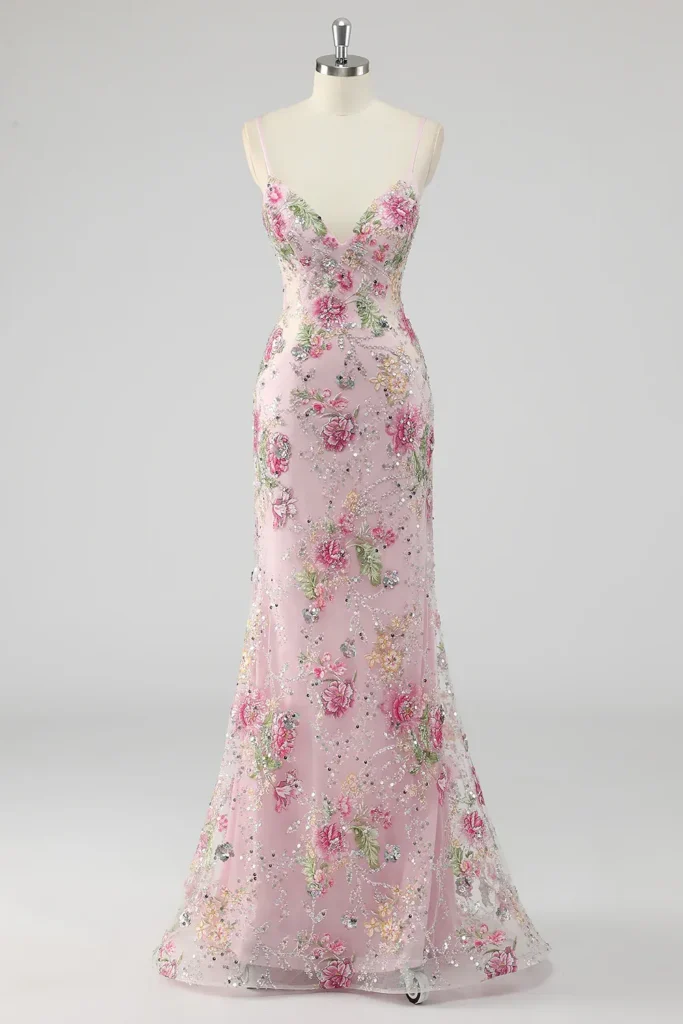
The strongest argument in ZAPAKA’s favor is the depth of its dress assortment. This is not a storefront where special occasion exists as a side category. It is the main event. Prom alone branches into new arrivals, in-stock styles, plus size options, sequined dresses, mermaid silhouettes, long gowns, tulle designs, floral prom dresses, and shorter looks. Bridesmaid shopping follows a similarly detailed structure, with dress groupings by year, price point, size range, and color family. Homecoming is broken out by fit, finish, and decorative trend, including corset styles, sequins, floral prints, ruffles, tiered looks, satin, lace, and off-the-shoulder options. The wedding side of the catalog extends beyond bridal gowns into mother-of-the-bride dresses, wedding guest dresses, flower girl dresses, junior bridesmaid looks, engagement dresses, and wedding party styling.
That taxonomy tells a lot about how ZAPAKA understands its customer. Occasionwear shoppers are not always starting with a designer name or a fashion concept. Often they start with the event itself, a dress code, a preferred color, or a trend they have seen on social media. ZAPAKA’s category structure meets that behavior effectively. A shopper can enter through “prom,” “bridal,” “formal,” or “vintage,” then narrow further into color, fabric, embellishment style, or price. This kind of navigation reduces friction, especially in a catalog with such a high number of visual options. It also makes the brand practical for comparison shopping. A customer choosing between a satin corset homecoming dress and a sparkly mermaid prom gown does not have to fight the site structure to see both.
Another notable strength is that ZAPAKA does not keep its inventory emotionally flat. The assortment leans into fantasy, celebration, and event identity. Vintage dresses, 1920s flapper-inspired looks, velvet collections, floral gowns, pageant dresses, masquerade dresses, and red carpet style pieces add drama to the catalog. This matters because occasion fashion is often aspirational. Shoppers are not only buying a garment. They are buying a mood, a look for photos, and a sense of standing out in a meaningful setting. ZAPAKA understands that emotional side of eventwear and builds its assortment around it.
At the same time, the breadth of the catalog can feel overwhelming for shoppers who want only a small, tightly edited collection. ZAPAKA is best for people who value choice, category specialization, and trend variety. For that audience, the dress selection is the brand’s clearest competitive advantage. It covers the major eventwear occasions, includes price-sensitive categories, and reaches from classic silhouettes to more decorative and theatrical styles. That is a strong formula for a retailer operating in the special occasion space.
Style Identity, Trend Direction, and the Visual Appeal of the Brand
ZAPAKA’s style identity is not subtle. It is expressive, celebratory, and trend-aware. The catalog favors dresses and outfits that are meant to be noticed in photographs, formal entrances, dance floors, bridal parties, and milestone events. Sequins, corset bodices, ruffles, floral embellishments, tiered skirts, tulle volume, satin finishes, mermaid cuts, beading, and statement colors all play major roles in the store’s visual language. That gives ZAPAKA a clear market position. This is a brand for shoppers who want an event look with presence. It is not aimed primarily at quiet luxury minimalism or understated capsule dressing. Its strength lies in statement occasionwear that feels tailored to celebration.
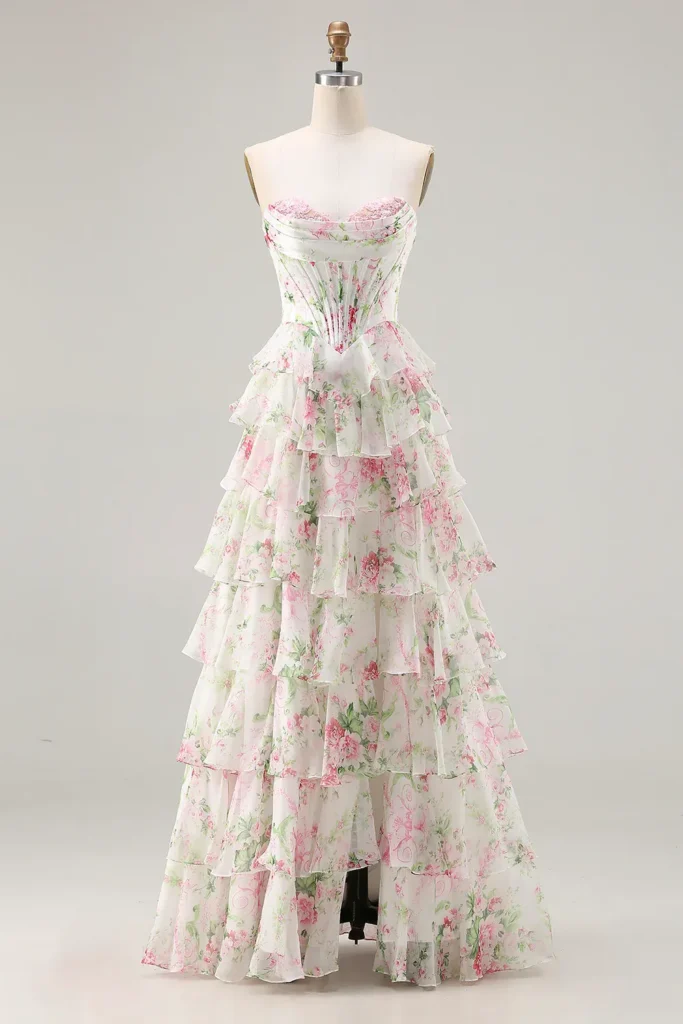
The trend structure on the site reinforces that identity. Rather than relying on broad generic labels alone, ZAPAKA actively highlights trend-led groupings such as bow-detail dresses, leopard dresses, velvet collections, polka dot dresses, sequined prom dresses, floral print homecoming dresses, and color-based prom and bridesmaid edits. There are also season and year signals like Spring 2026, Prom 2026, Bridesmaid 2026, and Homecoming 2026. Those cues create the feeling of an actively merchandised fashion destination rather than a static archive of occasionwear basics. For shoppers who care about what looks current right now, that matters. The store communicates that it is tuned into recurring seasonal demand and style cycles.
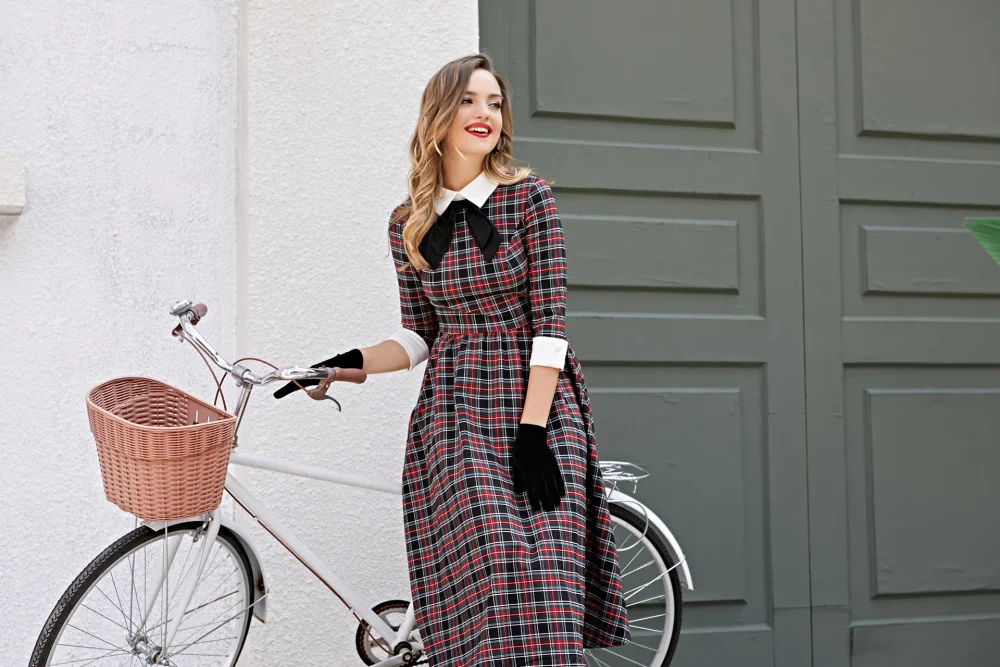
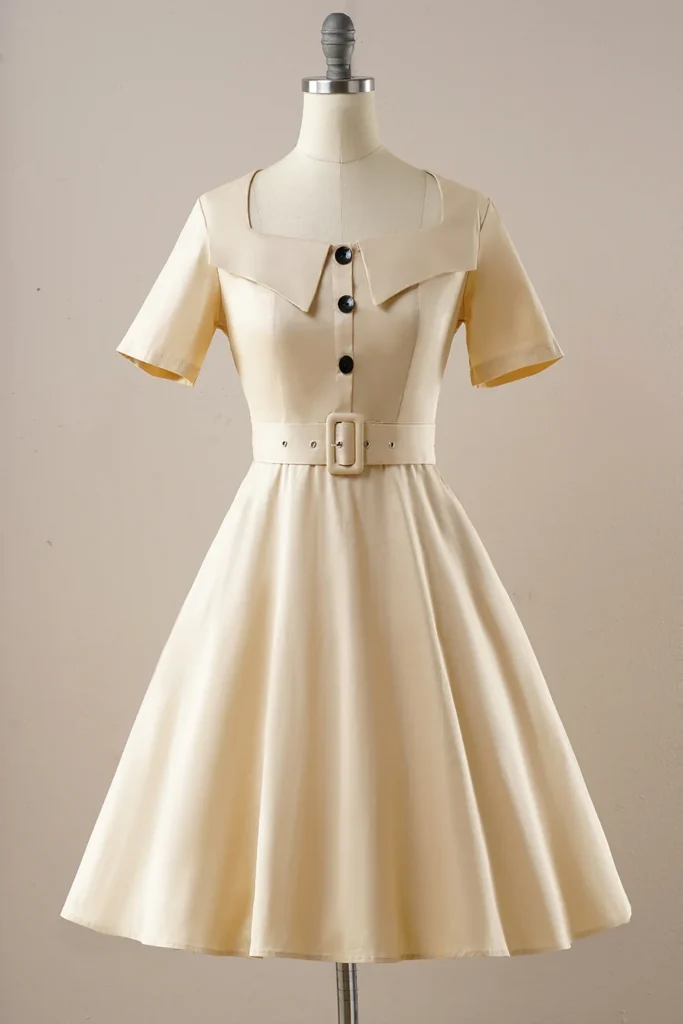
Vintage is another important part of the brand’s visual identity. ZAPAKA does not treat retro dressing as a novelty add-on. It gives meaningful space to 1920s dresses, 1950s dresses, flapper-inspired looks, and related accessories such as petticoats. That expands its audience beyond prom and wedding shoppers into costume-adjacent eventwear, themed parties, and customers drawn to feminine silhouettes with period styling. This category extension makes the brand feel more versatile. It can serve the shopper who wants a glittering prom gown, but it can also serve someone who wants a tea-length vintage dress or a themed special occasion outfit.
Visually, that produces a catalog with strong browse appeal. There is enough range for different personalities, but the overall message stays consistent. ZAPAKA sells event fashion that aims to look polished, festive, and memorable. That clarity is useful because special occasion shopping often starts with a feeling before it becomes a technical purchase decision. The brand’s visual approach supports that journey well. It gives shoppers enough fantasy to feel inspired, while still grounding the shopping experience in recognizable event categories and practical filters. That balance between excitement and structure is one reason the brand works.
Pricing, Value, and Who Gets the Most From Shopping Here
ZAPAKA makes a strong value case by sitting in a fashion tier that feels more accessible than luxury formalwear while still promising a broad range of event-specific designs. The homepage messaging highlights entry pricing from $59, and the catalog includes multiple under-$100 pathways in categories such as prom, bridesmaid, homecoming, and party dresses. That matters because occasionwear can become expensive fast, especially when a customer also needs shoes, jewelry, shapewear, jackets, or coordinated group looks. ZAPAKA’s merchandising suggests an attempt to keep event dressing within reach for shoppers who want visual impact without automatically stepping into premium bridal-salon pricing.
This value proposition is especially relevant for younger shoppers and event-driven buyers. Prom customers, homecoming shoppers, bridesmaids, and wedding guests often work with a budget ceiling. They want photos, fit, and trend appeal, but may not want to spend several hundred dollars more than necessary. ZAPAKA responds to that need with budget categories, sale areas, flash sale items, final sale sections, and broad assortment depth across price bands. The brand is not selling the idea of rarity above all else. It is selling style variety and occasion readiness at relatively approachable price points.
Value, however, should not be confused with zero-risk convenience. The site’s policies make it clear that occasionwear here often operates within made-to-order and policy-driven constraints. Standard sizes are treated as made-to-order in the returns language, and customized items are non-returnable. That means the real value equation depends on how confidently a shopper chooses size, color, and style. For a customer who knows what they want and is comfortable using measurement guides, ZAPAKA can offer strong eventwear value. For a hesitant buyer who likes ordering multiple versions and returning most of them, the model is less forgiving.
This is why ZAPAKA feels like a particularly good fit for shoppers who value assortment and price-conscious style, but who are also willing to shop carefully. The brand’s strongest audience likely includes prom shoppers, bridesmaids, partywear buyers, vintage event shoppers, and anyone building a special occasion outfit on a realistic budget. It can also appeal to wedding-related customers who want non-bridal event pieces without entering the full bridal boutique ecosystem. Overall, ZAPAKA’s value story is compelling because it offers breadth, styling variety, and event-specific shopping tools at a price level that broadens access to occasion fashion. The tradeoff is that the customer should approach the purchase with attention, not impulse.
Customization, Tailor-Made Options, and Fit Considerations
One of the most interesting parts of ZAPAKA is its tailor-made service. This feature gives the brand more depth than a typical large catalog occasionwear store. Rather than limiting customers to standard browsing, ZAPAKA also offers a customization pathway where shoppers can submit inspiration images, discuss design requests, choose fabrics, colors, and sizes, and work toward a more personalized garment. The brand describes this as a co-creation process supported by designers and artisans, with steps that move from inspiration and communication to creation and quality-checked completion before shipment. That is a meaningful value add in the special occasion category, where fit and personal vision often matter more than in regular ready-to-wear fashion.
The customization system also reveals how ZAPAKA wants to position itself. It is not only a mass assortment retailer. It also wants to be seen as a problem-solver for shoppers who have a reference image, a dress idea, or a specific body-fit need that standard inventory may not fully cover. This is especially relevant for formal events, weddings, prom looks, and mother-of-the-bride or mother-of-the-groom outfits, where customers often want something more personal than a generic off-the-rack option. The site encourages users to send reference photos from magazines, online images, social media, or sketches, then work through the design brief with the team.
That said, customization raises the importance of careful ordering. ZAPAKA’s returns page states clearly that custom dresses are made specifically to the measurements provided and are not eligible for returns. The policy also notes limited alterations reimbursement for custom-size orders, which is helpful, but it does not erase the importance of getting measurements right at the start. This means the custom path is best for confident shoppers who are prepared to measure accurately, communicate clearly, and allow for a more deliberate ordering process.
Even outside the tailor-made service, fit is central to how shoppers should think about ZAPAKA. Occasionwear rarely behaves like casual clothing. Silhouette, bust structure, waist placement, hem length, and fabric behavior all affect the final look. ZAPAKA appears to understand that, which is why sizing, swatches, fabrics, and custom options are integrated into the broader shopping framework. For customers who take measurements seriously and approach the order as a planned purchase, this can be a major strength. The brand offers more fit-related pathways than many purely trend-driven dress stores. That makes ZAPAKA more useful for event shoppers who want style and a stronger chance at a body-specific result.
Shopping Experience, Site Structure, and Overall Usability
ZAPAKA’s shopping experience is designed for browse-heavy, category-driven discovery. That is the right model for this kind of fashion retailer. Special occasion shoppers often compare several aesthetics before deciding. They may begin with one event category, then switch to a different silhouette, color, or trend once they see what is available. ZAPAKA supports that behavior with layered navigation that organizes the catalog by event, fit, color, budget, trend, and related accessories. This reduces the feeling of randomness and helps the shopper narrow a very large assortment into something manageable. Prom, bridesmaid, homecoming, weddings, vintage, formal, and partywear are all given their own structured lanes, which improves browsing logic.
The site also does a good job of presenting fashion as a complete look rather than a standalone product. Matching accessories are surfaced alongside core dress categories. Shoes, jewelry, headpieces, shapewear, handbags, petticoats, and men’s accessories are woven into the site’s category ecosystem. This gives the experience more coherence and helps customers build an event-ready outfit without jumping immediately to another retailer. That can be especially useful in wedding-party contexts, prom styling, and vintage-themed dressing, where one missing accessory can weaken the whole look.
Another strength is that the site appears built for seasonality and recurring demand cycles. New In, year-marked collections, trending categories, and promotional groupings keep the storefront feeling active. Occasionwear shopping tends to spike around predictable event seasons, and ZAPAKA’s merchandising reflects that reality. By highlighting new arrivals, spring edits, and year-tagged collections, the brand frames itself as current rather than archival. That helps shoppers feel they are looking at relevant options for the moment.
Still, a catalog this large can feel busy. Customers who prefer a minimal interface or highly edited assortment may find the volume of categories, filters, and promotional groupings visually dense. ZAPAKA is most effective when approached as a destination marketplace rather than a boutique. That is not a weakness in itself, but it shapes who will enjoy the experience. The ideal user is someone who wants lots of choice and is willing to browse strategically. For that shopper, the site is functional, event-aware, and practical. It offers a strong structural framework for exploring occasion fashion without losing the context of price, styling add-ons, or fit pathways. In category terms, that makes ZAPAKA a capable and purpose-built shopping environment.
Shipping, Returns, and What Shoppers Should Understand Before Ordering
ZAPAKA’s policies are one of the most important parts of the review because they define the real shopping experience after checkout. The shipping page states that total delivery time is different from shipping time alone because orders go through processing and quality control before shipment. Standard shipping is listed at 6 to 10 business days, while expedited shipping is listed at 3 to 8 business days. The brand also notes that it does not ship to P.O. boxes and requires a physical address. Those are useful details for occasionwear buyers, especially because event clothing is highly date-sensitive. A dress that arrives late can miss the moment entirely, so this is a category where shipping clarity matters more than usual.
Returns are more restrictive, and shoppers need to take that seriously before ordering. The returns page says customers have 7 days from delivery to initiate a return. It also states that return shipping costs are the customer’s responsibility and that original shipping fees are generally not refunded. Certain product types cannot be returned, refunded, or exchanged, including clearance items, accessories, customized items, flash sale products, and certain promotional items. Personalized and personal care items such as earrings, lingerie, and swimwear are final sale for hygiene reasons. Final sale items and gift cards are also non-returnable.
The most significant policy point is that standard-size items are described as made-to-order in the returns language, and the site explicitly says it cannot support a buy-many-keep-one shopping pattern. That is a major distinction from mainstream fast fashion or general department store behavior. ZAPAKA is asking the customer to purchase with intent. There are also restocking fees for multi-item return behavior in some cases, according to the posted policy. Custom-size dresses are non-returnable, though the brand says limited alterations reimbursement is available for custom-size orders.
None of this makes ZAPAKA a bad option. It simply makes it a deliberate purchase environment. For shoppers who understand their measurements, know the event timeline, and are prepared to choose carefully, the policy structure is workable. For impulsive shoppers or those who rely on easy reverse logistics, the experience may feel less flexible. In a category like formalwear, that tradeoff is not unusual, but it is essential to understand. ZAPAKA can be a strong source for special occasion fashion, but success depends on treating the order as a planned event purchase rather than a casual try-on haul.
Pros and Cons of Shopping With ZAPAKA
ZAPAKA’s biggest advantage is its sheer range. Few occasion-focused retailers manage to cover prom, bridesmaid, wedding, homecoming, formal, cocktail, quinceañera, graduation, vintage, partywear, women’s suits, men’s formalwear, and matching accessories in one connected catalog. That makes the brand genuinely useful for shoppers who want options and do not want to build an entire event look across several stores. The navigation is event-specific, the categories are deep, and the styling direction is clear. For visual shoppers, it offers a lot to work with.
Another major positive is value. The site supports budget-oriented browsing through under-$100 categories, sale sections, and broad price variation across dress types. That helps open the door to formalwear for customers who want impact without luxury pricing. The custom and tailor-made pathway is another strength, especially for shoppers who have a precise vision or need a more personalized approach to fit and design. ZAPAKA also appears to think in complete-outfit terms, which adds convenience when accessories matter.
The main drawbacks relate to complexity and policy rigidity. Because the catalog is large, some shoppers may experience choice overload. Those looking for a smaller, highly curated edit may find the site too dense. More importantly, the returns structure is not built for carefree over-ordering. The return window is short, return shipping is customer-paid in general cases, and multiple categories are excluded from returns. Custom dresses are non-returnable, and the site strongly discourages buy-many-keep-one behavior. That means customers need to approach the purchase with more discipline than they might at a mainstream apparel retailer.
Pros
Cons
Taken together, the pros and cons show a brand with real strengths but clear shopping expectations. ZAPAKA works best when used strategically. Customers who plan ahead, measure carefully, and know their event needs are likely to get the most from the experience.
Final Verdict: Is ZAPAKA a Good Brand for Special Occasion Fashion?
ZAPAKA succeeds because it understands the psychology and logistics of occasionwear. People shopping for prom, weddings, bridesmaid dresses, homecoming, formal parties, and themed events are not just looking for clothing. They are looking for confidence, event relevance, styling cohesion, and a look that feels memorable in person and in photos. ZAPAKA builds its business around that need with a catalog that is broad, trend-conscious, and designed to support many different dress goals. Its strongest assets are category depth, visual diversity, accessible pricing, and a shopping structure that supports outfit planning rather than random browsing.
The brand is particularly compelling for customers who want variety. A shopper can search within prom, compare homecoming trends, explore bridesmaid color stories, browse wedding-party categories, experiment with vintage aesthetics, or move into accessories and men’s formalwear without leaving the ecosystem. That kind of breadth is useful. It saves time, gives more styling control, and makes ZAPAKA feel like a true special occasion destination instead of a store with a few dress sections attached. The custom pathway adds another layer of appeal for shoppers who want a more personal fit or a design reference brought to life.
The brand is not ideal for every shopping style. It requires more purchase discipline than a casual apparel site. Shipping and quality-control timing matter, return conditions are stricter than many customers may expect, and custom or sale-related categories carry meaningful limitations. But for eventwear, that tradeoff is understandable. The best ZAPAKA customer is someone shopping with a purpose, a timeline, and a willingness to measure carefully and choose intentionally.
Overall, ZAPAKA is a strong option in special occasion fashion because it delivers what many event shoppers actually need: selection, style range, visual excitement, and multiple ways to build a polished look at a more approachable price level. It is not a minimalist boutique and it is not a no-risk try-on retailer. It is a full-scale occasionwear marketplace with serious category breadth and a clear point of view. For the right shopper, that makes it a very useful brand and, in many cases, a smart place to start the search for an event-ready look.