
Cruise America Review: A Practical, Network-Driven Way to Rent a Class C Motorhome

25% off Time & Mileage
×Winter and spring are the two seasons where an RV rental can feel less like “roughing it” and more like a smart travel hack. Winter is all about following mild weather. Think deserts, coastal routes, and Southern states where daytime temps stay comfortable, campgrounds have availability, and sightseeing feels better without summer heat. Spring is the classic shoulder season: longer daylight, greener landscapes, and often fewer crowds than peak summer. Cruise America’s value in these windows comes down to two things: standardization and flexibility.
The company specializes in self-contained Class C motorhomes that combine driving, sleeping, cooking, and bathroom needs in one vehicle. That matters more in winter and spring because weather can change quickly and lodging flexibility becomes a comfort feature. If a cold front rolls in or rain shifts the itinerary, a self-contained setup keeps the trip moving. Cruise America also leans into one-way travel, which is ideal for seasonal routes. Winter road trips often start in colder cities and end in warmer ones. Spring trips often run point to point for national park circuits or spring break loops. When the return drive is removed from the plan, the trip feels more like a journey and less like a logistical chore.
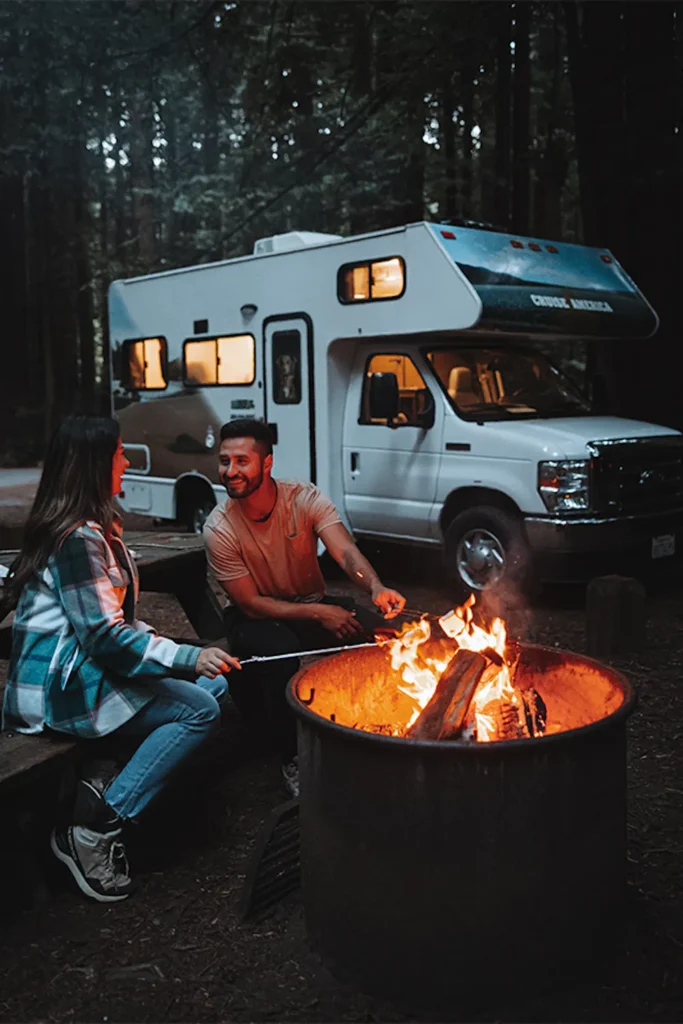
Fleet overview for seasonal travel: picking the right size for comfort and drivability
Cruise America’s fleet is built around Class C options that cover a practical range of group sizes and trip styles. For winter and spring travel, the decision is rarely just about sleeping capacity. It is about how the RV will be used day to day. A shorter unit can make spontaneous city stops and trailhead parking more realistic. A longer unit can make rainy days, cold evenings, and longer stays far more comfortable.
Smaller layouts, including compact options, tend to be a strong fit for couples, solo travelers, or duos planning a winter “go where it is warm” route. These trips often involve more frequent driving days and more spontaneous stops. A compact footprint reduces stress at fuel stations, grocery runs, scenic pull-offs, and mixed-use campgrounds.
Mid-size options are often the sweet spot for spring travel when friends or family are traveling together. Spring break and spring weekends can feel busy, and having enough space for people to move, store gear, and maintain a clean interior makes the trip smoother.
The largest options are most useful when the RV is the destination itself. For example, a spring break trip where the group plans to hang at the campsite, cook together, and use the RV as a home base benefits from added interior space. Bigger units can also reduce “bed conversion fatigue,” which is a real factor when multiple people share a small space for several nights.

Winter travel playbook: warmth, winterization, and smart route planning
Winter RV travel is absolutely doable, but it rewards preparation. Cruise America publishes winter camping guidance that aligns with the realities of rental RV life: heat management, insulation tricks, and water-system protection. The simplest winter advantage is route design. Many winter trips are not about enduring freezing temperatures. They are about avoiding them. A winter itinerary that focuses on desert parks, Southern coastal areas, and sunbelt cities turns the RV into a comfortable rolling cabin rather than a cold-weather experiment.
For travelers who do encounter freezing conditions, the biggest issue is water. Cruise America notes that between mid-October and March, RVs in cold weather regions are “dry” winterized when temperatures reach or drop below freezing. Dry winterization is important because it helps prevent freeze damage, but it changes how the RV can be used. Winterized units may not support normal freshwater system use in the same way a de-winterized RV does. That means a winter renter should plan for a “dry camping” style approach if picking up in a cold region: use jugs for water, rely more on campground facilities where available, and prioritize routes that minimize overnight freezing exposure.
Comfort also comes down to small decisions: rugs for floor insulation, sealing drafts at windows, using warm bedding, and running heat responsibly. The furnace is not only a comfort tool. In freezing conditions it can help protect internal components from freezing. Winter driving also has its own checklist: avoid mountain passes during storms, allow longer braking distance, and keep emergency supplies accessible. Winter RV travel can be peaceful and scenic, but it is best when it is planned as a comfort-forward trip rather than a test of toughness.
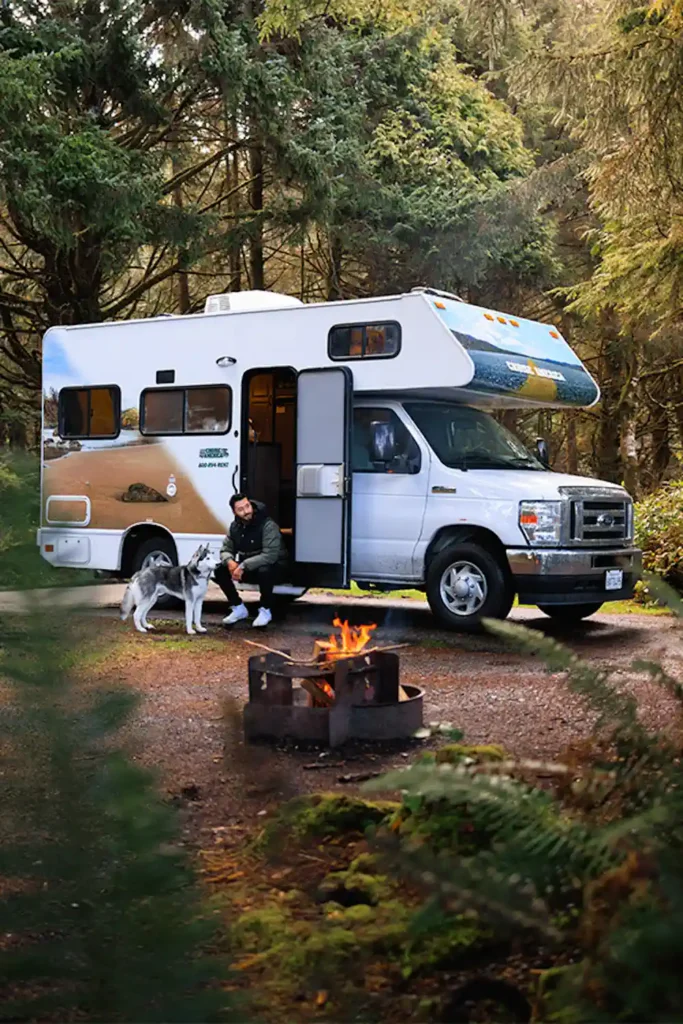
Spring travel angles: spring break routes, greener scenery, and shoulder-season advantages
Spring is one of the easiest seasons to fall in love with RV travel. The days get longer, the air feels lighter, and destinations that are packed in summer can be surprisingly calm. Cruise America’s trip inspiration content leans into exactly what makes spring special: the return of greenery in mountain regions, the drama of snowmelt-fed waterfalls, and the simple comfort of hiking and sightseeing without oppressive heat.
Spring break is the obvious headline. An RV trip can turn spring break into a flexible itinerary rather than a single expensive destination. Instead of paying peak airfare and hotel rates, travelers can build a route that blends national parks, beaches, and small towns, then adjust in real time based on weather and mood. Spring also supports “micro-season” travel. Early spring is great for the South, desert parks, and lower elevations. Later spring opens up more mountain routes as snow clears and campgrounds become more accessible.
A practical spring advantage is budgeting. Cruise America notes that spring demand can be lower than summer, which is one reason spring break road trips can feel more affordable than peak-season travel. Add in the ability to cook in the RV and avoid restaurant-heavy travel days, and spring can become the season where an RV trip finally feels like a financially smart choice.
Spring also has its quirks: muddy trails, lingering snow at elevation, and fast weather swings. The best spring RV trips build in flexibility. A one-way plan can be especially useful here. If a region is hit with late snow or heavy rains, the route can shift without forcing the group to backtrack to the start.
Promotions and seasonal deals that matter right now
Cruise America’s seasonal value gets much stronger when promotions are used correctly. Several current deal structures are especially relevant for winter and spring planning.
One major headline promotion is “Cruise in to 2026,” which advertises 25% off time and mileage for departures in 2026. This kind of discount is useful because it targets the two categories that typically drive the final total. It also supports one-way rentals, which pairs perfectly with seasonal travel where the trip naturally ends somewhere different.
Cruise America also runs one-way specials designed to reposition RVs between regions. These specials can be discounted by as much as 95% off time and mileage and are presented as not being subject to normal one-way drop-off fees. For winter and spring travelers, this can be a game changer. Repositioning needs often line up with seasonal migration patterns, which means there may be deals that support warm-weather routes or spring transitions.
In addition, the rental deals page commonly lists specific relocation offers such as low nightly rates on particular routes. Examples include deals like relocation out of Phoenix at a very low nightly price, plus relocation deals to Phoenix and to Orlando at discounted nightly rates. These are especially relevant for winter sun chasing and spring break travel, since Arizona and Florida are classic seasonal destinations.
For longer seasonal trips, Cruise America offers a long-term rental discount: 21 to 30 nights can receive 5% off nightly rate and mileage charges, and 31 nights or longer can receive 10% off nightly rate and mileage charges. That aligns well with snowbird-style winter travel or extended spring road trips.
Finally, there is also a new vehicle relocation-style deal that typically requires a specific booking process, includes a nonrefundable reservation deposit and a refundable security deposit at pickup, and may not be combinable with other promos. The key takeaway is simple: Cruise America’s deal ecosystem is real, but it rewards flexibility. Travelers who can adjust route and timing often capture the biggest savings.
How the pricing works: mileage, generator charges, and the real cost drivers
Cruise America’s pricing is most accurately understood as a system with a few predictable levers. The nightly rate is only part of the equation. Mileage is a major component, and the company explains its mileage fee structure clearly: the mileage rate is 39 cents per mile, charged on a per-night basis. The estimated mileage charge is based on 100 miles per night for local rentals or 250 miles per night for one-way rentals. At the end of the rental, the mileage estimate is reconciled, which can result in a refund for unused miles or an additional charge for miles beyond the estimate at a stated per-mile rate.
This model affects how winter and spring trips should be designed. Winter routes often include long driving days to reach warm weather faster. Spring break routes can include frequent detours and scenic byways. Under a mileage-based model, detours are not “free,” so route discipline matters. A trip can still be worth it, but planning becomes part of the savings.
Generator use is another cost driver, especially in warm destinations or when boondocking. Cruise America states a generator charge of $3.50 per hour, determined by an installed running-time meter. The generator is typically needed for coach air conditioning, microwave use, and electrical outlets. For winter trips, generator use may be less frequent unless the route is warm and air conditioning is used. For spring trips, it depends on climate and whether campgrounds have hookups.
Other common add-ons include kitchen and bedding kits for travelers who do not want to pack everything, plus potential cleaning or dumping fees if the RV is not returned in good condition or tanks are not properly handled. The brand’s system is predictable when these categories are accounted for upfront.

One-way travel and trip planning tools: building a seasonal route that feels easy
Cruise America is built for point-to-point travel. The brand highlights an extensive one-way network and promotes pre-approved one-way options. This is a strong match for winter and spring trips where the route naturally ends somewhere else. A winter traveler might start in a colder city and finish in the Southwest or Florida. A spring traveler might run a national park loop that ends near an airport hub for a flight home. One-way rentals can reduce wasted days, reduce fatigue, and improve the “vacation density” of the itinerary.
Trip planning support is also part of the company’s ecosystem. Cruise America offers an RV trip planning tool that generates RV-focused itineraries based on interests and route preferences, including campground suggestions. For seasonal travel, this kind of tool can be useful for quickly mapping realistic overnight distances, identifying campground clusters, and creating a route that matches weather patterns.
Cruise America also emphasizes traveler support and booking convenience, including instant booking and 24/7 assistance messaging across its broader platform experience. Seasonal travel benefits from this because winter and spring are the seasons where weather disruptions are more likely. When plans shift, the best RV trips are the ones that can adapt quickly. The combination of one-way flexibility, a large network, and trip planning resources is what makes Cruise America particularly relevant for winter and spring travelers who want a structured experience without having to become RV experts overnight.
Seasonal packing and day-to-day living: what makes the experience smoother
A Cruise America trip is won or lost in daily rhythm. Winter and spring travel bring different needs, and packing accordingly improves comfort fast. In winter, insulation and warmth are the priorities even when chasing mild climates. Nights can still drop in temperature in deserts and mountain-adjacent areas. Thermal layers, warm socks, and bedding designed for cool nights are more important than extra outfits. Simple interior comfort upgrades like throw rugs and draft management can noticeably improve the feel of the RV.
In spring, the focus shifts to versatility. Spring weather can change quickly. A packing plan should cover cool mornings, warm afternoons, and wet conditions. Waterproof shoes, layers, and a plan for muddy gear storage help keep the RV livable. Spring also tends to mean more outdoor time, so folding chairs, day packs, and easy-to-grab snacks matter more.
The practical day-to-day advantage of Cruise America’s self-contained Class C model is that it supports multiple travel styles. Hookup camping is the easiest for climate control and power. Boondocking is possible for short stretches, but it works best with smart battery and generator habits. A seasonal strategy often blends both: use hookups for comfort nights and boondock when the destination calls for it.
Finally, driving comfort is part of daily life. A Class C RV requires a calmer approach: wider turns, careful clearance awareness, and planning fuel stops with easy access. For winter and spring travel, this is another reason one-way routes shine. The trip can be paced in a way that feels comfortable, not rushed.
Used RV sales: a path from seasonal rental to ownership
Cruise America also sells used motorhomes from its former rental fleet, which creates an interesting “try it before you buy it” path into ownership. For winter and spring travelers who rent and realize the RV lifestyle fits, buying used can be a practical next step. A used fleet vehicle is not for shoppers chasing boutique interiors, but it can appeal to buyers who prioritize function, predictable maintenance history, and a lower entry price.
The sales program typically includes standard used units as well as pre-reconditioned specials that cater to DIY-minded buyers who want a lower cost and are comfortable handling cosmetic work or upgrades themselves. This is especially relevant for seasonal travelers. Winter travelers often discover they want more freedom than hotels allow. Spring travelers often realize that road trips feel better when lodging is not the limiting factor. A used RV purchase can turn those seasonal habits into a lifestyle choice.
For buyers, the smartest approach is to treat a rental trip as a research phase. Learn what layouts feel comfortable, how much storage is really needed, how often hookups are used, and what kind of driving footprint feels manageable. Cruise America’s rental lineup and sales channel connect logically. Rent in winter or spring when travel conditions are favorable, then decide if owning makes sense.
Pros and cons of Cruise America for winter and spring travel
Pros
Discounts like 25% off time and mileage for 2026 departures, plus one-way specials that can dramatically reduce time and mileage costs, give real leverage for winter and spring planners who can be flexible.
Seasonal trips often have natural start and end points in different places. One-way rentals remove backtracking and increase route efficiency.
Having a bathroom, shower, kitchen basics, and climate control onboard matters more in winter and spring when weather can change quickly.
Predictable layouts reduce the learning curve. This is valuable for first-time renters planning a spring break trip or a winter escape.
Cons
Scenic detours and spontaneous side trips can increase the total quickly. The best value comes from a route that is planned realistically.
At an hourly rate, heavy generator use can become a meaningful extra expense, especially in warm destinations that require air conditioning.
In cold regions during winter months, dry winterization may affect access to the RV’s water system, requiring travelers to plan accordingly.
The brand focuses on function and availability. Travelers expecting premium finishes and boutique styling should keep expectations aligned with a durable rental interior.
Final verdict: who should rent Cruise America this winter or spring
Cruise America is a strong choice for travelers who want an RV trip that feels structured, practical, and seasonal-ready. Winter travelers benefit most when they plan a warmth-forward route, use one-way travel to avoid unnecessary return drives, and take advantage of relocation-style specials when available. Spring travelers benefit from shoulder-season pricing dynamics, flexible spring break route planning, and the ability to chase scenery at its best without committing to a single expensive destination.
The strongest Cruise America trips have a few common traits: a route designed with mileage costs in mind, a campground strategy that balances hookups and boondocking, and a seasonal comfort plan that matches real weather conditions. When those pieces come together, a Cruise America rental becomes more than transportation. It becomes a mobile basecamp that supports winter escapes, spring break memories, and the kind of travel freedom that is difficult to replicate with flights and hotels.
If the goal is a winter or spring road trip with real flexibility, a self-contained Class C motorhome from Cruise America is one of the more direct ways to do it, especially when current promotions are used intelligently.