
House of Bruar Review: A Deep Dive Into Scotland’s Country-Living Emporium

The House of Bruar is a luxury country-lifestyle destination that focuses on heritage clothing, outdoor wear, footwear, home goods, gifts, and a substantial Scottish food and drink offering. It operates as both an online shop and a physical destination in Blair Atholl, in Scotland, with the broader complex extending beyond retail into dining and visitor experiences.
This distinction matters because it changes what “value” looks like. The evaluation is less about clinical ingredient panels and more about materials, craftsmanship, fit, brand curation, durability, and service policies. The brand’s identity is rooted in Scottish-made and British-heritage categories such as cashmere knitwear, tweed tailoring, and traditional country layers, while also carrying modern outdoor labels and a broad range of accessories.
For shoppers who want a one-stop site for countryside styling and Scottish gifts, the assortment is unusually broad. It is designed for people who appreciate classic materials, practical outdoor performance, and a cohesive aesthetic that feels tied to place rather than trend.

Heritage, Sense of Place, and Why It Became a Destination
The House of Bruar’s appeal is tied to its destination story. It opened in the mid-1990s and grew into a well-known stop for travelers moving through Highland Perthshire, combining retail with food, art, and on-site experiences. The setting is part of the product. The broader area is associated with scenic walks, including the Falls of Bruar, which reinforces the brand’s “country living” identity in a way that pure ecommerce stores cannot easily match.
That destination energy also explains the range. A store built to keep visitors engaged tends to expand into complementary categories: clothing for the outdoors, refined pieces for dinners and events, gifts that travel well, and food hall items that feel local and memorable. Bruar leans into that formula with clear Scottish cues, from tweeds and tartans to food and drink gifting.
The result is a brand that sells more than products. It sells a cohesive idea of “best of Scotland” shopping, with enough depth that someone can build an entire wardrobe ecosystem, plus pick up giftable pantry items, without bouncing between multiple retailers.
Clothing: Country Classics Done With Real Range
The clothing selection is the core of the business, and it spans both heritage staples and contemporary outdoor pieces. On the heritage side, the catalog leans heavily into cashmere, wool knitwear, and tweed tailoring. The site highlights cashmere knitwear and Harris Tweed style categories, with a focus on fabrics and traditional construction that suit colder climates and country settings.
On the practical side, the brand mix suggests an attempt to cover real-world wear scenarios: outerwear that works for weather, layers that are comfortable indoors, and footwear that supports walking and travel. The breadth of listed brands, from heritage country labels to modern outdoor names, signals that this is less a single-label fashion house and more a curated department store for country living.
What stands out is the way the collection supports building outfits rather than one-off purchases. Tweed coats and jackets pair naturally with knitwear, boots, and accessories, and the store’s navigation encourages that wardrobe logic.
For shoppers, the upside is selection and coherence: the site makes it easy to shop a style identity. The tradeoff is that this is premium retail. Materials like cashmere and well-made tweed are not budget categories, and the brand’s value proposition leans on quality and longevity more than discount pricing.
Tweed, Cashmere, and the Craftsmanship Story
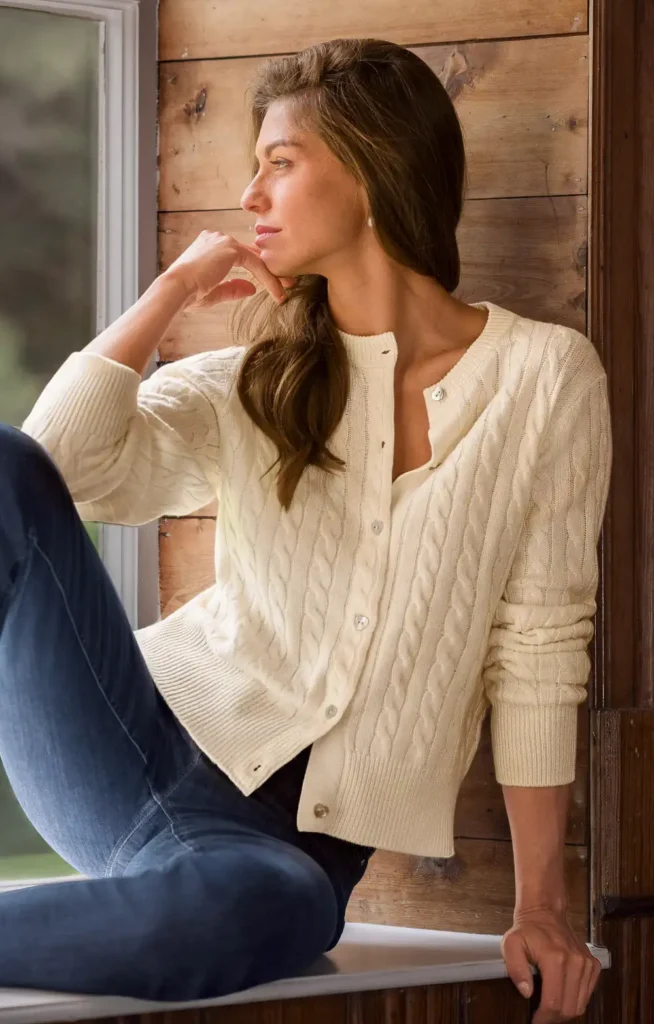
If there is a single “signature” thread running through The House of Bruar, it is natural-fiber, heritage material culture. Cashmere, wool, and tweed are not treated as occasional highlights. They are central pillars. The store explicitly foregrounds cashmere knitwear and tweed tailoring as anchor categories, connecting style to Scottish and British textile tradition.
In practical terms, this matters for performance. Tweed and wool are naturally insulating, breathable, and suited to variable weather. Cashmere can be warm without feeling bulky, especially when used for mid-layers that need to sit comfortably under coats. These are fabrics that reward good construction: clean seams, reliable lining, strong buttons, and a cut that holds shape over time.
Bruar also leans into “buy better, buy less” logic, explicitly framing durability and long-term wear as part of the shopping philosophy. That mindset resonates with shoppers who are tired of disposable clothing cycles and want pieces that can be worn season after season without looking dated.
The key point is not trendiness. It is confidence. A great tweed coat, a well-cut wool blazer, or a properly spun cashmere sweater tends to look right for years. For many shoppers, that is the real luxury.
Footwear and Outdoor Gear: Built for Real Use
A country-lifestyle retailer succeeds or fails on whether it respects practicality. The House of Bruar’s footwear and outdoor mix is designed to handle actual terrain and weather, not just look good in photos. The brand roster includes well-known outdoor and country footwear names alongside clothing brands associated with field and travel use, signaling that the store expects customers to walk, hike, and move, not simply lounge.
This category also functions as a “gateway” for new customers. Someone might not be ready to invest in cashmere knitwear or a tailored tweed coat, but footwear and weather-ready layers feel like sensible notice-me purchases. Boots, outerwear, and performance-oriented pieces also have a clear purpose, which makes the premium pricing easier to justify when the product solves a real problem like wet conditions or cold wind.
The most persuasive value here is ecosystem shopping. Bruar makes it simple to assemble a functional kit: base layers and knits, a protective outer layer, sturdy footwear, plus accessories like gloves and hats. That “complete outfit” structure is exactly what a destination retailer is supposed to do well.
For buyers who live in cooler climates, or who travel to places where weather shifts quickly, this category may be the most immediately useful part of the catalog.
Food Hall and Scottish Pantry: Gifts, Treats, and Travel-Friendly Favorites
The House of Bruar is unusually strong in food and drink for a clothing-led retailer. The Food Hall spans multiple departments, including delicatessen, bakery, pantry goods, and drinks, with a clear emphasis on Scottish specialties and giftable formats.
The deli side highlights a broad assortment of cheeses, meats, and other specialty foods, which fits the brand’s “country living” theme and makes the store feel like a full-day stop rather than a quick browse. The pantry department extends that with items like jams, chutneys, honey, seasonings, and spreads, the kind of products that pack well and feel personal as gifts.
There is also a dedicated whisky section positioned as an online whisky shop with a range of single malts from multiple Scottish regions. Even if whisky is not on the shopping list, its presence reinforces the store’s “Scotland in a basket” identity.
Important note for some readers: alcohol is part of the offering. If that category is not relevant or not desired, the Food Hall still has plenty of non-alcohol gift options, and the pantry and deli selections remain the more universally useful areas.
Art, Dining, and the Full Experience
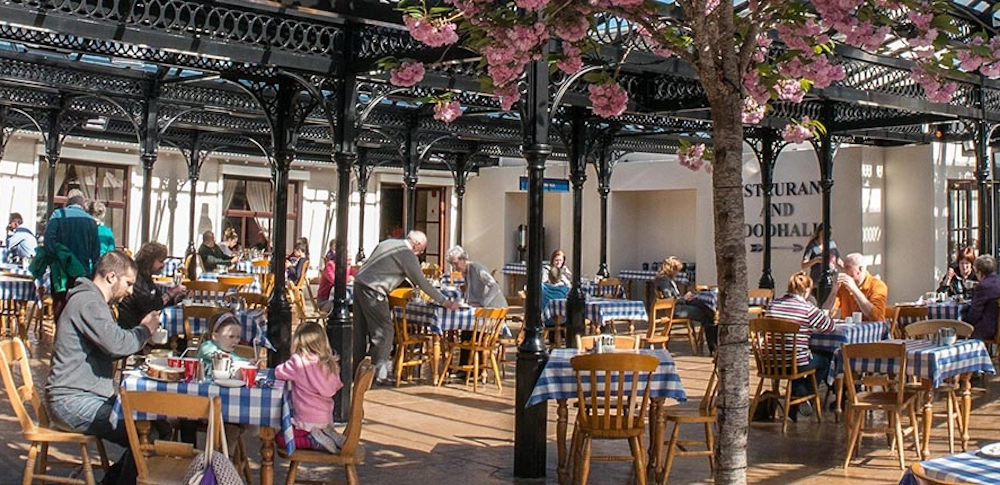
Bruar is not just “a website with products.” The physical site includes a restaurant and an art gallery, which makes it feel like a day-trip venue as much as a store. The restaurant operates seven days a week and is designed as a self-service space with a conservatory-style setting. It also notes allergy discussions with staff as part of the dining approach.
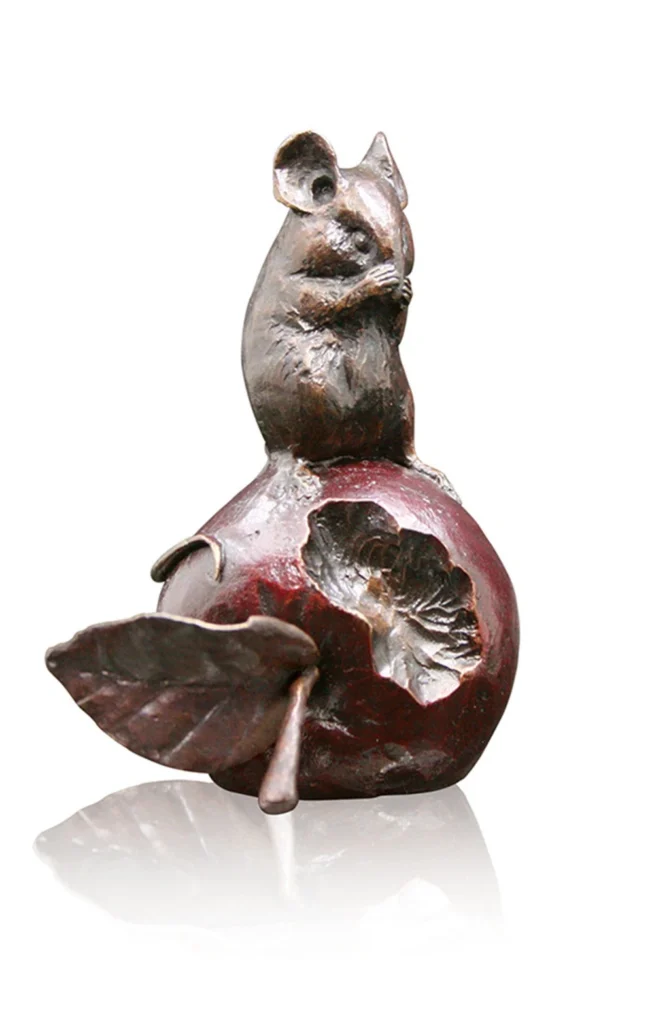
The art gallery adds another layer, focusing on Scottish landscape-oriented themes and pieces associated with rural Scotland. That fits neatly with the brand’s visual language: textiles, countryside, wildlife, and a sense of place.
This matters even for online shoppers because it signals brand intent. A retailer that invests in a gallery and restaurant is leaning into long-term relationship building and destination status. It is not trying to win on flash sales alone. That typically correlates with a stronger emphasis on experience, service, and curation.
For travelers, it also means the store can be part of a Highlands itinerary rather than just a retail errand. That is a different kind of value, one that blends shopping with atmosphere and memory-making.
Ordering, Delivery, Returns, and Customer Experience Policies
Premium retail needs dependable logistics. The House of Bruar provides structured guidance around returns and refunds, with time windows and processing expectations that match standard apparel ecommerce. The returns content notes processing time after the parcel is returned, and the FAQs emphasize returning items in original condition with labels intact within a defined timeframe.
For U.S. and international customers, there is also dedicated information that suggests region-specific handling, including the ability to generate an international returns label with return costs handled through deductions depending on the process used. The terms language also highlights conditions under which original delivery charges may or may not be refunded, which is a common friction point in online shopping.
On the customer confidence side, the brand publishes customer review content that frequently highlights navigation, product quality, and service responsiveness, offering social proof that the experience can be smooth when expectations are aligned.
The practical takeaway is straightforward: this is a well-developed ecommerce operation, but shoppers should still read the region-specific returns and delivery rules before ordering, especially for international shipping and partial-order returns, where costs and refunds can differ.
Sustainability, Accessibility, and the “Buy Less, Buy Better” Logic
The House of Bruar ties sustainability to operational choices and customer options rather than vague slogans. Its sustainability content references packaging shifts toward recyclable materials and reducing food waste through tighter ordering and composting practices. It also offers an optional carbon-neutral delivery add-on tied to tree planting in the Scottish Highlands and carbon credit retirement through a defined program structure.
Equally important is the sustainability argument implied by product strategy. A retailer focused on durable natural fibers and classic designs is aligned with longer wear cycles, which can reduce the churn of frequent replacement. The brand’s own “slow fashion” framing reinforces that longevity is part of the intended value.
Accessibility also shows up as an explicit theme. The site discusses making the experience welcoming and accessible, reflecting attention to customer needs beyond pure merchandising.
None of this makes the store perfect, and sustainability is always a spectrum in retail. Still, the combination of operational steps, optional delivery offsets, and a product mix built around long-wear materials creates a more credible framework than the typical fast-fashion playbook.
Pros and Cons
Pros
Natural fibers and classic textile categories dominate the assortment, which supports warmth, longevity, and timeless styling.
The catalog covers refined tailoring and practical outdoor layers, making it easier to build complete outfits in one place.
Deli and pantry departments broaden the appeal for gifting and Scottish specialty shopping, not just apparel.
The broader offering makes the brand feel like a full experience, not just a transactional shop.
Returns, FAQs, and terms are spelled out, and published customer feedback often points to solid service experiences.
Cons
Anyone expecting vitamins, protein powders, or nutrition capsules will not find that category here. The value is lifestyle retail, not supplementation.
Cashmere and quality tweed cost more by nature, so this is not the best match for bargain-first shopping.
International returns and delivery-charge refund rules can be nuanced, so shoppers need to read the relevant policy pages before ordering.
The strength of variety can also make decision-making harder, especially for shoppers who want a tightly edited selection.
Final Verdict: Who Should Shop The House of Bruar
The House of Bruar makes the most sense for shoppers who want high-quality country clothing, heritage textiles, and Scotland-forward gifts in one place. It is especially compelling for buyers who value natural fibers, classic silhouettes, and pieces that can anchor a wardrobe for years. Tweed outerwear, wool layers, and cashmere knitwear are not trend-chasing purchases. They are long-haul investments, and this retailer is built around that mentality.
It is also a strong option for gifting. The Food Hall and pantry departments bring in an entirely different kind of shopper, including people who want to send Scottish specialty foods or assemble holiday-ready bundles without hunting across multiple sites.
Where it does not fit is straightforward: shoppers looking for health and nutrition supplements should look elsewhere. This is a luxury country-living emporium, not a nutrition brand. If the goal is better layering, better materials, and a more elevated country wardrobe, it delivers. If the goal is capsules and clinical supplementation, it is the wrong category entirely.