
True Nature Meats Review: Chef-Seasoned, Ready-to-Serve Meats Built for Fast, High-Quality Meals

35% Off First Time Subscription Order + Free Meat For Life
× True Nature Meats positions itself at the intersection of premium sourcing and real-world convenience. The core promise is straightforward: chef-seasoned meats that are designed to go from fridge or freezer to the table quickly, without asking home cooks to start from scratch. Most items are fully cooked, seasoned, vacuum-sealed, and flash-frozen, so the typical flow is heat, serve, and eat. Steaks are the notable exception, arriving rare and meant to be finished at home to the desired doneness.
The “service” aspect is just as important as the product itself. Instead of selling raw cuts that require trimming, marinating, and timing-heavy cooking, the brand leans into recipe-driven proteins that behave more like a meal component. The menu emphasizes globally inspired flavors and traditional recipe styles, which matters because it turns protein into the anchor of dinner rather than just an ingredient. For households that want higher-end meat options while reducing weekday cooking complexity, the model is intentionally simple: pick proteins, keep them stored safely, reheat using easy methods, and build meals around them with minimal prep. It is designed for speed, consistency, and low effort without sacrificing the feeling of a complete meal.

Sourcing and Standards: How the Brand Describes Quality
True Nature Meats ties its identity to long-term sourcing experience and a supply chain background that historically served restaurants and culinary institutions. The brand frames its offerings as a direct-to-consumer extension of that experience, aiming to deliver restaurant-minded proteins to home kitchens without the usual barriers of specialized prep.
From a sourcing footprint perspective, the company describes a mix of domestic and global partners. It highlights sourcing from ranches across the Intermountain West and also references international regions known for beef and lamb production. The purpose of this approach is flexibility, allowing the brand to offer multiple cuts, varied origins, and different eating experiences while keeping quality consistent across shipments.
Quality language often blends grade and husbandry claims. Beef is positioned around strong eating quality, while many offerings are described using pasture-raised or free-range terminology. As with many premium meat brands, the messaging emphasizes both flavor and sourcing standards to appeal to customers who care about taste, consistency, and how animals are raised. The overall positioning suggests an effort to provide a dependable upgrade over commodity grocery options while still keeping ordering and cooking easy for everyday households.
Product Lineup: Beef, Chicken, Pork, and Steak-Forward Variety
True Nature Meats is not limited to a single protein or one style of cut. The lineup spans beef, chicken, and pork, with a noticeable emphasis on steak options and brisket-style items. This variety supports a broad range of meal formats, from quick bowls and wraps to weekend plates that feel more like a restaurant dinner.
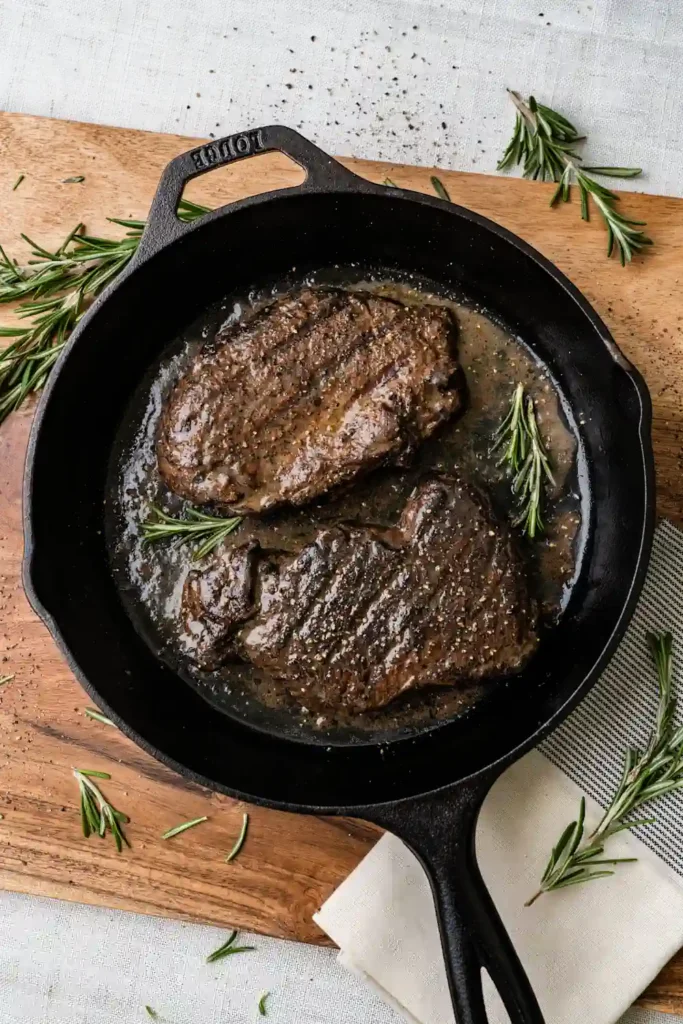
On the beef side, the brand highlights brisket options that are designed to be reheated without losing tenderness, along with sliced or shredded formats that work well in sandwiches, tacos, loaded potatoes, and rice bowls. Steak offerings also play a central role. Rather than being fully cooked, the steaks are positioned as rare and intended to be finished at home. That creates a hybrid convenience model: high-quality sourcing and portioning, plus the flexibility to cook to a preferred doneness.
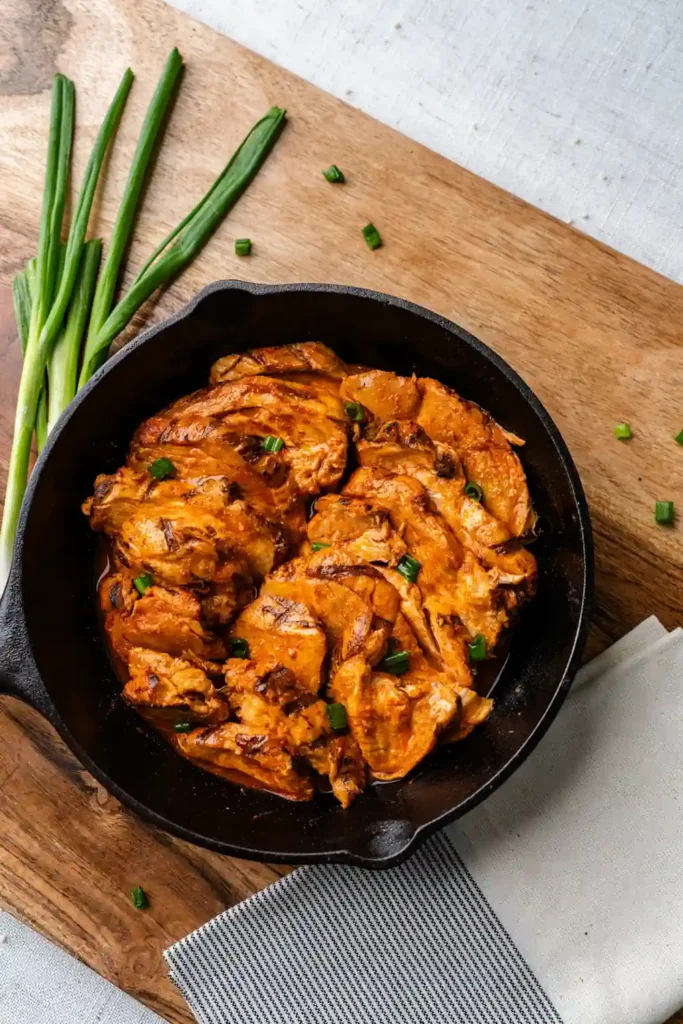
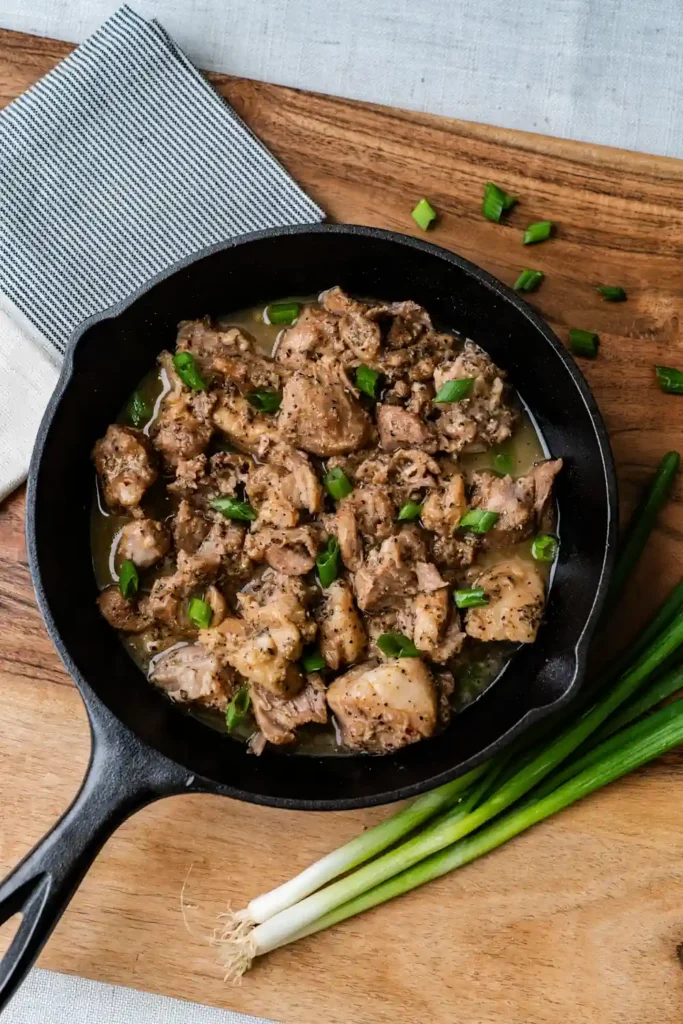
Chicken products typically include seasoned breasts and thighs in multiple flavor profiles. That makes them useful for meal prep, salads, pasta additions, and fast protein upgrades. Pork items lean toward prepared, flavorful formats that can anchor a plate with minimal extra effort. The overall catalog design is clear: provide proteins that do the heavy lifting in a meal so sides can stay simple and dinner can still taste intentional.
Flavor System: Chef-Crafted Recipes and Signature Sauces
A key differentiator is that True Nature Meats treats flavor as a primary feature, not a secondary seasoning suggestion. The brand frames its recipes as traditional and globally inspired, shaped by restaurant exposure and culinary sourcing experience. The goal is to make each protein feel like a finished dish component rather than a blank ingredient.
Many items are built around house-style rubs, sauces, and seasoning blends that are meant to taste complete straight out of the package. That includes barbecue-leaning profiles, teriyaki-style flavors, garlic-forward options, spicy varieties, and other recipe-driven approaches that allow customers to rotate meals without repeating the same taste. This is especially useful for households that want variety but do not want to buy multiple sauces, marinades, and spice blends.
There is also an important nutritional reality to pre-seasoned meats: sodium levels can be higher than raw cuts because seasoning is part of the product design. That is not unusual for prepared proteins, but it is worth noting for customers who track sodium carefully. A smart way to use seasoned proteins is to pair them with lower-sodium sides such as rice, roasted vegetables, steamed greens, or simple salads. That balances the plate while still letting the protein deliver the main flavor.
Cooking Method and Convenience: Fully Cooked Proteins That Reheat Well
True Nature Meats is built around controlled preparation and consistent reheating. Most products arrive fully cooked, seasoned, vacuum-sealed, and flash-frozen. This packaging style supports food safety, reduces waste, and simplifies meal timing. Instead of relying on consumers to nail cooking technique, the brand aims to deliver proteins that behave predictably when reheated.
Reheating instructions emphasize moisture management. A covered skillet method helps trap steam and prevent drying, especially for sliced or shredded meats. The general idea is to heat gently and allow the sauce or juices to rehydrate the meat. Microwave reheating is also possible, but it works best at lower power and in short intervals. That avoids overheating edges while the center stays cold, which is a common problem with dense proteins.
Steaks follow a different system. They arrive rare so the finishing step happens at home. This approach gives customers control over doneness, which is important for steak lovers, while still providing the sourcing, trimming, and portioning benefits of a direct-to-consumer provider. Storage guidelines are also geared toward convenience. Frozen meats are designed for long-term keeping, while unopened refrigerated storage and post-opening use windows are clearly defined. The result is a freezer-friendly system that supports planned meals and last-minute dinners alike.
Ordering Options and Subscriptions: One-Time, Recurring, and Minimums
True Nature Meats supports both one-time ordering and subscription-style delivery. The subscription model typically offers recurring shipments on a set cadence, which aligns with the brand’s purpose as a weekly meal solution rather than a once-a-year splurge. For customers who value routine, recurring deliveries can help maintain a steady freezer rotation of proteins that are always ready when time is short.
An important operational detail is the order minimum. Frozen shipping with insulation and cold packs is expensive, and small orders can be inefficient or increase risk. The minimum order requirement encourages customers to stock up, which can be a positive if the goal is meal planning and freezer stability. However, it can also feel like a hurdle for first-time buyers who want to test just one item. The best approach is to treat the first order as a trial bundle, choosing a few different proteins and flavors to evaluate texture, seasoning strength, and portion usefulness.
Discount structure often encourages subscription retention. Recurring customers may receive ongoing savings compared to one-time ordering. In many direct-to-consumer food models, promotional codes may be limited to one-time use or not stackable. This means the most value usually comes from combining a smart first order with a long-term plan only if the products consistently fit the household’s taste and schedule.
Shipping, Packaging, and Delivery Windows: What to Expect in Transit
For frozen food, logistics is the product’s backbone. True Nature Meats emphasizes vacuum-sealed and flash-frozen packaging packed with insulation and ice packs, designed to arrive frozen or chilled and ready to store. This type of shipping system protects texture, reduces freezer burn, and supports a predictable customer experience when the box arrives.
Delivery timing is positioned around speed. Fast transit helps maintain safe temperatures and protects quality, especially during warm seasons. Shipping schedules that prioritize weekday movement reduce the likelihood of boxes sitting in transit over a weekend. That matters because long delays are one of the biggest risks for frozen delivery. Tracking updates are typically provided once the shipment is in motion, giving customers a clear window for when to bring the box inside quickly.
Geographic limitations can apply. Many premium meat delivery services ship within specific regions due to carrier and cold-chain constraints. Buyers should also expect shipping pauses or schedule changes around major holidays. Those holidays can impact carrier availability and transit speed, so it is useful that the brand acknowledges them. Overall, the shipping structure signals a focus on protecting food integrity. For customers, the main best practice is simple: bring the package inside promptly, confirm the condition, and move items to freezer storage right away to maintain the intended texture.
Ingredients, Dietary Fit, and Transparency: The Useful Fine Print
True Nature Meats presents itself as a traditional meat brand rather than an alternative protein company. The products are positioned for people who want real meat that is convenient and flavorful. From a dietary perspective, prepared meats can fit well into high-protein and low-carb eating styles, especially when paired with vegetables and simple sides.
Allergen and gluten considerations are important. Some recipe styles commonly use ingredients that may not work for every diet, such as soy-based sauces that include wheat. While many products may be gluten-free, it is not safe to assume every flavor follows the same ingredient rules. This is especially true for teriyaki-style or sauce-heavy items. For customers with strict dietary requirements or severe allergies, label-reading is essential, and additional caution is reasonable if cross-contamination risk is a concern.
Transparency also shows up in how cooked products are labeled. Cooked meats weigh less than raw meats because they lose water and fat during cooking. That can surprise shoppers who expect raw weight comparisons. Juices or rendered fats in the package are also normal in cooked products and can improve reheating quality because they add moisture and flavor back into the meat. This kind of guidance helps customers understand what they are seeing and prevents unnecessary concerns. Overall, the fine print suggests that the brand is designed for convenience, but still expects consumers to make informed choices based on nutrition and ingredient needs.
Guarantees and Customer Support: Refund Structure and Quality Commitments
Trust matters when buying perishable products online. True Nature Meats emphasizes satisfaction and outlines a structured approach to refunds and support. In a category where shipping conditions, customer preferences, and preparation methods can affect perception, a clear policy helps reduce risk for first-time buyers.
Refund and support systems typically distinguish between quality issues and preference issues. Quality issues might include damaged packaging, missing items, incorrect shipments, or products that arrive in unacceptable condition. Preference issues can include not liking a flavor profile or finding a texture different than expected. A well-structured policy explains what information is needed, how quickly problems should be reported, and what the resolution process looks like. That creates clarity and keeps expectations realistic.
For customers, the best practice is to check the order promptly upon arrival, document issues if needed, and follow the brand’s support instructions. Photos can be helpful if packaging damage occurred. It is also useful to follow reheating guidance closely before judging texture, since overly aggressive reheating can dry out proteins and create a poorer experience than intended. A strong support approach is one of the most valuable features in the direct-to-consumer food space. It signals that the company expects to stand behind its product even when logistics or taste preferences do not align perfectly.
Pros and Cons: Where True Nature Meats Wins and Where It May Not Fit
Pros
The meats are designed to be ready after quick reheating, and seasoning is treated as a core feature rather than an afterthought.
Beef, chicken, pork, brisket-style items, and multiple flavor profiles make it easier to rotate meals without boredom.
Steaks are intended to be finished at home, allowing personalization of doneness while still benefiting from sourcing and portioning.
Packaging supports longer storage and helps reduce waste while keeping prep simple.
Reheating instructions reduce guesswork and help customers achieve better texture and moisture.
A clear satisfaction-oriented stance helps lower the risk of trying a new frozen food provider.
Cons
Stock-up ordering may not suit shoppers who prefer small tests or single-item purchases.
Chef-seasoned prepared meats often use more sodium, which can be a downside for some dietary needs.
Sauce-based items may include common allergens or gluten-containing ingredients, so label-checking is required.
Like all shipped frozen foods, success depends on timely delivery and quick storage after arrival.
Some regions may not be served due to frozen shipping constraints.
Final Thoughts: The Best Use Case for This Brand
True Nature Meats is best viewed as a premium protein system built for speed, consistency, and flavor variety. The strongest advantage is how the brand reduces the friction of cooking meat at home. Instead of requiring trimming, marinating, and exact timing, the products are designed to be reheated quickly and served with minimal skill required. This is valuable for busy households, students, working professionals, and families who want dinner to feel complete without turning weeknights into a cooking project.
The main tradeoffs are practical and predictable. The minimum order encourages stock-ups. Sodium may be higher due to seasoning. Certain sauces may not fit gluten-free or allergen-sensitive needs. For customers who can plan around those factors, the overall value proposition is compelling: keep a freezer stocked with ready-to-serve proteins that make dinner faster, more flavorful, and more consistent.